
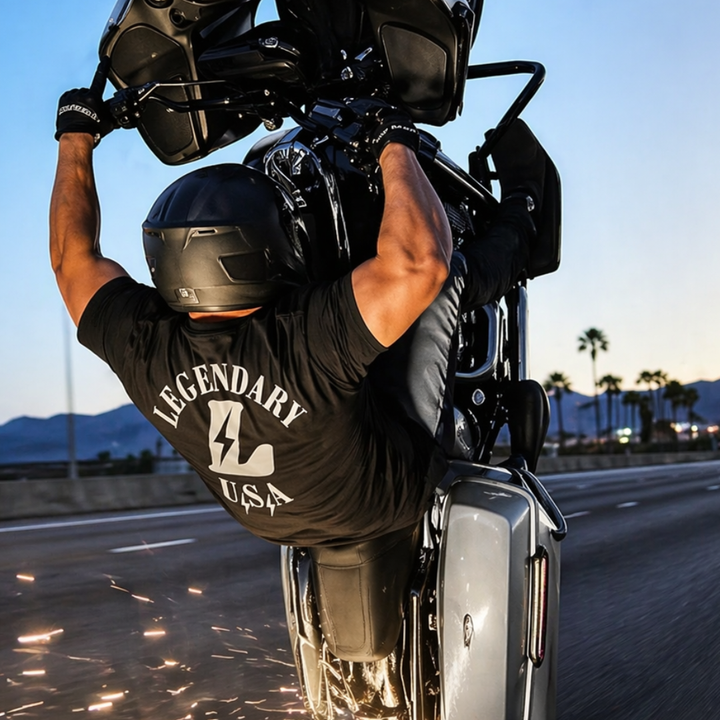


The last warm day of the riding season is the afternoon in late October or early November when the temperature climbs high enough to pull every rider out of the garage one more time. Riders chase it because they know it may be the final easy ride before winter, and the gear they choose that day matters because the morning may still start cold. Legendary USA has watched riders do this for 25 years, and the pattern holds every fall.
Why riders chase the final warm afternoon

Nobody schedules the last warm day. It shows up in the forecast three days out, and by Thursday the group chat is full of riders asking who is in. The day carries more weight than its temperature because every rider understands the calendar is running out.
It is also a different kind of ride from a summer ride. Summer miles are plentiful, so a bad day costs nothing. In late fall each warm day is rationed, and riders treat it that way: a full tank, a route they have been saving, and no errands.
Riders who commute or travel know the other half of the story. The same day that peaks in the afternoon often starts near freezing. The rider who leaves at sunrise and the rider who leaves at two o'clock are riding in two different seasons.
The swing between morning and afternoon
The defining feature of a late-fall warm day is the swing. Mornings can sit in the 30s or 40s, and by mid-afternoon the same road can feel like September. A rider geared for the afternoon pays for it in the first hour, and a rider geared for the morning is overheated by lunch.
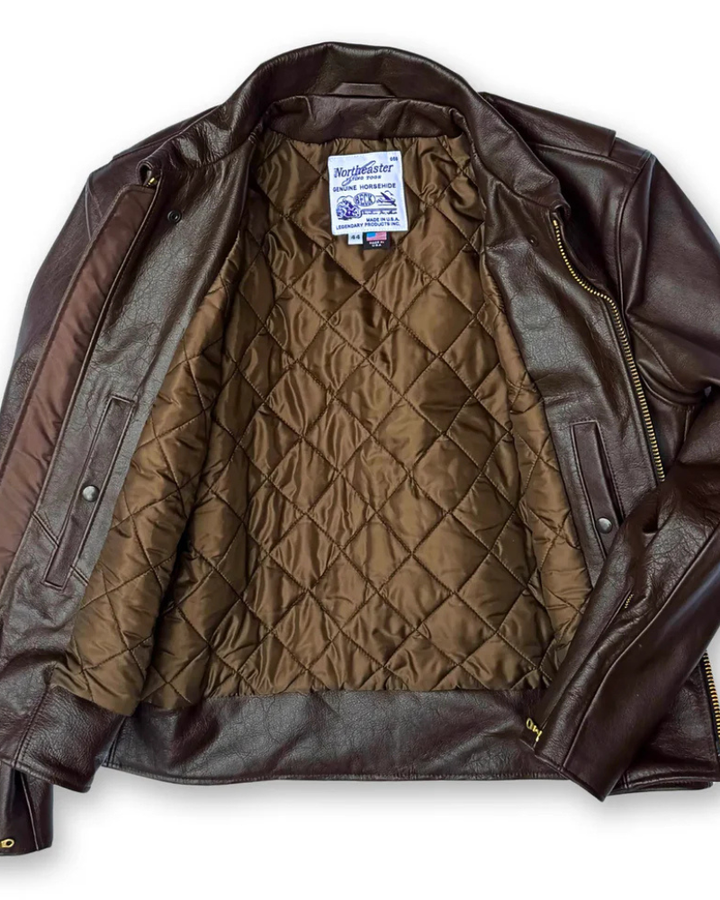
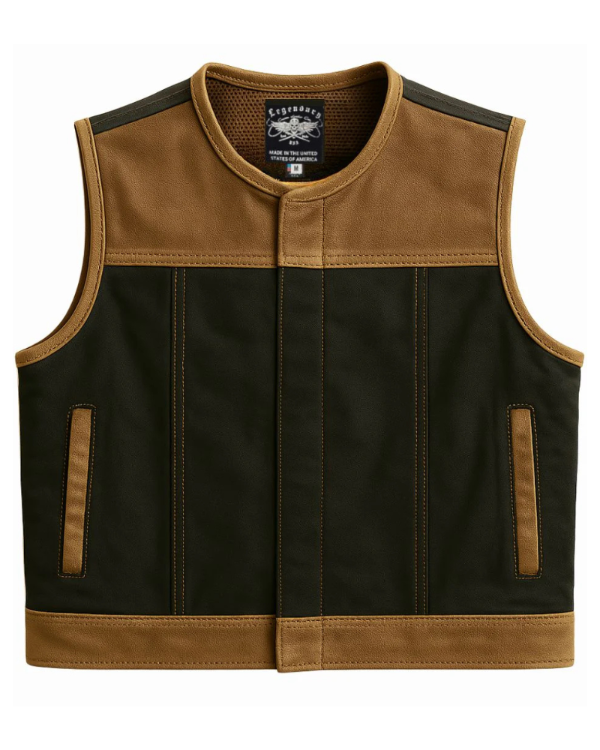
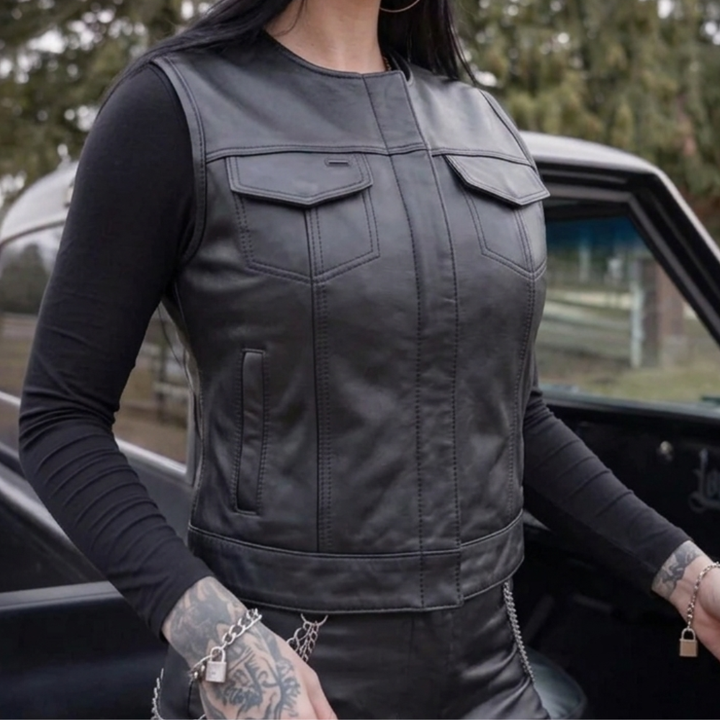
Experienced riders solve this with layers they can shed, not with one heavy piece. A vest over a base layer comes off easily, and a leather jacket can be unzipped. Our guide to how to layer under a motorcycle vest in cold weather shows how that works in practice.
Gloves are the one piece that is hard to change mid-ride, which is why riders think hardest about them. A pair that suits the afternoon can leave hands numb at sunrise, and a lined pair that suits the morning can run warm by two o'clock. The usual answer is to carry both, or to pick for the part of the day you will ride the most.
Ventilated vs fleece-lined: choosing the glove for the day
The comparison most riders make on a swing day is between a ventilated glove and a fleece-lined glove, and the honest answer is that each wins in its own window.
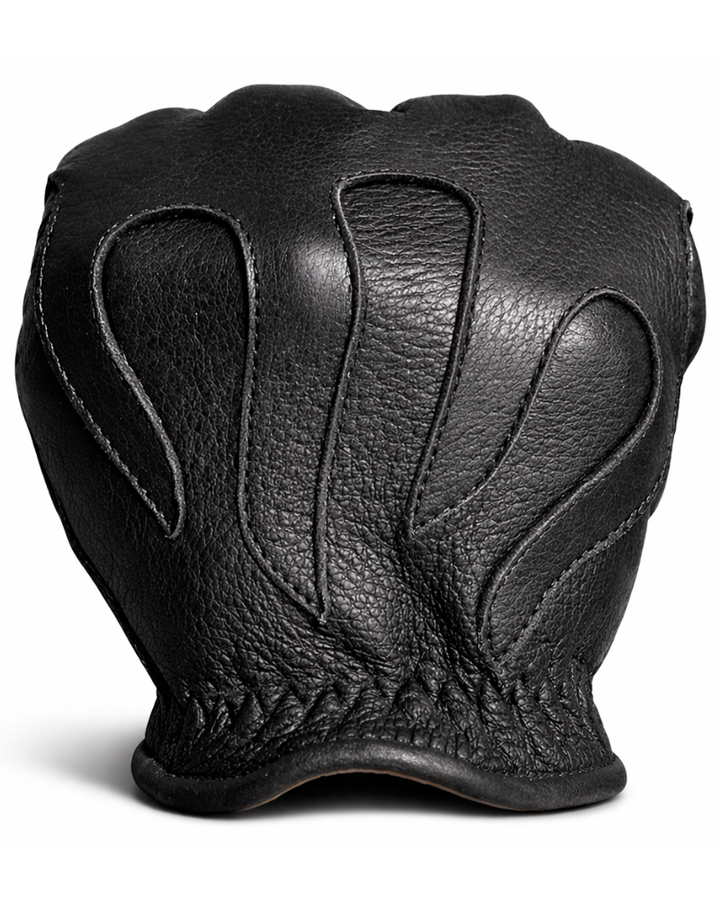
The Ventilated Short Wrist Deerskin Gloves are unlined, with a perforated back for airflow and a keystone thumb. They are the right pair for a warm afternoon, when heat is the problem, but the same perforations let cold air in on a frosty morning. The Fleece-Lined Deerskin Gloves use 3M Thinsulate 40-gram lining and suit the 30 to 50°F range, though they run warmer than you want at the top of that swing.
Both are made from American Whitetail deerskin, hand-cut and stitched in the USA, and both stay supple in the cold. Neither is armor, and neither is waterproof, because leather is only water-resistant.
A brief respect for the end of the season
The last warm day is also a cultural moment in American riding. Clubs schedule a final ride, shops hold open houses, and riders who have not spoken since August show up at the same gas station. Part of the pull is practical, since it is the last easy ride before gear goes into storage, and part of it is simple loyalty to the season.
If you are making that final ride, read our piece on the end of daylight saving and the late-October ride and plan your gear around the cold start, not the warm finish. Browse the full range in our Made in USA motorcycle gloves collection.
For rider training and general riding practice, the Motorcycle Safety Foundation publishes rider resources and training information.
Frequently asked questions
- What should I wear on the last warm day of the riding season?
- Dress for the coldest part of the day and plan to shed layers by afternoon. A leather vest or jacket over a base layer works well, and you can unzip or remove it as the temperature climbs. For gloves, choose ventilated deerskin if you will ride mostly in the afternoon, and a fleece-lined pair if you start at sunrise.
- Are ventilated deerskin gloves okay for a cool morning?
- Only on mild mornings. The Legendary USA Ventilated Short Wrist Deerskin Gloves have a perforated back designed for warm weather, so cold air passes through on a frosty start. If the morning is in the 30s or 40s, wear a lined pair for the early miles and switch to the ventilated pair after it warms up.
- How do I know when the riding season is really over for me?
- It depends on your tolerance, your commute and your local weather. Many riders stop when roads are regularly wet or icy, or when sustained temperatures drop below what their gear can handle. If you keep riding, a lined glove and a layered kit extend the season, but ice and road salt are a different problem than cold.
- Should I condition my leather gear after the last ride of the year?
- Yes, if it will sit in storage. Clean off dirt and road grime, let the gear dry at room temperature, and apply a leather conditioner suited to the hide. Store it in a cool, dry place and not in a sealed plastic bag, which traps moisture. Our care guides cover each step.
- Is a fleece-lined glove too warm for a mild afternoon?
- It can be. Legendary USA fleece-lined deerskin gloves are built for the 30 to 50°F range, so in the upper 50s or 60s they may run warm and sweat. That is why many riders keep an unlined or ventilated pair for warm days and save the fleece-lined pair for mornings and colder weeks.
Closing out the season
The last warm day is worth taking seriously because it is a rationed ride and the weather is unpredictable. Gear for the cold morning, layer for the warm afternoon, and bring the right gloves for both. When the day is over, clean the gear, let it dry, and put it away properly so it is ready in spring.