


A leather military name badge is what turned an issued flight jacket into one aviator's jacket. On the WWII A-2, leather name tags were issued to be sewn above the left pocket, and owners kept their jackets when they transferred, because their names and unit insignia were sewn on them. Riders who wear flight jackets today still add one, for the same reason.
A Jacket With a Name on It

The A-2 was issued gear, cut to a common pattern, and on a flight line one looked much like the next. The name tag changed that. A strip of leather on the chest told the crew chief, the squadron and anyone else whose jacket it was.
Air & Space Forces Magazine's history of the A-2 records that leather name tags were issued to be sewn above the left pocket. It also notes that many pilots had rank insignia sewn on the shoulders, and that the backs of some jackets carried painted artwork. The name tag was the quiet part of that personalization, and the part that said the most.
Name, Rank and Wings
A name tag carried the wearer's name and often more. The same history describes the A-2 reissued to Air Force aircrew in the 1980s with a leather name tag embossed with name, rank, wings and USAF in silver on brown leather. Those few square inches told you who flew, what they had earned and which service they flew for.
The method of attaching it changed over the decades, from sewn on to the hook-and-loop backing used on many modern flight jackets, but the placement on the chest held. On a current pattern such as the Cockpit USA U.S.A.F. 21st Century A-2, or the CWU flight jackets with a Velcro chest patch for a name tape, the tag still sits where it always did.
Why Riders Kept the Tradition
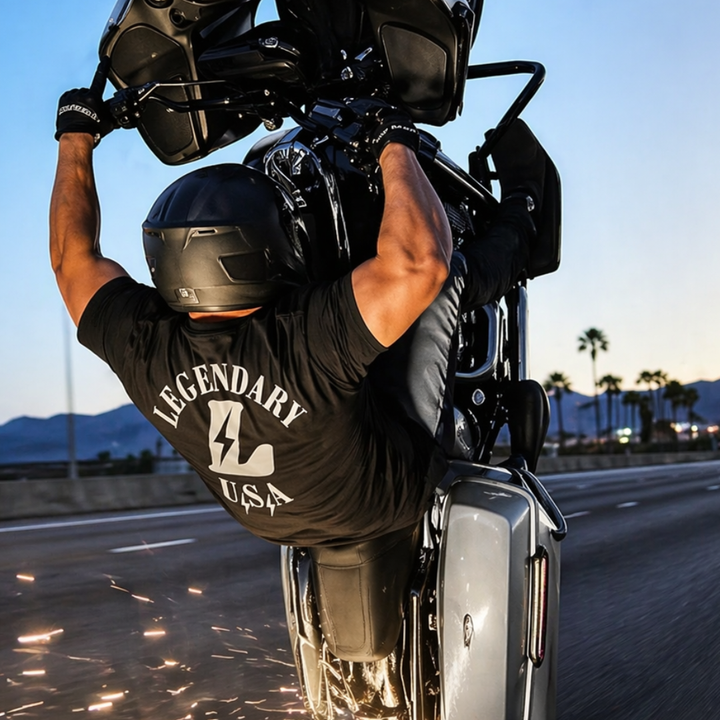
Many riders took to flight jackets after the war for the same reasons aviators valued them: leather that blocked wind, a short cut that did not bunch in the seat, and a jacket that got better with age. The name tag came along with the jacket. On a rider's A-2, it is as much about ownership as it was on the flight line.
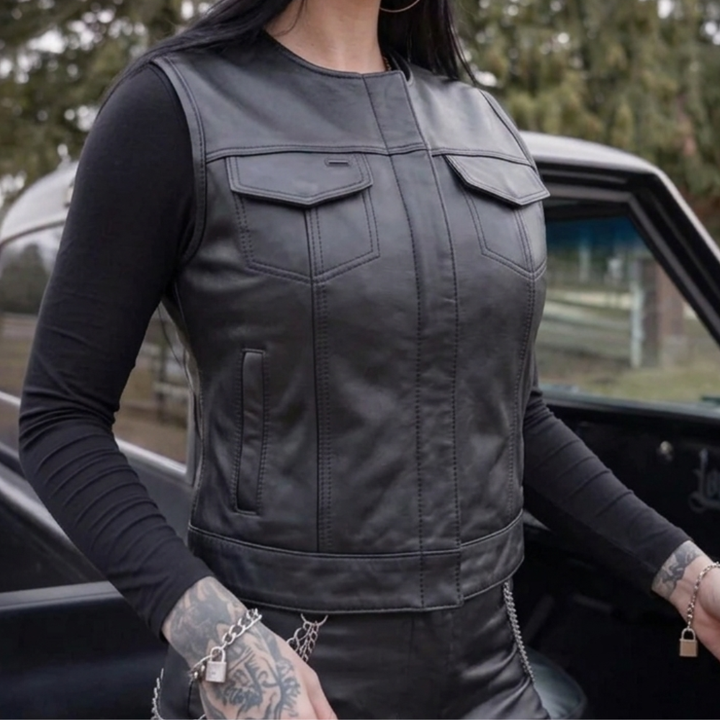
There is a connection to the club vest, too. The patch on a rider's back and the tag on an aviator's chest both say who you are and who you ride or fly with. We traced that lineage in from squadron patch to back patch, and the jacket itself in our history of the A-2 flight jacket.
Adding a Name Tag to Your Own Jacket
A name tag is one of the simplest ways to make a flight jacket yours. A leather worker or engraver can cut a tag from full-grain cowhide and emboss or engrave it with a name, a call sign or a personal design. Some current jackets come ready for one: the Cockpit USA CWU-55/P Cold Weather Flight Jacket has a Velcro chest patch for a personalized name tape.
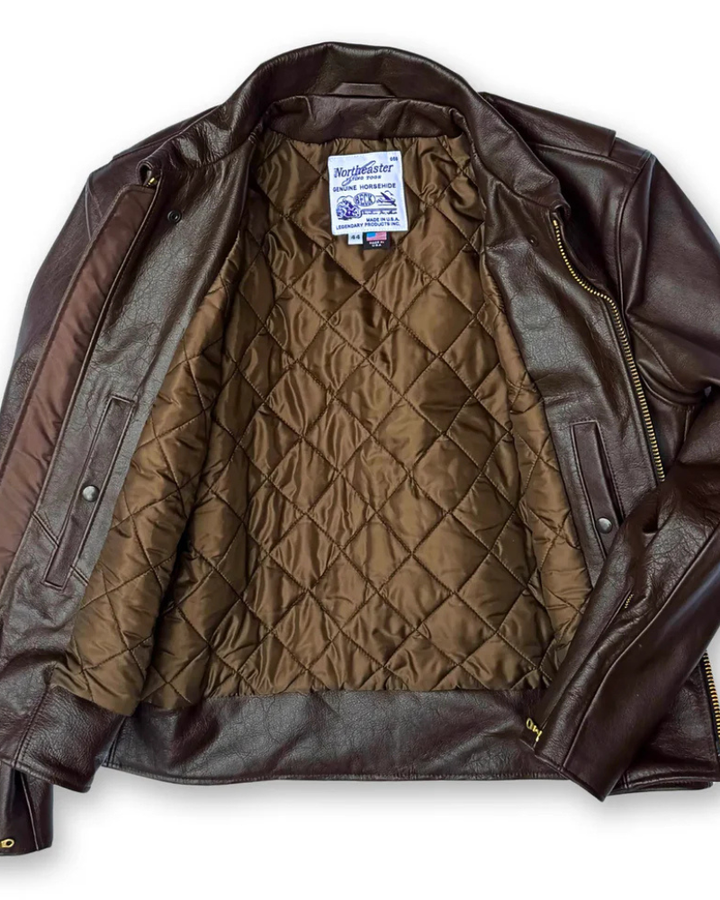
Then decide how to attach it. Sewing it above the left pocket follows the WWII practice and is permanent. A hook-and-loop backing lets you move it between jackets, the way modern aircrew do. Every A-2 we carry is in our A-2 leather flight jackets collection, including the Legendary Flying Fortress A-2, and the left chest above the pocket is where a tag belongs on any of them.
This month, when veterans are on all our minds, a jacket with a name on it carries a little extra weight. It is a small piece of leather, but it has been saying the same thing since the 1940s: this one belongs to someone.
Air & Space Forces Magazine published a history of the A-2, The Jacket That Lives Forever, which describes how leather name tags were issued for the jacket.
Frequently Asked Questions
- Where does the name tag go on an A-2 flight jacket?
- Above the left chest pocket. Air and Space Forces Magazine's history of the A-2 notes that leather name tags were issued to be sewn there during WWII, and modern flight jackets with a Velcro chest patch keep the same placement. If your jacket has no patch, centering the tag just above the left pocket flap follows the traditional layout.
- What was printed on a military flight jacket name tag?
- Usually the wearer's name, and often rank and qualification wings. The A-2 reissued to Air Force aircrew in the 1980s came with a leather name tag embossed with name, rank, wings and USAF in silver on brown leather, according to Air and Space Forces Magazine. Personal tags varied, so collectors see a range of layouts and lettering styles.
- How do you attach a leather name badge to a flight jacket?
- There are two common methods. Sewing it on above the left pocket follows the WWII practice and is permanent, so it is best done by a leather repair shop with a machine that handles leather. A hook-and-loop backing, used on many modern flight jackets, lets the tag come off or move between jackets without new stitching.
- Can I have a custom leather name tag made for my jacket?
- Yes. A local leather worker, engraver or trophy shop can cut a tag from full-grain leather and emboss or engrave a name, call sign or design. A tag around 2 by 4 inches suits most flight jacket chests. Ask them to test on a scrap first, since embossing depth varies with the leather, and decide before ordering whether you want it sewn on or backed with hook-and-loop.
- Is it disrespectful to wear wings on a name tag if I did not serve?
- Many veterans consider earned qualification wings personal, so the safest course for a civilian is to leave military wings off and put a name, a call sign or a personal design on the tag instead. A name alone follows the tradition of marking the jacket as yours without claiming a qualification you did not earn. Veterans are the right people to ask.