

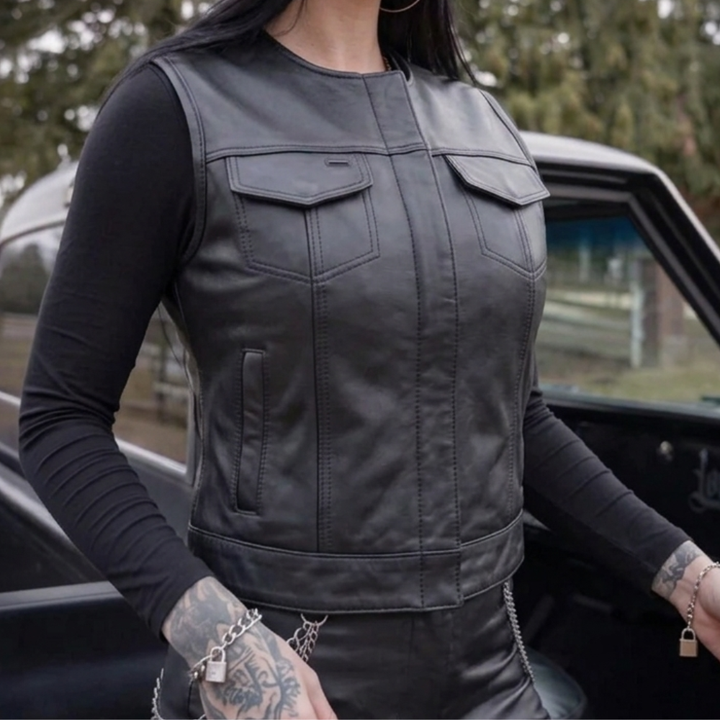


Winter leather motorcycle gear maintenance comes down to three habits: dry it slowly, clean off road salt the same day, and condition only when the leather asks for it. Riders who keep going through the cold months put their gloves, vests, and jackets through more wet-dry cycles in one winter than in three summers, and each cycle pulls oils out of the hide. This guide covers what Legendary USA tells riders who keep their deerskin gloves and BECK horsehide jackets on the road from November through March.
Why winter is harder on leather than summer
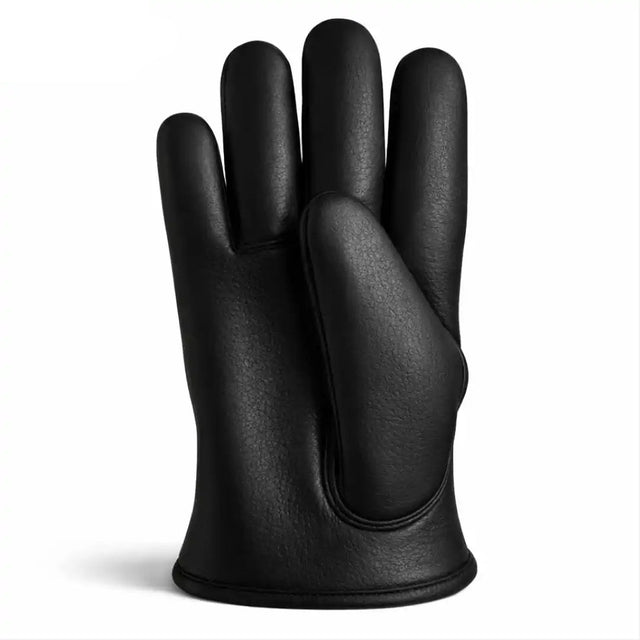
Cold riding exposes leather to three things it does not see in July: road salt, repeated soaking, and the temptation to dry gear fast on a heater. Salt is the worst of the three. Brine spray from a treated road dries into white crystals on the surface of a glove or the hem of a jacket, and those crystals draw moisture out of the hide every time it gets damp again. Left alone for a season, salt leaves cracks along the knuckles and cuffs that no conditioner repairs.
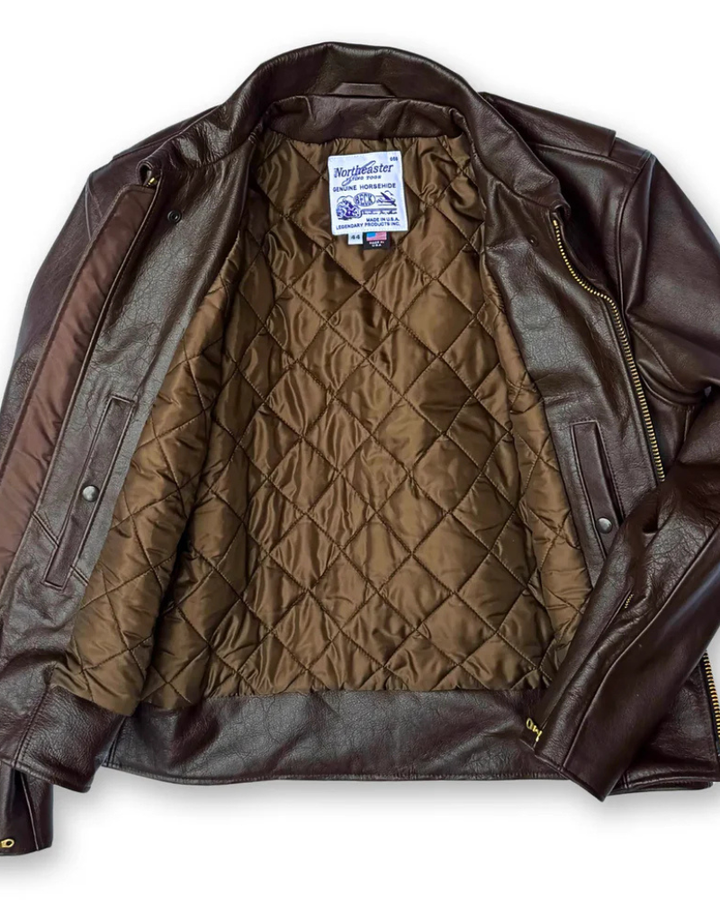
Wet-dry cycling is the second problem. Deerskin dries soft when it air-dries at room temperature, but every soak and dry still moves a little of the hide's natural oil to the surface, where it wipes off. Horsehide is denser and takes on less water, which is one reason Legendary USA builds the BECK 777 Northeaster Flying Togs horsehide jacket from 1.3mm front quarter horsehide, but even horsehide loses oil to a winter of commuting.
Heat damage is the third, and it is entirely self-inflicted. A glove dried on a radiator, a jacket hung over a space heater, or a pair of gauntlets left on the dashboard defroster will dry stiff and stay stiff. The fibers shrink and the oils cook out. Never machine-dry and never dry on a heater, no matter how cold your hands were.
How to dry leather gloves and jackets after a cold ride
Take the gear off as soon as you park and let it air-dry at room temperature, away from any heat source. For gloves, open the cuff and stand them upright, or stuff them loosely with dry newspaper or a cotton cloth so they hold their shape while the inside dries. Change the stuffing once if the glove was soaked through.
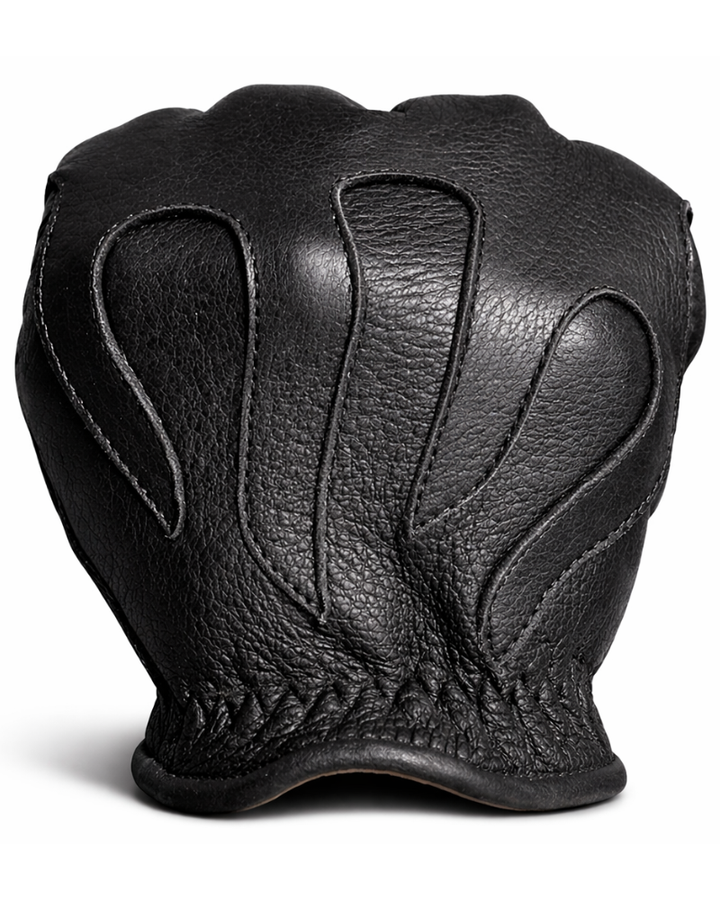
A fleece-lined deerskin short-wrist glove takes longer to dry than an unlined glove because the 3M Thinsulate lining holds moisture. Give it a full day. If you ride every day through winter, own two pairs and rotate them so one is always dry. A damp lining compresses, insulates poorly, and smells by February.
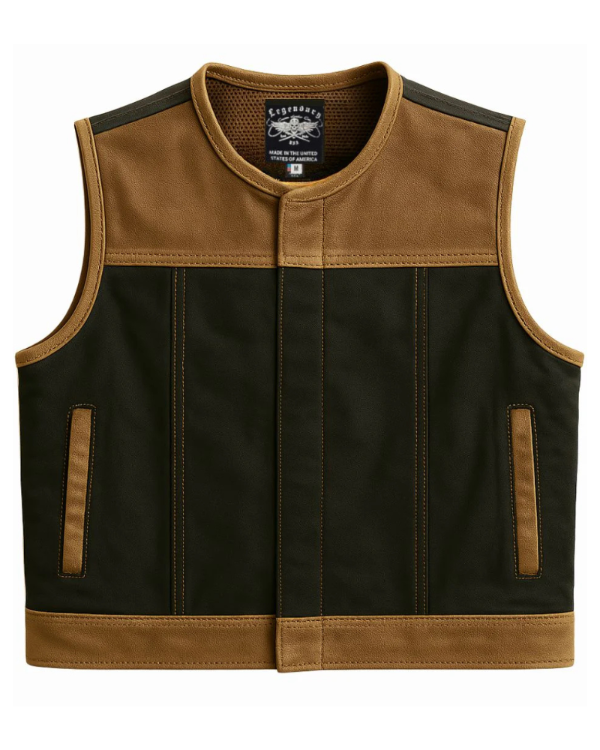
Hang jackets and vests on a wide wooden or padded hanger, never a wire hanger, with the front open so air reaches the lining. A horsehide jacket that comes in wet from sleet will feel stiff for the first hour as it dries and then relax again as the fibers warm to room temperature. That is normal for horsehide and is not a sign it needs conditioning.
How to remove road salt from leather
Wipe salt off the same day with a cloth dampened in plain water. Do not use soap, detergent, or saddle soap on deerskin. Work in small circles across the salt line, rinse the cloth, and wipe again until no white residue transfers to the cloth. Let the leather air-dry, then check in good light for a faint white tide mark; if one remains, repeat with a slightly damper cloth.
For a stubborn salt line on horsehide or cowhide, a mix of one part white vinegar to three parts water on a cloth dissolves the crystals. Wipe with plain water afterward and let the jacket dry fully before you condition. Vinegar is a last resort for a heavy stain, not a routine cleaner, and Legendary USA does not recommend it on deerskin at all.
When and how to condition leather in winter
Condition when the leather looks dull or feels dry, not on a calendar. For most riders that means once before the cold season, which Legendary USA covers in its guide to conditioning leather motorcycle gear before winter, and once more in the middle of winter if the gear is ridden daily. A weekend rider usually needs nothing until spring.
Apply a thin coat of a leather conditioner with a soft cloth, let it absorb for an hour, and buff off whatever the leather did not take. More is not better. Over-conditioned deerskin gets greasy, stretches, and attracts grit, and a glove that stretches loses the snug palm fit that keeps your hand from sliding inside it. Conditioning also does not make leather waterproof. It restores oils and slows water absorption, and that is all it does.
The lining and the leather are different jobs. Conditioner goes on the outside only. Keep it off the fleece in a lined glove and off the cotton cavity lining in a BECK jacket, where it does nothing except stain.
A weekly winter maintenance routine
Once a week through the cold months, lay out every piece of leather you rode in and do four things. Wipe off salt and grime with a damp cloth. Check the stitching at the thumb saddle, palm, and cuff of each glove and at the pocket corners and zipper tape of each jacket for loose threads. Flex the leather at the knuckles and elbows and feel for any spot that is stiffer than the rest, which is where salt or heat damage starts. Then let it all finish drying overnight before it goes back in rotation.
Gloves get the most abuse, so inspect them closest. The fleece-lined short-wrist and the unlined gauntlet in the cold-weather deerskin motorcycle gloves collection are both stitched with A&E industrial thread at the stress points, and a loose stitch at the thumb saddle caught in week one is a repair. The same stitch found in March is a replacement.
Storing winter gear between rides
Store leather in a room that stays between roughly 60 and 75 degrees, not in a garage that swings from 20 degrees overnight to 60 in the afternoon sun. Temperature swings condense moisture inside the gear. Keep gloves out of sealed plastic bags and jacket pockets, and keep jackets off the floor of a damp basement. For the off-season version of this advice, see how to store leather motorcycle gear.
Leather that gets ridden through winter does not need more products. It needs to be dried slowly, cleared of salt before the salt sets, and conditioned lightly when it goes dull. Do those three things through the cold months and a pair of Legendary USA deerskin gloves or a BECK horsehide jacket comes out in April broken in, not broken down.
For cold-weather riding practice beyond gear care, the Motorcycle Safety Foundation publishes rider training and gear guidance.
Frequently asked questions
- How do I dry leather motorcycle gloves that got wet in the cold?
- Air-dry them at room temperature, away from heaters, radiators, and dashboard vents. Open the cuff and stand the gloves upright, or stuff them loosely with newspaper or a cotton cloth so they hold their shape. Unlined deerskin dries soft overnight. Fleece-lined gloves take a full day because the lining holds moisture, so daily winter riders should rotate two pairs. Never machine-dry a leather glove and never dry it on a heat source, because heat shrinks the fibers and cooks the oils out.
- How do you get road salt off leather motorcycle gear?
- Wipe salt off the same day with a cloth dampened in plain water, working in small circles until no white residue transfers to the cloth. Let the leather air-dry and check for a tide mark, then repeat if needed. Do not use soap or saddle soap on deerskin. For a heavy salt line on horsehide or cowhide, one part white vinegar to three parts water on a cloth dissolves the crystals; wipe with plain water afterward. Salt left on leather draws moisture out of the hide and causes cracking.
- How often should I condition leather motorcycle gear in winter?
- Condition when the leather looks dull or feels dry rather than on a schedule. Most riders condition once before the cold season and once more mid-winter if they ride daily. Weekend riders usually need nothing until spring. Apply a thin coat with a soft cloth, let it absorb for an hour, and buff off the excess. Over-conditioning makes deerskin greasy and stretches it, which ruins the snug palm fit. Keep conditioner off fleece linings and cotton jacket linings.
- Does conditioning leather make it waterproof?
- No. Conditioner restores oils and slows water absorption, which makes leather water-resistant for light rain, but it does not make leather waterproof. Deerskin absorbs water readily in a sustained downpour, and horsehide takes on less water but still gets wet. For riding in steady cold rain, a textile rain shell or waterproof overgloves worn over leather gloves keep hands dry. Legendary USA does not make waterproofing claims for any of its deerskin or horsehide gear.
- Is it bad to leave leather gloves in a cold garage over winter?
- Yes, for two reasons. A garage that drops to 20 degrees overnight and warms to 60 in afternoon sun condenses moisture inside the gloves every day, and repeated damp-dry cycles pull oils out of the hide. Cold leather also stiffens, so the gloves feel like cardboard on the first ride each morning. Store gloves and jackets indoors at roughly 60 to 75 degrees, out of sealed plastic, and bring them to the bike when you ride.
- Why does my horsehide jacket feel stiff after a cold ride?
- Horsehide is a dense hide that firms up when it is cold-soaked and relaxes again as it warms to room temperature. A BECK horsehide jacket that comes in from sleet will feel stiff for the first hour of drying and then soften on its own. That is normal and does not mean the jacket needs conditioning. Only condition horsehide when the surface looks dull or dry after it has fully warmed and dried.