



Ask any longtime rider what touches the ground first in a fall and you will hear the same answer: your hands. Questions about motorcycle glove CE ratings, knuckle armor, and abrasion resistance deserve straight answers, so here is ours up front. Legendary USA's classic deerskin and goatskin gloves are traditional unarmored riding gloves and they do not carry CE certification. We will not pretend otherwise. This guide explains what the ratings actually mean, what certified gloves offer, and where honest heritage leather fits in your gear decisions.
How Important Are Gloves for Rider Safety?
Very important. When a rider goes down, the instinct to reach out is automatic, which is why hands and wrists so often take the first contact. Bare skin offers almost no resistance against pavement. Any full coverage leather glove is a meaningful step up from bare hands or fingerless gloves because it puts a layer of sacrificial material between your palm and the road. Gloves also protect on every ride, not just in a crash: they keep sun, wind, cold, and vibration off your hands, and a dry, comfortable grip on the bars is control you use every mile.
What CE Rating Should Gloves Have for Crash Protection?
The recognized standard for motorcycle gloves is CE EN 13594. It defines two certification levels. If certified crash protection is your priority, buy gloves certified to EN 13594, and choose Level 2 for the higher tier of tested performance. A glove without CE certification, including every heritage glove we make, has no independently verified protection rating. That does not make it useless, but it does mean nobody can honestly promise you a tested outcome in a slide.
CE Level 1 vs CE Level 2: What Actually Differs

EN 13594 testing covers abrasion resistance, seam strength, tear strength, cuff length, and whether the glove stays on your hand under load. The two levels differ mainly in three ways:
- Knuckle protection: Level 2 gloves must include impact protection over the knuckles. At Level 1 it is optional, and a Level 1 glove that adds it is marked KP.
- Abrasion performance: Level 2 requires the glove to survive longer abrasion testing than Level 1.
- Coverage: Level 2 requires a longer cuff, so the glove protects more of the wrist.
In plain terms, Level 1 is the baseline for certified gloves and Level 2 is the higher bar, with knuckle armor and stronger abrasion results required rather than optional.
Are Knuckle Protectors Necessary?
If your goal is certified impact protection, yes: choose a CE Level 2 glove, or a Level 1 KP glove, because knuckles are exposed and frequently strike the ground in a fall. Hard armor or dense padding over the knuckles exists to spread that impact. Plenty of riders, especially on cruisers and around town, accept the tradeoff of an unarmored glove for feel, comfort, and break-in, and that is a legitimate choice as long as it is an informed one. Unarmored leather provides coverage and abrasion material, not impact protection.
Does a Wrist Closure Strap Matter?
Yes, retention matters, because a glove that comes off mid-slide protects nothing. This is exactly why EN 13594 includes a retention test. A secure wrist strap is one way to keep a glove on; a properly fitted glove with a snug wrist and quality construction is another. Fit is the real requirement: gloves are sized by hand measurement, so measure and check our glove size chart before you buy. A gauntlet style adds another layer of security and coverage by extending over the wrist and jacket cuff.
The Safest Leather for Abrasion Resistance
Honest answer: there is no magic species. Abrasion resistance comes from the combination of hide type, thickness, tanning quality, and construction, and the only verified measure of a finished glove is its certification test result. Full grain leathers at adequate thickness, including quality cowhide, goatskin, and deerskin, have served riders for generations because they resist tearing and abrade gradually instead of shredding. Deerskin is prized for its tear strength and durability relative to its weight, which is why it has been a working glove leather for so long. What we will not do is quote an abrasion number for an uncertified glove, because no honest maker can.
Where Unarmored Heritage Gloves Honestly Fit
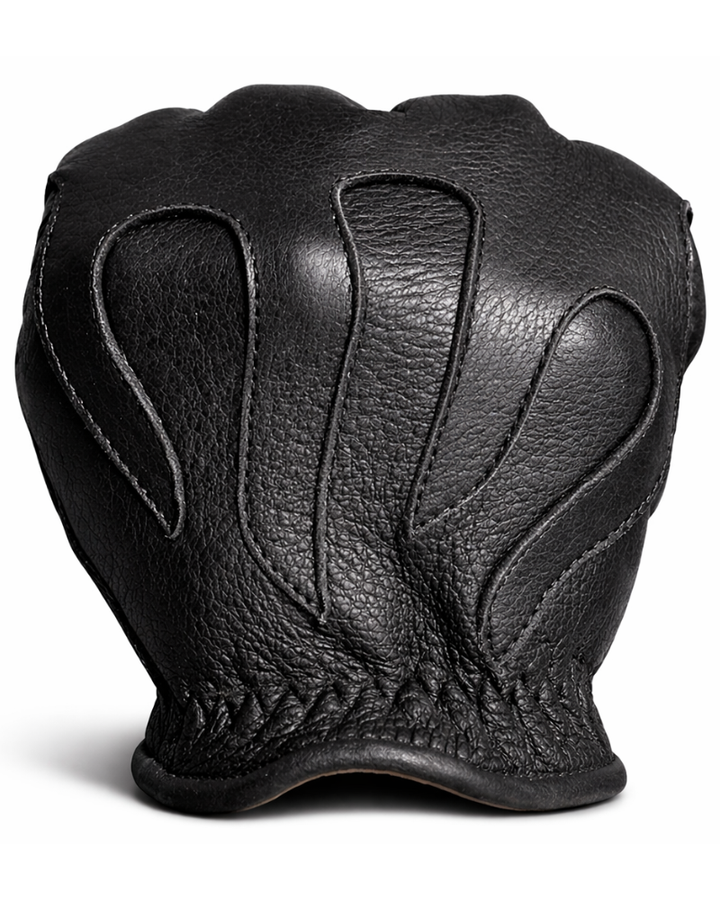
If you want certified impact protection, heritage gloves are not that product, and we would rather tell you that plainly than sell you a false sense of security. Riders who want tested armor should buy CE-rated armored sport gloves. What our USA-made heritage gloves do offer is full coverage in premium full grain leather, a secure fit, and wrist coverage: the traditional virtues that made leather riding gloves standard equipment in the first place.
The closest we get to modern protective materials is the Aramid Touchscreen Deerskin Gloves ($120), which pair full grain deerskin with an aramid lining, the same fiber family used in cut resistant and heat resistant gear. The lining adds material between you and the road, but the glove is still not CE certified and we make no crash protection claims for it. For maximum wrist and lower forearm coverage in an unarmored glove, the Classic Deerskin Gauntlets ($140) extend well past the wrist. To understand why we build with deerskin at all, read our deerskin glove buying guide and our deerskin glove temperature guide.
Frequently Asked Questions
How important are motorcycle gloves for rider safety?
Hands usually contact the ground first in a fall, so gloves are one of the most important pieces of gear a rider wears. Any full coverage leather glove beats bare hands or fingerless gloves for coverage, and certified armored gloves add tested impact and abrasion protection on top of that.
What CE rating should motorcycle gloves have for crash protection?
Look for certification to CE EN 13594. Level 1 is the baseline and Level 2 is the higher tier, requiring knuckle impact protection, stronger abrasion results, and a longer cuff. If certified crash protection is your goal, EN 13594 Level 2 is the rating to buy.
What is the difference between CE Level 1 and CE Level 2 motorcycle gloves?
Level 2 gloves must include knuckle impact protection, pass longer abrasion testing, and provide a longer cuff than Level 1 gloves. Level 1 is the entry certification level, and knuckle protection is optional at Level 1, marked KP when fitted.
Are knuckle protectors necessary in motorcycle gloves?
For certified impact protection, yes. Knuckles commonly strike the ground in a fall, which is why CE Level 2 requires knuckle armor. Unarmored gloves provide coverage and abrasion material but no impact protection, a tradeoff some riders accept for comfort and feel.
Should motorcycle gloves have a wrist closure strap for safety?
Retention is what matters: a glove that comes off in a slide protects nothing. A wrist closure strap is one good way to keep a glove on, and a correctly sized glove with a snug wrist or a gauntlet cuff also stays put. Always size by hand measurement.
What is the safest motorcycle glove leather for abrasion resistance?
No single species is automatically safest. Abrasion resistance depends on hide thickness, tanning, and construction, and only a CE test verifies a finished glove. Quality full grain cowhide, goatskin, and deerskin are all proven riding leathers, and deerskin stands out for tear strength relative to its weight.
What motorcycle gloves offer the best hand protection in a crash?
Gloves certified to CE EN 13594 Level 2, with knuckle armor, certified abrasion performance, and a secure gauntlet cuff, offer the highest independently verified crash protection. Unarmored heritage leather gloves, including ours, do not, though full coverage leather is still far better than bare hands.
Ready to choose your next pair? Browse the full Made in USA motorcycle glove collection to compare unarmored heritage styles, and remember that orders over $150 ship free.