

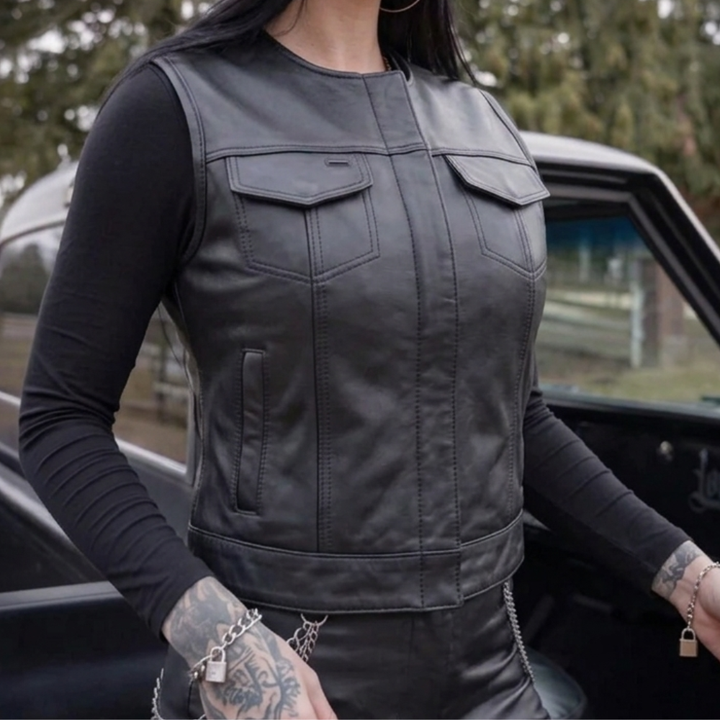


Search for leather vest "certifications" and you will find a lot of confident language and almost no documents. Here is the uncomfortable truth, stated plainly by the shop that sells these vests: there is no certification body that grades or certifies motorcycle leather vests. Nobody issues a seal for a club vest. NFPA 1971 is the standard for firefighter turnout gear, not riding apparel. EN 13595 and EN 17092 cover protective motorcycle clothing, and an unarmored vest is not a candidate for either of them because it has no impact protectors and does not cover the limbs.
So if certification is not the answer, what is? Seven things that are genuinely verifiable, that you can check yourself, and that a seller who is telling the truth will answer in one sentence. If a seller dodges any of these, that is your answer.
1. Country of origin, and what "Made in USA" legally requires
This one is actually enforceable, which makes it the most useful thing on the list. Under the Federal Trade Commission's Made in USA Labeling Rule, an unqualified "Made in USA" claim requires that final assembly or processing happens in the United States, that all significant processing happens here, and that all or virtually all ingredients or components are made and sourced here. Not "mostly." Not "assembled here from imported parts." A seller who cannot survive that test is supposed to use a qualified claim instead, such as "Made in USA of imported leather."
How to verify it: ask two direct questions. Where was this vest cut and sewn, and where was the hide tanned? A truthful answer is short and specific. An answer built on words like "designed in America," "American brand," or "American quality" is a qualified claim wearing a disguise.
What we will tell you: which of our vests are cut and sewn domestically and which are not, model by model, if you call and ask. Our BECK line is our own house line, trademarked with the USPTO under registration 3083433. We would rather answer that question precisely than blanket the whole catalog with one flag graphic.
2. Hide type and grade
There is no certificate for this either, but there is a vocabulary, and the vocabulary is precise enough that vague language gives the game away.
- Full grain: the entire top layer of the hide, nothing sanded off. Strongest fiber structure, shows natural marks.
- Top grain: the top layer with the surface lightly sanded and refinished. Slightly less strong, more uniform looking. This is what most quality riding vests are.
- Genuine leather: not a grade. It is the legal minimum for calling something leather, and in practice it usually means a split with a finish sprayed on.
- Bonded leather: leather dust and scrap glued to a backing. It has no place on a motorcycle.
How to verify it: look at a cut edge, at an armhole or inside a pocket opening. A full or top grain hide is one dense material all the way through the cross section. A split shows a fuzzy, suede-like body with a thin colored skin on the outside that looks painted on, because it is.
3. Leather weight in ounces
The single most useful number in the whole conversation, and the one most often omitted. Leather is measured in ounces per square foot, where one ounce is about 1/64 inch of thickness. A club vest wants roughly 2.5 to 3.5 ounces. Heavyweight horsehide and buffalo run 3.5 to 4.5. Anything at 2 ounces or under is fashion weight and will not carry a back patch without sagging at the shoulders.
How to verify it: ask for the number. "Premium" and "heavy duty" are not numbers. Any shop that actually buys hides knows the weight it ordered.

4. Thread type
Thread is where cheap vests actually fail, more often than the leather. There are three answers, and only two of them are acceptable.
- Bonded nylon: strong, abrasion resistant, the industry workhorse for leather goods. Loses some strength under long UV exposure, which matters more on a bike than in a closet.
- Bonded polyester: slightly lower tensile strength than nylon at the same size, noticeably better UV resistance. Arguably the better choice for topstitching that sits in the sun all day.
- Cotton or unbonded thread: the reason a two year old import comes apart. It abrades against the leather punch holes and saws through itself.
How to verify it: turn the vest inside out and look at a seam in good light. Bonded thread has a smooth, slightly glossy, tightly twisted surface. Cotton looks matte and fuzzy, and old cotton thread goes visibly chalky.
5. Stitch count, and where the reinforcement is
Count the stitches in one inch along a side seam. Six to eight stitches per inch is the normal, correct range for garment leather. Fewer than five and each stitch is carrying too much load. More than ten and you have perforated the hide, which is how a seam tears in a straight line like a stamp.
Then check the three places that actually take load:
- Armholes: bound or turned, not raw cut. Double stitched.
- Pocket corners: bar tacked, meaning a dense little block of stitching at each upper corner.
- Snaps and D-rings: push a thumb behind one. You should feel a second layer of leather. A snap set through a single thickness will eventually tear a crescent out of the panel.
6. Hardware
Snaps and grommets are the cheapest place to save money and the most visible place it shows. Look for solid brass or stainless steel, or nickel plated brass. Plated zinc alloy is the common budget substitute, and it pits and goes green at the edges within a season of weather.
How to verify it: a magnet is not conclusive, but weight and edge quality are. Quality snap caps have a crisp, even edge and a solid feel. Cheap ones have a slightly rough seam where the plating stopped.

7. The warranty, and whether anyone will actually repair it
A warranty is the only one of these seven that is a written promise rather than an inspection, which makes it worth reading carefully. Two questions separate a real one from a marketing line: what specifically is covered, and does the company repair or only replace?
Repair matters more than most buyers realize. A vest that can be re-stitched, have a snap reset, or have a panel replaced is a vest you keep for twenty years. A vest that can only be swapped for a new one is a vest that ends in a landfill the first time a seam goes.
What we cover: defects in materials and workmanship. A seam that separates under normal wear gets repaired or replaced. Hardware that fails gets replaced. Wear from riding, sun fade, and damage from a crash are not defects, and we will say so rather than pretend otherwise.
What is a "cut" in motorcycle vest terms?
A cut is a sleeveless vest worn to display club or personal patches. The name is literal: the tradition started with riders taking a denim or leather jacket and cutting the sleeves off it, and the word stuck long after vests began being made as vests.
In common usage a cut carries a specific meaning beyond "vest." A vest becomes a cut when it carries insignia. Club members generally reserve the word for a vest carrying club colors, while riders outside a club may use it loosely for any patched vest. If you are around a club and unsure, call yours a vest. Nobody has ever been offended by that.
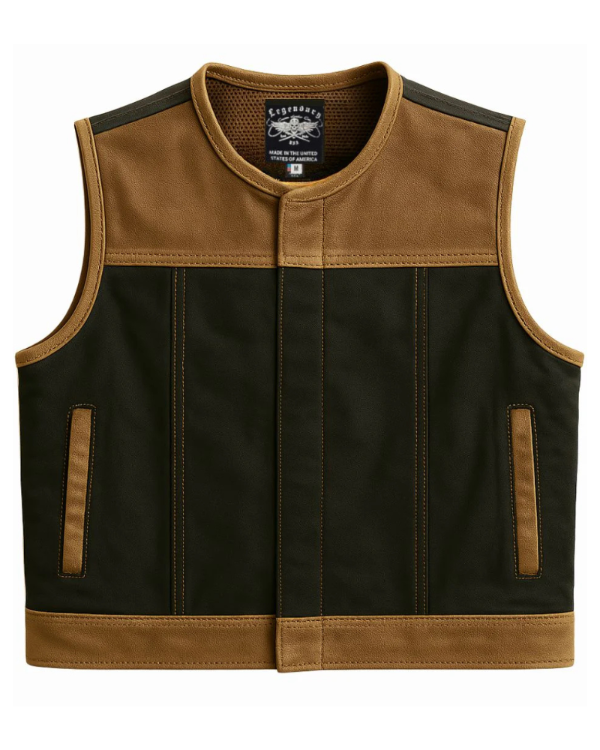
Practically, what makes a vest work as a cut: a one-piece back panel with no center seam, so a three-piece patch set sits square; enough hide weight to carry the patches without the shoulders sagging; and a plain enough front that pocket flaps and zippers do not fight with front patches.
Should a motorcycle vest have a collar?
It is a real trade-off, not a style preference, and it comes down to what you wear underneath.
A collar is better if: you wear the vest as your outer layer in cool weather, because a collar cuts the wind funnel at the back of your neck at speed. It also gives the vest more structure so it hangs better when it is open.
Collarless is better if: you wear the vest over a jacket or a hoodie, which is what most riders actually do. Two collars stacked at your neck bunch, ride up, and chafe. Collarless also gives a cleaner top edge for a rocker patch, and some clubs specify collarless for that reason.
If you only buy one, buy collarless. It layers over everything, and a collar is the piece you miss least.
Top Picks, Shop Direct
We chose these four by running our own checklist against our own catalog, which is a fair test only if we are willing to report the awkward parts too. Each one is a top grain or horsehide vest at real riding weight, with bonded thread, reinforced snap points and a one-piece back suitable for patches. We list the live rating and the review count for each one.
| Product | Why it fits this question | From |
|---|---|---|
| Legendary Dixon Leather Vest | The cheapest vest in our range that still passes every item on the list above: riding-weight top grain, bonded thread, reinforced snaps, clean one-piece back. Rated 4.98 out of 5 across 43 reviews. | $175.00 |
| Legendary Peacemaker Leather Vest | The hardware answer. Solid buffalo nickel snaps rather than plated zinc, which is exactly the detail item 6 is about. Interior gun pockets on both sides. Rated 4.8 out of 5 across 40 reviews. | $210.00 |
| Legendary Gunslinger Leather Vest | Our most reviewed mid-weight vest, which makes it the safest bet if you are buying without trying it on. Rated 4.94 out of 5 across 51 reviews. | $220.00 |
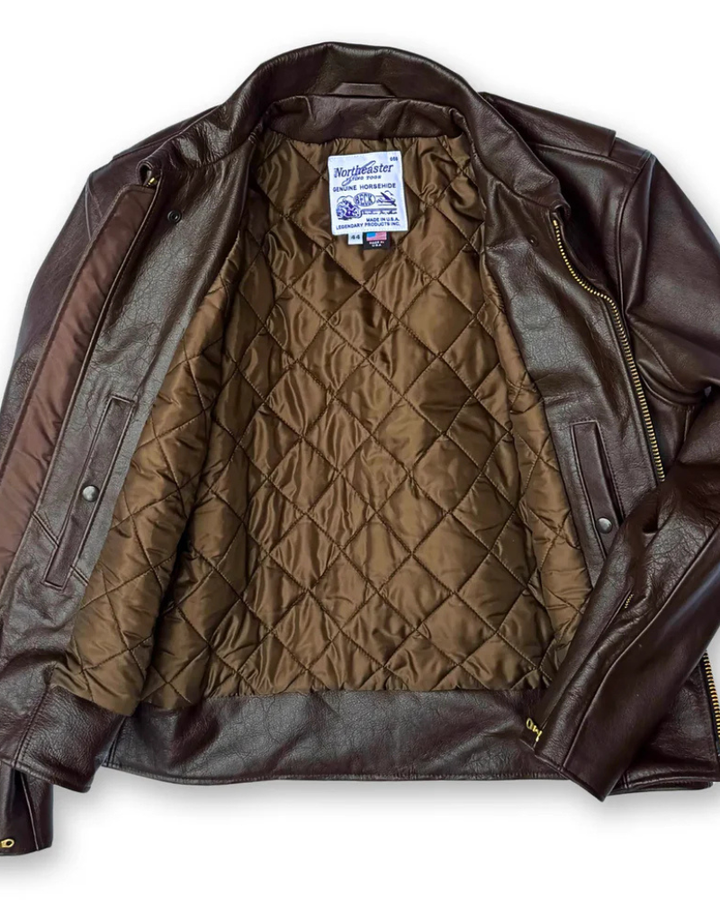
| BECK 566 Horsehide Vest, Black | Horsehide at heavyweight, from our own BECK house line (USPTO Reg. 3083433), so we can answer every question on this page about it down to the tannery. The one to buy if repairability over decades is the point. Rated 4.97 out of 5 across 65 reviews. | $440.00 |
None of these four carries a certification, because no such certification exists for this product. What they carry is a hide grade we will name, a weight we will quote, thread we will identify, a stitch count you can go count yourself, and a repair we will actually perform. That is the whole of what "verified quality" can honestly mean here. Prices shown are current at time of writing. Orders over $150 ship free.

What a vest cannot do, no matter what it is made of
An unarmored leather vest is not protective equipment. It has no impact protectors, it carries no CE certification, and it leaves your arms, shoulders and elbows bare. Heavy leather is better than a t-shirt across your back in a slide and that is the entire honest claim.
If you want certified protection, buy certified protection. The Bohn Airtex Mesh Armored Riding Shirt at $229.99 carries CE Level 2 protectors at the shoulders, elbows and back and wears under a vest. The Knox CE Approved Knee Armor Set is $15.99. The armor ready jackets take CE protectors in built-in pockets. Those are the products in our catalog with real certification behind them, and we will not attach that language to anything else.
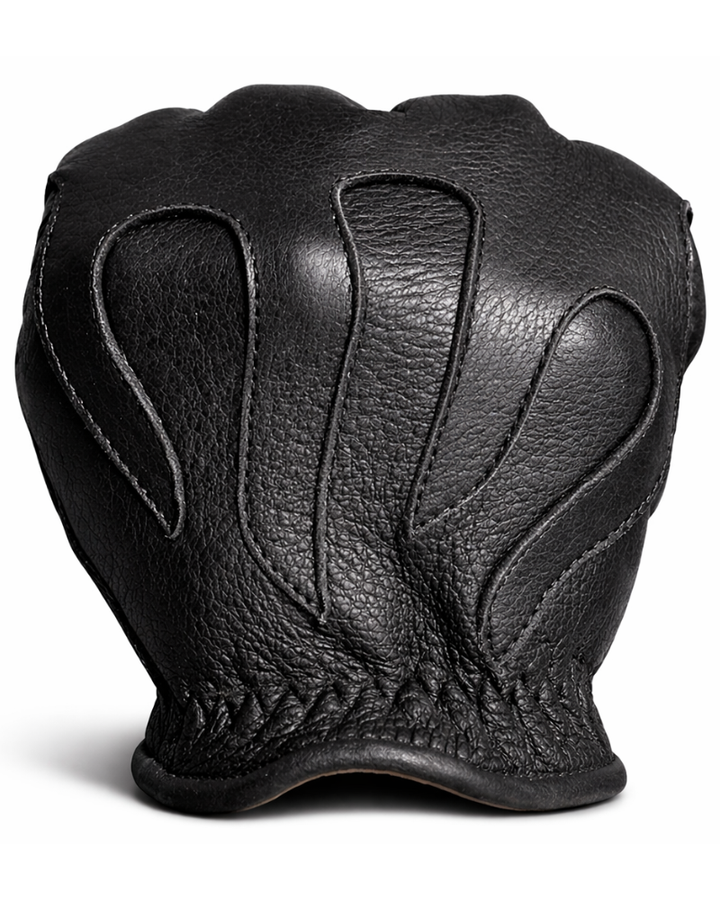
Browse the women's motorcycle vests or the made in USA gloves.
Join our Legendary VIP newsletter and save 15% OFF your first purchase: https://legendaryusa.com/pages/vip-text-club
Frequently Asked Questions (FAQ)
Is there a certification for leather motorcycle vests?
No. No certification body grades or certifies motorcycle leather vests. NFPA 1971 covers firefighter turnout gear, and EN 13595 and EN 17092 cover protective motorcycle clothing, which an unarmored vest cannot qualify for because it has no impact protectors and does not cover the limbs. Anyone claiming a vest is certified is either describing a different product category or describing nothing at all. Judge a vest on hide grade, leather weight in ounces, thread type, stitch count, hardware, country of origin and warranty instead.
What does "Made in USA" legally require on a leather vest?
Under the FTC's Made in USA Labeling Rule, an unqualified Made in USA claim requires that final assembly or processing occurs in the United States, that all significant processing occurs here, and that all or virtually all components are made and sourced here. A product that does not meet that standard is supposed to carry a qualified claim such as "Made in USA of imported leather." Ask the seller two direct questions: where was the vest cut and sewn, and where was the hide tanned.
What is a cut in motorcycle vest terms?
A cut is a sleeveless vest worn to display club or personal patches. The name comes from the original practice of cutting the sleeves off a denim or leather jacket. In club usage the word usually means a vest carrying club colors specifically. What makes a vest work as a cut is a one-piece back panel with no center seam, enough hide weight to carry patches without the shoulders sagging, and a plain front that does not fight with front patches.