




The difference between American-tanned leather and offshore-tanned leather is not obvious in a product photo or a description. It becomes apparent over time — in how leather ages, how it conditions, and where it fails or holds. This guide breaks down the specific process and material differences, and explains what those differences mean for motorcycle gear performance.
Step 1: Where the Hide Comes From
American tanneries generally work with hides sourced from domestic livestock operations. Deerskin from American deer. Horsehide from domestic operations. Cowhide from American cattle ranches. Domestic sourcing means the hide went from animal to tannery without a long transit period, without international cold storage, and without the quality degradation that can occur during extended transport of raw hides.
Offshore tanneries work with whatever hides are available at competitive prices in their regional market. For major offshore leather-producing regions, this means cowhide and buffalo hide sourced through commodity channels. Deerskin and horsehide are specialty hides — less common in offshore production and more variable in quality when they do appear. A product claiming to use offshore deerskin should be scrutinized, because the supply chain for that material is less standardized than domestic alternatives.
Step 2: The Tanning Process and Timeline
American tanneries that specialize in performance leather for gear applications use processes measured in weeks, not days. Vegetable tanning, which many domestic specialty tanneries use for premium hides, requires extended contact between the hide and plant-derived tanning agents. The longer the process, the more thoroughly the collagen structure of the hide is penetrated and stabilized.
Offshore production optimized for price often uses accelerated chrome tanning or combination processes that reduce the processing timeline significantly. The result is leather that is processed faster, which lowers cost, but produces hide that is less thoroughly penetrated by the tanning agent. That difference shows up in how the leather ages — chrome-tanned hides are less likely to develop character over time and more likely to fail at the surface when the thin tanning layer wears through.

Step 3: Finishing and Quality Control
After tanning, leather goes through finishing processes that affect surface feel, color consistency, and how the hide takes dyes and conditioners. American tanneries that work with established gear manufacturers tend to apply finishing standards that are consistent across batches — the workshop receiving the hide knows what it will feel like, how thick it will run, and how it will respond to stitching under different thread weights.
Offshore tanneries serving commodity markets don't have the same incentive to maintain batch-to-batch consistency, because their customers are ordering on price and can switch suppliers. The result is more variability in the finished hide — which translates to more variability in the finished gear. A glove cut from one batch may feel different from the next batch, not because the workshop changed anything, but because the tannery did.
What This Means for Your Gear
For riders who buy American-made leather motorcycle gear, these process differences produce practical outcomes:
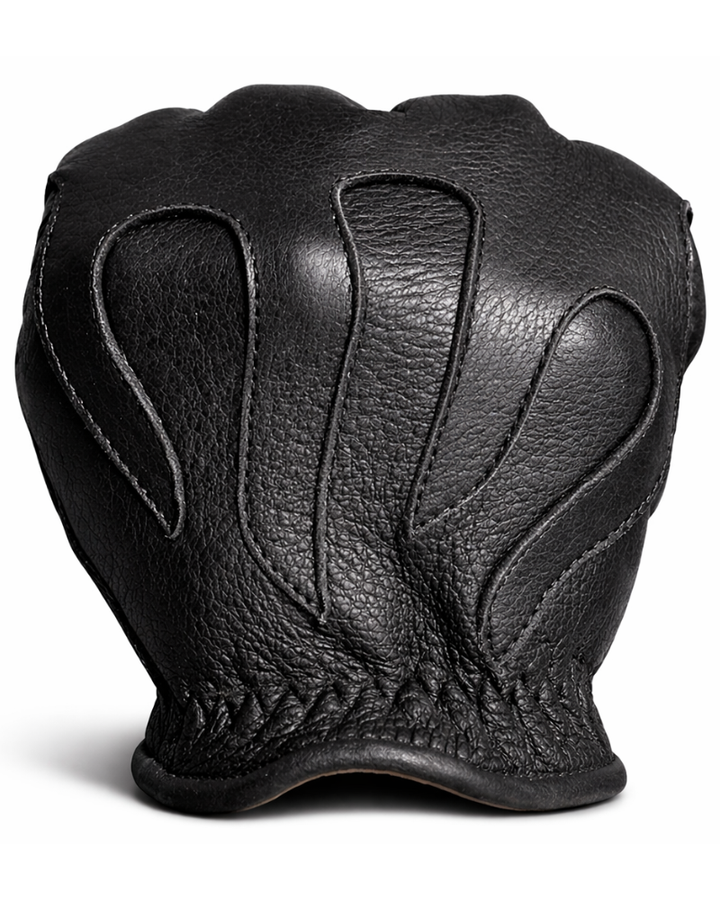
Deerskin gloves: The natural lanolin content preserved by domestic deerskin tanning means the Legendary USA deerskin gloves are soft from the first wear and stay supple with minimal conditioning. An offshore deerskin alternative may feel similar initially but lose its character faster as the surface tanning layer wears.
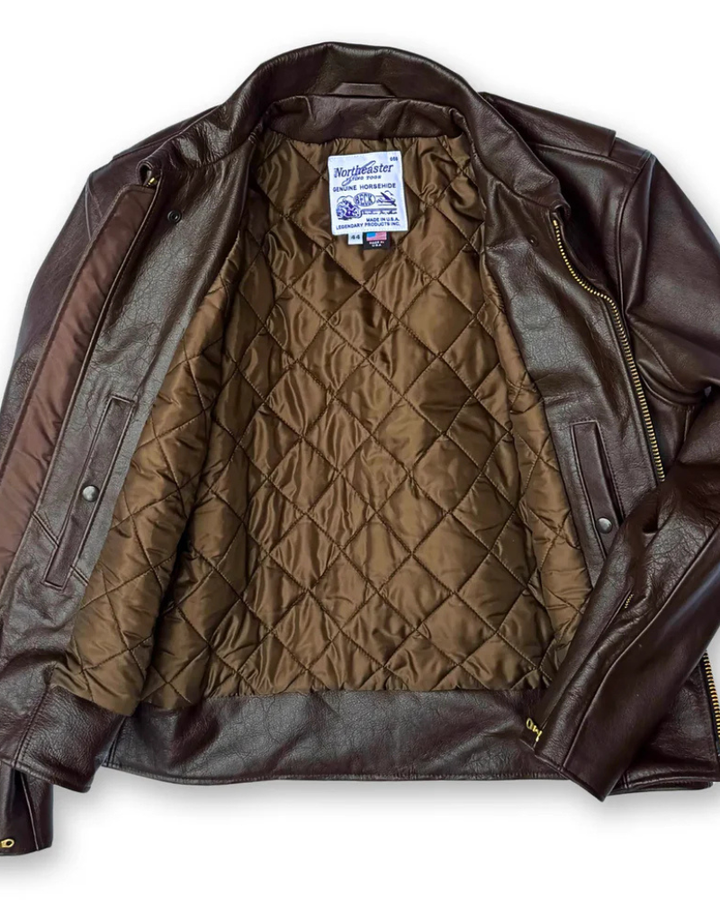
Horsehide jackets: The tight grain and density of American horsehide, produced through a controlled domestic tanning process, gives BECK horsehide jackets — like the BECK TM-732 Northeaster — a break-in character and long-term patina that offshore horsehide alternatives don't replicate reliably.

The Practical Summary
American tanning differs from offshore production in three ways that matter for motorcycle gear: better hide sourcing, more thorough tanning processes, and more consistent finishing. Each of these contributes to a finished product that performs more predictably, ages more characteristically, and lasts longer under regular riding conditions.
The American-made glove collection and the full Legendary USA gear lineup are built on this supply chain. For riders who want to understand what they're buying, the tannery is where it starts.
Frequently Asked Questions
Can I feel the difference between American-tanned and offshore-tanned leather?
Sometimes on day one, consistently after a year. The most reliable way to feel the difference is to condition each leather type and observe how it responds. American-tanned leather, particularly deerskin and horsehide processed through domestic specialty tanneries, absorbs conditioner evenly and develops a consistent patina. Offshore leather from accelerated tanning processes tends to absorb unevenly and develop surface inconsistencies more quickly under regular use.
Does tanning method affect how I should store leather gear?
Storage practices are consistent regardless of tanning method: clean before storing, condition lightly, store in a dry location away from direct heat or sunlight, and hang or fold in a way that doesn't crease stress points permanently. What changes is how the leather responds to neglect. Vegetable-tanned leather from domestic tanneries can tolerate more neglect over time before failing because the tanning penetration is deeper. Chrome-tanned offshore leather is more sensitive to dryness and requires more consistent conditioning to maintain its surface integrity.
Why is horsehide tanned differently than cowhide?
Horsehide has a denser grain structure than cowhide, which means tanning agents penetrate more slowly. Quality horsehide tanning requires extended processing time to fully stabilize the hide. Rushing the process produces horsehide that looks similar but doesn't have the same internal density or abrasion resistance. American tanneries that specialize in horsehide — the kind that supply BECK and similar domestic manufacturers — use processes that respect the longer timeline this material requires.