

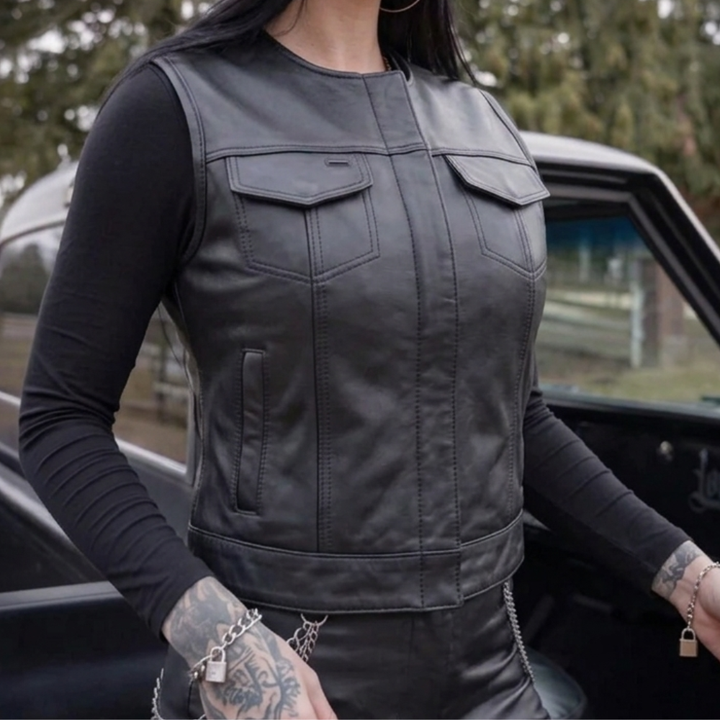


BECK Northeaster Flying Togs Horsehide Vest: A Deep Dive
Most motorcycle vests are an afterthought. A piece of cowhide stitched together in an offshore factory, given a vaguely rugged name, and sold on the promise that it looks like what a biker should wear. They're fine until they're not — until the zipper fails at sixty miles per hour or the leather cracks after two seasons of sun and sweat.
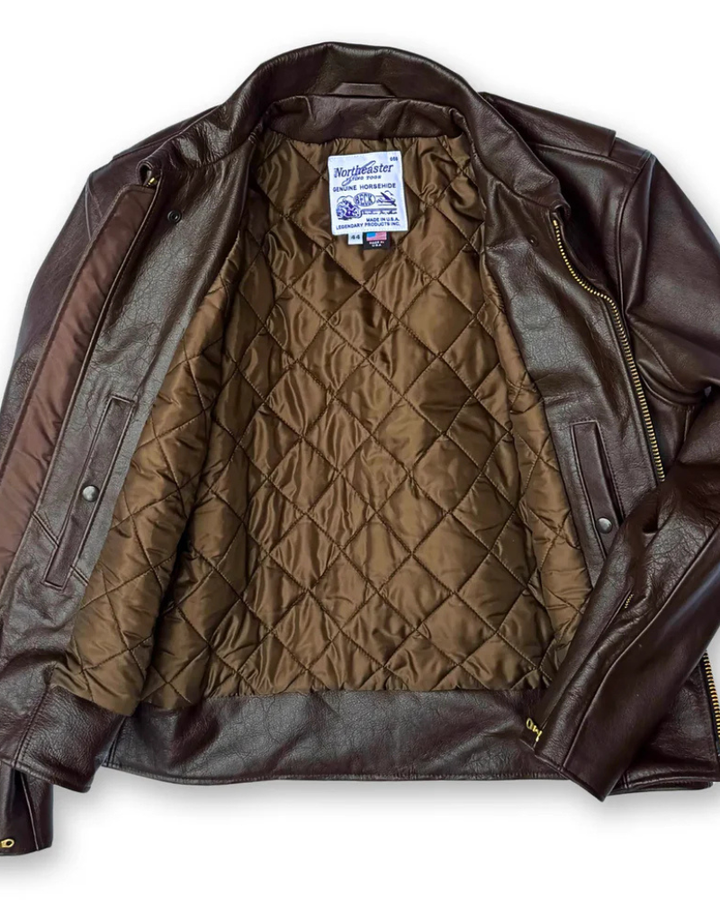
The BECK Northeaster Flying Togs horsehide vest is not that vest. BECK has been making American outerwear since 1928, and their approach to construction and material has more in common with vintage military outfitters than with modern fast-fashion motorcycle gear. If you're shopping for a vest that's built to genuinely last and develops character instead of just aging badly, this is the one to understand.
Quick Answer: The BECK Northeaster Flying Togs horsehide vest is made from genuine horsehide leather, which is denser and more abrasion-resistant than cowhide. It develops a rich patina over years of wear instead of simply wearing out. Available through Legendary USA, it's a serious piece of riding gear built to the same standards as BECK's legendary flight jackets — not a fashion accessory.
Why Horsehide? The Material Case
The choice of horsehide over cowhide isn't nostalgia — it's a practical decision with real consequences for how the vest performs and ages.
Horsehide is denser than cowhide. The fiber structure is tighter, which means the leather is less porous, more resistant to abrasion, and more resistant to moisture penetration. A horsehide vest sheds road spray better than a cowhide equivalent. It resists surface scuffs and scratches that would visibly mark softer leathers. In a slide, that density matters — horsehide holds together under friction in ways that cowhide doesn't.
The other key difference is how horsehide ages. Cowhide tends to either crack and dry out or soften and lose its structure over time. Horsehide develops a patina — a deepening of color and surface character that makes the leather look better at five years than it did at one. It's the same quality that made horsehide the material of choice for American aviators in the 1930s and 1940s. Those jackets are still around, still wearable, still beautiful. That's the material you're working with.
BECK sources their horsehide carefully, and the tanning is done to a specification that preserves the material's natural properties rather than stripping and re-engineering them. The result is leather with genuine character — not a uniform, processed surface but real material with natural variation that becomes more interesting over time.
Construction Details That Actually Matter
BECK's construction approach reflects their history making gear for aviators and working riders, not for runway shows. The Northeaster vest uses heavy-duty hardware throughout — zippers and snaps that operate correctly at temperature extremes and don't corrode after a few seasons of road exposure. This sounds basic. It isn't. Most motorcycle vests fail at their hardware before the leather gives out.
The stitching is double-stitched at stress points — armholes, pocket edges, front zipper attachment. These are the locations where vests typically fail first, and BECK reinforces them properly. The lining is functional, not decorative, chosen for durability over weight savings.
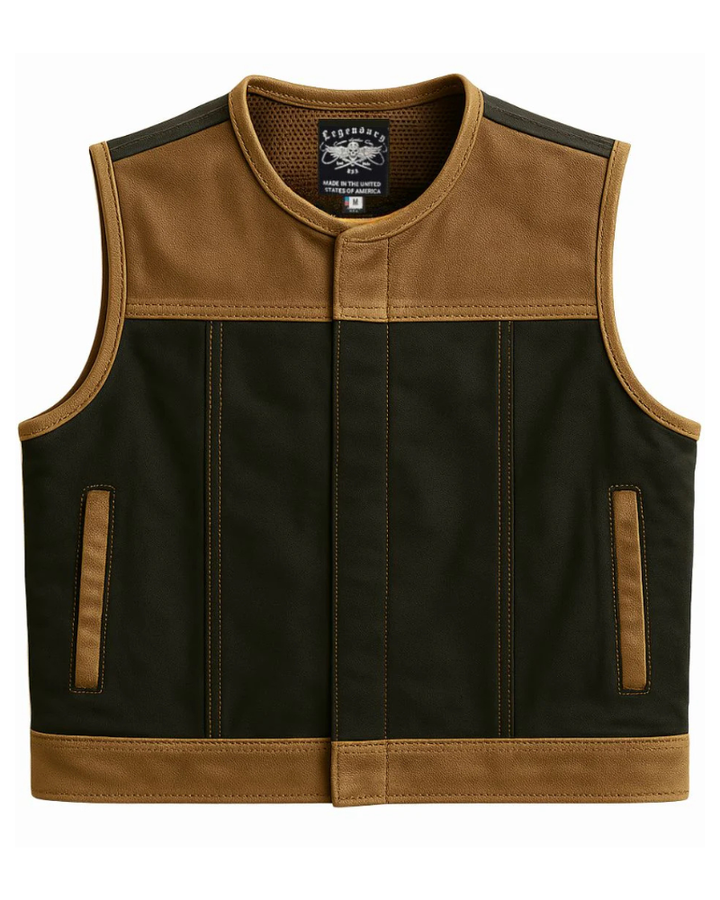
Panel construction follows traditional patterns rather than modern minimalist cutting. This means more material, more seams in better positions, and a silhouette that actually fits human beings who ride motorcycles rather than fashion models who don't. The Northeaster is cut to allow shoulder movement in a riding position — not a detail you'll see mentioned in most product listings, but one you'll notice immediately when you try to reach your handlebars in a poorly-cut vest.
How It Fits into a Riding Kit
The BECK Northeaster vest is genuinely versatile as a riding piece. In warmer months it works as a standalone layer over a shirt or base layer, providing wind protection on the torso and the added confidence of leather coverage without the heat of a full jacket. The armhole design gives enough freedom of movement that it doesn't restrict your riding position.
In cooler weather it layers cleanly under or over a jacket. BECK's proportions are cut for real-world layering, which means it doesn't pinch or bunch when you add a mid-layer underneath. Worn over a Cockpit USA A-2 or G-1 flight jacket — also available through Legendary USA — it creates a layered look that has genuine historical roots in working rider culture.
The pocket configuration is practical: deep pockets that can actually hold your phone and a wallet without constantly trying to escape, positioned where you can access them from a riding position without contortion. These details reflect the input of people who actually ride rather than people who design gear from a desk.
Caring for Your Horsehide Vest
Horsehide needs less maintenance than many leathers, but it rewards care. The key points: condition the leather once or twice a year with a quality leather conditioner — not petroleum-based products, which can degrade the tanning. Let wet horsehide dry naturally away from direct heat, which can cause the leather to stiffen or crack at the surface. Store it hanging rather than folded to prevent permanent crease lines.
The patina that develops on horsehide is a feature, not a flaw. Color variations, minor surface marks from normal use, and the gradual darkening of the leather are signs that the material is doing what it's supposed to do. Don't try to maintain a uniform, showroom appearance — that's fighting the material's nature. Let the vest develop its history.
Frequently Asked Questions
What makes BECK Northeaster Flying Togs vests different from regular motorcycle vests?
BECK Northeaster vests are made from genuine horsehide leather, which is denser and more abrasion-resistant than the cowhide used in most motorcycle vests. BECK has been making American outerwear since 1928 and their construction standards — double-stitched stress points, quality hardware, functional lining — reflect that history. The vest is built to last decades and develop character, not to be replaced every few seasons.
Is horsehide better than cowhide for a motorcycle vest?
For durability and long-term aging, horsehide is generally superior to cowhide. Horsehide is denser, more abrasion-resistant, and more moisture-resistant than cowhide. It develops a rich patina over years of wear rather than simply cracking or losing structure. The tradeoff is that horsehide is stiffer when new and requires more break-in time than softer cowhide products.
Where can I buy the BECK Northeaster Flying Togs horsehide vest?
The BECK Northeaster Flying Togs horsehide vest is available through Legendary USA at legendaryusa.com. Legendary USA is an authorized dealer for BECK Flying Togs products.
How do I care for a horsehide motorcycle vest?
Condition horsehide once or twice a year with a quality leather conditioner. Avoid petroleum-based products. Let wet horsehide dry naturally away from direct heat. Store hanging rather than folded. Don't try to prevent the natural patina from developing — the deepening color and surface character are features of quality horsehide, not damage.
Does the BECK horsehide vest work for cold weather riding?
The BECK Northeaster vest provides meaningful wind and cold protection on the torso and layers well under or over a jacket for cold-weather riding. For sustained cold-weather use it works best as part of a layered system — a base layer, the vest, and an outer jacket — rather than as a standalone cold-weather piece. The horsehide itself provides some insulation compared to textile alternatives.