

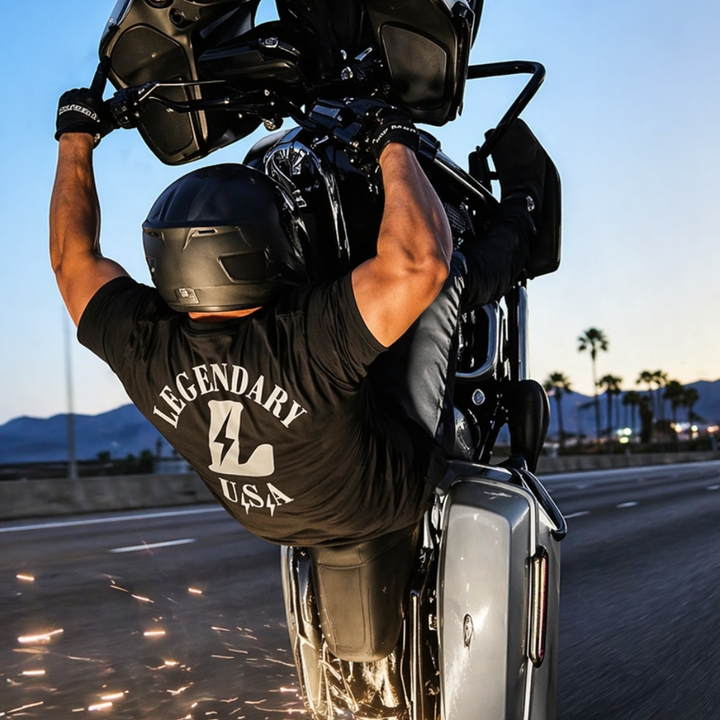


Summer riding creates a specific glove dilemma: the same hands that need protection in a fall are the ones that need airflow at 95 degrees. The wrong resolution to this dilemma is removing the gloves entirely. The right resolution is choosing a glove built for the conditions.
What "Summer Glove" Actually Means
A summer motorcycle glove is characterized by three things: short wrist profile (no excess leather to trap heat at the wrist), unlined or minimally lined construction (no fleece, no insulating layer), and either thin leather or ventilation perforations (or both) to allow heat to escape through the glove material.
The trade-off is deliberate. A summer glove sacrifices warmth — which isn't needed — to gain breathability. It keeps protection: the palm is still leather, the fit is still snug, the cuff still closes securely.
Why Deerskin Is the Summer Standard
Deerskin breathes better than cowhide because of its fiber structure. The same three-dimensional construction that makes deerskin flexible and conforming also allows air to move through the material more freely. This isn't a ventilation hole feature — it's the intrinsic character of the hide. An unlined deerskin glove worn in hot weather will feel noticeably more comfortable than an unlined cowhide glove of equivalent thickness.
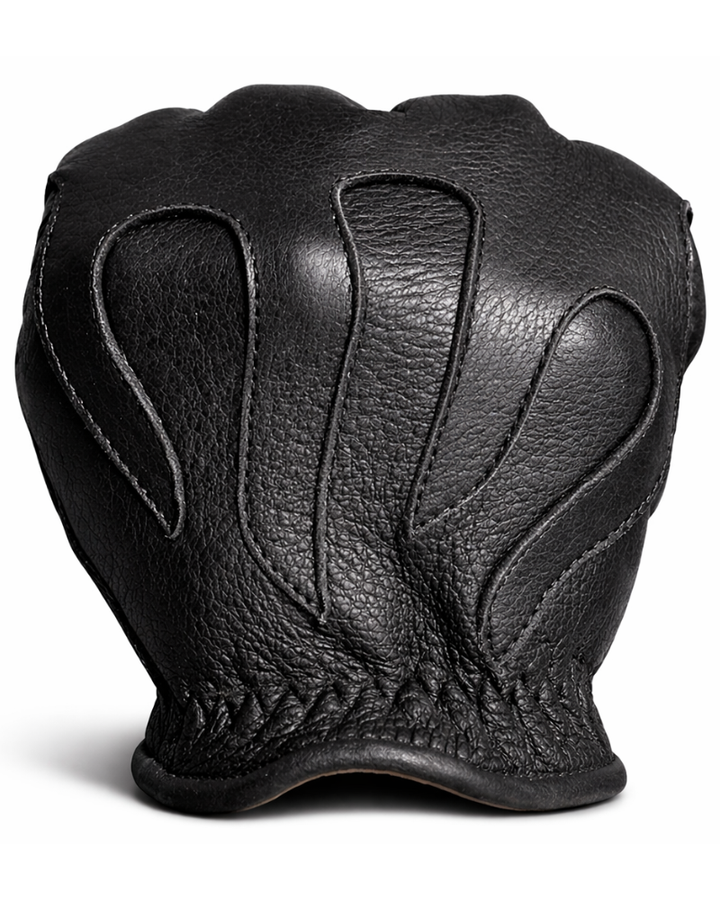
For summer riding specifically, the Legendary Deerskin Short Wrist Ventilated Touchscreen Gloves are purpose-built for heat: short-wrist profile, ventilation perforations, and touchscreen-compatible fingertips for navigation at stops. The Legendary Deerskin Short Wrist Touchscreen Gloves are the non-perforated version — still significantly cooler than cowhide alternatives, with the same deerskin breathability advantage.
Fingerless: The Summer Trade-Off
The Legendary Deerskin Fingerless Gloves are the maximum-ventilation option — open finger design means maximum airflow, and the deerskin palm provides meaningful protection in a low-speed slide. For riders who prioritize temperature over full hand coverage and understand the finger protection trade-off, fingerless is a legitimate summer choice.
The practical note: the difference in temperature between a well-ventilated full-finger glove and a fingerless glove is smaller than most riders expect. The fingers themselves don't generate much heat at speed because airflow over them is consistent. The palm and wrist area generates more heat from grip pressure. So a well-ventilated full-finger glove will be more comfortable than you might think, and provide substantially more protection.
What to Avoid in Summer
Avoid any lined glove in summer unless the liner is a thin moisture-wicking fabric rather than an insulating material. Avoid cowhide if deerskin is available — the breathability difference is real. Avoid full gauntlets unless you're doing extended highway riding in wind protection mode.
Our Summer Picks
Best for maximum ventilation with full coverage: Legendary Deerskin Short Wrist Ventilated Touchscreen Gloves. Best for open feel without sacrificing palm protection: Legendary Deerskin Fingerless Gloves. Browse the full motorcycle gloves collection for the complete lineup.
Frequently Asked Questions
What gloves are best for summer motorcycle riding?
Short-wrist deerskin gloves with ventilation perforations and no insulating lining are best for summer riding. The ideal combination is thin, unlined deerskin for breathability with enough palm thickness for protection.
Should you wear gloves in summer when riding motorcycles?
Yes. A fall in summer requires the same hand protection as a fall in winter. The solution is summer-specific gloves — short wrist, unlined, ventilated — that provide protection without causing heat buildup.
Are fingerless gloves OK for summer motorcycle riding?
Fingerless gloves are popular for summer riding because of maximum ventilation. They protect the palm but leave fingers unprotected. Full-finger ventilated deerskin gloves provide more complete protection with only marginally more heat.