



Cross-country mileage is the most honest gear reviewer in motorcycling. A jacket that looks great at the coffee shop gets no credit in Wyoming wind; a glove with one proud seam in the wrong place becomes unwearable by Ohio. Riders who cross the country regularly converge on remarkably similar equipment lists, because the road keeps grading the same exam. Here is what survives it — the essentials, chosen by the durability-over-fashion logic that distance enforces.
The Jacket: Dense Hide, Decade Horizon
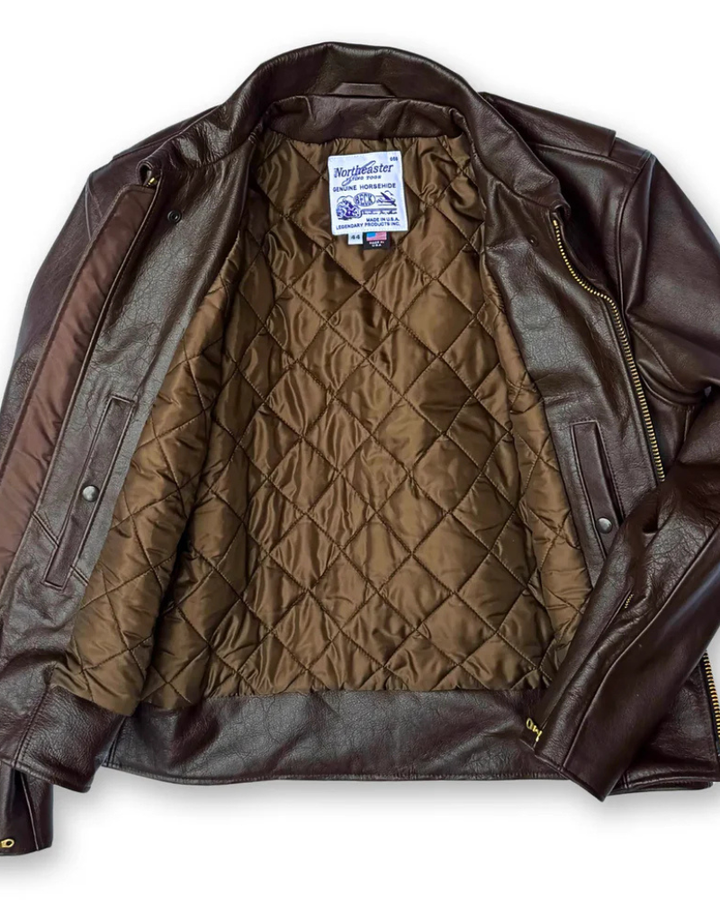
A cross-country jacket lives outside fourteen hours a day: sun, bugs, gravel spray, two or three weather systems per crossing. This is the use case horsehide was born for — the densest common riding hide, weather-shrugging and nearly immune to abrasion wear, with a break-in that conforms to one rider and then holds for decades. The BECK 732 Northeaster Flying Togs horsehide jacket is the lineup's distance flagship: American-made, built on patterns that predate the interstate system, and famously handed down rather than worn out.

The Gloves: Comfort That Survives Hour Ten
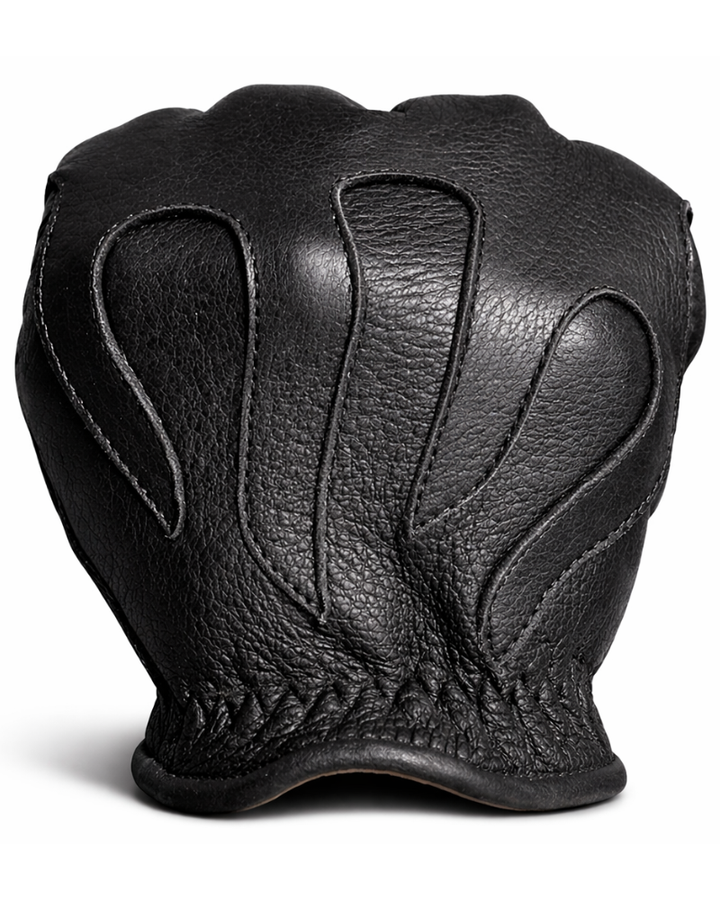
Distance gloves have one absolute requirement: nothing — no seam, no tag, no stiff panel — that touches you wrong, because a minor annoyance at mile 50 is a raw spot at mile 500. Deerskin owns this category on stretch and break-in: the hide molds to your grip and stops existing to your attention. A classic full-coverage cut handles the sun exposure of open-country days, and a flat-packed spare pair is standard practice among mileage riders. Both live in the USA-made glove collection.
The Vest: The Layer That Never Comes Off
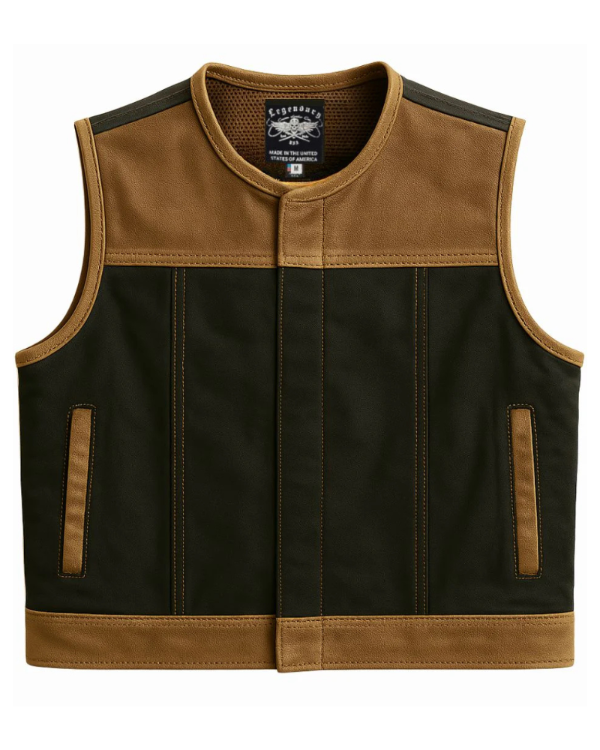
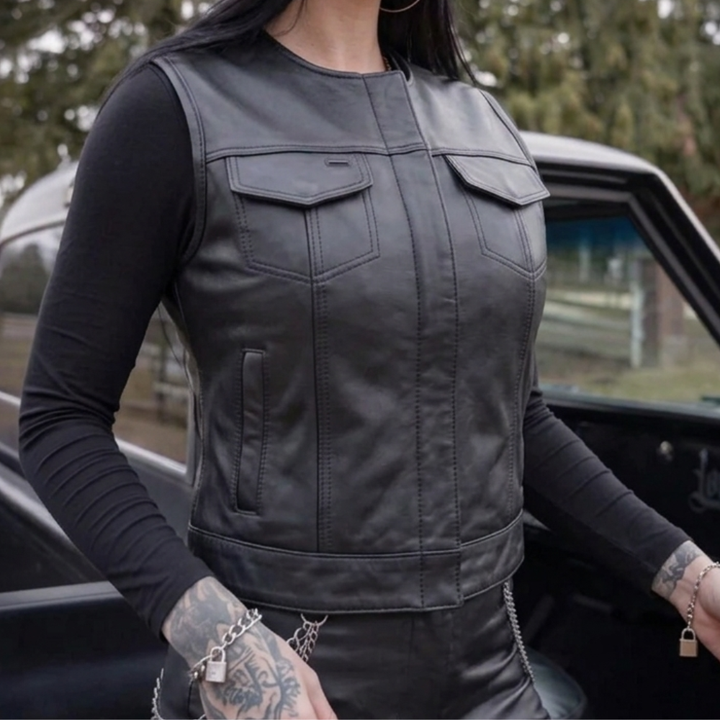
Between the base layer and the jacket sits the distance rider's thermostat. The vest stays on when the jacket opens at noon and seals warmth back in at dusk, and its pockets function as the cockpit office — earplugs, lip balm, gas card, phone — items you need at every stop without opening luggage. A quality leather vest from the vest collection does this job for decades.
The Supporting Cast
Wicking base layers on the wear-one-wash-one system. Real rain gear, packed at the top of the bag, never "probably won't need it." Earplugs by the handful — wind noise fatigue is cumulative and real. A fleece for the mountain dusk. Boots already broken in, never new for the trip. And sunscreen applied like a maintenance schedule, because open-country sun at speed burns through a forecast that says mild.
The Buying Logic
Notice what the list is not: it is not technical, modular, or seasonal. Distance gear converges on simple, dense, repairable natural materials with long horizons — the opposite of the fashion cycle. The arithmetic favors it too: a horsehide jacket amortized over twenty years of crossings costs less per mile than anything in the discount catalog. Buy once, break it in, and let the country do its worst. The full distance-grade lineup is in the gear collection — built for riders who measure ownership in odometers, not seasons.