

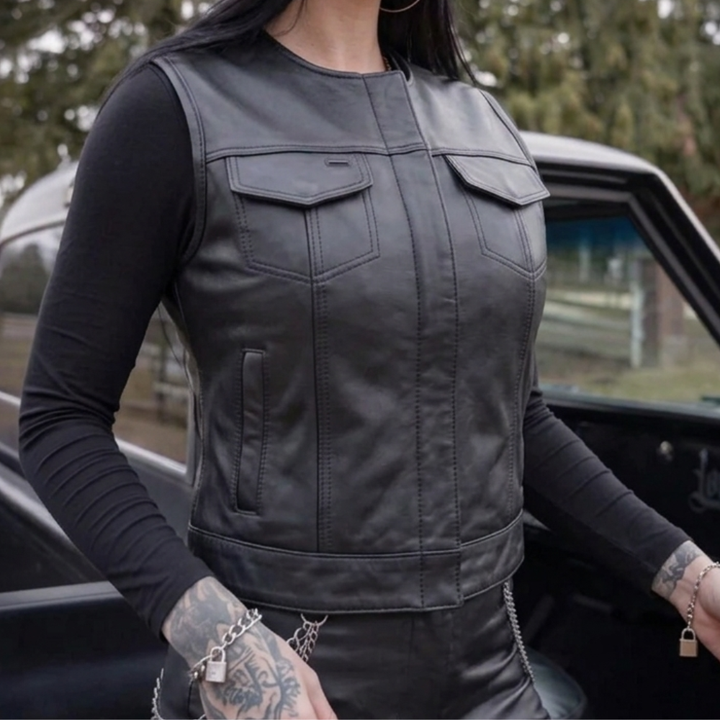


To block wind while riding, seal the openings where air gets in: the neck, wrists, waist, and jacket front. A windproof outer layer that closes fully, gauntlet gloves that cover the wrist gap, and a snug base layer do more than any single thick coat. Fit matters more than bulk, because loose gear lets wind pump straight through. Close the small gaps first and the miles get warmer and far less tiring.
Why wind is the real enemy on a ride

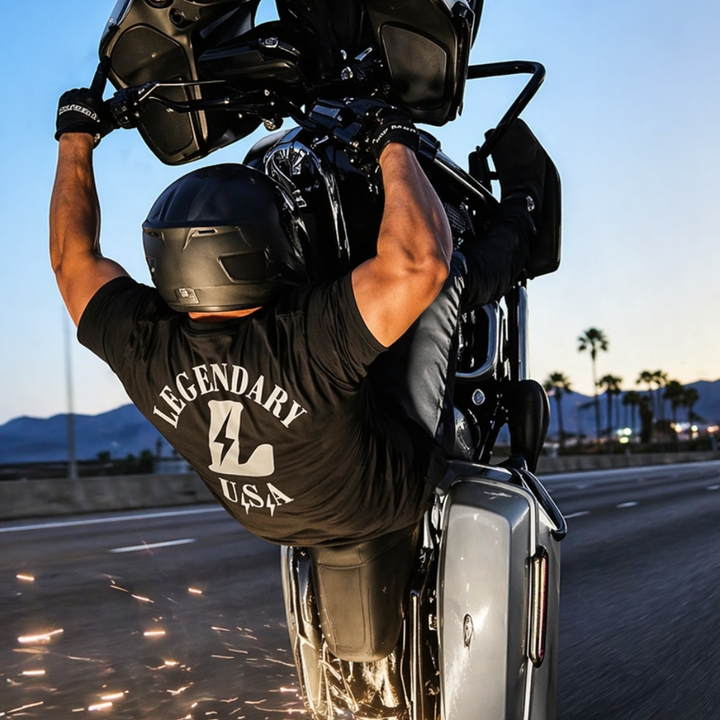
Wind, not just cold air, is what wears riders down. At speed, moving air strips heat off any exposed skin and pushes through every gap in your gear. That is wind chill, and it drains your core temperature fast. The result is stiff hands, tense shoulders, and the deep fatigue that hits after a long cold run. Block the wind and you fix most of that, even without adding much warmth.
The trick is knowing where wind actually gets in. On a motorcycle, air attacks four spots: the neck, the wrists, the waist, and the front of the jacket. Seal those four and you have solved the majority of the problem.
Seal the wrists first with gauntlet gloves
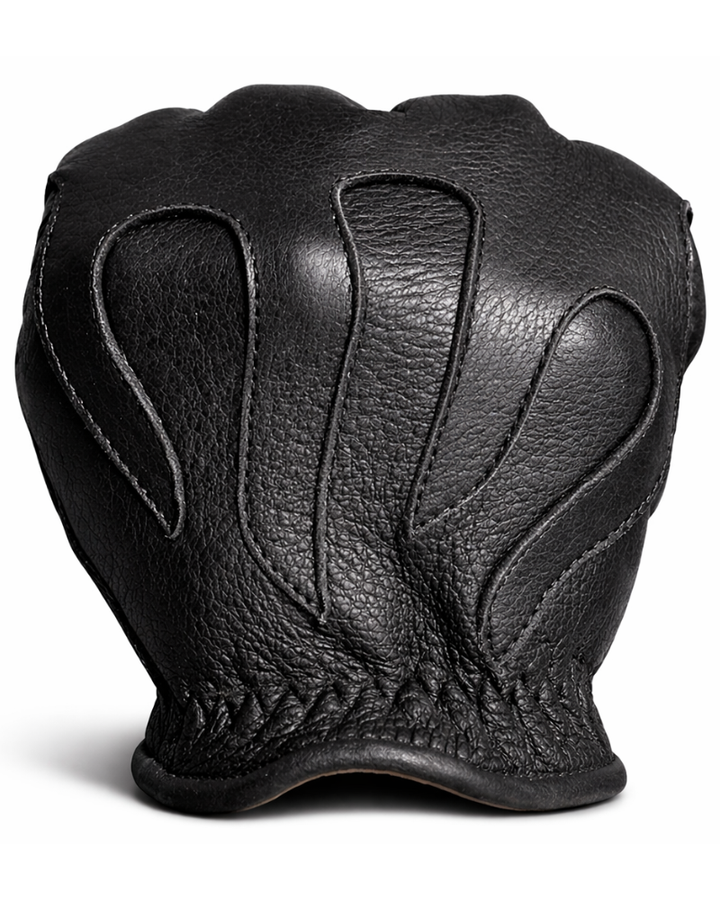
The wrist gap is the most overlooked wind leak on a motorcycle. Wind funnels straight up an open sleeve and chills your whole arm, so this small gap causes an outsized amount of cold. Gauntlet gloves fix it. The extended cuff layers over or under your jacket sleeve and closes the gap that short-wrist gloves leave open.
The classic American whitetail deerskin gauntlets are built for exactly this: full-grain deerskin with a long cuff that seals the wrist against draft. Short-wrist gloves breathe better in summer heat, which is a real advantage on hot days, but for wind and cold the gauntlet is the stronger tool. If you are weighing the two, our guide on gauntlet versus short-wrist gloves breaks down the tradeoff in detail.
Block wind at your core with a vest
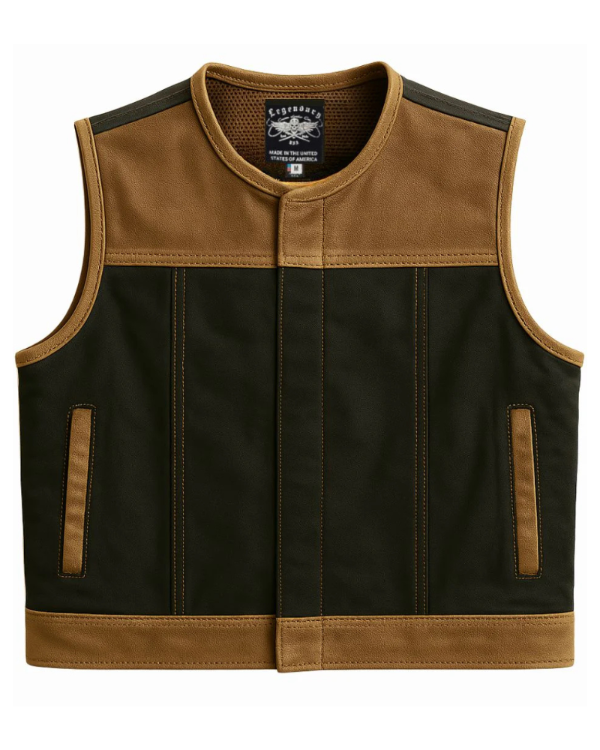
Your chest and back lose the most heat to wind, so a wind-blocking layer over the core pays off more than a thicker sleeve. A leather or denim vest adds that layer without cooking your arms. It stops air from cutting through your torso and traps a warm pocket underneath.
A zip-up vest blocks more wind than a snap-front because the closed zipper leaves no gaps, while snaps let a little air through by design. A lightweight option like the Black Jack lightweight vest layers cleanly under a jacket in shoulder season, adding core wind protection without much bulk. Browse more layering pieces in the all motorcycle gear collection.
Close the neck, waist, and jacket front
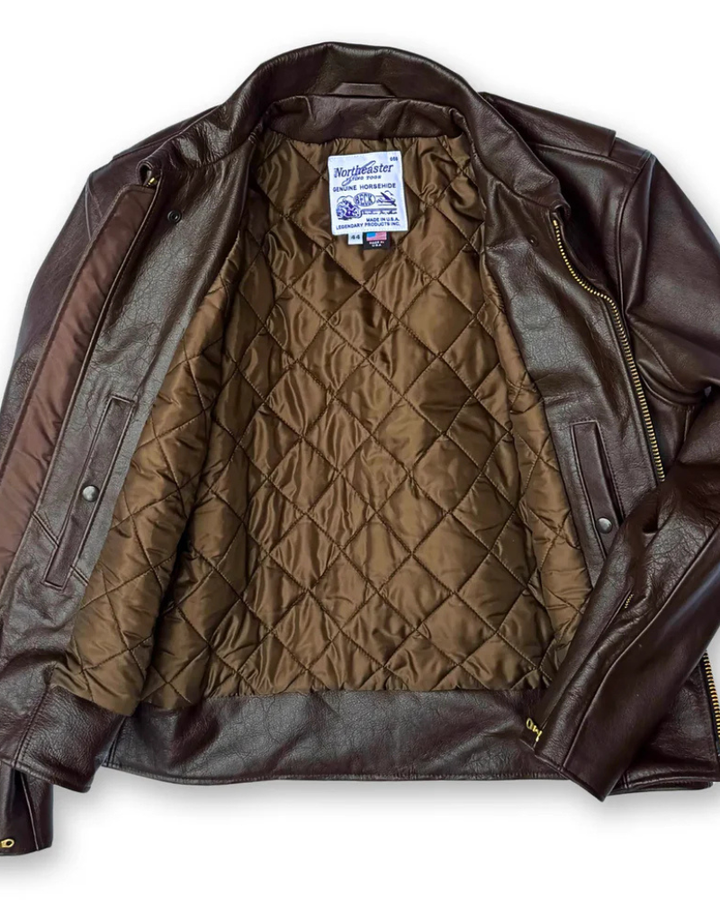
After the wrists and core, handle the last three leaks. Close your collar so wind cannot pour down your chest, since an open neck undoes a lot of your other work. Tuck your base layer into your pants so air cannot lift the hem and balloon your jacket. And close the jacket front fully; a half-zipped shell flaps and pumps cold air with every gust.
Fit ties all of this together. Loose gear billows and pumps air through, so a snug, sealed layer beats a bulky, gappy one every time. Choose a base layer that is fitted and wicking, not loose cotton, and let your windproof outer shell do the sealing.
Balancing wind protection and summer heat
Blocking wind does not mean overheating. In summer, seal only where wind causes fatigue, mainly the neck and core, and leave the arms venting through perforated or short-wrist gloves. On a cool morning start, close everything up, then open your vents as the day warms. Matching your seal to the temperature keeps you comfortable in both directions. For a full-season approach, our guide on how to layer for summer riding without overheating covers when to seal and when to vent.
Putting it all together
Blocking wind is about gaps, not thickness. Seal the wrists with gauntlet gloves, cover your core with a vest, close the neck and jacket front, and tuck your base layer at the waist. Do those four things and you will ride warmer, steadier, and far less tired, whether you are chasing a cool sunrise or holding highway speed into the evening.
Frequently Asked Questions
- How do I block wind while riding a motorcycle?
- To block wind while riding, seal your gear at the openings where air gets in: the neck, wrists, waist, and jacket front. Wear a windproof outer layer that closes fully, add gauntlet gloves that cover the wrist gap, tuck a base layer into your pants, and close your collar. A snug fit matters more than thickness, because loose gear lets air pump through. Legendary USA riders block wind at the cuffs and neck first, since those small gaps cause the most chill.
- Do gauntlet gloves block wind better than short-wrist gloves?
- Yes. Gauntlet gloves block wind better than short-wrist gloves because the extended cuff covers the gap between your glove and jacket sleeve. That wrist gap is one of the biggest sources of cold-air intrusion on a motorcycle, since wind funnels straight up the sleeve. A gauntlet seals over or under the jacket cuff and stops the draft. Short-wrist gloves breathe better in heat, but for wind and cold, the gauntlet is the stronger choice.
- Does a leather vest help block wind?
- A leather or denim vest adds a wind-blocking layer over your core, which is where wind chill drains the most heat. It will not seal your arms, but it stops air from cutting through your chest and back, and it traps a warm layer underneath. A zip-up vest blocks more wind than a snap-front because the closed zipper leaves no gaps. Many riders add a vest under a jacket in shoulder season for exactly this reason.
- Why does wind make riding so tiring?
- Wind makes riding tiring because your body burns energy staying warm and your muscles tense against buffeting. Cold air pulling heat from exposed skin causes fatigue, stiff hands, and slower reactions. Buffeting from an unsealed jacket or open collar adds constant physical strain over the miles. Blocking wind at the neck, wrists, and core keeps your core temperature stable, which is why sealed gear leaves you far less worn out at the end of a long ride.
- What is the best base layer to block wind on a motorcycle?
- The best base layer for wind is a snug, moisture-wicking shirt worn under a windproof outer layer. The base layer itself does not block wind; it manages sweat and traps warmth once your outer shell seals the air out. Avoid loose cotton, which holds moisture and chills you. Pair a fitted base layer with a fully closing jacket or vest and gauntlet gloves, and the layered system blocks wind far better than any single thick piece.
- How do I stop wind from going up my jacket sleeves?
- Stop wind from going up your sleeves by closing the wrist gap with gauntlet gloves or a jacket cuff that cinches tight. Wind funnels up an open sleeve and chills your whole arm, so this gap matters more than most riders think. Gauntlet gloves layer over or under the cuff to seal it. If you ride short-wrist gloves, choose a jacket with an adjustable, snug cuff and close it fully before you head out.
- Can you block wind and still stay cool in summer?
- Yes, but it is a balance. In summer you want airflow, not a full seal, so block wind only where it causes fatigue, mainly the chest and neck, while leaving vents open at the arms. Perforated or short-wrist gloves keep hands cool while a light vest steadies your core. On cool morning starts, seal up fully, then open vents as the day warms. Matching your seal to the temperature keeps you comfortable both directions.