

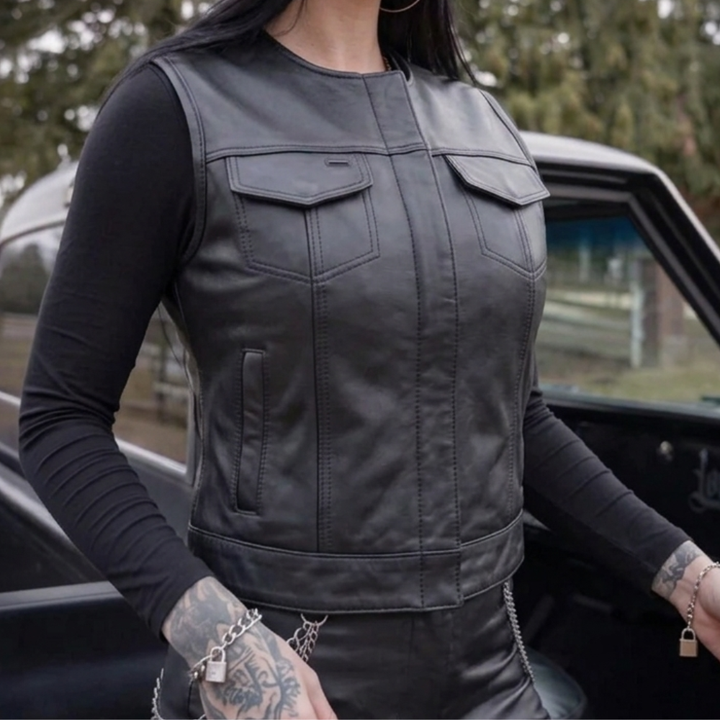


Motorcycle Vests by Rider Type: A Buying Guide
The right motorcycle vest comes down to what you ride, how far you ride, and what you plan to put on it. Leather motorcycle vests suit patch carriers and cool-weather riders. Denim vests suit daily riders who want something washable. Lightweight vests suit hot-weather and high-mileage riders who need airflow more than they need heavy hide. Legendary USA stocks all three, and choosing by rider type gets you to the right vest faster than shopping by price.
This guide sorts vests the way riders actually use them, explains the construction details that matter, and is honest about where each material falls short.
Start With How You Ride, Not What Looks Good
Most vest returns come from one mistake: the rider bought for the photo instead of the ride. A heavy cowhide vest looks right in the parking lot and feels wrong at 95 degrees in Texas. A lightweight vest is comfortable in August and thin in October.
Answer three questions before you shop. First, will you carry patches, and how big? Second, what is the temperature range you ride in most? Third, will you wear the vest over a jacket, over a shirt, or both? Those three answers narrow the field to one or two vests in the Men's Made in USA motorcycle vests collection.
The Club-Style Rider: Leather Vests Built for Patches

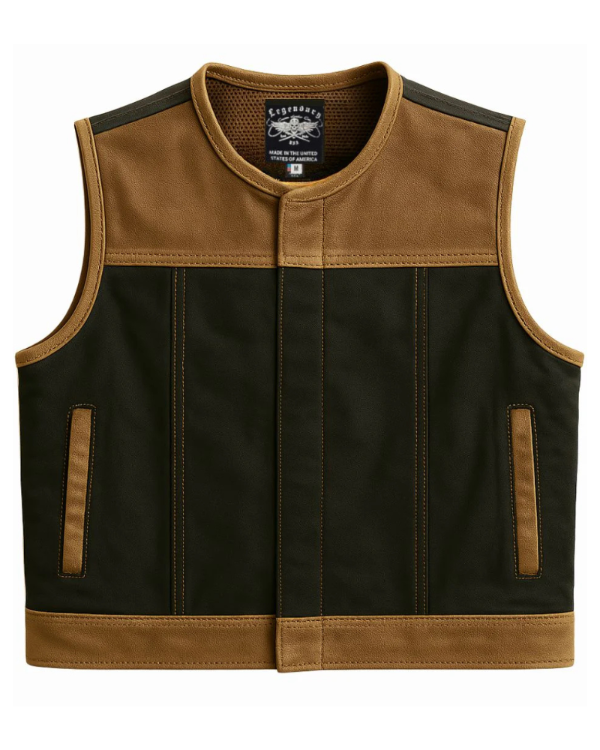
If you run patches, the back panel decides the vest. A one-piece back panel has no center seam, which means a large back patch sits flat and stitches cleanly across the whole panel. A two-piece back with a center seam forces a patch over a ridge, and it shows.
Club-style leather vests also tend to use hidden snaps so the front stays clean, and leather-bound armholes so the edge does not stretch out over years of pulling the vest on over a jacket. Some run concealed-carry pockets on the inside panels; check your state law before you count on that feature.
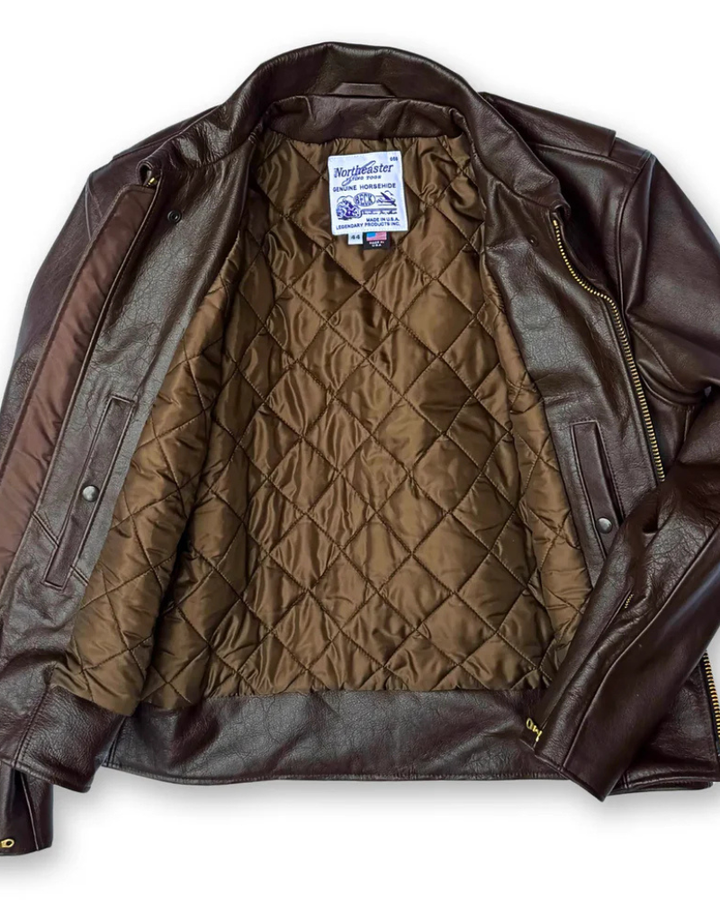
The tradeoff with leather is weight and heat. A full-grain cowhide vest is warm in a way you will notice at a stoplight in July. That is the same reason it is the right call in October. If you are new to patch work, read our guide on how to layer under a motorcycle vest before you commit to a size.
The Daily Rider: Denim Vests You Can Wash
Denim vests solve a problem leather does not. You can throw them in the washing machine. For riders who commute, work on the bike, and wear the same vest four days a week, that matters more than hide quality.
The Legendary Revolution black denim vest is the straightforward pick for riders who want a dark vest that carries patches and disappears into everyday wear. The Ole Blue denim vest is the same idea in classic blue denim, which fades with use the way a good pair of jeans does.
Be honest about the limits. Denim does not block wind like leather. It wears at the shoulders and the front edges faster. And a denim vest will never develop the patina that makes a twenty-year-old leather vest worth keeping. What it does well is cost less, breathe better, and stay easy to clean. For more on that, see denim motorcycle vests and what makes one worth wearing.
The Hot-Weather and Long-Distance Rider: Lightweight Vests
Riders putting down 400-mile days in summer heat often want a vest that carries patches and pockets without adding a layer of insulation. That is where a lightweight vest earns its place.
The Black Jack lightweight Cordura vest is built for exactly that rider. It is not leather and does not pretend to be. It is lighter, it breathes, and it packs down small enough to stow in a saddlebag when the afternoon turns hot. Riders who want the vest silhouette without the summer heat load choose this one.
The tradeoff is simple. You give up the wind blocking and the long-term durability of hide. A Cordura vest is a tool, not an heirloom.
Leather vs. Denim vs. Lightweight: A Direct Comparison
| Factor | Leather | Denim | Lightweight Cordura |
|---|---|---|---|
| Wind blocking | Best | Moderate | Moderate |
| Hot-weather comfort | Weakest | Good | Best |
| Patch platform | Best, holds a patch flat | Good | Good |
| Cleaning | Wipe and condition | Machine washable | Easy care |
| Expected service life | Decades with care | Years | Years |
| Best for | Club riders, fall and spring | Daily riders, commuters | Summer touring, high mileage |
Vest Fit: Check It Seated, Not Standing
A vest that fits standing in front of a mirror can bind the moment you reach for the bars. Sit on the bike, put your hands where they live, and check three things.
The front should close without pulling across the chest. The armholes should clear your shoulders with no pinch when your arms come forward. The hem should sit at or just below the belt line so wind does not lift it. If you ride in fall and plan to add a flannel or hoodie, size for that layer now. Sizing down and hoping leather stretches is the most common vest mistake we see.
Common Mistakes When Buying a Motorcycle Vest
Buying a two-piece back when you plan to run a large back patch. Sizing for a t-shirt when you ride in a jacket eight months a year. Choosing heavy cowhide for a rider who lives in Phoenix. Assuming a vest provides impact protection, which it does not. And buying on price alone when the vest you actually want is fifty dollars more and will still be in the closet in fifteen years.
The National Highway Traffic Safety Administration publishes general motorcycle safety and rider gear information at nhtsa.gov.
Frequently Asked Questions
- What kind of motorcycle vest should I buy?
- Buy the vest that matches how you ride. Leather motorcycle vests suit riders who carry patches, ride in cooler weather, and want a vest that lasts decades. Denim vests suit daily riders who want something washable and easy to live with. Lightweight vests suit hot-weather and long-distance riders who need airflow more than they need heavy hide. Start with your riding conditions and your patch plans, then pick the material. Fit and pocket layout matter more than color.
- Are leather or denim motorcycle vests better?
- Neither is better across the board. Leather is heavier, blocks more wind, holds a patch flat, and ages into a piece you keep for years. Denim is lighter, cooler in summer, cheaper to replace, and machine washable, but it wears through faster at the shoulders and does not stop wind the way leather does. Riders in cool climates and club riders usually choose leather. Riders in hot climates and daily commuters often choose denim.
- How should a motorcycle vest fit?
- A motorcycle vest should close comfortably over the layer you normally ride in, with no pulling across the chest and no gap at the armholes. Check the fit seated in the riding position, arms forward on the bars, not standing in front of a mirror. The hem should sit at or just below your belt line so it does not ride up. If you plan to layer a hoodie or flannel underneath in fall, size for that layer, not for a t-shirt.
- Can you wear a motorcycle vest over a jacket?
- Yes. Wearing a vest over a leather or textile jacket is common, especially for club riders who need their patches visible at all times. It requires sizing up, usually one to two sizes over your normal vest size, so the armholes clear the jacket sleeves and the front closes without strain. If you plan to wear the vest both ways, over a jacket and over a shirt, buy for the jacket fit and accept a looser fit on warm days.
- Do motorcycle vests offer protection?
- A leather motorcycle vest adds an abrasion layer over your torso and blocks wind, but a vest is not armor and leaves your arms uncovered. Legendary USA does not market vests as protective equipment. Think of a vest as wind protection, a patch platform, and a layer you can add or drop as the temperature moves. If impact protection is your priority, a full jacket with armor pockets is the right category, not a vest.
- What is a club-style motorcycle vest?
- A club-style vest is built to carry patches. It typically has a one-piece back panel with no center seam, so a large back patch sits flat and can be sewn without crossing a seam. Club-style vests often use hidden snaps or a plain front so nothing competes with front patches, and many use leather-bound armholes for a clean edge. If you plan to run a back patch, the one-piece back panel is the feature to look for first.
- Are Made in USA motorcycle vests worth it?
- For riders who keep gear a long time, yes. American-made vests are generally cut from heavier hide, stitched with more consistent thread tension, and finished with hardware that holds up to repeated snapping. They cost more up front. The tradeoff is real: an imported vest may be half the price and still work fine for occasional riding. Legendary USA has sold American-made riding gear since 2001, and the vests that come back for patch work are usually a decade old or more.
The Bottom Line
Pick the vest that matches your miles. Club riders and cool-weather riders should start with leather and a one-piece back panel. Daily riders and commuters are usually better served by denim. Riders logging long summer days should look hard at a lightweight vest before they carry hide they will want to shed by noon. Whichever direction you go, size it seated on the bike and size it for the layer you actually wear. Browse the full Legendary USA motorcycle gear lineup when you are ready to compare.