



The best touring motorcycle gloves are soft, full-grain deerskin pairs that fit snug on day one and break in to a custom fit within two to three weeks of regular riding. For long days in the saddle you want low hand fatigue, honest grip feel, and a plan for changing weather. This guide covers leather choice, fit, ventilation, lining, and gauntlet-versus-short-wrist so you can build a glove setup that carries you comfortably from the first fuel stop to the last.
Touring is its own kind of riding. A commuter puts on gloves for twenty minutes. A tour rider wears them for eight, ten, twelve hours across shifting temperatures and long highway stretches. That changes what matters. Comfort and consistency beat everything else, because a glove that feels fine for an hour can wear on your hands by the afternoon.
Why Deerskin Is the Touring Rider's Leather

Deerskin is the leather most touring riders reach for, and the reason is simple: it stays soft. Where heavier cowhide and horsehide start stiff and demand a long break-in, deerskin is supple from the start and only gets better. That softness translates directly into less hand fatigue over big miles, because the glove flexes with your hand instead of fighting it.
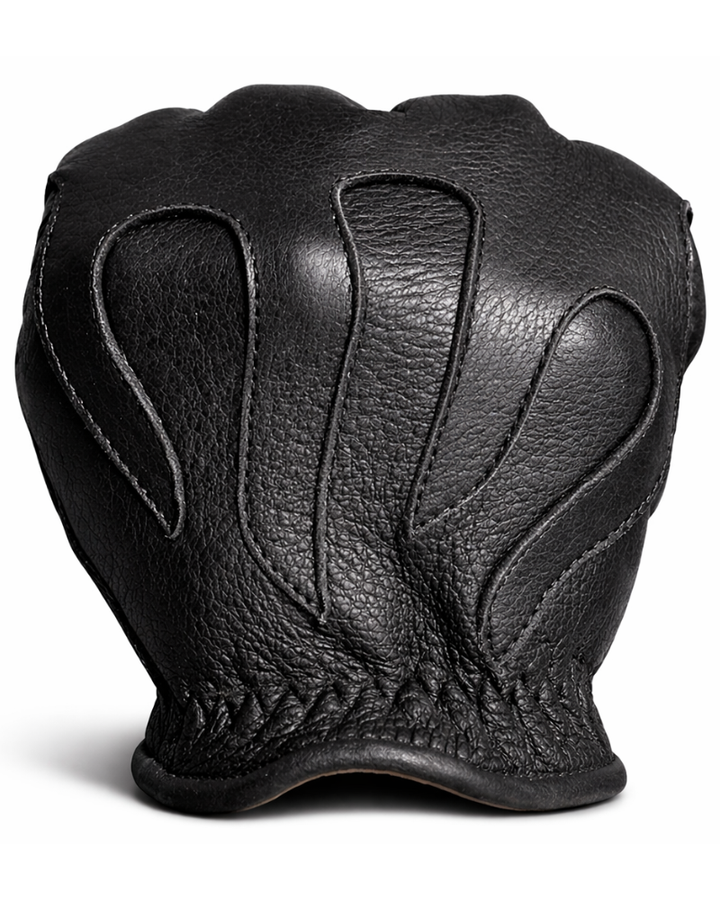
Legendary USA hand-cuts each deerskin glove from full-grain American whitetail hides. Full-grain leather keeps the natural surface of the hide intact, which is what gives deerskin its combination of softness and durability. The tradeoff is honest: deerskin is comfort leather, not hard armor. It will not replace a full riding kit, and it is not built to be abrasion-proof plate. What it does better than almost anything is keep your hands comfortable and connected to the bike hour after hour.
Compared to goatskin, deerskin is softer and more forgiving, while goatskin runs a touch more structured and hard-wearing. Both are excellent riding leathers. For pure long-haul comfort, deerskin has the edge, which is why it anchors most touring glove setups.
Gauntlet vs. Short-Wrist for Long Days
The gauntlet-versus-short-wrist question comes down to weather and convenience. Gauntlet gloves extend up over the wrist and lower forearm, sealing the gap where wind and rain sneak in at highway speed. On a cold morning or a wet mountain pass, that coverage is genuinely welcome, and it makes the Classic American Whitetail Deerskin Gauntlets a smart pick for long, exposed touring days.
Short-wrist gloves stop at the wrist. They are faster to pull on and off at every stop, they breathe better when the temperature climbs, and they layer easily under a jacket cuff. The tradeoff is less wind and rain protection at the forearm. Plenty of touring riders solve this by carrying both: gauntlets for the cold and wet legs of a trip, short-wrist for the warm afternoons. Neither style is safer than the other. The decision is about the conditions you expect to meet.
Ventilation and Lining: Matching the Glove to the Weather
A single glove rarely covers an entire tour, because touring means riding through temperature swings. The answer is matching the glove to the weather rather than hunting for one pair that does everything.
For heat, a ventilated or perforated deerskin glove moves air across the back of your hand and keeps sweat down. The Deerskin Short Wrist Ventilated Gloves are built for exactly this: airflow on hot afternoons without giving up the soft deerskin feel. Perforated gloves are not winter gloves, though, so plan around that.
For cold mornings and high-elevation stretches, a fleece-lined deerskin glove adds warmth while keeping the flexibility that fights fatigue. The Deerskin Fleece-Lined Short Wrist Gloves handle the chilly first hour of a ride and the cool descents. Fleece-lined gloves run warmer and can feel snugger than unlined pairs, so account for that when sizing.
If your touring relies on phone navigation, an aramid-lined touchscreen deerskin glove lets you check a route without stripping a glove off at every junction. Browse the full Made in USA motorcycle gloves collection to build a two- or three-glove rotation that covers your whole trip.
Fit Is What Makes or Breaks a Touring Glove
A touring glove lives or dies on fit. Too tight and your fingertips go numb by mid-morning; too loose and grip feel turns sloppy while the leather bunches. Aim for snug across the palm and knuckles, with your fingertips reaching the end of each finger without jamming into the seam.
Leather gloves, deerskin most of all, relax and mold as they break in, so a glove that feels close on day one settles into a custom fit within a couple of weeks. That is why sizing for a snug start beats sizing loose. Break your gloves in before a long trip rather than on it, and read our full guide to sizing motorcycle gloves before you order.
Vibration and Hand Numbness on Long Rides
Ask any rider who has put in a 500 mile day: the first thing to complain is usually your hands. Handlebar vibration and a locked-in grip slowly wear on the palms and fingers, and by the last fuel stop your hands can feel buzzy, tingly, or numb. It is one of the most common gripes in long-distance riding, and most of the fix is technique and fit rather than any single piece of gear.
Start with grip pressure. Most riders squeeze the bars far harder than the bike needs, especially on the highway, and that constant clamp is what wears the hand out. Ride with the lightest grip that keeps you in control, and change your hand position regularly: rotate your wrist angle, shift where your palm sits on the grip, and shake a hand out when it is safe to do so. Regular stops to stretch your hands pay for themselves over a long day.
Gloves matter next. A glove that fits snug without squeezing keeps blood flowing to your fingertips, while a too-tight glove works against you all day. Soft, full-grain deerskin also has a natural give that takes some of the edge off high-frequency buzz while keeping honest bar feel, which is part of why it has been the touring leather of choice for so long. Thicker leather is not automatically better here: fit does more for your hands than sheer thickness.
The rest of the fix lives on the bike. Heavier bar ends, fresh grips, and keeping the engine and wheels in tune all cut the vibration reaching your hands in the first place. If numbness shows up on every ride no matter what you change, get it looked at instead of riding through it.
Frequently Asked Questions
- What are the best gloves for long-distance touring?
- The best touring gloves are full-grain American deerskin gloves that fit snug on day one and mold to your hand over the first few weeks. Deerskin stays soft and flexible, which cuts hand fatigue on long days. For all-day comfort in changing weather, riders pair a ventilated short-wrist deerskin glove for heat with a fleece-lined pair for cold mornings. Legendary USA cuts both from full-grain American deerskin so grip feel stays consistent mile after mile.
- Should touring gloves be gauntlet or short-wrist?
- Gauntlet gloves cover the wrist and lower forearm, sealing out wind and rain at highway speed, which makes them a strong choice for long touring days and cold conditions. Short-wrist gloves are easier to pull on and off at every fuel stop and breathe better in heat. Many touring riders keep both: gauntlets for cold and wet legs of the trip, short-wrist for warm afternoons. Neither is safer than the other; the choice is about weather and convenience.
- Are deerskin gloves good for touring?
- Yes. Deerskin is one of the best leathers for touring because it stays soft, flexible, and comfortable across long hours without the stiff break-in of heavier hides. That flexibility reduces hand fatigue and helps preserve grip feel on the bars. Deerskin is not hard armor and does not replace a full riding kit, but for comfort and dexterity over big miles it is hard to beat. Legendary USA hand-cuts each deerskin glove from full-grain American hides.
- How do I keep my hands from getting tired on long rides?
- Hand fatigue on tour comes from three things: gloves that are too stiff, gloves that are too tight, and constant road vibration. A soft, well-fitted deerskin glove flexes with your hand instead of fighting it, which is the single biggest comfort upgrade. Make sure the glove is snug but not choking your fingertips, break it in before a long trip, and take regular stops to stretch your hands. A touchscreen thumb also lets you check navigation without pulling the glove off.
- Do I need touchscreen gloves for touring?
- Touchscreen gloves are not required, but they are a real convenience on tour. A touchscreen-compatible thumb or finger lets you work phone navigation, answer a call, or adjust a route without stripping a glove off at every stop. Legendary USA offers an aramid-lined deerskin touchscreen glove that keeps the soft deerskin feel while adding that function. If your ride relies on phone-based GPS, touchscreen capability earns its place.
- How should touring gloves fit?
- Touring gloves should fit snug across the palm and knuckles with your fingertips reaching the end of each finger without pressing hard into the seam. Leather gloves, especially deerskin, stretch and relax as they break in, so a glove that feels close on day one will loosen slightly to a custom fit. A glove bought loose will feel sloppy after break-in and hurt grip feel. When in doubt on tour comfort, size for a snug start.
- How do I prevent hand numbness on long motorcycle rides?
- Loosen your grip first: ride with the lightest grip pressure that keeps control, and change hand position regularly instead of locking into one hold. Wear gloves that fit snug without squeezing, since a too-tight glove restricts circulation. Soft deerskin helps take the edge off high-frequency buzz while keeping bar feel. On the bike side, heavier bar ends and fresh grips reduce the vibration reaching your hands. Take stretch breaks on long days, and if numbness keeps showing up on every ride, get it checked out rather than riding through it.
- Do thicker leather gloves help reduce handlebar vibration?
- Only modestly. Leather between your palm and the grip provides some natural damping, and soft deerskin does this while preserving bar feel, but no glove thickness cancels engine and road vibration outright. Fit matters more than thickness: a snug glove that keeps blood flowing does more for hand comfort than a heavy hide that bunches in your palm. Treat gloves as one part of the fix alongside grip technique, bar ends, and regular breaks.
- Are padded palm motorcycle gloves better for long distance riding?
- They help some riders, but padding is a tradeoff, not a free upgrade. Palm padding spreads pressure and can reduce hotspots on long highway stretches, while too much padding dulls bar feel and pushes you to grip harder, which works against you. Many touring riders find that a well-fitted, soft deerskin glove with no extra padding stays comfortable over more miles than a heavily padded glove that fits loosely. If you try padded palms, keep the fit snug and the padding thin.
- What features should I look for in long-distance motorcycle touring gloves?
- Look for seams that stay off your skin: outseam or welted construction keeps stitching away from pressure points so nothing rubs over a ten hour day. A keystone thumb, cut as a separate curved panel, follows the natural shape of your hand for less bunching on the grip. Leather that handles moisture well matters too, since your hands will sweat; deerskin absorbs and releases moisture without going stiff. Touchscreen fingertips earn their place if you run phone navigation. Fit is the final feature: snug at the palm and knuckles with full fingertip reach.
- What are the best leather motorcycle gloves for touring and multi-day trips?
- For multi-day trips the strongest picks in the Legendary USA lineup are the Classic Deerskin Gauntlets at $145, which seal the wrist gap for cold and wet stretches, and the Aramid Touchscreen Deerskin Gloves at $125, which add an aramid lining and touchscreen fingertips for navigation. The Classic Short Wrist Touchscreen Deerskin Gloves at $120 cover warm afternoons, the Fleece-Lined Deerskin Gloves at $120 handle cold mornings, and the Haymakers Super Welted Deerskin Gloves at $125 bring welted seam construction for riders who want stitching kept away from pressure points. Many tourers carry two pairs and swap as the weather changes.
- What gloves do adventure motorcycle tourers recommend for long hauls?
- An honest answer: many adventure riders run armored textile gloves built for off-road use, and that is the right tool for that kind of riding. Heritage leather gloves suit cruiser and touring riders putting in long paved miles, where comfort, bar feel, and break-in matter most. If your long hauls lean toward pavement, a deerskin gauntlet such as the Classic Deerskin Gauntlets at $145 covers wind and weather, and the Aramid Touchscreen Deerskin Gloves at $125 add an aramid lining with touchscreen fingertips for navigation. Choose by the riding you actually do, and size by hand measurement rather than guesswork.
Building Your Touring Glove Setup
The riders who stay comfortable over big miles do not chase one perfect glove. They build a small rotation: a soft deerskin short-wrist for most days, a ventilated pair for heat, a fleece-lined pair for cold starts, and gauntlets for wet or windy stretches. Start with the leather that fights fatigue best, fit it snug, break it in before you leave, and match the glove to the weather ahead. Do that and your hands will feel as fresh at the last fuel stop as they did at the first.