


Why Your Leather Investment Deserves Professional Care
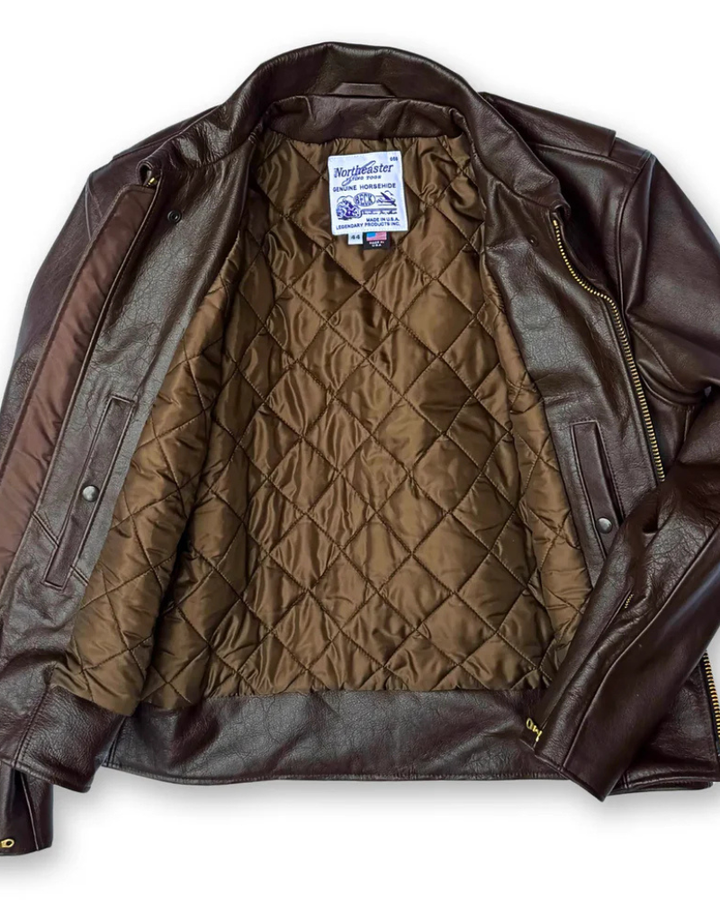
A quality leather jacket isn’t an impulse purchase. When you buy American-made gear, you’re investing in something that should outlast trends, seasons, and casual wear. The leather we work with at Legendary USA is sourced and crafted to handle real riding conditions — which means it can take a beating. But that durability only holds up if you maintain it properly.
Neglecting leather care is like skipping oil changes on a motorcycle engine. The material dries out, cracks form, and what should be a 20-year investment becomes fragile in half that time. Professional care keeps the leather supple, extends its lifespan, and actually increases what your jacket is worth down the road.
Understanding Premium American Leather Construction
The leather we manufacture isn’t uniform across all products. Leather touring jackets typically use thicker, more densely finished hides than casual wear pieces. Sheepskin bomber jackets have entirely different fiber structures — softer, more prone to matting if handled wrong.
American-made leather tanneries use different processing methods than overseas manufacturers. Our hides are vegetable or chrome-tanned, which means the leather breathes. It absorbs oils naturally and develops a patina over time. This is why vintage jackets actually improve with age instead of looking worn out.
Full-grain leather (top layer intact) sheds water better. Top-coat finishes provide additional protection but can crack if bent too aggressively. Understanding your jacket’s specific construction helps you know which cleaning and conditioning methods work best.
Essential Cleaning Techniques
Start with the right tools. You don’t need expensive specialty kits. A soft brush, lukewarm water, mild soap, and clean cloths handle most situations.
Routine cleaning:
- Use a soft-bristle brush to remove surface dust and debris after rides
- Mix a small amount of mild leather soap (saddle soap works) with lukewarm water
- Apply with a damp cloth, working in small sections
- Wipe dry immediately with a clean towel
- Never soak the leather or use hot water
For salt stains from winter riding, the process is similar but requires a second water rinse to remove residual salt. Salt accelerates leather deterioration, so don’t skip this step.

Avoid over-cleaning. Your jacket doesn’t need a wash after every ride. Once every few months of regular use is typical unless you’ve been caught in heavy rain or encountered road salt. Over-washing strips natural oils faster than riding does.
Conditioning and Protecting Year-Round
Conditioning is where most riders fall short, and it’s the step that matters most for longevity. Leather is hide — it naturally loses moisture. Without conditioning, it becomes brittle and prone to cracking.
Use a leather conditioner every three to six months depending on climate and wear. In dry climates, condition more frequently. In humid regions, space treatments further apart. Apply conditioner thin and even across the jacket, then buff away excess with a clean cloth. Never soak sections or let conditioner pool on seams.
We use and recommend Obenauf’s Heavy Duty LP — an all-natural, beeswax-based conditioner made in the USA that’s been the standard for hard-worn leather goods for decades. For armored jackets with integrated CE protection, condition around armor panels but not on them — armor has a synthetic base that doesn’t absorb conditioner the same way leather does.
Winter riding introduces salt and moisture exposure, so condition before cold season starts and again in early spring. Summer heat dries leather faster, so don’t skip conditioning just because temperatures are high.
Addressing Common Wear and Damage
Leather gets scuffed. That’s part of owning gear that actually gets used. Surface scuffs don’t require treatment unless they’ve cut into the grain layer. Minor scuff marks often buff out with a soft cloth and gentle circular motions.
Deeper scratches and gouges need different approaches. If leather is torn or punctured, stop using conditioner on that area and contact us. Moisture can seep into damage and accelerate deterioration.
Seam separation is more serious. If stitching pulls away from leather or thread frays, the jacket’s structural integrity is compromised. This isn’t something to repair with glue at home. Our team can re-stitch seams properly, using the original stitch pattern and bonded thread.
Zipper failure happens. Zippers can be replaced without replacing the jacket. We source replacement hardware that matches original specifications.
Fading and color loss occurs naturally over years of sun exposure and wear. This is aging, not damage. Most riders appreciate the natural patina that develops.
Professional Repair Services
DIY repair attempts often cost more than professional service in the long run. A home leather patch job can trap moisture, speed deterioration around the damaged area, and look rough. Our repair team works with the original construction methods we used to build your jacket.

We handle:
- Seam and stitch repairs with matching thread weight
- Zipper replacement and hardware upgrades
- Leather patching on small tears (full-hide leather only)
- Collar and cuff conditioning when surface wears smooth
- Lining replacement if interior fabric deteriorates
- Custom modifications for fit adjustments
Repair turnaround typically runs two to three weeks depending on workload and complexity. We photograph damage before starting work so you understand what we’re addressing and why. The cost of professional repair is almost always less than replacing a jacket. For more depth, see our professional leather gear repair guide.
Storage and Seasonal Maintenance
Store your jacket on a broad-shouldered hanger in a cool, dry place. Avoid plastic dry-cleaning bags — they trap moisture and promote mildew. A breathable cotton garment bag or open closet space works better.
Temperature matters. Extreme heat cracks and warps leather. Basements and attics fluctuate too much. A climate-controlled closet is ideal.
Before storing for extended periods, condition the leather and let it cure for 24 hours. Wipe down hardware to prevent oxidation. Remove items from pockets and check for debris that might stain leather during storage.
In spring, before you ride regularly again, inspect seams, zippers, and conditioned areas. Bring the jacket to room temperature if it’s been stored in cold conditions. Cold leather is more brittle and prone to cracking if flexed immediately.
Extending the Life of American-Made Gear
The leather jackets we manufacture are built to last decades. Genuine care extends that timeline.
- Rotate gear when you have multiple jackets — reduces stress on any single piece
- Avoid extreme exposure when alternatives exist — seek shelter from thunderstorms when possible
- Protect against moths and pests with cedar blocks or lavender sachets in storage
- Address damage promptly — small problems become big ones quickly

Understand that patina and fading are normal. A 15-year-old jacket that shows honest wear is more valuable and more authentic than a preserved jacket that never saw a real ride. Your leather tells a story.
For the basics, see our 5 leather jacket care tips. For sheepskin specifically, see our sheepskin coat care guide.
Why We Stand Behind Every Repair
We’ve been building and servicing leather gear for over 25 years. That experience means we know how our jackets are constructed, what stress points fail first, and how to restore them properly.
When you send a jacket to us for repair, you’re not dealing with a corporate service center. Our team has hands-on experience with the same equipment and techniques we use in manufacturing. If a repair doesn’t hold up, we fix it again. We don’t charge extra for return work.
Contact us with photos and a description of any damage. We’ll give you straight feedback on whether repair makes sense, what it costs, and how long it takes.
Frequently Asked Questions
How often should I clean and condition my leather jacket?
Cleaning every 3–6 months depending on use. Conditioning at least twice a year — more in dry climates, before/after winter, and after heavy rain exposure.
Can I clean my leather jacket at home?
Yes, for routine maintenance. Use mild leather soap, lukewarm water, soft cloths. For deep cleaning or damage, professional service is worth the investment.
What conditioner should I use?
Quality natural conditioners like Obenauf’s Heavy Duty LP work for most full-grain American leather. Avoid petroleum-based or silicone products that build up on the surface.
How do I remove odor from a leather jacket?
Air it out, baking soda absorption, charcoal bags, or vinegar mist on the lining. See our how to remove odor from leather jackets guide.
Can damage I thought meant replacement actually be repaired?
Most damage can be repaired — torn seams, broken zippers, scuff marks, small tears. Send photos for an honest assessment.
How should I store my jacket long-term?
Condition first, hang on a wide curved hanger inside a breathable cotton garment bag, in a cool dry closet away from direct sunlight. Avoid plastic bags and humid storage.
Will conditioning darken my leather?
Quality conditioners darken leather slightly when applied (this fades as the conditioner absorbs). Test on a hidden area first. Some lighter or unfinished leathers may darken more permanently.
Save 15% off your first purchase via our Legendary VIP newsletter.
Article originally published May 2026. Updated May 2026 with verified collection links, fixed link formatting, image alt text, and FAQ.