

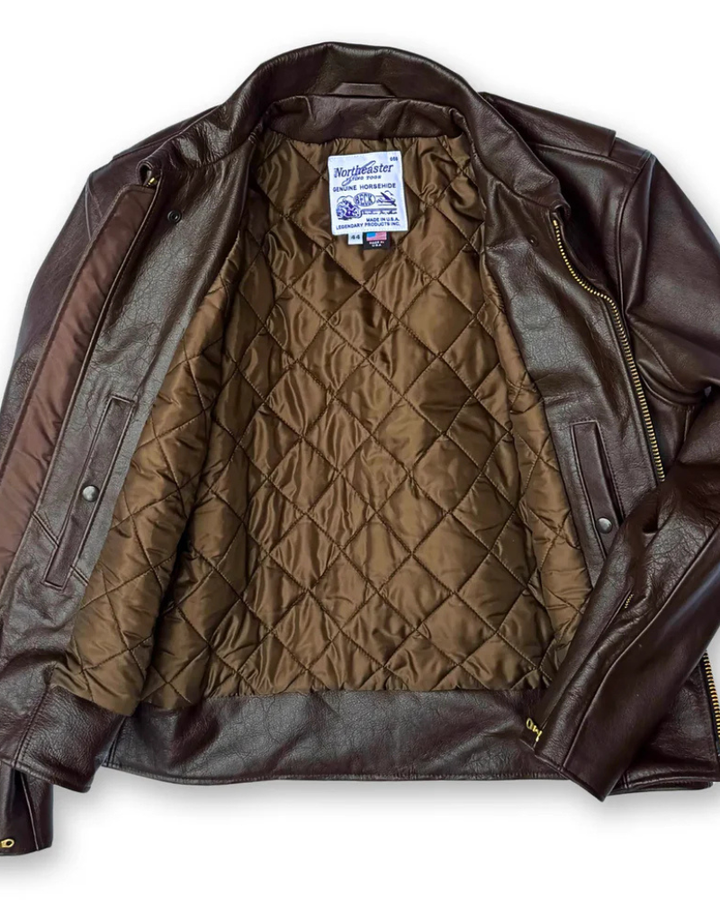
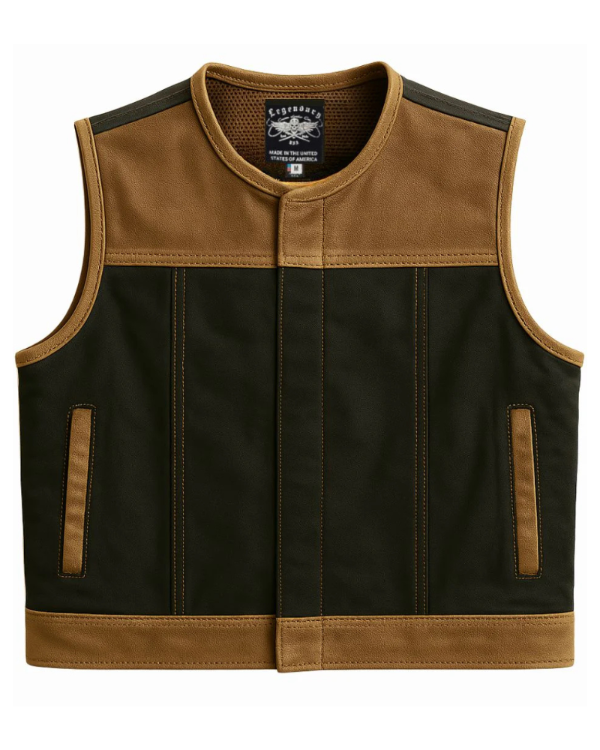
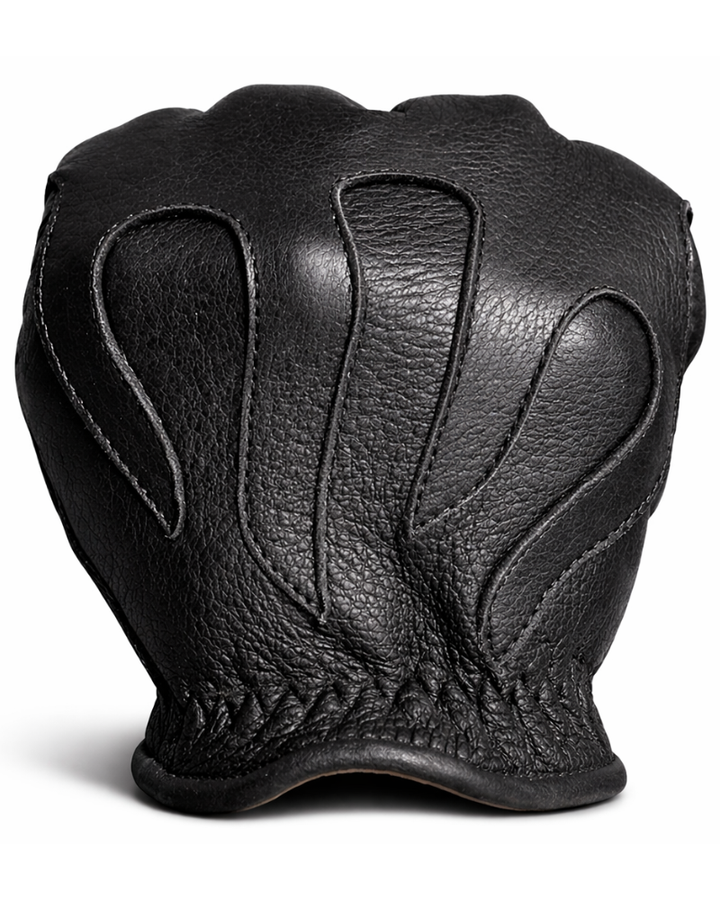
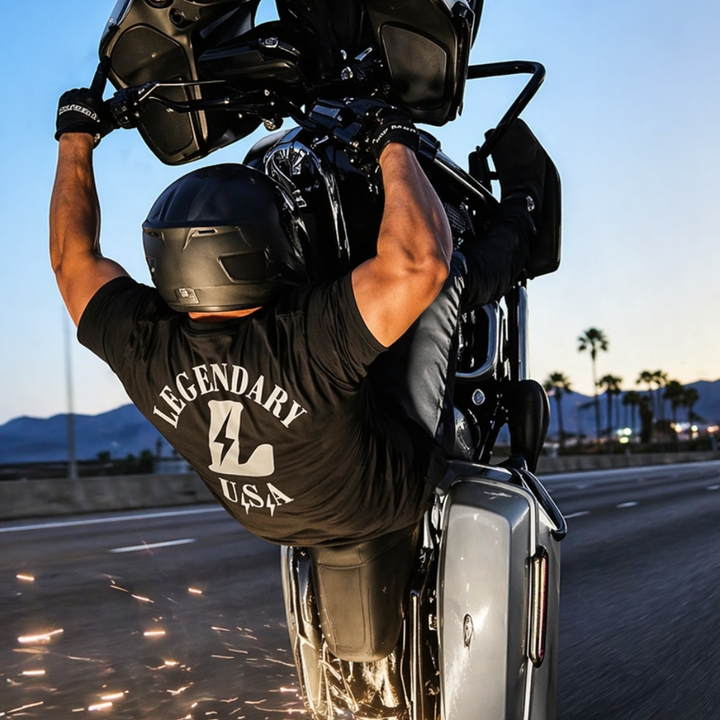

When you go down, your hands go out first. It's instinct. The question isn't whether you'll want gloves in that moment — it's what your gloves are actually made of. Leather wins the abrasion resistance argument. Here's why, and which Legendary USA gloves offer the most coverage.
Leather vs. Textile: The Safety Breakdown
| Property | Deerskin/Horsehide Leather | Textile (Nylon/Cordura) |
|---|---|---|
| Abrasion resistance | Excellent — natural fiber structure | Moderate — tears and melts under heat |
| Heat resistance in slide | Good — doesn't melt | Poor — synthetic fibers can soften and melt under friction heat |
| Puncture resistance | High | Variable by weave density |
| All-weather performance | Consistent | Can lose integrity when wet |
| Longevity | Decades with care | 3–5 years typical |
Legendary USA Gloves With the Most Coverage
A note on ratings: Legendary's classic deerskin gloves are traditional unarmored riding gloves and carry no CE protective rating. The Uppercut adds a hard knuckle shield, but no glove can guarantee protection in a crash.


Frequently Asked Questions
Are leather motorcycle gloves safer than textile gloves?
Yes, for abrasion resistance. Leather — especially deerskin and horsehide — outperforms most textile materials in sliding contact with pavement. In a crash, the primary threat to your hands is abrasion, and leather has a natural fiber structure that resists tearing far longer than nylon or polyester.
How important are motorcycle gloves for rider safety?
Motorcycle gloves are critical safety gear. In a crash, riders instinctively put their hands out to break the fall. Without gloves, road rash on the palms can be severe and slow to heal. Quality leather gloves put a layer of abrasion-resistant material between the pavement and your skin, though no glove can guarantee protection in a crash.
What motorcycle gloves offer the best hand protection in a crash?
Leather motorcycle gloves with a thick deerskin or horsehide shell offer excellent abrasion resistance. For added knuckle coverage, look for a glove with a hard knuckle guard like the Legendary USA Uppercut. Legendary's classic deerskin gloves are traditional unarmored gloves and carry no CE protective rating.
Does textile motorcycle gear melt in a crash?
Nylon and polyester textiles can soften or melt under the friction heat generated by sliding on pavement. Leather does not melt, which is one reason riders have long favored it for abrasion resistance.
Is deerskin or horsehide more protective for motorcycle gloves?
Horsehide has the highest abrasion resistance of any common glove leather. Deerskin offers excellent abrasion resistance combined with superior softness and flexibility. For gloves, deerskin provides the best balance of protection and comfort. Horsehide is more commonly used in jackets and vests where its stiffness is less of a factor.
American Leather. Made in the USA.
Legendary USA builds its classic gloves from American whitetail deerskin in the USA. When your hands hit pavement, what they’re covered in matters.
Shop Leather Gloves