
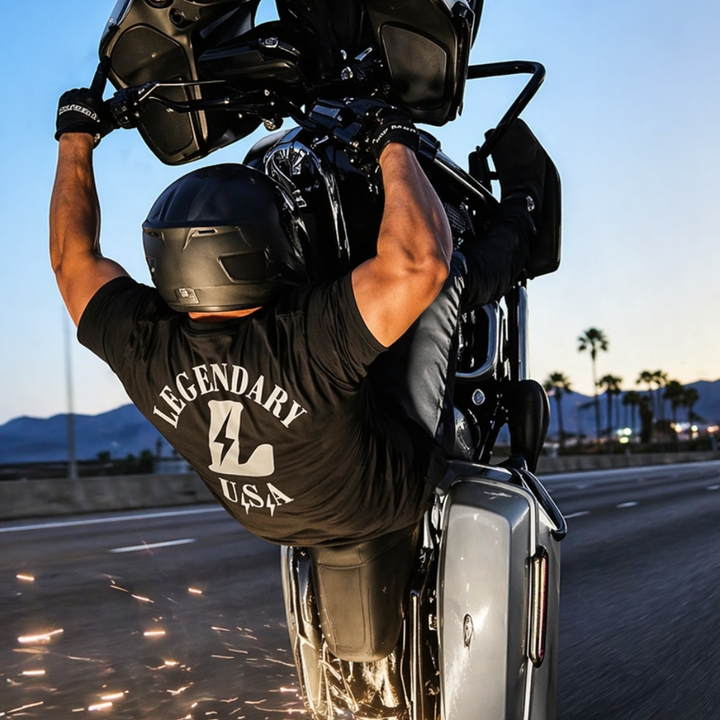


The best motorcycle gear for wet fall riding is gear that keeps working after it gets wet: deerskin gloves that stay soft when soaked, a water-resistant Cordura or horsehide vest over a heavy flannel, and a liner glove in the saddlebag for the cold hour after the rain stops. No leather is waterproof, and Legendary USA does not pretend otherwise. What the right gear does is keep its grip, its warmth and its shape through a 45-degree rain and dry out overnight for the next morning. This roundup covers the seven pieces from the Legendary USA line that do that best, built in the USA since 2001, and why each one earns a spot in a wet-weather kit.
Why wet fall riding is harder than wet summer riding

A summer rain is a nuisance. A fall rain is a cold problem. When water soaks a glove at 75 degrees, the hand stays warm; when it soaks a glove at 45 degrees, evaporation pulls heat out of the hand for as long as the glove is wet, and the wind chill of highway speed doubles the effect. The same is true of a vest front or a jacket sleeve. That is why wet fall gear is judged on two things summer gear is not: how it handles cold once wet, and how fast it dries so you are not starting the next morning in a damp glove.
Leather choice matters more here than anywhere else in the season. American Whitetail deerskin, which Legendary USA uses across its glove line, stays pliable when wet and dries back soft without conditioning. Front quarter horsehide, which the BECK Northeaster line is cut from, has a tight, dense grain that sheds water longer than cowhide before it soaks through. Cordura nylon does not absorb water at all. Those three materials, in that order, are what this roundup is built around.
1. Fleece-Lined Deerskin Gloves
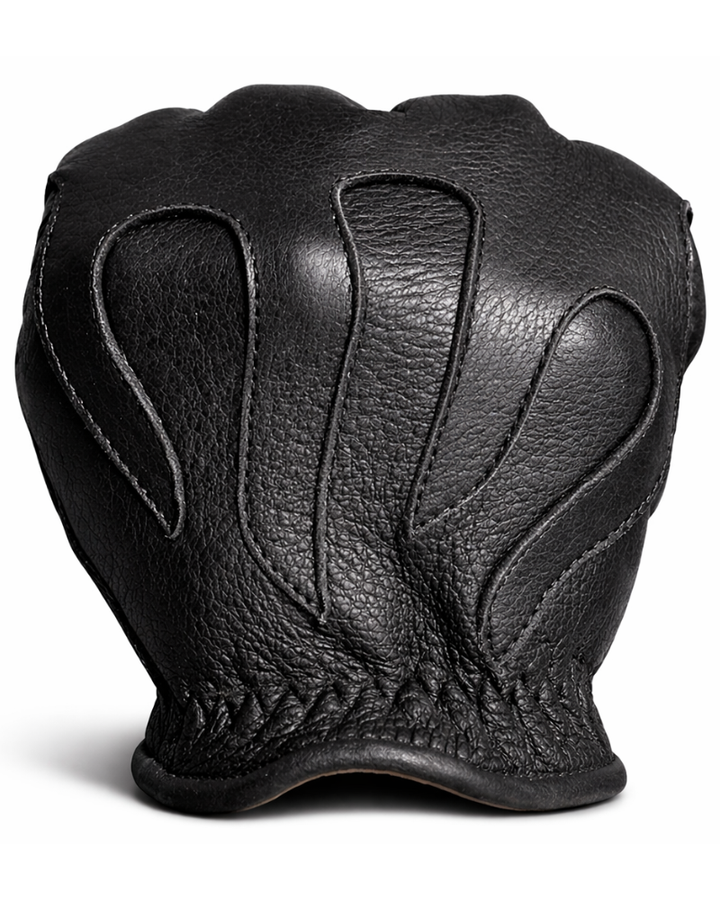
The Fleece-Lined Deerskin Gloves are the glove for the 35-to-50-degree rain that defines October in the northern half of the country. The 3M Thinsulate 40-gram fleece lining keeps the hand warm even as the deerskin shell takes on water, and the deerskin itself does not stiffen the way cowhide does when it gets soaked. The tradeoff is drying time: the fleece holds water, and a thoroughly wet pair needs a full day at room temperature with the fingers stuffed. Riders who commute in fall rain keep two pairs for that reason.
2. Classic Deerskin Gauntlets
Rain runs down a sleeve and into a short-wrist glove, and the Classic Deerskin Gauntlets solve that with a cuff long enough to go over the jacket sleeve and seal it. They are unlined, which means they dry in a few hours rather than a day, and they keep the direct throttle feel an unlined glove is known for. Worn over the sleeve they keep water out of the cuff; worn with a thin liner underneath they cover a cold wet morning in the 40s. For riders who only want one glove for wet fall riding, this is the one.
3. Gators Skin Glove Liners
The Gators Skin Glove Liners are the cheapest fix for the cold hour after the rain, when the gloves are still damp and the temperature has dropped. The maker rates the DuPont-developed fabric as three times warmer than wool and windproof, and they are thin enough to wear under an unlined deerskin gauntlet without sizing up. Pack them in a jacket pocket. Pulling on a dry liner inside a damp shell at a fuel stop is the difference between finishing the ride and cutting it short.
4. Black Jack Lightweight Cordura Vest
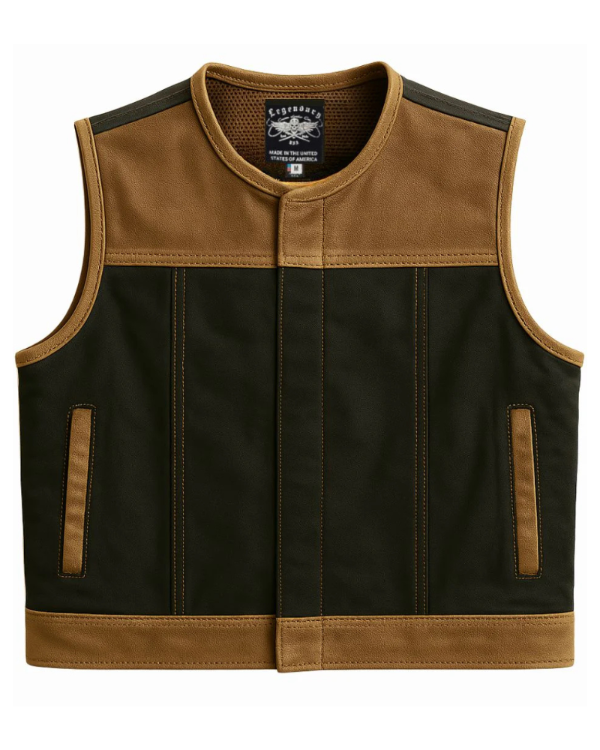
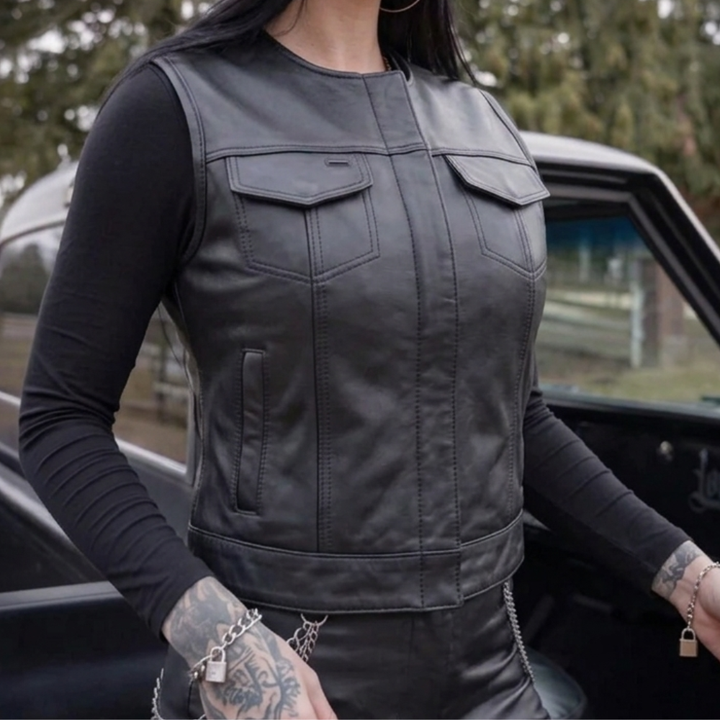
The Black Jack Lightweight Cordura Vest is the one vest in the Legendary USA line that does not absorb rain. The water-resistant Cordura nylon shell sheds spray, the leather pocket flaps and armhole binding keep the look of a riding vest, and the side lacing opens up to go over a flannel or a hoodie. It was built for summer, and it works in fall precisely because it is light: over a heavy flannel it blocks wind across the core without the weight of soaked cowhide, and it dries on a hanger in an hour.
5. BECK 566 Horsehide Vest
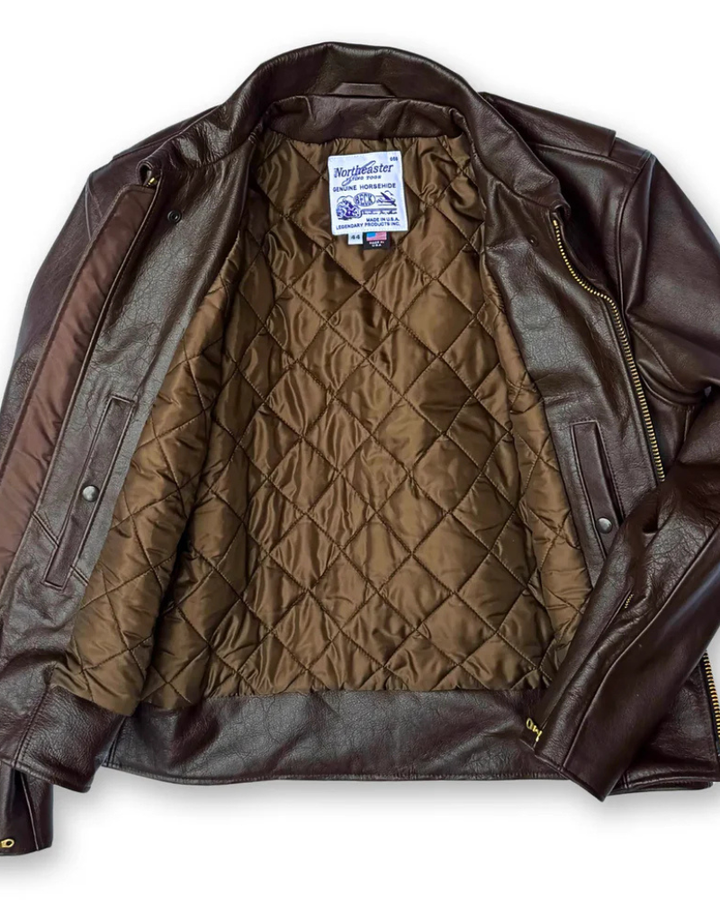
For riders who want leather over the core in the rain, the BECK 566 Horsehide Vest is the pick. Front quarter horsehide is the densest section of the hide, and it repels rain longer than cowhide at the same weight before it saturates. When it does get wet, it dries back without losing shape, and a brown 566 develops the patina riders buy horsehide for. BECK Northeaster Flying Togs is the horsehide label Legendary USA owns, built in the USA since 1928, and the 566 is its foundation vest.
6. OG Extra Heavyweight Flannel Riding Shirt
Under either vest, the OG Extra Heavyweight Flannel Riding Shirt is the layer doing the quiet work. Heavyweight 100 percent cotton flannel holds warmth under a vest, and the button-flap chest pockets keep a phone and a fuel card out of the rain. Cotton does hold water once it soaks through, so the flannel belongs under a vest or a jacket, not on its own in a downpour. Size up and wear a hoodie under it on the coldest days.
7. BECK 999 Horsehide Jacket
When a vest is not enough, the BECK 999 Horsehide Jacket is the top of the Northeaster line and the jacket to reach for in cold rain. The 1.3mm front quarter horsehide blocks wind and sheds water longer than any lighter hide, and the half-belt silhouette keeps the hem snug against spray from the rear tire. It is a heritage riding jacket, not an armored one, so it has no CE armor; riders who want armor layer a separate armored shirt underneath. What it has is a hide that comes through a wet October ride and asks for nothing but a hanger.
Deerskin vs horsehide vs Cordura in the rain
Each material handles water differently, and knowing which is which decides what goes where in the kit.
| Material | Absorbs water? | Behavior when wet | Drying time | Best use |
|---|---|---|---|---|
| Deerskin | Yes, slowly | Stays soft and pliable | Hours unlined, a day lined | Gloves |
| Front quarter horsehide | Yes, very slowly | Holds shape, sheds spray | Overnight | Vests and jackets |
| Cordura nylon | No | Sheds water | About an hour | Lightweight vests |
| Cotton flannel | Yes, quickly | Heavy and cold once soaked | Overnight | Midlayer only |
The practical version of that table is simple. Deerskin on the hands, horsehide or Cordura over the core, cotton underneath where the rain cannot reach it. The cold-weather motorcycle riding kit guide covers how those layers combine by temperature, and the guide to drying wet leather gloves covers what to do when you get home.
How to build the wet fall kit
Start with the gloves, because wet hands end rides faster than anything else. One lined pair or one gauntlet pair with liners covers most riders; two pairs cover commuters. Add a vest from the Made in USA motorcycle vests collection, Cordura if weight matters and horsehide if leather matters, and wear it over a heavy flannel. Pack the horsehide jacket for the cold days and the liners for the cold hour. Everything in the Made in USA motorcycle gloves collection is built to be ridden wet and dried slow.
For how a 45-degree rain feels at highway speed, the National Weather Service publishes a cold wind chill chart.
Frequently asked questions
- What are the best motorcycle gloves for riding in cold rain?
- Deerskin gloves, because American Whitetail deerskin stays soft and keeps its grip when soaked and dries back without conditioning. For 35-to-50-degree rain, the Legendary USA Fleece-Lined Deerskin Gloves keep the hand warm even with a wet shell. For riders who want one glove that dries fast and seals the sleeve, the unlined Classic Deerskin Gauntlets with a thin liner underneath cover the same range. No leather glove is waterproof; the goal is a glove that works wet.
- Is leather motorcycle gear ruined by rain?
- No, as long as it is dried slowly at room temperature and not on a heater. Deerskin dries back soft on its own; horsehide and cowhide dry a shade stiffer and benefit from a light conditioning once fully dry. Stuff gloves with paper towel, hang vests and jackets open on a wide hanger, and keep everything away from direct heat. Rain itself does not harm riding leather. Fast heat and leaving salt or grime to dry in the grain do.
- What is the best vest material for wet weather riding?
- Cordura nylon if you want a vest that does not absorb water at all; front quarter horsehide if you want leather that sheds spray longer than cowhide and holds its shape when it finally soaks through. The Legendary USA Black Jack is the Cordura option and dries in about an hour. The BECK 566 is the horsehide option and dries overnight. Cowhide works but saturates faster and dries stiffer than either.
- Should I wear a jacket or a vest for fall riding in the rain?
- A vest over a heavy flannel for most of the day, with a horsehide jacket packed for the cold stretches. Fall rides often swing 20 degrees or more, and a jacket that is right at a 42-degree morning is too much by a 60-degree afternoon. The vest stays on all day and blocks wind across the core; the jacket comes out when the temperature drops or the rain turns steady. In a cold, steady rain, wear the jacket from the start.
- Do glove liners help in wet weather?
- Yes, especially for the hour after the rain stops. A thin liner like the Gators Skin Glove Liners pulled on inside a damp deerskin glove at a fuel stop puts a dry, windproof layer against the skin and stops the evaporative chill that makes wet hands cold. They are thin enough to wear under an unlined gauntlet without sizing up, and they pack into a jacket pocket. They do not keep the outer glove dry; they keep the hand warm while it is wet.
- How do I keep rain out of my sleeves on a motorcycle?
- Wear a gauntlet glove with a cuff long enough to go over the jacket sleeve and seal it. Water running down a sleeve into a short-wrist glove is the main reason hands get soaked in a fall rain, and the Classic Deerskin Gauntlets close that gap. On a jacket with adjustable cuffs, close the cuff under the gauntlet. A short-wrist glove tucked under the sleeve works in light rain but not in a steady one.
Wet fall riding comes down to materials that keep working after they are wet and a kit that layers rather than stacks. Deerskin on the hands, horsehide or Cordura over the core, a flannel underneath, liners in the pocket and the jacket in the bag. Build it from the Legendary USA line and a cold October rain stops being a reason to park the bike.