

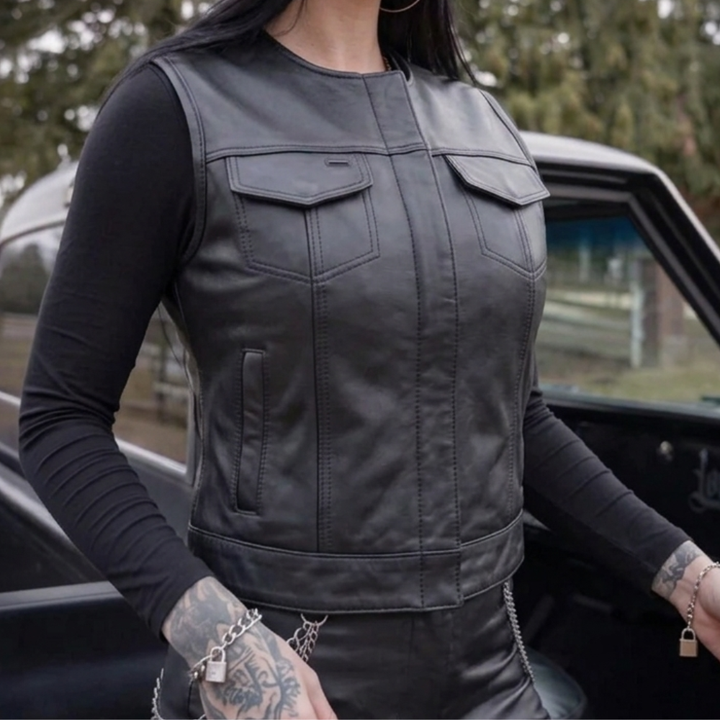


The denim motorcycle vest started as American workwear with the sleeves cut off, and it became one of the most recognizable garments in riding culture. Denim clothed the miners, ranchers, and rail crews who built the country; postwar riders turned it into the patch-carrying cut that still fills every rally lot in America. This is the story of how a work fabric became a riding tradition, and why Legendary USA still builds denim vests in the USA today.
From Workwear to the Open Road

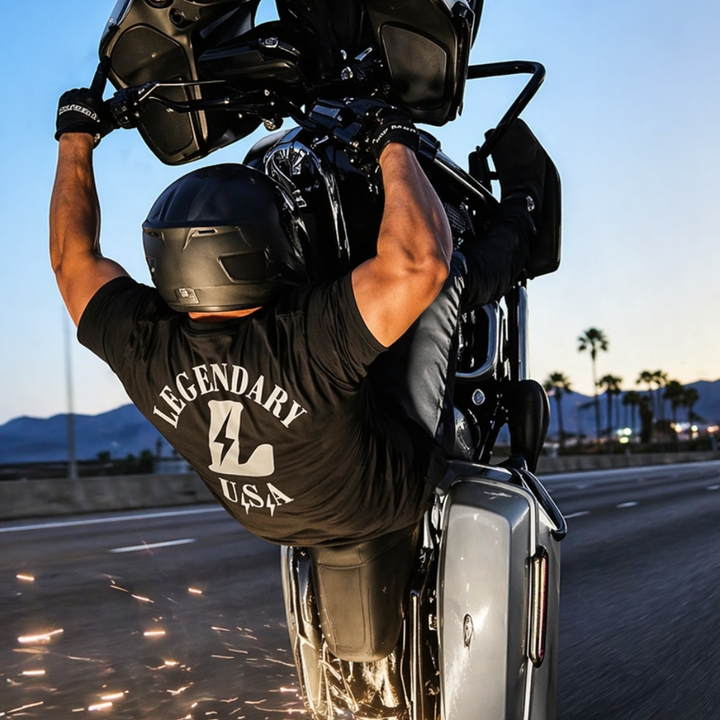
Denim earned its reputation long before motorcycles were common. Riveted denim workwear dates to 1873, and for the next 70 years it was the uniform of American physical labor: cheap, tough, repairable, and better with age. When servicemen came home from World War II and bought surplus motorcycles, they rode in what they already owned and trusted. Denim and leather were the two materials on every early American rider, and the two have shared the road ever since.
Why Riders Cut the Sleeves Off
The vest was a practical invention. Cutting the sleeves off a denim jacket freed the arms for bar work, cooled the rider in summer, and left the torso covered against wind and sun. Just as important, it created flat, sturdy panels of fabric with nothing in the way, and that turned the denim vest into a canvas. Club colors on the back, member patches on the front, rally pins on the chest. The cut, also called a battle vest or kutte, became the rider's record, worn until it fell apart and often repaired long past that.
Denim and Club Culture
By the 1950s and 60s, the sleeveless denim cut was embedded in American club culture, worn over a leather jacket in cold weather or on its own in summer. The tradition crossed into independent riding too. You do not need a club to wear a cut; plenty of riders carry flags, memorial patches for riding brothers, and pins from twenty years of rallies on a denim vest that has never held colors. We covered the broader vest tradition in why bikers wear leather vests, and the denim side of the story is every bit as deep.
Denim vs Leather: The Honest Tradeoff
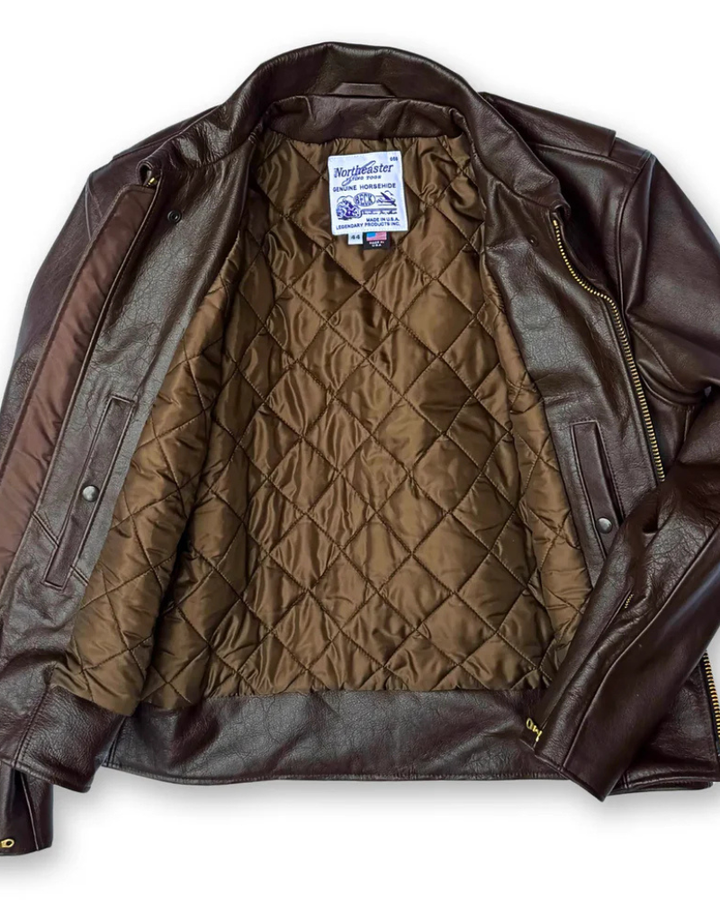
Denim breathes, leather protects. A denim vest is cooler in July heat, lighter on the shoulders, easier to sew patches through, and cheaper to replace. A leather vest resists abrasion far better, blocks wind, and outlasts denim by years with conditioning. Neither replaces the other, which is why experienced riders tend to own both and swap by season. Our full comparison is in leather vs denim motorcycle vests.
The Tradition, Built in the USA
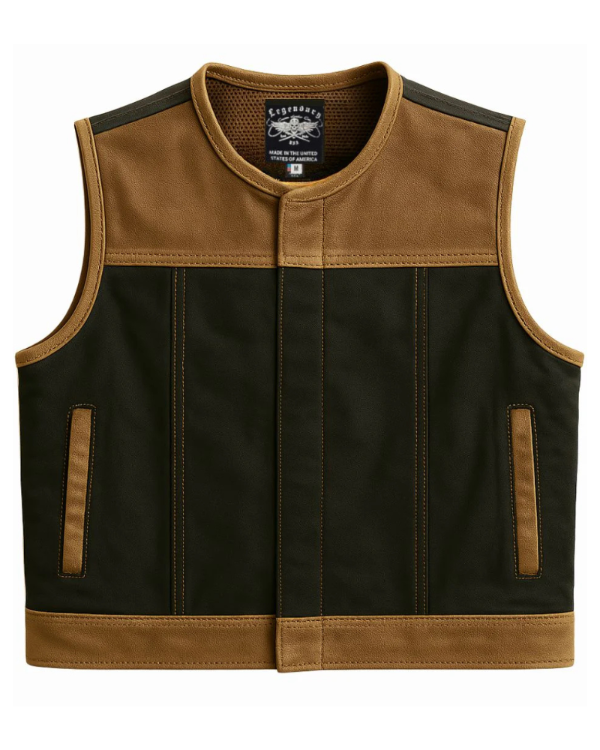
Legendary USA builds its denim vests in America because the garment's whole story is American. The Revolution denim motorcycle vest is cut for riding rather than fashion: panels that hold a full back patch without sagging and construction meant for years of rally miles. The Ol' Blue Revolution vest carries the same build in classic washed blue denim. Both take a needle the way a patch vest should. See the full line of Made in USA motorcycle vests for the leather side of the family.
Frequently Asked Questions
- Why do bikers wear denim vests?
- Riders wear denim vests for the same reasons the tradition started: denim is tough, breathable, cheap to repair, and takes patches beautifully. A denim vest carries club colors, memorial patches, and rally pins while keeping the arms free and the core covered. It breathes better than leather in summer heat, which is why denim vests dominate warm-weather riding, though denim offers less abrasion resistance than leather.
- Where did the denim motorcycle vest come from?
- The denim vest grew out of American workwear. Denim jackets clothed miners, ranchers, and railroad crews for decades before motorcycles were common, and when returning servicemen took up riding after World War II, they wore what was rugged and available. Cutting the sleeves off a denim jacket made a garment that kept the core covered, freed the arms, and gave a canvas for patches. Clubs formalized the tradition from there.
- What is a cut or battle vest?
- A cut, also called a battle vest or kutte, is a vest that displays a rider's patches, most traditionally made by cutting the sleeves off a denim or leather jacket. In club culture the cut carries the club's colors and the member's history, and it is treated with real seriousness. Independent riders wear cuts too, decorated with rally pins, memorial patches, and flags rather than club insignia.
- Is a denim vest better than a leather vest?
- Neither is better outright; they trade strengths. Denim breathes better in heat, weighs less, costs less, and sews patches more easily. Leather resists abrasion far better, blocks wind, and generally lasts longer with care. Many riders own both and choose by season: denim for July, leather for October. If you only ride in hot weather, denim earns its place.
- Can you sew patches on a denim motorcycle vest?
- Yes, and denim is the easiest vest material to patch. A standard heavy needle and strong polyester thread go through denim by hand or machine without special tools, unlike thick leather which usually calls for an awl or a shop with a walking-foot machine. That accessibility is a real part of why denim became the patch vest of American riding culture.
- Are denim motorcycle vests still popular today?
- Yes. Denim vests remain a fixture at every American rally, in club culture, and among independent riders, especially for summer riding where leather runs hot. Legendary USA builds its Revolution denim motorcycle vests in the USA specifically for this tradition, with construction meant for patch weight and daily wear rather than fashion-store denim that sags under a full back patch.
The Bottom Line
The denim vest is American workwear that took up riding. It earned its place through toughness, repairability, and the flat blue canvas it offers a rider's story, and seventy-plus years later nothing has replaced it. Wear it on its own in summer, over leather in the cold, and put your patches where they belong.