



Fall is the season American riders put leather back on. Summer riding in this country is mostly about staying cool, which pushes riders toward perforation, mesh, and as little covering as they can stand. When the mornings drop into the 40s and 50s, that logic reverses inside of a week, and the gear that comes back out of the closet is almost always leather.
The Season That Made Leather Necessary

Leather was the answer long before there was a synthetic alternative to argue about. A hide blocks wind, resists abrasion, and holds up to weather in a way woven cloth of the era simply did not. Riders in the early decades of American motorcycling were not choosing leather for its look. They were choosing the only material that made a 40 mile per hour headwind survivable in October.
What kept leather in place after better textiles existed is that the fall problem never really changed. Wind is still the thing that takes your body heat, and a windproof outer layer is still the most efficient answer to it. A rider in 1955 and a rider in 2026 are solving the same equation with the same first move.
The seasonal rhythm followed from that. Summer gear and fall gear became different sets of gear, kept separately, swapped on a schedule the weather sets rather than the calendar. Most riders in the northern half of the country still run their year that way.
What Riders Reach For First
The first thing to change is almost always the hands. Fingers sit out in front of the bike with no fairing and no body heat behind them, and they get cold well before a torso does. A rider who is comfortable in a t-shirt at 60 degrees will still have cold hands at that temperature, which is why glove season starts before jacket season.
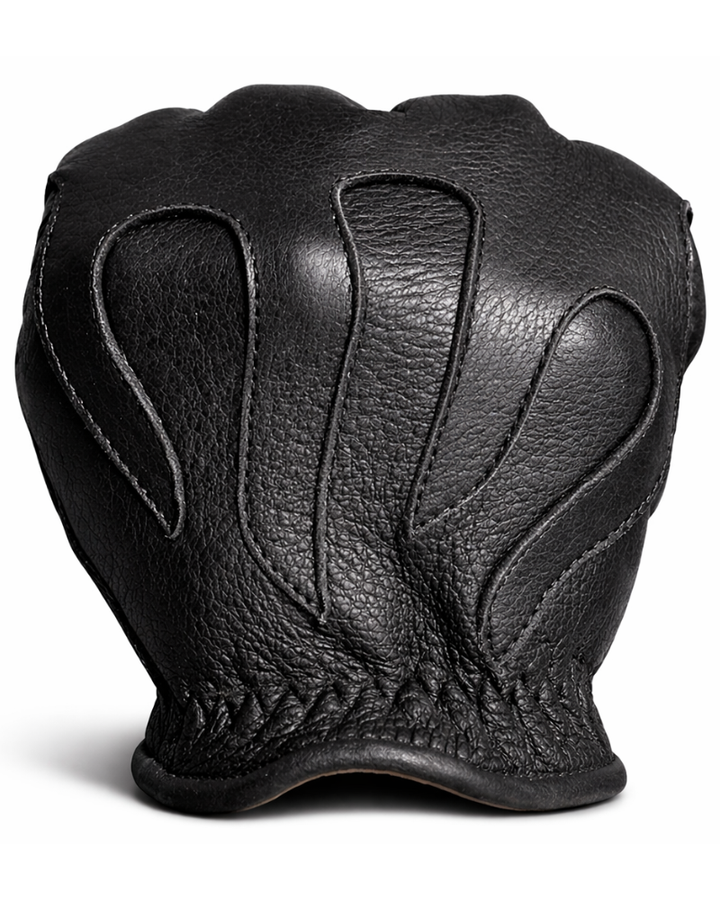
The second change is the cuff. A short-wrist glove that was perfect in August lets wind up the sleeve in October, and the Classic Deerskin Gauntlets exist for exactly that gap. Legendary USA cuts them from American whitetail deerskin, which stays pliable in the cold rather than going board-stiff the way heavier hides can.
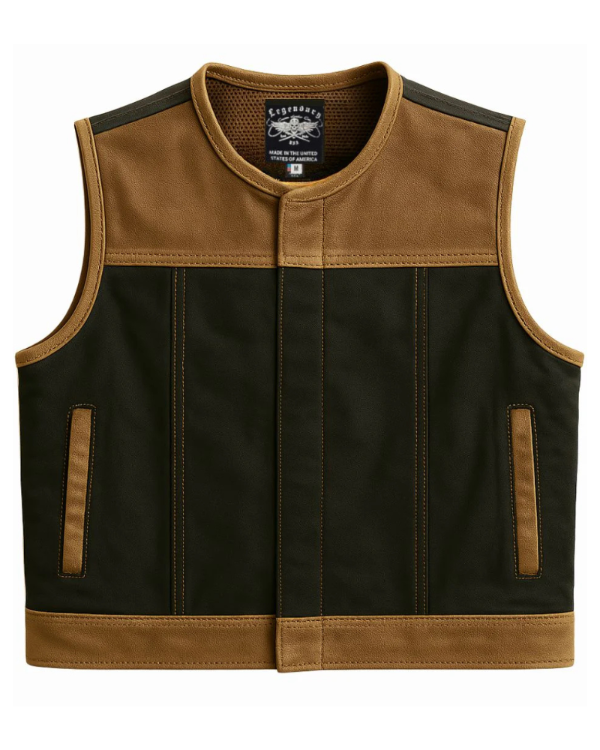
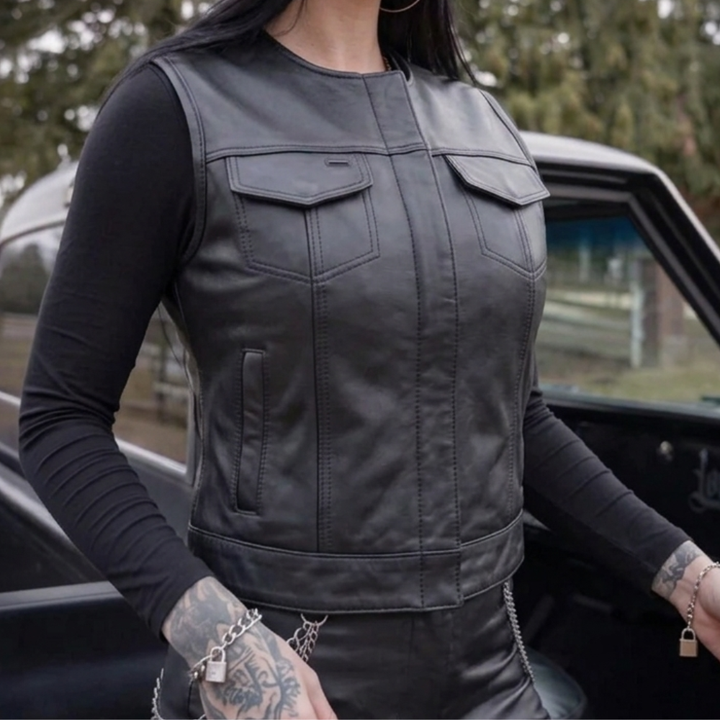
The vest comes third, and it comes for a different reason. A leather vest over a flannel or a hoodie is not really about warmth, it is about stopping wind from stripping the warmth out of the layer underneath. That is why vests are a fall staple in a way they never quite are in July.
The Fall Ride as an American Habit
Fall riding in this country carries a weight that summer riding does not. Summer is abundant. Fall is finite, and every rider knows roughly how many good weekends are left. That knowledge changes how people ride and how seriously they treat the gear that lets them keep going.
It shows up in the calendar. Poker runs, charity rides, and club runs cluster heavily into September and October across most of the country, and turnout for them tends to beat the equivalent August event. Riders show up for the last good weather in a way they do not for the middle of it.
It also shows up in what people wear. Fall is when the vest with the patches comes back out, when the jacket that has been on a hook since May gets worn hard for eight weeks straight. The gear is doing a job, and it is also marking the season. Both things are true at once, and pretending only the first one matters misses most of what the tradition actually is.
Why the Same Materials Keep Coming Back
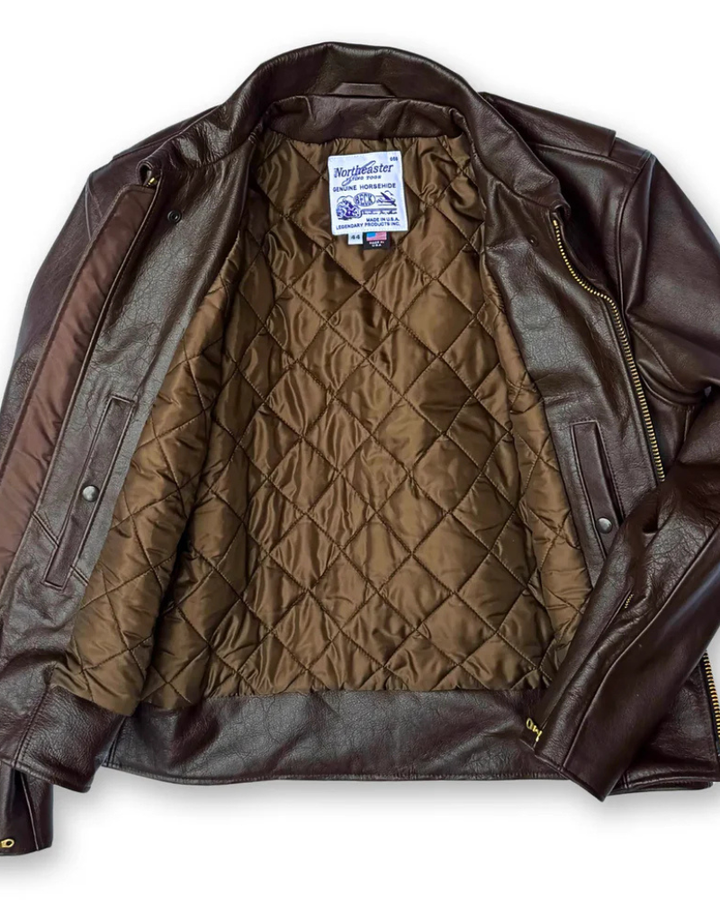
Deerskin and horsehide have held their place in American riding gear for the same reason they got there, which is that they do different jobs well. Deerskin is soft, stretches to the hand, and stays flexible when it is cold. Horsehide is denser and tighter grained, so it blocks more wind and takes more abuse, at the cost of being far less forgiving on day one.
That split maps neatly onto the body. Riders want deerskin where they need feel and movement, which is the hands, and denser hide where they need a wall against the wind, which is the torso. It is not a marketing distinction. It is a working one that riders arrived at by wearing both.
Both are also repairable, which matters more in fall than at any other point in the year. Gear that gets worn eight weekends straight takes wear, and a hide that can be conditioned, restitched, and put back into service is the reason some riders are still wearing the same vest they bought two decades ago. The Made in USA motorcycle vests collection is built around that expectation.
Twenty-Five Years of Watching the Same Shift
Legendary USA opened in 2001, and the pattern has not changed in the 25 years since. Glove orders climb first, usually within days of the first genuinely cold morning in a region. Vests follow. Jackets come last, because riders will tolerate cold hands for a week but not a cold chest, and they usually already own the jacket.
Chris has watched that curve arrive on schedule every September since the beginning, and the only thing that shifts is where in the country it starts. New England goes first, then the upper Midwest, then everything south of it over about six weeks.
The lesson we take from it is not that riders are predictable. It is that the fall problem is real and physical, and the gear that solves it has been the same category of gear for a century. For a longer look at the culture side of that, our piece on fall riding in American motorcycle culture covers the ground this one does not, and deerskin and the American riding tradition goes deeper on the hide itself.
Fall does not ask riders to buy new things. It asks them to put the right things back on, in the right order, before the morning that catches them out. That is the whole tradition, and it survives because it works.
For rider training and general riding practice, the Motorcycle Safety Foundation publishes rider course and safety information.
Frequently Asked Questions
- Why do motorcycle riders wear leather in the fall?
- Because wind, not air temperature, is what takes body heat at riding speed, and leather blocks wind better than almost anything a rider can layer over. A hide stops the airflow that would otherwise strip warmth out of whatever is underneath it. That is also why a leather vest over a flannel works so well in fall, even though the vest itself adds very little insulation on its own.
- What gear do riders change first when fall arrives?
- Gloves, almost universally. Hands sit out in front of the bike with no fairing and no body heat behind them, so fingers get cold well before the torso does. Most riders are still comfortable in a light jacket at 55 degrees while their hands are already unpleasant. Cuff coverage usually changes next, as short-wrist gloves that worked in August start letting wind up the sleeve.
- Is deerskin or horsehide better for fall riding?
- They serve different parts of the body. Deerskin is soft, stretches to the hand, and stays flexible in the cold, which makes it the better choice for gloves where feel and movement matter. Horsehide is denser and tighter grained, so it blocks more wind and takes more abrasion, which suits jackets and vests. Most riders end up using both rather than choosing one.
- Why are there so many motorcycle rides in September and October?
- Fall is finite in a way summer is not, and riders know how many good weekends are left. Poker runs, charity rides, and club runs cluster heavily into those two months across most of the country, and turnout often beats comparable summer events. The weather is also genuinely better for long days in the saddle than August heat in much of the United States.
- Do leather motorcycle vests actually keep you warm?
- Not by adding insulation, which a vest has very little of. A leather vest keeps you warm by blocking the wind that would otherwise pull heat out of the flannel, hoodie, or shirt underneath it. That is why the vest and layer combination outperforms either piece alone, and why riders who try a vest over bare arms in cold weather come away unimpressed.
- How long has leather been standard motorcycle gear in America?
- Since the early decades of American motorcycling, when leather was simply the only material that could block wind and resist abrasion well enough to make cold-weather riding tolerable. Synthetic alternatives arrived much later, but the underlying problem never changed, so leather kept its place. The material stayed because it works, not because riders were unwilling to try anything else.