

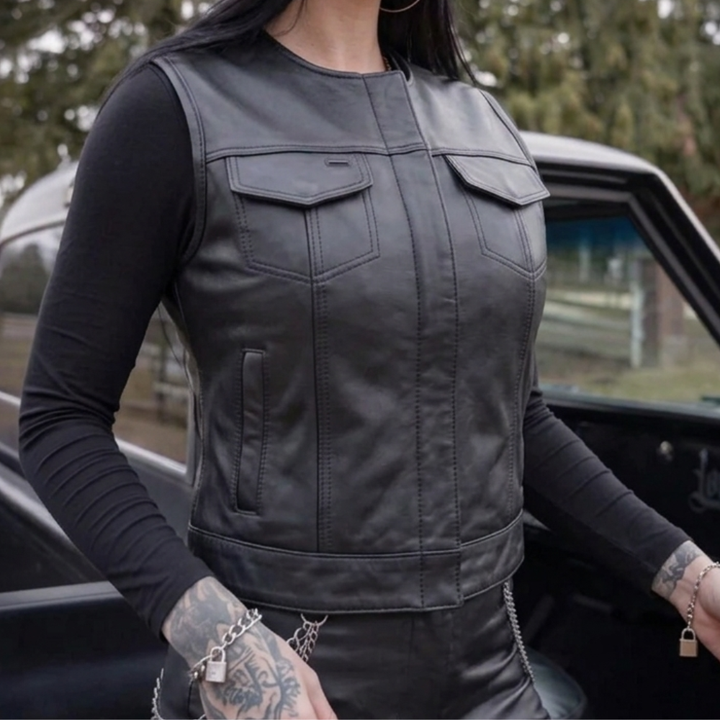


How to Pack Leather Motorcycle Gear for a Multi-Day Ride
Pack leather motorcycle gear by rolling it, keeping it dry while you ride, and giving it open air every night. Leather does not pack like textile. Fold a leather vest under a loaded saddlebag for three days and you will unpack a permanent crease. Ball up a pair of deerskin gloves and they dry curled. The packing method matters as much as the gear you bring.
Here is the approach Legendary USA riders use for rallies, road trips, and any run long enough that your gear spends more nights in a bag than on your body.
What Leather Gear Actually Comes on a Multi-Day Ride

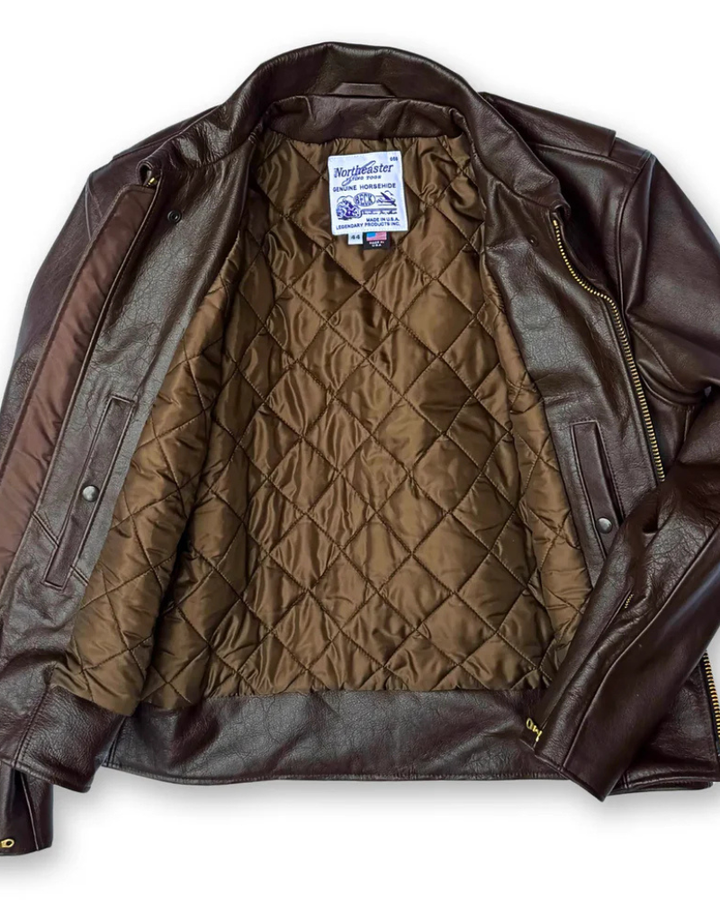
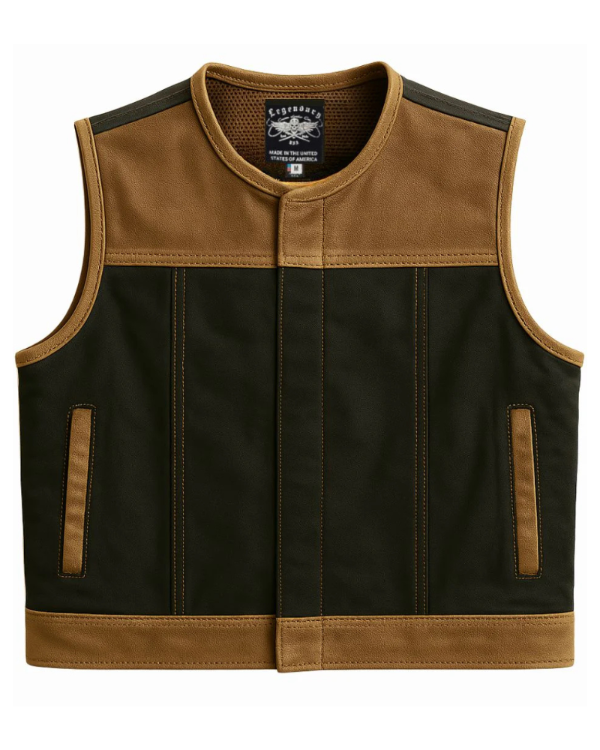
Keep the list short. On a five-day run, most riders carry one leather jacket or vest, two pairs of gloves, and nothing else in hide. Two pairs of gloves is the one place to double up, because a soaked pair of gloves is the fastest way to make a good day miserable.
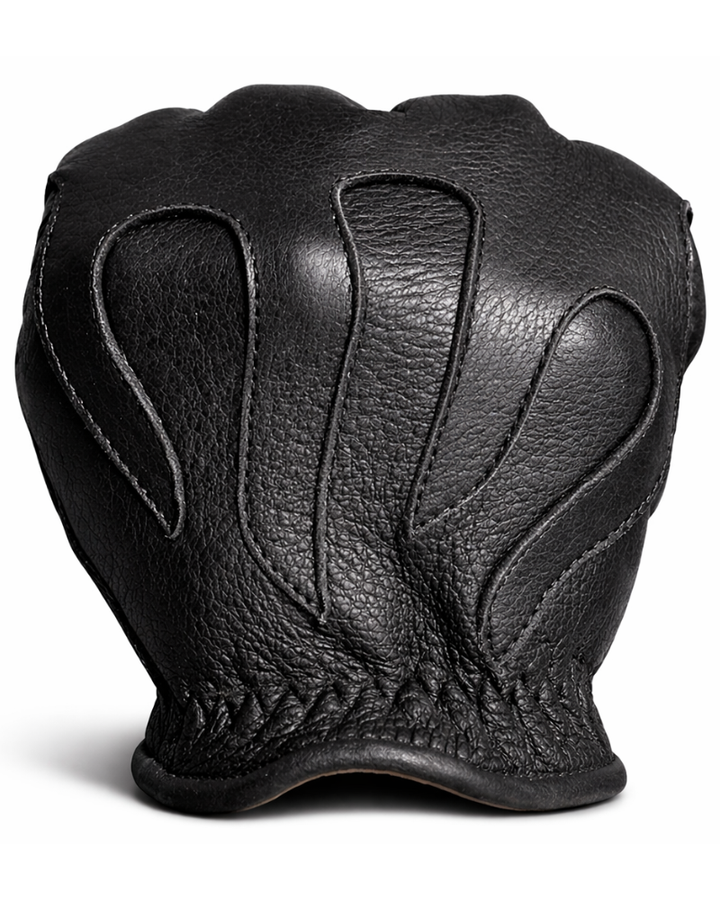
A common pairing is a ventilated summer pair like the ILL DOZER perforated deerskin gloves for daytime heat, plus a longer-cuff pair such as classic deerskin gauntlets for cold mornings and mountain passes. Two pairs, two jobs, and one is always dry. Browse the full Made in USA motorcycle gloves lineup if you are still building a rotation.
How to Pack a Leather Vest or Jacket
Close it first. Zip the zipper or snap the front so the panels stay aligned. Lay the piece face down and fold the sleeves straight back along the body, not across the chest. Then roll from the hem toward the collar, wrapping around a rolled t-shirt or a soft bundle so the leather bends around a core instead of folding onto itself.
Pack the roll on top, not on the bottom. The weight of tools, boots, and a wet rain suit pressing down on rolled leather for six hours undoes the whole point. If you are running a vest with patches, roll it patch side out so nothing presses embroidery into the hide.
How to Pack Motorcycle Gloves
Lay them flat, palm to palm, fingers straight. That is the whole method. The reason it matters is that leather takes the shape it dries in. Gloves stuffed into a helmet or crammed in a boot come out curled, and a curled glove fights you every time you put it on.
Gauntlet gloves need one extra step: leave the cuff open and flat rather than folded back on itself. A folded gauntlet cuff will hold that crease for the rest of the trip. Keep gloves near the top of the bag where you can reach them without unpacking, because weather changes faster than you can pull over and dig.
Rolled vs. Folded: Why Rolling Wins for Leather
Textile gear tolerates folding because the fibers spring back. Leather does not. A fold puts the entire bend on one narrow line, and under compression that line becomes a crease with a broken finish along it. Rolling spreads the same bend across a wide radius, which leather handles without complaint.
The one exception is a stiff new jacket that will not roll tightly. In that case, drape it over the top of the load rather than forcing a roll. A loose drape beats a hard fold every time.
Rain: Plastic While Moving, Open Air While Parked
Line the saddlebag with a dry bag or a heavy contractor bag before you leave. That keeps road spray and a two-hour thunderstorm out of your spare gear. But the moment you stop for the night, take the leather out of the plastic.
Sealed plastic traps humidity against hide. Over three or four days that becomes mildew and a smell you cannot wash out. Hang the jacket or vest on a hanger away from the wall. Stand gloves upright with the cuffs open. Room-temperature air and time do the work.
Never speed-dry leather with a hair dryer, a heater vent, or direct sun. Heat pulls the oils out of the hide and leaves it stiff and prone to cracking. Our guide on protecting leather gear from sun and heat covers why that damage is not reversible.
What to Keep on the Bike and What Goes in the Bag
Gloves live where you can reach them at a gas stop, not buried under a week of clothes. The vest or jacket you are not wearing goes in the bag. A small rag and a travel-size cleaner are worth the space; wiping bug residue off a glove at the end of the day takes thirty seconds and saves you a scrubbing session when you get home.
Leave the conditioner at home. Condition a week before departure so the leather has time to absorb it, then let the trip be the trip. Mid-ride conditioning gets on shirts, seats, and grips.
Mistakes That Ruin Leather on the Road
Packing wet gear in a sealed bag. Drying gloves on a hotel radiator. Folding a jacket under a loaded bag. Balling gloves into a helmet. Conditioning the night before you leave. Every one of these is common, and every one of them shows up on the hide within a season.
The Motorcycle Safety Foundation publishes rider training courses and general riding resources at msf-usa.org.
Frequently Asked Questions
- How do you pack leather motorcycle gear for a long trip?
- Roll leather gear instead of folding it, keep it dry, and give it air. Roll a vest or jacket around a soft core such as a t-shirt so the leather curves instead of creasing. Lay gloves flat, palm to palm, near the top of the bag where nothing heavy sits on them. Keep everything in a dry bag or liner, but leave the bag open at the end of each riding day so trapped moisture can escape. Wet leather sealed in plastic for three days is how gear gets ruined.
- Should you roll or fold a leather motorcycle jacket?
- Roll it. Folding leather puts a hard crease along a single line, and under the weight of a packed saddlebag that crease sets. Rolling spreads the bend over a wide curve, which leather handles well. Close the zipper or snaps first, lay the jacket face down, fold the sleeves straight back along the body, then roll from the hem toward the collar around a rolled shirt. The jacket comes out with soft waves instead of a sharp line across the back.
- How do you pack motorcycle gloves so they keep their shape?
- Lay gloves flat, palm to palm, with the fingers straight, and pack them near the top of the bag. Do not ball them up or stuff them into a boot. Leather gloves that dry in a balled shape stay curled, and the fingers fight you every time you pull them on. Gauntlet gloves need the cuff left open, not folded back on itself, or the cuff takes a permanent crease. If the gloves are damp, pack them last and pull them out first at the hotel.
- What is the best way to dry leather gear on the road?
- Dry leather slowly at room temperature with air moving around it. Hang a wet vest or jacket on a hanger away from the wall. Stand wet gloves upright with the cuffs open so air reaches the inside. Never use a hotel hair dryer, a heater vent, or direct sun to speed it up. Heat drives the oils out of the hide, and the leather comes back stiff and cracked. A wet glove dried correctly overnight is fine. A wet glove dried on a radiator is finished.
- Can you use a plastic bag to protect leather gear when packing?
- Use plastic to keep water out on the road, not to store leather overnight. A dry bag or a heavy contractor bag inside a saddlebag is a smart rain defense while you ride. But once you stop, take the leather out. Sealed plastic traps humidity against the hide, and over several days that leads to mildew and a smell that does not wash out. The rule is simple: plastic while moving, open air while parked.
- Should you condition leather gear before a multi-day ride?
- Condition a week before you leave, not the night before. Leather needs time to absorb conditioner, and freshly treated hide can transfer onto shirts and light-colored seats. Clean the gear, apply a thin coat of conditioner, and let it sit several days so the oils work in. Gloves that are already broken in usually do not need conditioning before a trip at all. Over-conditioning softens leather past the point where it holds its shape.
The Bottom Line
Roll, do not fold. Keep leather dry while you ride and open to the air while you sleep. Bring two pairs of gloves so one is always dry, and pack them flat where you can reach them. Do the conditioning a week early. Follow those five habits and your gear comes home looking like it earned the miles instead of survived them. For deeper maintenance once you are back, start with our leather motorcycle glove care guide.