

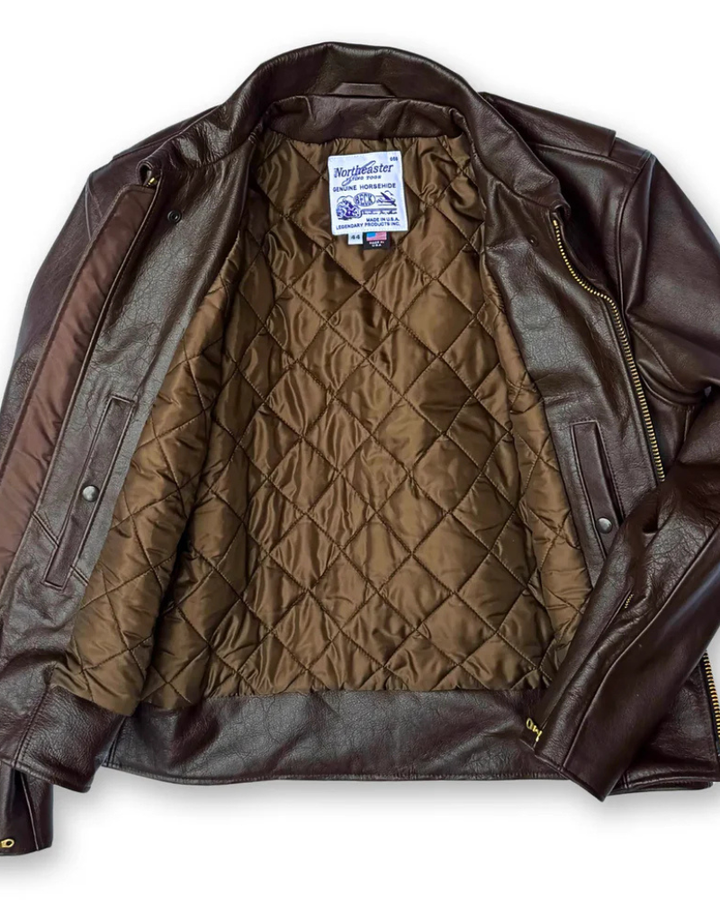
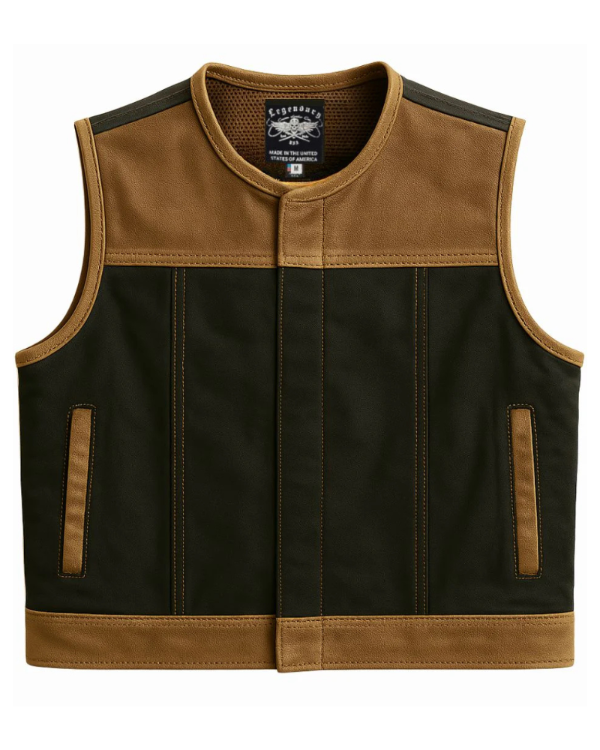
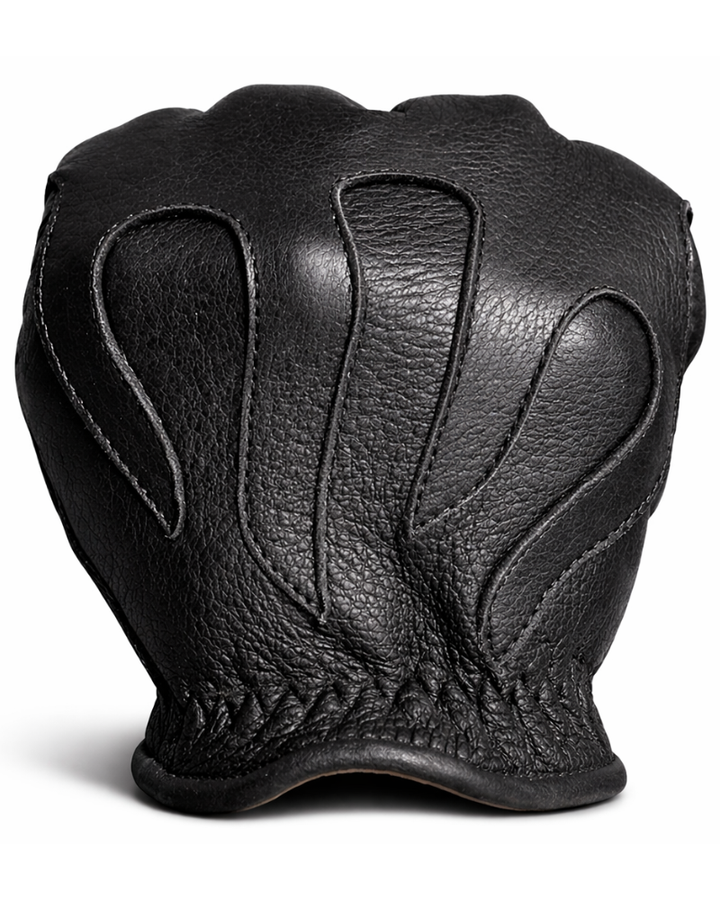
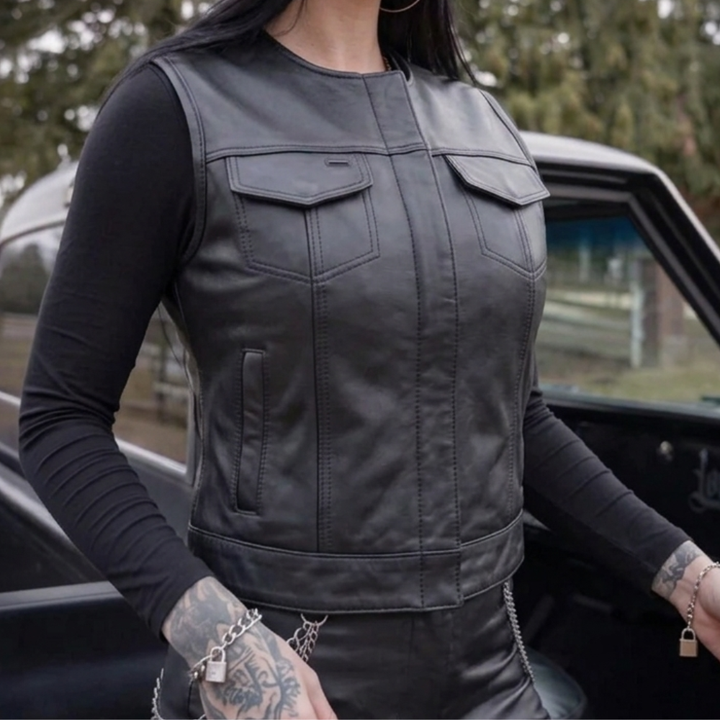


To store leather motorcycle gear the right way, clean and dry each piece, condition it lightly, and keep it in a cool, dark, well-ventilated spot on a wide hanger or flat shelf. Never seal leather in plastic and never leave it in a hot attic or damp garage. Do that, and your deerskin gloves, leather vests, and horsehide jackets will hold their shape, finish, and fit for years. This guide walks through exactly how to store leather motorcycle gear season after season.
At Legendary USA we have spent years watching riders retire good American-made leather long before its time, almost always because of how it was stored, not how it was ridden. Leather is a natural material. Treated right, it outlasts almost everything else in your kit. Left in the wrong conditions, it dries, cracks, molds, or loses its shape in a single off-season.
Why proper leather storage matters

Storage is where most leather gear quietly dies. A pair of full-grain deerskin gloves that survived ten thousand miles can be ruined by one summer in a sealed plastic tote in a hot garage. Leather is skin, and like skin it needs air, moderate temperature, and a little moisture to stay healthy.
Three things do the damage: heat, moisture extremes, and pressure. Heat drives out the natural oils and leaves leather stiff and brittle. Trapped moisture breeds mildew and rots stitching. Constant pressure from a bad hanger or a tight fold sets creases that never fully relax. Good storage simply removes all three threats. Everything below comes back to that.
How to prep leather gear before storage
Clean the gear before you put it away, because dirt, sweat, and road grime keep working on leather while it sits. Wipe down gloves, vests, and jackets with a slightly damp cloth to lift surface grime, then let them air dry completely away from direct heat. For a deeper clean, use a dedicated leather cleaner and follow it with a light conditioner. Our full leather motorcycle glove care guide covers the cleaning steps in detail.
Once the leather is clean and bone dry, apply a thin coat of conditioner and let it soak in. This is the single best thing you can do before a long rest. Conditioner keeps the hide supple so it does not crack while it sits unused. Wipe off any excess. Leather should feel soft and look matte, not greasy. Deerskin drinks conditioner faster than stiffer cowhide, so a little goes a long way on soft hides.
How to store leather gloves
Store leather gloves flat or loosely rolled so the fingers keep their natural shape. Do not cram them into a jacket pocket or the bottom of a drawer, where they take a set and hold the crease. A soft pair of deerskin fleece-lined gloves laid flat on a shelf will winter over perfectly; a pair balled up in a tank bag will come out stiff and misshapen.
Keep gloves out of direct sunlight, which fades and dries leather over months. A breathable cotton bag or an open shelf beats any sealed container. If you ride gauntlet-style gloves like the American whitetail deerskin gauntlets, store them with the cuff open and unfolded so the flare holds its form. Browse the full USA-made motorcycle gloves collection to see how different cuts should sit when stored.
How to store leather vests and jackets
Hang leather vests and jackets on wide wooden or padded hangers that fill out the shoulders. This is non-negotiable. A thin wire hanger concentrates the entire weight of the garment on two narrow points and leaves shoulder dents that conditioning will not fix. Zip or snap the front partway closed so the piece holds its natural shape, and leave a few inches of breathing room on each side.
Never fold a leather jacket for the off-season. Fold lines set into permanent creases in heavy hides like horsehide and cowhide. A vest can be laid flat if you must, but hanging is always better. Cover the gear with a breathable cotton garment bag if dust is a concern. Skip the plastic dry-cleaning bag, which traps moisture and can transfer chemicals to the finish.
Where to store leather: the right environment
Store leather gear in a cool, dark, dry, well-ventilated space, ideally around 50 to 70 degrees Fahrenheit with moderate humidity. A bedroom closet inside the heated and cooled part of your home is usually the safest spot. Avoid the three classic mistakes: the hot attic that bakes the oils out of the leather, the damp basement that grows mildew, and the unheated garage that swings between both.
Give the gear airflow. Leather packed tight against other leather with no air movement is more likely to develop mildew and musty odor. If your storage space runs humid, a small desiccant pack nearby helps; if it runs bone dry, a light re-conditioning mid-season keeps the hide happy.
Deerskin vs. horsehide: do they store differently?
Deerskin and horsehide store under the same rules but react differently to neglect. Deerskin is soft, supple, and quick to absorb conditioner, so it tolerates a rest well but can pick up a crease fast if balled up. Horsehide is denser and stiffer, so it resists creasing but punishes you harder if it dries out, cracking along stress lines. The takeaway: condition stiff hides a touch more heavily before storage, and protect soft hides from pressure. Both belong in the same cool, dry, ventilated closet.
Frequently asked questions about storing leather gear
- How do I store leather motorcycle gear for the off-season?
- Clean and dry each piece first, then store it in a cool, dark, well-ventilated spot away from direct sunlight and heat sources. Hang jackets and vests on wide wooden or padded hangers to protect the shoulders. Lay gloves flat or loosely rolled so the fingers keep their shape. Never seal leather in plastic. Use a breathable cotton garment bag instead, and check the gear once mid-season to make sure it stays dry.
- Can I store leather gloves in a plastic bag?
- No. Plastic traps moisture against the leather, which invites mildew and can cause the finish to break down. Leather needs to breathe. Store deerskin and goatskin gloves in a breathable cotton bag, a shoe box with the lid loose, or simply on an open shelf. If you want extra protection from dust, wrap them in acid-free tissue paper rather than plastic.
- Should I condition leather gear before storing it?
- Yes, condition leather before long-term storage, but do it lightly. A thin coat of quality leather conditioner keeps the hide supple through months of no use and prevents cracking. Let it fully absorb and wipe off any excess before you put the gear away. Avoid over-conditioning, which can leave leather greasy and attract dust. One measured application before the off-season is enough for most gloves, vests, and jackets.
- What temperature and humidity are best for storing leather?
- Leather stores best in a stable, moderate environment: roughly 50 to 70 degrees Fahrenheit with moderate humidity around 40 to 55 percent. Avoid hot attics, damp basements, and unheated garages where temperature and moisture swing hard. Extreme heat dries and cracks leather; damp air breeds mildew. A closet inside the living space of your home is usually the safest place for off-season riding gear.
- How should I hang a leather motorcycle jacket or vest?
- Use a wide wooden or padded hanger that fills out the shoulders. Thin wire hangers dig into the leather and leave permanent shoulder dents that no amount of conditioning removes. Zip or snap the front partway to help the garment hold its shape, and give it a few inches of space on each side so air can move around it. Never fold a leather jacket for long-term storage, since fold lines can set into creases.
- Is it okay to store leather gear in the garage?
- Most garages are a poor choice for long-term leather storage. They swing between hot and cold, often hold damp air, and expose gear to dust, fumes, and pests. If the garage is climate-controlled and dry, it can work. Otherwise, move gloves, vests, and jackets indoors to a closet. Short-term hanging in the garage between rides is fine; months of off-season storage there is not.
The bottom line on storing leather gear
Storing leather motorcycle gear well is simple: clean it, condition it lightly, and keep it cool, dark, dry, and off any pressure point that could set a crease. Do that and a set of American-made deerskin gloves or a horsehide jacket will still fit, flex, and look right when riding season comes back around. Leather rewards riders who put it away with the same care they ride with. Treat your gear like the long-term investment it is, and it will give you miles for years to come.