

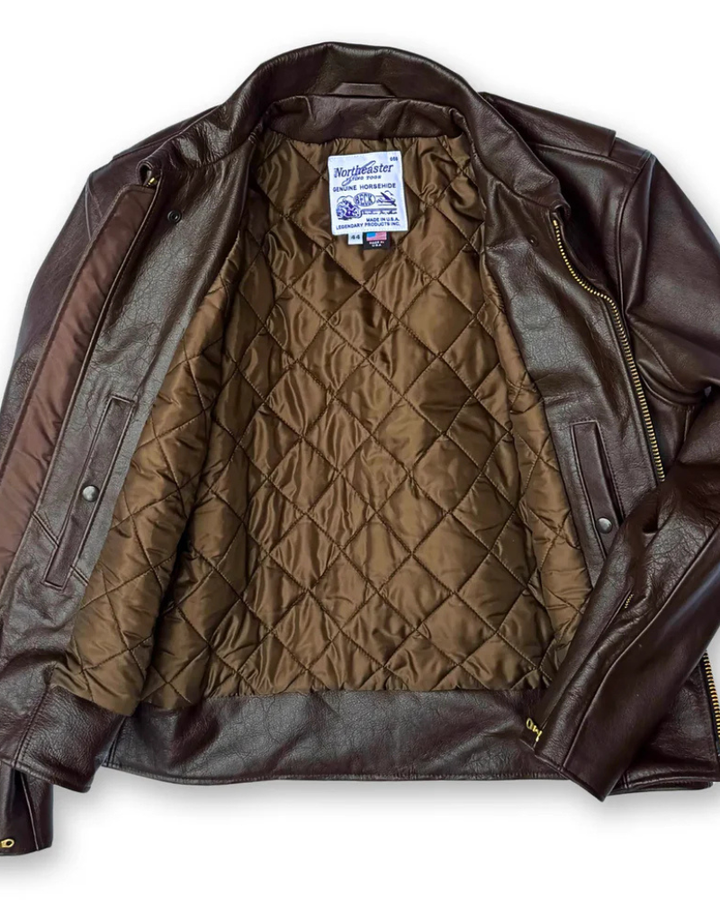
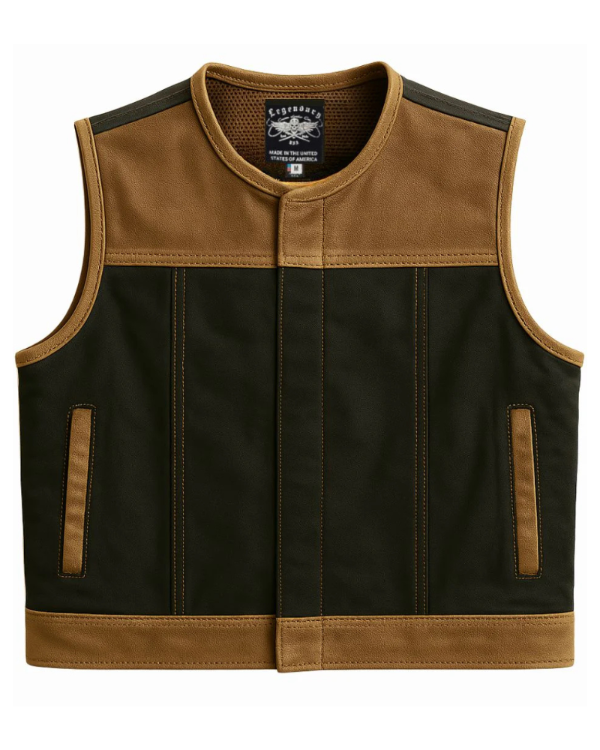
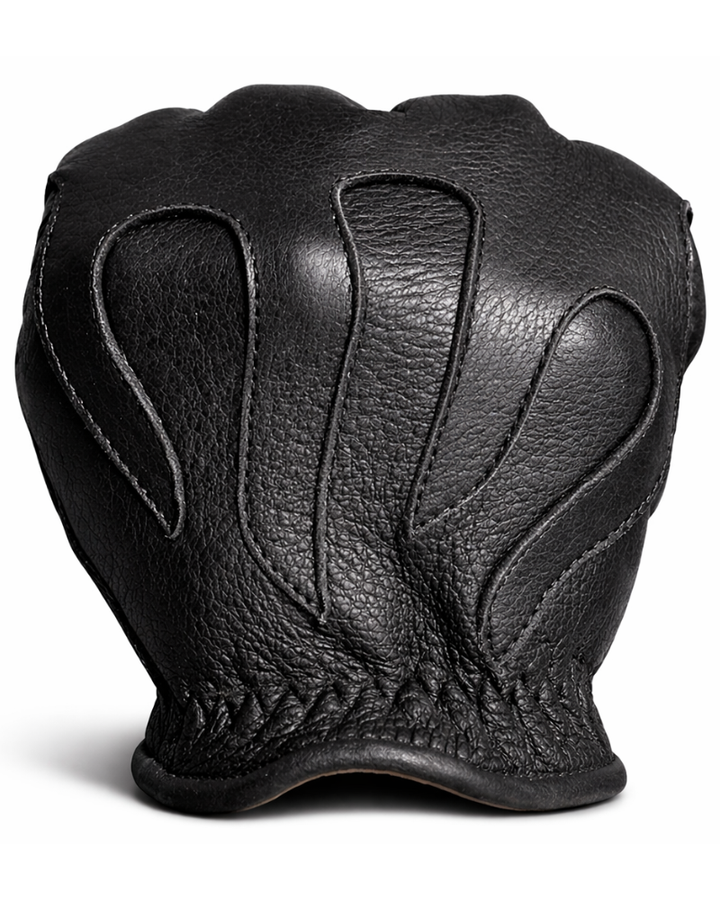

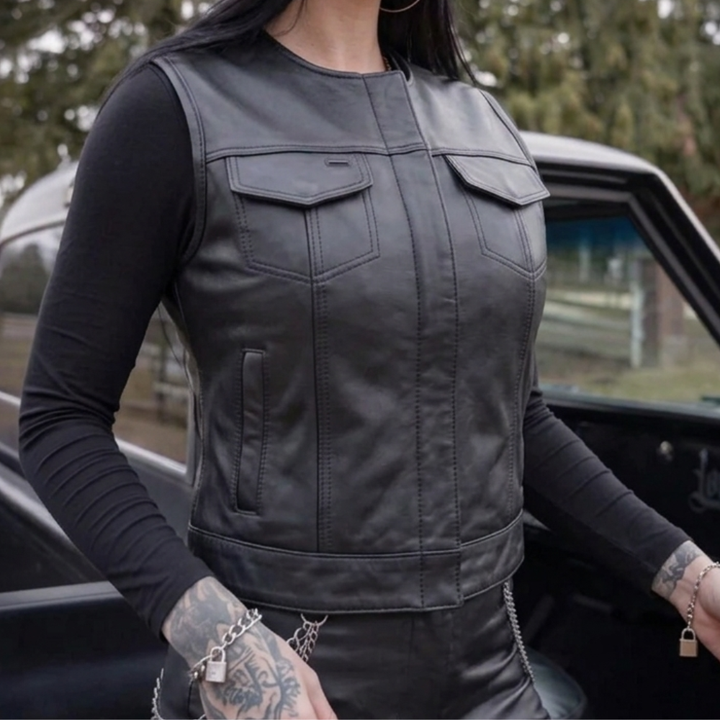


To inspect leather motorcycle gear for wear, work through four checkpoints in order: the hide itself, the stitching, the hardware, and the fit. A summer of rally miles, heat, and sweat does more damage to leather gloves and vests than the rest of the year combined, which is why Legendary USA recommends a full inspection every year in late August or early September. The whole process takes twenty minutes and tells you exactly what to repair, what to condition, and what to replace before fall riding.
Start With the Hide

Clean the gear first — you cannot inspect leather you cannot see. Then work under good light and check the hide for thin spots, cracks, and dryness. On gloves, press the palm between your fingers: full-grain deerskin or goatskin should feel dense and even, not papery. A shiny, compressed patch at the grip points means the hide is thinning.
Distinguish patina from damage. Darkened palms, soft creases, and scuffs are the normal record of miles and take nothing away from the leather's strength. Cracking along flex lines, leather that stays board-stiff after conditioning, or any spot you can see light through — that is structural wear, and no conditioner brings it back.
Check Every Seam
Stitching fails before hide does on a well-made glove. Run a fingernail along each seam and watch for broken threads, fuzzy abraded thread, or stitches pulling out of the leather. On outseam-constructed gloves the stitching sits exposed on the outside of the glove, which makes this check easy — and makes catching a frayed seam early worth the look.
On vests, pay attention to the armholes, the bottom hem, and anywhere patches are sewn through the leather. A seam starting to open at the armhole is a cheap repair in September and a torn panel by next July.
Test the Hardware
Snaps should close with a firm click and hold under a sharp tug. Zippers should run the full track without catching, and the pull should not wobble on its slider. On a vest, check the pocket snaps and any concealed-carry pocket closures — hardware you rely on is hardware worth testing off the bike. Loose hardware is almost always repairable; note it and get it fixed rather than living with it.
Repair or Replace: How to Decide
The dividing line is simple. Stitching and hardware problems are repairs: popped seams, loose snaps, and dragging zippers can all be fixed for far less than replacement. Structural hide problems are replacements: worn-through palms, cracked flex zones, and leather too dry to recover. A glove with sound leather and one popped seam has years left. A glove with perfect seams and a papery palm does not.
If the inspection sends you shopping, the full Legendary USA motorcycle gear collection covers American-made replacements, and the deerskin fleece-lined short-wrist gloves are worth a look now — cold mornings arrive before most riders replace the summer pair that just failed inspection.
Condition Before You Store
Once the gear passes inspection, clean it properly and apply a light coat of leather conditioner. Summer sun and sweat strip oils out of the hide, and replacing them now prevents the stiffness that riders blame on winter storage but that actually started in August. Our guide to protecting leather gear from sun and heat covers the damage summer does, and our leather glove care guide walks through cleaning and conditioning step by step.
Frequently Asked Questions
- How often should I inspect my leather motorcycle gear?
- Give leather gear a close inspection twice a year — once after the heavy summer riding season and once before spring riding starts. Late August and early September is the right time for the post-season check because rally miles, heat, and sweat do most of a year's damage in those months. Between full inspections, a quick look at seams and hardware whenever you condition the leather will catch most problems early.
- What are the signs that leather motorcycle gloves are worn out?
- Look for thin, shiny spots in the palm where the hide has compressed, broken or fuzzy stitching along the seams, fingertips wearing through, and leather that stays stiff after conditioning. A glove that has stretched so far it folds under your grip is also done, even if the leather itself looks fine. Surface scuffs and darkened palms are normal patina, not wear-out — the difference is whether the hide is still thick and the seams still hold.
- Can worn leather motorcycle gear be repaired?
- Often, yes. Popped stitches, loose snaps, and a failing zipper pull are repairs any leather shop can handle for less than the cost of replacement. Thin, cracked, or torn hide is different — once the leather itself has worn through or dried past recovery, patching it is a short-term fix. The rule: hardware and stitching are repairable, structural hide damage usually is not.
- Why does leather gear wear out faster in summer?
- Heat, UV exposure, and sweat all attack leather at once in summer. Sun dries the natural oils out of the hide, which leads to stiffness and cracking. Sweat drives salt into gloves and vest linings, and salt pulls moisture out of leather from the inside. High-mileage months also mean more flex cycles at every seam. That combination is why a post-summer inspection catches problems a spring inspection misses.
- Should I condition leather motorcycle gear after inspecting it?
- Yes — inspection and conditioning belong in the same session. Clean the leather first so you can actually see the hide, inspect it in good light, then condition it once you know it is sound. Conditioning worn-through leather wastes product, and conditioning dirty leather seals grime into the grain. A light coat of a quality leather conditioner after the post-season inspection sets the gear up for fall riding and winter storage.
Twenty minutes with your gear in good light is the cheapest insurance in riding. Catch the frayed seam now and it costs a repair; find it at speed next spring and it costs a glove. Legendary USA builds gear from full-grain American hides because leather inspected and cared for this way outlasts the bike it rides on.