

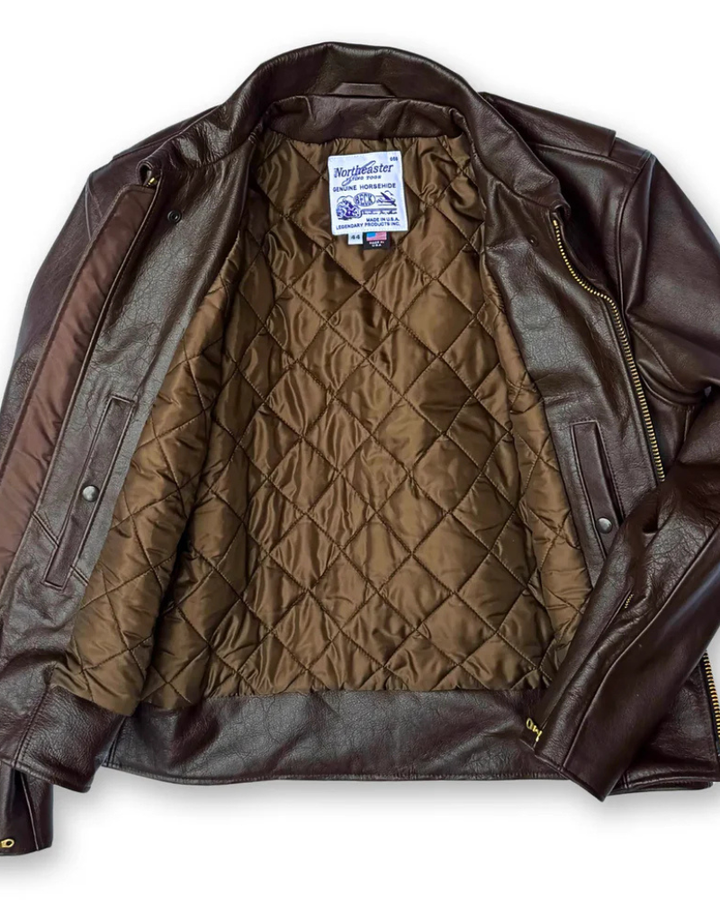
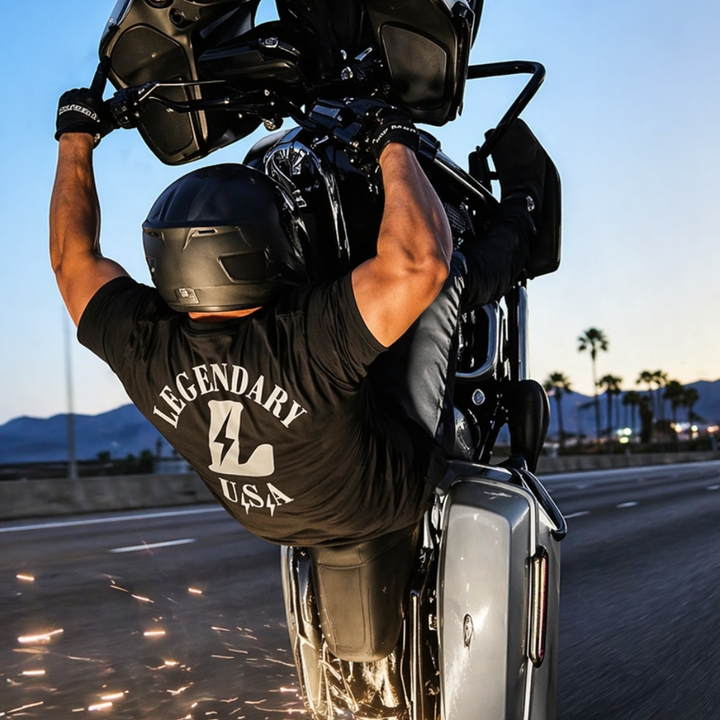


The long-distance rider is the oldest character in American motorcycle culture. Before there were clubs, rallies, or a leather industry built around riding, there were people crossing a country with almost no pavement. Nearly every gear standard riders take for granted — how a glove seam should sit, why a vest beats a heavy jacket, why leather has to breathe — was worked out by people covering serious distance.
Cannon Ball Baker and the country without roads

Erwin George Baker, known everywhere as Cannon Ball, started setting transcontinental records by motorcycle in the 1910s. He rode across an America that had barely begun to pave anything outside its cities, on machines with minimal suspension and no weather protection. His name eventually attached itself to the Cannonball Run.
What those rides proved is that the motorcycle was a distance machine, not a Sunday novelty. They also made the equipment question urgent. Twelve hours into a day on an unpaved road, gear stops being an accessory and becomes the difference between finishing and quitting.
Route 66, the Motor Maids, and the shape of American riding
Route 66, established in 1926 from Chicago to Santa Monica, did more than move traffic. It gave American riders a shared route and turned "going the distance" into something ordinary people could do on a two-week vacation.
In 1940 the Motor Maids were founded, one of the earliest organized women's motorcycle groups in North America, chartered by the American Motorcyclist Association. Members rode long distances to national meets from every corner of the country. This tradition was never one kind of rider.
The Sturgis Motorcycle Rally began in 1938 in western South Dakota, and its geography mattered. Sturgis is nowhere near most of the American population, so getting there was always a ride in itself — the trip out and back part of the rally, not a chore.
What endurance riding taught the gear
Long-distance riders are the most demanding customers a gear maker can have, because everything gets tested past the point where it hides. Gloves show this clearly. A glove that feels fine on an hour-long ride can be miserable at hour six. Interior seams become pressure points. A glove that fits with your hand flat can bind with your hands closed around the bars. Leather that does not breathe leaves your hands soaked by noon.
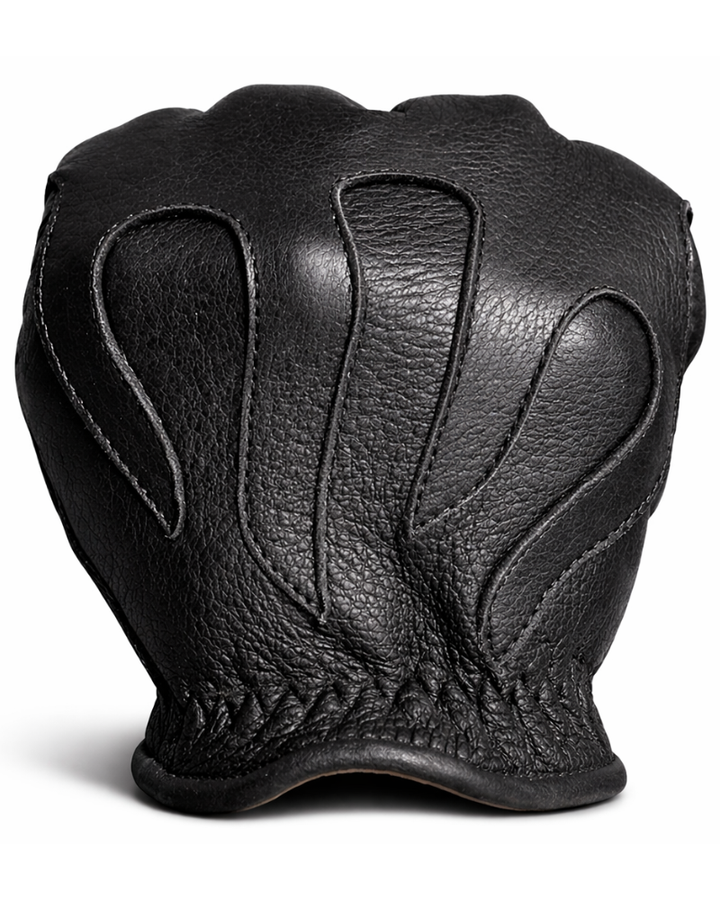
Those problems produced specific answers. Outseam construction puts the seam allowance on the outside of the glove, leaving a smoother interior with nothing bearing on your fingers — a detail that barely registers on a short ride and matters enormously on a long one. Legendary USA builds the ILL Dozer perforated deerskin gloves that way for this reason.
The keystone thumb came from the same tradition — a separately cut thumb piece that lets the thumb move naturally in a curled grip. Perforation answered heat. Deerskin answered comfort, one of the softest hides available, though it is a comfort leather rather than an armor leather and we have always been direct about that. Goatskin is tougher but firmer from day one. Long-distance riders tend to own both.
Why the vest, not the second jacket
The American riding vest is a product of distance too. A rider crossing three states meets a 40-degree temperature swing, and the answer is layers you can add and shed without unpacking, not one heavy garment that is wrong twice a day.
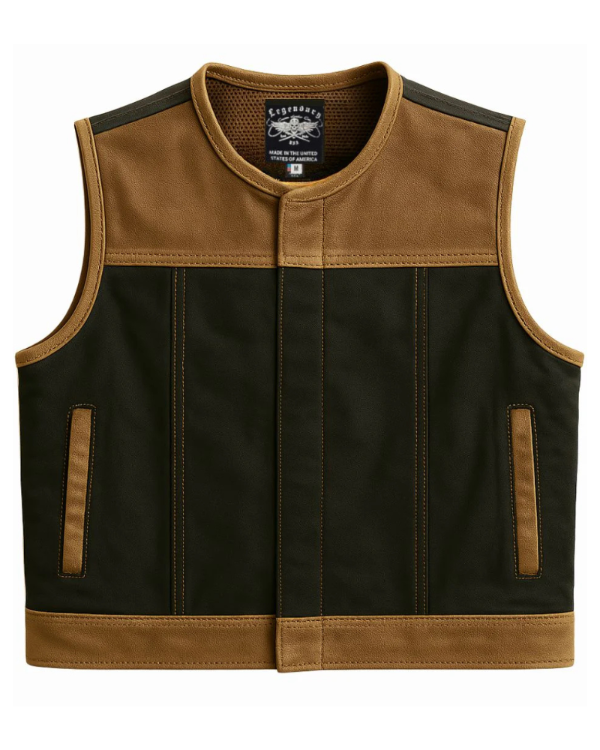
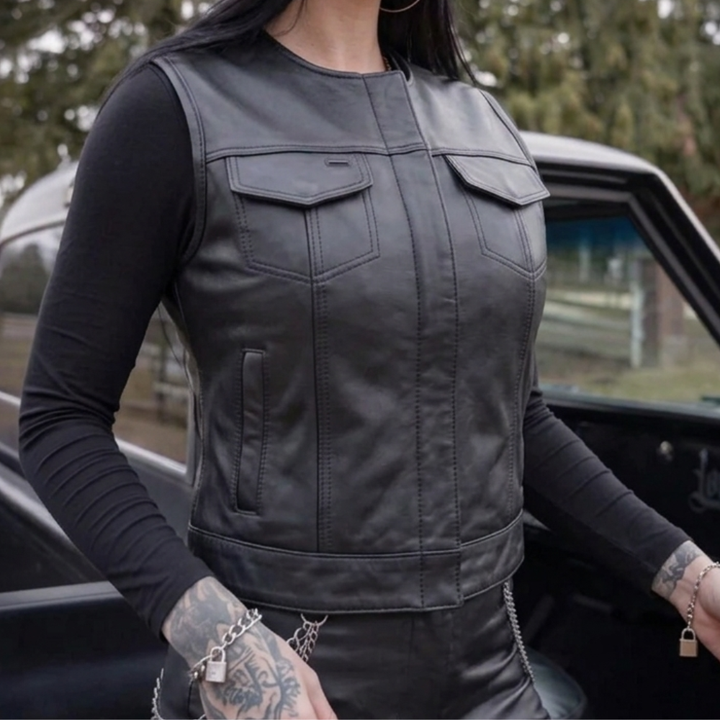
A vest adds core warmth without bulk at the shoulders, packs flat, and carries the patches that mark where a rider has been. On a long-distance rider, a vest is a record. The Black Jack lightweight motorcycle vest keeps that function while staying honest about hot-weather touring, and the USA-made motorcycle vests range spans the weights riders use across a season.
The tradition is still running
The Iron Butt Association formed in the 1980s to document what riders had been doing informally for seventy years. Its SaddleSore 1000 — a thousand miles in twenty-four hours, verified with fuel receipts — became the entry point for certified endurance riding. The association is clear that these are rides, not races, and that planning rest is part of the discipline.
Every August, tens of thousands of riders make the same kind of trip Cannon Ball Baker made a century ago, on better machines and roads, for the same reason: the distance itself is the point. Legendary USA has outfitted those riders since 2001, and the questions from someone planning a week on the road are the ones endurance riders have always asked. Does it breathe. Is it comfortable past hour four. Will it be good next season. For more, see our history of the short-wrist glove in American riding.
Frequently asked questions
- Who was Cannon Ball Baker?
- Erwin George Baker, known as Cannon Ball Baker, was an American endurance rider who set transcontinental speed records by motorcycle and automobile beginning in the 1910s. He rode coast to coast across a country with very little paved road, and his runs made long-distance riding a public spectacle. He is one of the founding figures of American endurance riding culture.
- What is an Iron Butt ride?
- An Iron Butt ride is a documented long-distance motorcycle ride certified by the Iron Butt Association, which formed in the 1980s to recognize endurance riders. The best-known certification is the SaddleSore 1000, covering 1,000 miles in 24 hours with fuel receipts as documentation. The association emphasizes that these are rides to be completed safely and legally, not races.
- Why do long-distance riders care so much about gloves?
- Because hands take the most sustained abuse on a long ride. Wind, vibration, sun, and grip pressure work on the same points hour after hour, and a seam that is unnoticeable in an hour becomes a hot spot by hour six. Long-distance riders learn to care about seam placement, fit in the riding position, and whether a glove breathes.
- What is outseam glove construction and why does it matter on long rides?
- Outseam construction places the seam allowance on the outside of the glove instead of the inside, leaving a smoother interior with less material pressing against the sides of your fingers. On a short ride the difference is subtle. On a 500-mile day, interior seams become pressure points. Legendary USA builds the ILL Dozer deerskin gloves with outseam construction for this reason.
- When did Sturgis begin, and how is it connected to long-distance riding?
- The Sturgis Motorcycle Rally began in 1938 in Sturgis, South Dakota, and grew into one of the largest motorcycle gatherings in the world. Its connection to long-distance riding is geographic. Sturgis sits far from most of the country's population, so getting there has always been a ride in itself, and the trip out and home is part of the rally.
The bottom line
American motorcycle culture was built by people who went far. The rallies, the routes, the clubs, and the gear trace back to riders who decided the distance was worth it and worked out what they needed to survive it comfortably. That is still the standard worth building to — not what looks right parked, but what works at hour six.