



Military flight jacket specs translate to riding because pilots and riders fight the same problem: cold wind moving fast past an exposed body. The features the military engineered for the cockpit, knit cuffs, wind-sealing waistbands, storm flaps, and dense leather shells, do real work on a motorcycle too. The one spec that does not carry over is crash protection, because flight jackets were never built for abrasion or impact.
At Legendary USA we sell both heritage flight jackets and gear for people who ride every week, so we know which military details earn their place on the road and which are just decoration. Here is how to read a military spec like a rider.
Knit cuffs, collars, and waistbands seal out wind

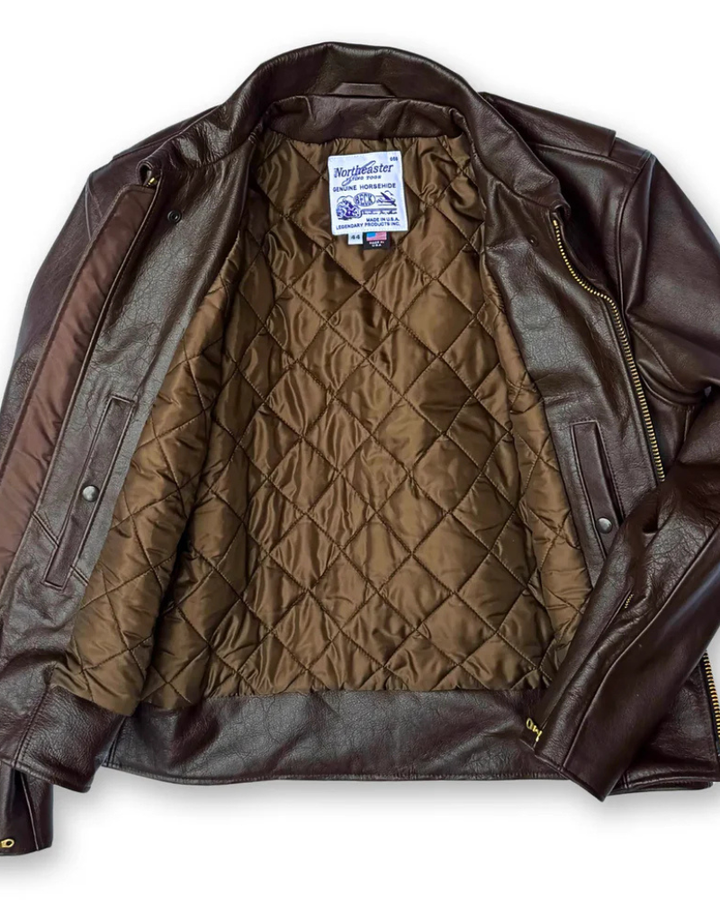
The ribbed knit trim on a flight jacket is the single most transferable spec to riding. In an unheated cockpit, a gap at the wrist or waist let freezing air pour in, so the military closed those gaps with stretchy knit that moved with the pilot. On a motorcycle you face the same fast, cold air, and the same fix works: knit cuffs seal against your glove gauntlets, a knit collar keeps wind off your neck, and a knit waistband stops the jacket from parachuting at highway speed. When you try a military-style jacket, tug the cuffs and waistband. If the knit has lost its stretch, it has lost its function.
Heavy leather shells block wind the way riders need
The leather the military chose for flight jackets is exactly what a rider wants for wind. The A-2 and G-1 were built from horsehide and goatskin because those hides are dense, wind-tight, and tough enough to survive years of hard use. Horsehide in particular is more wind-resistant and water-shedding than most cowhide, which is why it dominated early flight jackets. On the road, that density means the wind stops at the leather instead of cutting through it. If you want to go deeper on the leather itself, our breakdown of horsehide vs. cowhide explains how each hide rides and ages.
Collar style tells you how it layers under a helmet
The collar spec decides how a military jacket works with a helmet, and the two classic patterns behave differently. The A-2 uses a flat, shirt-style leather collar that lays clean under a full-face or three-quarter helmet with no bulk at the neck. The G-1 adds a mouton fur collar that traps extra warmth but sits higher, so it suits open-face riders and colder days more than a tucked-in helmet fit. Neither is wrong; they are tuned for different rides. Know which one matches your helmet before you buy.
Storm flaps and back panels earn their keep
Two more military details pay off on a bike: the storm flap and the bi-swing back. A storm flap is the strip of leather behind the zipper that blocks wind from driving straight through the zipper teeth, and at 60 mph you feel the difference. The bi-swing back, a pleated panel across the shoulders on jackets like the G-1, was built so a pilot could reach the controls without the jacket binding, which is the same reach you make for handlebars. When a jacket has these, it was designed to move. When a fashion copy drops them, it was designed to hang on a rack.
The spec that does not transfer: protection
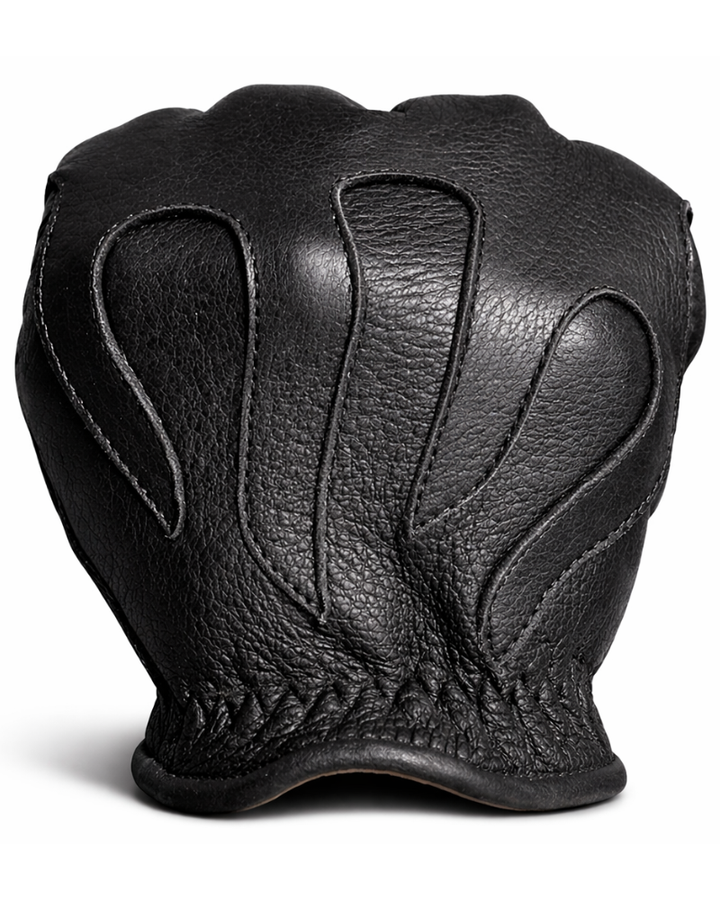
Here is the honest limit. Military flight jackets were engineered for wind, cold, and durability, not for crash protection. There is no armor, no impact padding, and no abrasion rating in an A-2 or G-1, because a pilot's risk was the cold, not the pavement. A heavy horsehide shell resists road grit better than nylon or a light fashion jacket, but it is not certified protective gear. Treat a flight jacket as your wind-and-cold layer. If you want impact coverage, wear a back protector and an armored base layer underneath, or pair the jacket with dedicated riding gloves like our aramid-lined deerskin gloves and reach for purpose-built armor when the ride calls for it.
How to read a military spec before you buy
Put it together and you can size up any military-style jacket fast. Feel the shell weight, because real flight jackets use heavy leather or heavyweight nylon and copies feel thin. Tug the knit trim for stretch. Check the collar against your helmet. Look for the storm flap and, on Navy patterns, the bi-swing back. Confirm the maker has genuine flight-jacket heritage rather than a stamped logo. Do that, and you will buy a jacket that rides the way the military intended, not one that only looks the part. Browse the full lineup in our motorcycle gear collection to compare patterns side by side.
Frequently asked questions
- Do military flight jackets work for motorcycle riding?
- Many military flight jacket features work well for riding because pilots and riders face the same enemy: cold wind moving fast past an exposed body. Knit cuffs, storm flaps, wind-sealing waistbands, and heavy leather shells all transfer directly to the road. What does not transfer is crash protection, since flight jackets were never built for abrasion or impact. Use a flight jacket for wind and cold, and add dedicated protection if you want impact coverage.
- Why do flight jackets have knit cuffs and waistbands?
- Flight jackets use ribbed knit cuffs, collars, and waistbands to seal warm air inside and keep cold wind out. In an unheated cockpit, any gap at the wrist or waist let freezing air pour in, so the knit trim closed those gaps while still allowing movement. On a motorcycle the same wind hits you at speed, so knit cuffs that seal against your gloves and a waistband that stops the jacket from ballooning are two of the most useful features a rider can have.
- What is the difference between an A-2 and a G-1 flight jacket?
- The A-2 was the Army Air Forces leather flight jacket with a shirt-style collar and a snap-down front, usually in horsehide or goatskin. The G-1 was the Navy version, distinguished by a mouton fur collar and a bi-swing back for shoulder movement. Both are heavy leather jackets that block wind and age into a patina. For riding, the A-2's plain collar layers cleanly under a helmet, while the G-1's fur collar adds neck warmth for cold rides.
- Is horsehide better than cowhide for a riding jacket?
- Horsehide is denser and more wind-tight than most cowhide, which is why it was favored for military flight jackets and why many riders prefer it. It resists water and wind well and develops a hard, distinctive patina over years of use. Cowhide is typically thicker and more supple out of the box, so it breaks in faster and feels softer sooner. Both are strong choices; horsehide rewards patience, while cowhide rewards riders who want comfort from day one.
- How do I know if a military-style jacket is authentic?
- An authentic military-pattern jacket keeps the details that had a function: the correct collar style for its type, a real leather or heavyweight nylon shell, sturdy hardware, and clean pattern-correct construction. Fashion copies thin out the shell, swap the hardware for lighter zippers, and drop features like storm flaps or bi-swing backs. Feel the weight of the material, check the stitching at stress points, and look for a maker with genuine flight-jacket heritage rather than a generic label.
- Can a military jacket replace a dedicated motorcycle jacket?
- A heavy leather military jacket can serve as your wind and cold layer, and a horsehide A-2 or G-1 handles road grit well. What it cannot do is provide certified impact protection, because flight jackets were never designed with armor. If you want abrasion and impact coverage, either wear a back protector and armored base layer underneath or choose a purpose-built riding jacket. Match the jacket to the ride: heritage leather for wind and cold, armored gear when protection is the priority.
Military jacket specs were solved a long time ago by people who needed gear that worked in brutal conditions. Most of those answers still hold on the road, as long as you read them for what they are. Buy for the wind-blocking and the durability, respect the limit on protection, and a heritage flight jacket becomes one of the most honest jackets in your rotation.