



You prevent mildew and odor in leather motorcycle gear by drying it completely after every ride and storing it with air moving around it. Mildew needs two things to grow: moisture and still air. Take away either one and it never starts. That is the whole method, and it costs nothing.
August is when this catches up with riders. Sweat volume peaks, humidity peaks, and gear that got soaked at a rally in the first week of the month is still sitting in a saddlebag by the middle of it. By the time you smell something, mildew has already been growing for days.
Dry Gear Before You Store It, Every Time

Damp leather in a closed space is the entire problem. When you get home, pull your gloves off finger by finger rather than yanking them from the cuff, which keeps the lining and the finger seams from turning inside out. Open the cuffs wide and stand the gloves upright so air can reach the inside.
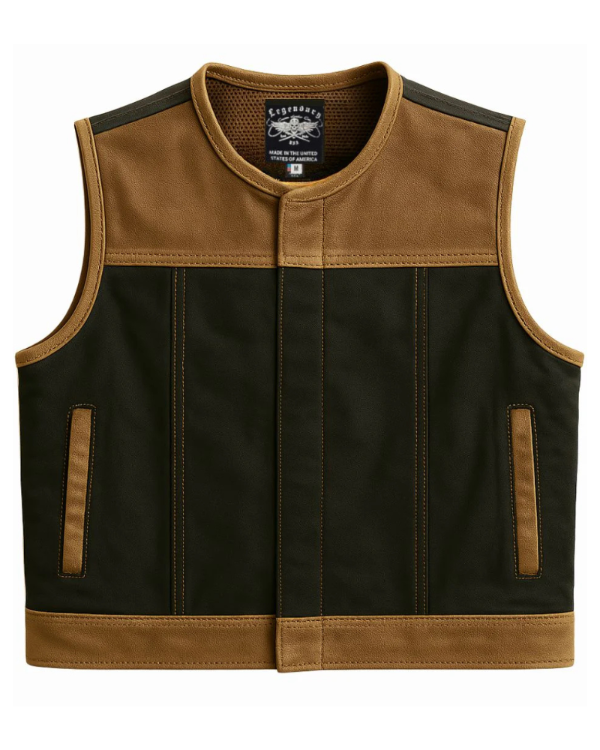
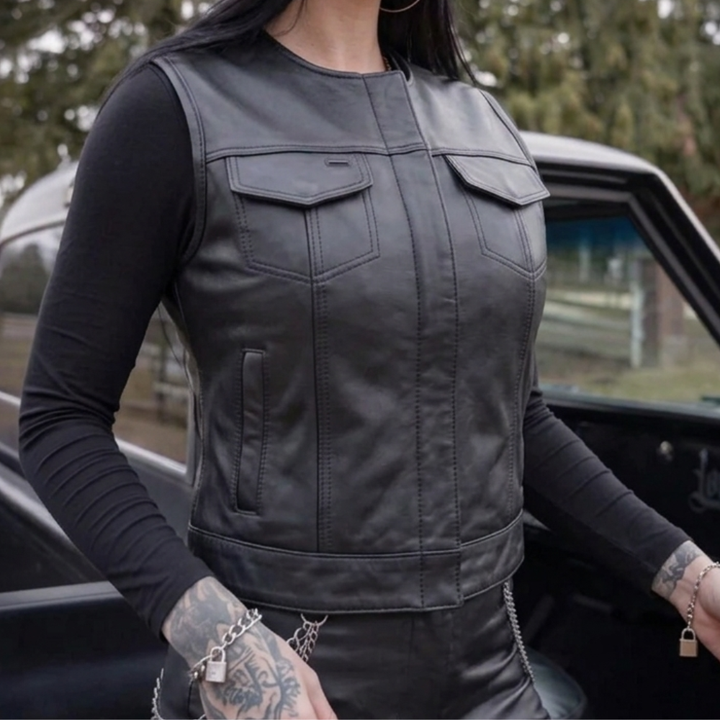
Hang a leather vest on a wide hanger with space on both sides. Do not fold it, and do not drop it on a chair where one side stays pressed against fabric. Give both gloves and vest a full night at room temperature before they go anywhere.
Never dry leather with heat. A heater vent, a hair dryer, a hot dashboard, or direct sun will drive the oils out of the hide and leave it stiff and prone to cracking. Room-temperature air is slower and it is the only method that does not damage the leather. Our guide on how to dry wet leather motorcycle gloves covers the wet-weather version of this.
Stop Using Your Saddlebag as a Glove Box
A saddlebag is a sealed, dark, warm container, which is a close description of a mildew incubator. So is a helmet with gloves stuffed inside it, and so is a jacket pocket. Damp leather left in any of those stays damp for eight or ten hours and comes out sour.
The habit that fixes it is simple. Gloves come out of the bag when you get off the bike. Every time. Riders who do this never deal with glove odor, and riders who do not deal with it constantly.
Rotate Two Pairs of Gloves in Humid Months
One pair of gloves ridden daily in August never gets a full drying cycle. A second pair does more for odor control than any spray or powder, because each pair gets a complete day of air between wears.
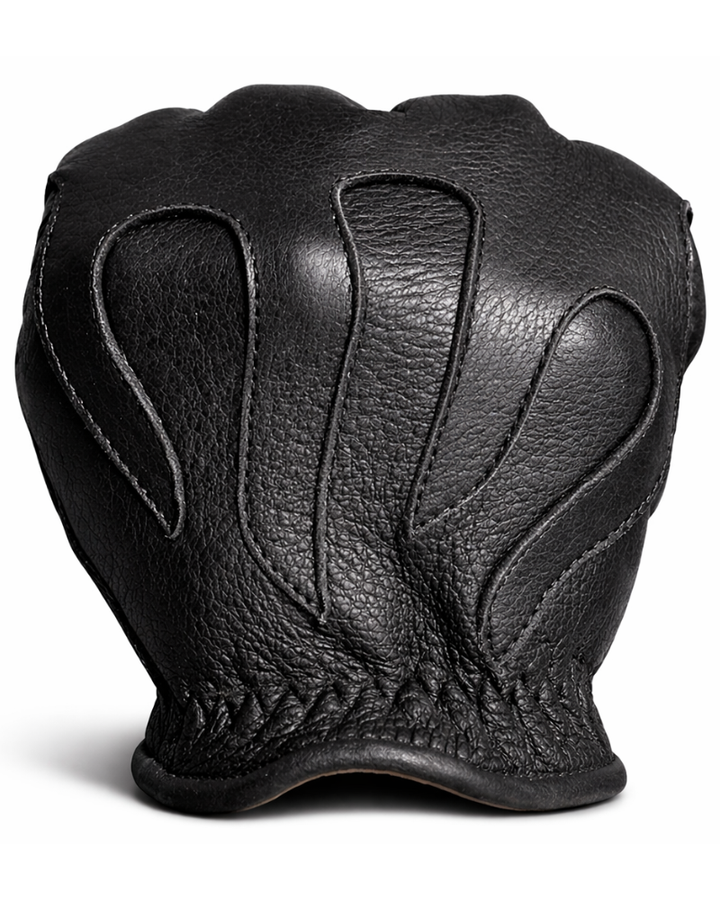
A practical summer rotation is one perforated pair and one solid unlined pair. The ILL DOZER perforated deerskin glove handles the hottest afternoons, and a solid pair covers cooler mornings and wet roads. Both come out of the Made in USA motorcycle gloves collection, and both dry faster when they are not being worn back to back.
Cleaning vs Conditioning: Know Which Problem You Have
Cleaning removes salt, grime, and the residue sweat leaves behind. Conditioning replaces the oils that cleaning and sun exposure take out. They solve different problems and doing the wrong one makes things worse.
If gear smells, it needs cleaning and drying, not conditioner. Piling conditioner on damp or dirty leather seals moisture in and gives mold something to feed on in humid air. Clean first, dry completely, then condition thinly and wipe off whatever the hide does not absorb. Full detail is in our guide to caring for leather motorcycle gloves.
Storing Leather Through a Humid Stretch
Leather needs to breathe in storage. A breathable cotton garment bag is fine for a fully dry vest. A plastic garment bag, a vacuum bag, or a sealed tote is not, because any moisture still in the hide has nowhere to go.
In a humid climate, the closet matters more than the product. A small dehumidifier or a container of moisture absorber in the space where your gear hangs does more real work than anything you can rub into the leather. Keep gear off concrete floors and away from exterior walls, both of which hold moisture.
What to Do If Mildew Has Already Started
Take the piece outside before you touch it, so you are not scattering spores through the house. Brush the surface growth off with a dry soft brush. Then wipe the area with a cloth dampened in a leather-safe cleaner and wrung out well, working in small sections rather than soaking the panel.
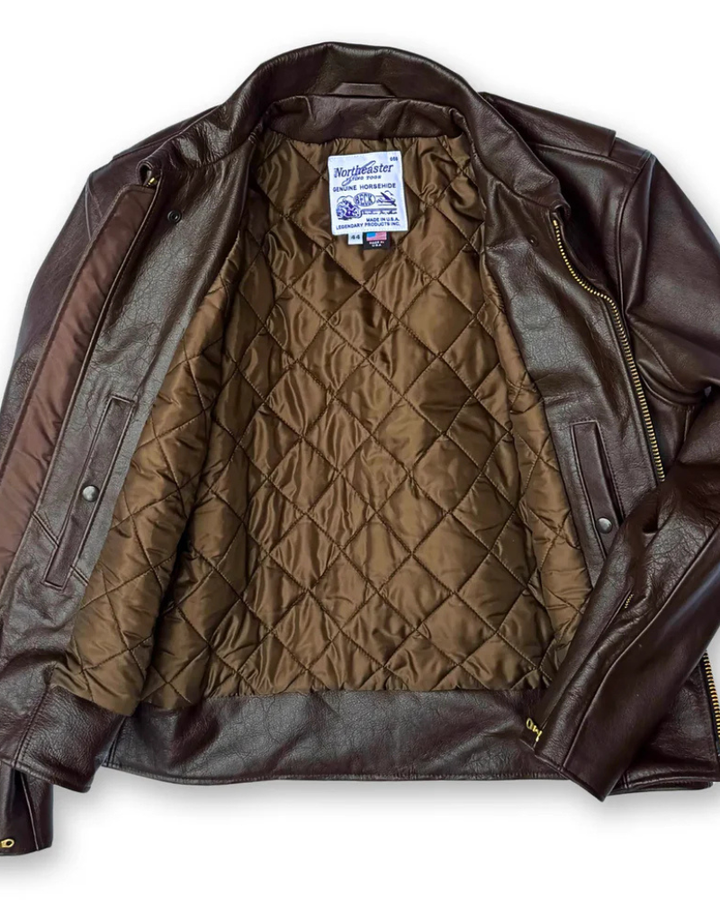
Let it air-dry completely, out of direct sun, then condition it lightly. If the growth reached the lining, or if the leather still smells sour once it is fully dry, hand it to a professional leather cleaner. Aggressive home remedies do more damage to a vest than the mildew did.
Frequently Asked Questions
- How do I prevent mildew on leather motorcycle gear?
- Prevent mildew by drying leather gear completely after every ride and storing it with airflow around it. Hang gloves cuff-open and vests on a wide hanger at room temperature, never in a sealed bag, plastic tote, or saddlebag. Mildew needs moisture and still air to grow, so removing either one stops it. In humid climates, a small dehumidifier or a moisture absorber in the closet does more good than any leather product.
- What causes leather motorcycle gloves to smell?
- Leather gloves smell because sweat soaks into the hide and then bacteria grow in the damp leather before it dries. The odor is not the leather itself, it is what is living in it. Gloves left in a saddlebag, a helmet, or a jacket pocket stay damp for hours and develop odor fastest. Air-drying gloves fully between rides prevents almost all of it.
- Can I put leather motorcycle gloves in the washing machine?
- No. A washing machine soaks the hide, strips its oils, and agitates the stitching. Leather gloves come out stiff, shrunken, and misshapen. Clean leather gloves by hand with a damp cloth and a leather-safe cleaner, work in small sections, and let them air-dry at room temperature. Condition them once they are fully dry to replace the oils that cleaning removes.
- How do I get mildew off a leather motorcycle vest?
- Take the vest outside first so you are not spreading spores indoors. Brush the surface growth off with a dry soft brush, then wipe the affected area with a cloth dampened in a leather-safe cleaner and wrung out well. Let the vest air-dry completely away from direct sun, then condition it. If the mildew has reached the lining or the leather smells sour after drying, a professional leather cleaner is the better call.
- Should I store leather gear in a garment bag?
- Only a breathable cloth garment bag, and only for gear that is already fully dry. Plastic garment bags and vacuum-sealed bags trap moisture against the leather and create exactly the conditions mildew needs. Leather has to breathe in storage. A cotton bag on a wide hanger with a few inches of air on either side is the right setup for a leather vest or jacket.
- Does conditioning leather prevent mildew?
- Conditioning does not prevent mildew, and over-conditioning can make it worse. Heavy conditioner left on the surface gives mold something to feed on in humid air. Condition leather to keep it from drying and cracking, apply it thinly, and wipe off whatever the hide does not absorb. Airflow and dryness are what stop mildew, not conditioner.
The Short Version
Dry it, hang it, give it air. Gloves come out of the saddlebag the moment you park. Vests hang on a wide hanger with room on both sides. Nothing goes into plastic. Run two pairs of gloves through August so each one gets a real day to dry. Do that and you will never need the mildew removal section of this article, which is the point.