

)

To waterproof leather motorcycle gear, you clean the leather, apply a wax- or oil-based water-repellent treatment made for leather, let it cure, and test it with a few drops of water before you ride. The result is water-resistant leather that sheds rain and dries without damage, not a waterproof garment. Leather is a skin, and no treatment turns stitched, perforated or zippered leather into a sealed shell. Here is the method Legendary USA recommends for deerskin gloves, horsehide jackets and leather vests heading into a cold, wet season.
Step 1: Know what the leather can and cannot do

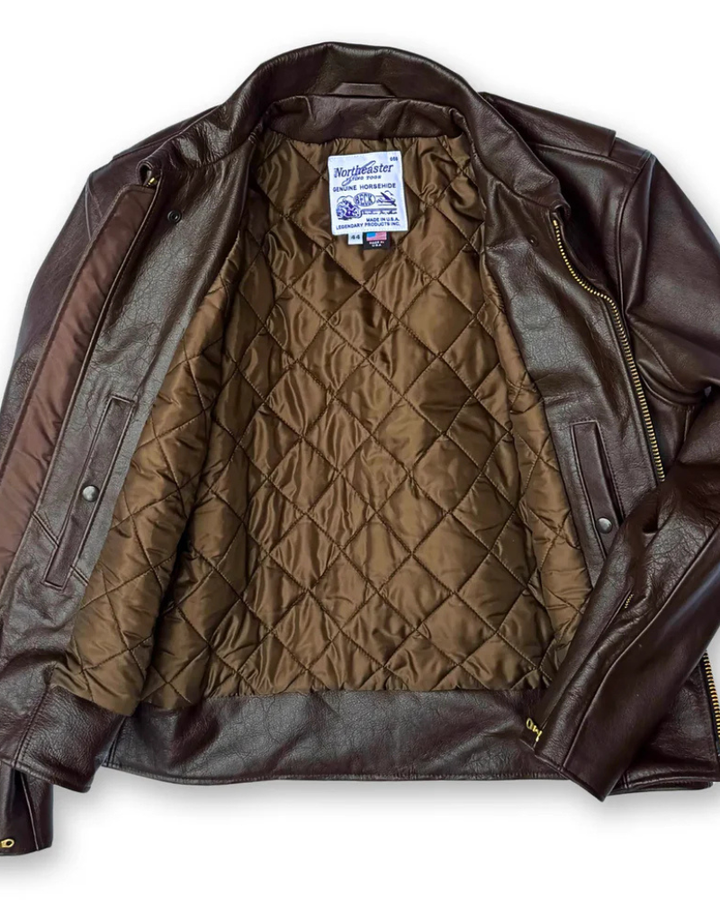
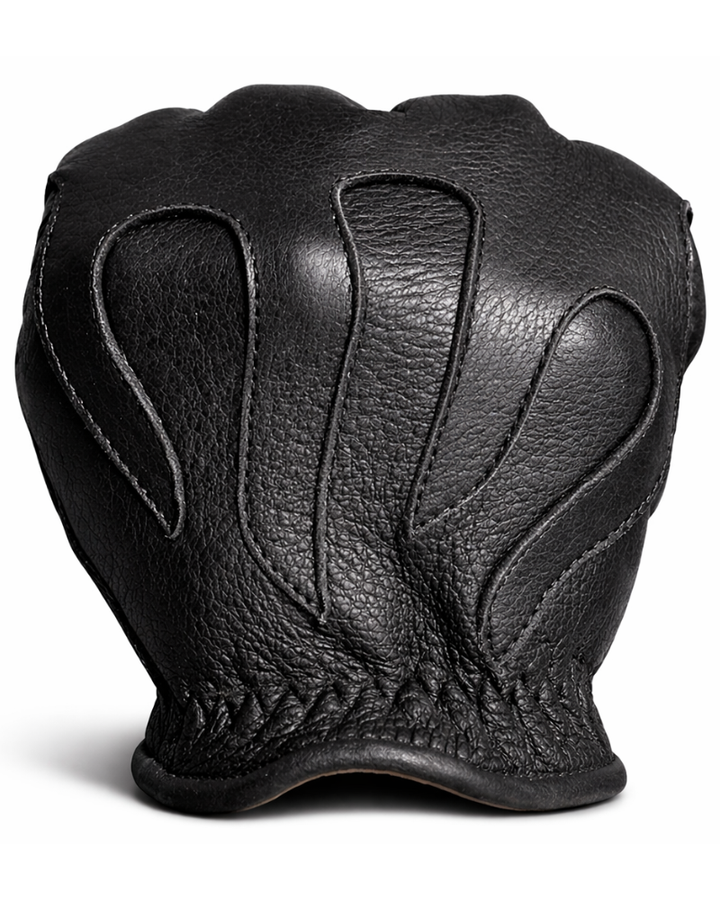
Different hides handle water differently. Legendary USA cuts its gloves from American Whitetail deerskin, which stays pliable through wet and dry cycles without conditioning. That is the reason a deerskin glove soaked in a cold October downpour dries soft, while a cowhide glove can dry stiff. Horsehide, used in our BECK Northeaster line, is dense and wind-resistant, and the 1.3mm front quarter hide on the BECK 732 Northeaster Flying Togs jacket takes a long time to wet through in the first place.
What no hide does is stop water at a seam, a perforation or a zipper. A perforated glove is designed to pass air, and it passes water just as well. Treating leather reduces how much water the hide itself absorbs and how fast it soaks in. It does not make the garment waterproof, and any product that promises otherwise for a stitched leather glove is overselling. Riders who need to stay dry in sustained rain carry a textile rain shell over the leather.
Step 2: Clean the leather before you treat it
Treatment seals in whatever is on the surface, so start clean. Brush off dry dirt with a soft brush, then wipe the leather with a damp cloth and a small amount of leather cleaner or a mild soap made for leather. Avoid household detergents and anything with solvents, which strip the natural oils that keep the hide flexible. Let the leather dry completely at room temperature, away from a heater, before moving on.
Gloves need extra attention at the palm and between the fingers, where road grime and sweat collect. Jackets and vests collect grime at the collar and cuffs. The leather motorcycle gear care guide covers the full cleaning routine for deerskin and goatskin.
Step 3: Choose the right treatment for the hide
For smooth deerskin, goatskin, cowhide and horsehide, a wax-based or oil-based leather water repellent is the right category. These treatments soak into the grain and fill the surface so water beads instead of absorbing. They also darken most leathers slightly and permanently, so test on a hidden spot first, such as the inside of a cuff or under a vest pocket flap.
Skip silicone sprays on riding leather. Silicone sits on top of the hide, blocks the leather from breathing and can leave it feeling tacky at the grip. Skip anything marketed for suede or nubuck unless the garment is suede, which no Legendary USA glove or vest is. Perforated leather should not be treated at all, because the goal of a perforated glove is airflow and a sealed perforation defeats the purpose.
One more honest tradeoff: heavy oil treatments soften leather. On a glove that is already broken in, that can mean a looser fit at the fingers. Use a light coat, let it cure, and add a second only if water stops beading.
Step 4: Apply, cure and test
Work a thin, even coat into the leather with a clean cloth or your fingers, paying attention to seams and stress points where the grain is stretched. On gloves, flex the fingers while you work so the treatment reaches the creases. On jackets, do the shoulders, upper back and the front of the sleeves first, since those surfaces take the most rain at speed.
Let the treatment cure overnight at room temperature. Then test it: put a few drops of water on the back of a glove or a jacket sleeve. If the water beads and rolls, the treatment is working. If it darkens the leather within a few seconds, apply a second light coat and cure again. Repeat the test at the start of each cold season, because treatments wear off with riding and washing.
Step 5: Dry wet leather the right way
Treated or not, leather gear will get wet. How it dries matters more than how it got wet. Never dry leather with direct heat: no hair dryer, no radiator, no dashboard in the sun. Heat cooks the hide, shrinks it and makes it brittle. Blot the leather with a towel, loosely stuff gloves with newspaper or paper towels to hold their shape, hang jackets and vests on a wide hanger, and leave everything to dry slowly at room temperature.
Once dry, flex gloves to restore the shape and check whether the leather feels dry to the touch. Deerskin usually comes back soft on its own. Cowhide and horsehide may want a light conditioner after a thorough soaking. The guide to storing leather motorcycle gear covers what to do once the riding season ends.
When to skip leather and reach for textile
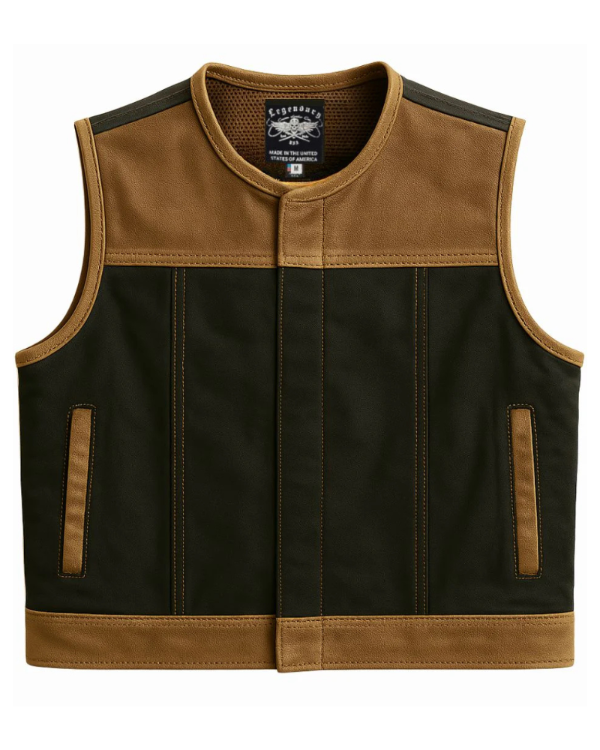
For riders who ride in sustained rain or who want a vest they can hose off, textile is the right call for that piece. Legendary USA's Black Jack Lightweight Cordura Vest uses a water-resistant Cordura nylon shell with leather trim, so it handles a wet ride without any treatment. The comparison is straightforward: leather sheds light rain and lasts for decades; Cordura sheds more water with less care but does not develop the same character. Many riders keep both and pick by forecast.
Gloves follow the same logic. An unlined deerskin gauntlet like the Classic Deerskin Gauntlets handles cold drizzle well because the long cuff keeps water from running into the sleeve, and deerskin dries soft. For a full day of cold rain, a waterproof overglove is the honest answer, not a thicker coat of wax. Browse the full Legendary USA motorcycle gear collection to see which pieces are leather and which are textile.
Treating leather motorcycle gear before the wet season is a 30-minute job that pays off every time you get caught in cold rain. Clean the hide, use a wax- or oil-based repellent made for leather, test it, and dry wet gear slowly. Do that, and your deerskin gloves and horsehide jacket will shrug off most of what fall and winter throw at them, while you stay clear about what leather is and is not.
Cold rain is colder than the thermometer suggests once you add speed. The National Weather Service publishes a cold wind chill chart that shows how wind speed pulls the effective temperature down.
Frequently Asked Questions
- Can you make leather motorcycle gear fully waterproof?
- No. Treating leather makes it water-resistant, not waterproof. A wax- or oil-based repellent reduces how much water the hide absorbs and how fast it soaks in, but stitched seams, perforations and zippers still let water through. Riders who need to stay dry in sustained rain wear a textile rain shell or waterproof overgloves over their leather. Legendary USA does not describe any of its leather gloves, vests or jackets as waterproof.
- What should I use to waterproof leather motorcycle gloves?
- Use a wax-based or oil-based water repellent made specifically for smooth leather. Apply a thin, even coat to clean, dry gloves, flex the fingers while you work so the treatment reaches the creases, let it cure overnight, and test with a few drops of water. Avoid silicone sprays, which block the leather from breathing, and do not treat perforated gloves, since sealing the perforations defeats their purpose.
- Does deerskin get ruined when it gets wet?
- No. American Whitetail deerskin stays pliable through wet and dry cycles without conditioning, which is why Legendary USA uses it for riding gloves. A deerskin glove soaked in cold rain dries soft as long as you dry it slowly at room temperature. The leather that dries stiff after a soaking is usually cowhide. The one rule for any leather is to keep it away from direct heat while it dries.
- How do I dry wet leather motorcycle gloves?
- Blot the gloves with a towel, loosely stuff them with newspaper or paper towels to hold their shape, and leave them to dry at room temperature. Never use a hair dryer, radiator, oven or direct sunlight, because heat shrinks leather and makes it brittle. Once dry, flex the fingers to restore the shape. Deerskin usually comes back soft on its own; cowhide and horsehide may want a light conditioner after a thorough soaking.
- Will waterproofing treatment darken my leather?
- Most wax- and oil-based leather treatments darken leather slightly and permanently. On black deerskin or black horsehide the change is barely visible. On tan goatskin, chestnut horsehide or dark chocolate leather the shift can be noticeable. Always test on a hidden spot first, such as the inside of a cuff or under a pocket flap, and apply a light coat so you can judge the color before committing to the whole garment.
- How often should I re-treat leather riding gear?
- Re-treat at the start of each cold or wet season, and any time the water-bead test fails. Put a few drops of water on the leather: if it beads and rolls off, the treatment is still working; if the leather darkens within a few seconds, apply a fresh light coat. Gloves need re-treating more often than jackets because the palms see constant friction, sweat and cleaning that wear the treatment away.