



Heated motorcycle glove alternatives start with insulation, not batteries. A fleece-lined deerskin glove, a thin windproof liner, or a longer gauntlet cuff covers most cold-weather riding from the 30s into the 50s without a power cable. Legendary USA hand-cuts and stitches its deerskin gloves in the USA, and the fleece-lined short wrist glove carries a 3M Thinsulate 40-gram lining that the product page positions for the 30 to 50°F range.
Why Riders Look for Heated Glove Alternatives

Heated gloves put warmth where you need it, and they work by drawing power from the motorcycle's electrical system or a battery pack. That means a wire or a charged pack, a connection to manage, and one more thing to forget on a cold morning. Plenty of riders would rather pull on a glove and go.
Insulated deerskin gloves, thin liners, and longer cuffs do the job by holding in the heat your hands already make. They do not add heat. If you ride for hours below freezing, a heated glove does something insulation cannot, and we will say so plainly. For the 30s through the 50s, where most fall and spring riding happens, passive warmth is usually enough.
Fleece-Lined Deerskin: The Simplest Swap
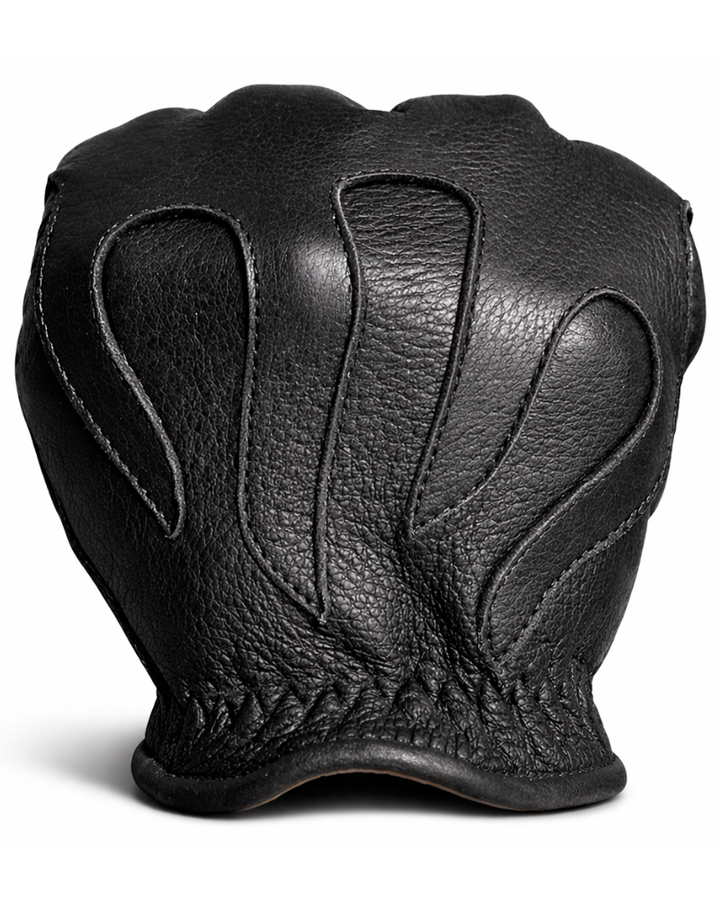
The Fleece-Lined Deerskin Gloves are the closest thing we make to a one-step cold-weather glove. The outer is 100% American Whitetail deerskin and the lining is 3M Thinsulate 40-gram fleece. The product page positions the glove for the 30 to 50°F range, with less bulk than a full winter gauntlet.
Deerskin stays pliable in the cold instead of stiffening the way cowhide tends to, so you keep feel at the throttle and the brake lever. According to the product listing, it also weighs roughly half what cowhide does at equivalent protection. The glove has a keystone thumb, an elasticized short wrist cuff, and American & Efird thread made in the USA.
What Fleece-Lined Gloves Give Up
Lined gloves fit snugger than unlined ones, and the listing tells you to size up one from your normal glove size. A short wrist cuff also leaves a gap if your jacket sleeve does not overlap it. Below 30°F, this glove on its own runs out of margin.
Thin Windproof Liners: Warmth You Add or Remove
Gators Skin Glove Liners slide inside a glove you already own. The listing describes a fabric developed by DuPont that is moisture wicking, windproof and breathable, and it claims the liner is three times warmer than wool. The same listing says you can wear them by themselves or inside other gloves.
A liner makes sense when your mornings are cold and your afternoons are not. You wear it for the first hour, then pull it out when the day warms up. It also stretches an unlined deerskin glove into shoulder season without buying a second pair.
The cost is room. A liner takes up space inside the glove, so a pair that fits snug without it will feel tight with it. Try the combination in the garage, not at the first gas stop.
Gauntlet Cuffs: Close the Gap at the Wrist
A lot of cold hands start at the wrist. The Classic Deerskin Gauntlets use a full gauntlet cuff that covers the wrist and lower forearm and, per the listing, eliminates the sleeve gap at highway speed. You can tuck the cuff under a jacket sleeve or wear it over, depending on conditions.
The gauntlets are unlined, which keeps direct throttle and brake feel. That makes them a good base for a liner on a cold day and a comfortable unlined glove on a mild one. They do not insulate by themselves, so do not expect them to replace a lined glove at 35°F.
Heated Gloves, Fleece-Lined Gloves, Liners and Gauntlets Compared
| Option | Where the warmth comes from | Best for | Main tradeoff |
|---|---|---|---|
| Heated gloves | Battery pack or bike power | Long rides at or below freezing | Needs power and a connection |
| Fleece-lined deerskin short wrist | 3M Thinsulate 40-gram lining | Fall and spring rides, 30 to 50°F per the product page | Snugger fit, size up one |
| Unlined glove plus a thin liner | Windproof liner layer | Cold mornings that warm up | Takes room inside the glove |
| Unlined gauntlet | Long cuff blocks wind at the wrist | Highway riding in cool weather | No insulation on its own |
Which Setup Fits the Way You Ride
Daily Commuters
Wear the fleece-lined short wrist glove and keep a liner in the saddlebag or jacket pocket. The lined glove handles the ride in, and the liner covers the colder ride home if the temperature drops. Short trips do not need heated hardware.
Highway and Touring Riders
Start with the gauntlet and add a liner when the temperature falls. Sustained speed is where wind finds the wrist, and the long cuff is built for that problem. If you regularly ride in the low 30s or colder, read our comparison of deerskin mittens and gloves for cold-weather riding before you decide.
Cruiser Riders Without a Fairing
With no fairing, your hands take the wind straight on. A lined glove and a snug cuff matter more on a naked cruiser than on a bagger. Our guide to fleece-lined versus aramid-lined deerskin gloves explains what each lining does and does not do.
Mistakes That Make Cold Gloves Feel Colder
The most common one is buying a lined glove in your normal size. A glove that squeezes your fingers cuts circulation, and cold hands follow. Our breakdown of how much lining you need for cold weather covers fit and thickness in more detail.
The second is riding in wet gloves. Deerskin stays pliable when it gets wet, but wet hands lose heat fast, so keep a dry spare when rain is in the forecast. Our guide to protecting leather motorcycle gloves from rain and snow shows how to care for them afterward.
The third is ignoring the wind. Air temperature on the dashboard is not the temperature your hands feel at 65 miles per hour.
Pick the Warmth You Actually Need
If your coldest rides sit in the 30s and 40s, an insulated deerskin glove plus a thin liner covers it without a cable. If you ride at freezing for hours at a time, a heated glove is a fair tool and we do not pretend otherwise. Browse our Made in USA motorcycle gloves to compare lined and unlined options, or see the full motorcycle gear collection.
Wind makes cold hands colder, and the National Weather Service publishes a cold wind chill chart you can use to check your own conditions.
Frequently Asked Questions
- Are there motorcycle gloves that keep hands warm without being heated?
- Yes. Insulated deerskin gloves, thin windproof liners, and longer gauntlet cuffs all keep hands warm without a battery or wiring. The Legendary fleece-lined short wrist glove uses a 3M Thinsulate 40-gram lining, and its product page positions it for the 30 to 50°F range. Below that range, add a liner or move to a gauntlet cuff, or consider a heated glove for long rides at freezing.
- How warm are fleece-lined deerskin motorcycle gloves?
- The Legendary Fleece-Lined Deerskin Gloves use a 3M Thinsulate 40-gram lining under an American Whitetail deerskin outer. The product page positions them for the 30 to 50°F range with less bulk than a full winter gauntlet. Wind at highway speed makes cold feel colder, so add a liner as you approach the low end of that range.
- Can I wear a liner under deerskin motorcycle gloves?
- Yes, if the gloves have room for it. Gators Skin Glove Liners are listed for use alone or inside other gloves. A liner adds a layer inside the glove, so a pair that fits snug bare will feel tight with it. Try the combination at home before a long ride, and size up if your fingers are pressed against the end of the glove.
- Do gauntlet gloves keep hands warmer than short wrist gloves?
- A gauntlet cuff keeps the wrist and lower forearm covered, which blocks the wind that gets between a short cuff and a jacket sleeve. The Classic Deerskin Gauntlets are unlined, so they do not insulate on their own. Pair them with a thin liner on a cold day, or choose a lined short wrist glove if you wear a sleeve that overlaps the cuff.
- Are heated motorcycle gloves worth it?
- For long rides at or below freezing, heated gloves do something insulation cannot, because they add heat instead of only holding it in. The tradeoff is power: they need the bike's electrical system or a battery pack, plus a connection to manage. For commuting and day rides in the 30s through the 50s, insulated deerskin and a liner are usually enough.
- What size should I buy for lined motorcycle gloves?
- Size up one from your normal glove size. The Legendary Fleece-Lined Deerskin Gloves listing gives that instruction directly, because the lining takes up room inside the glove. Check the size chart on the product page, and if you plan to add a separate liner as well, test the full combination before you ride.