
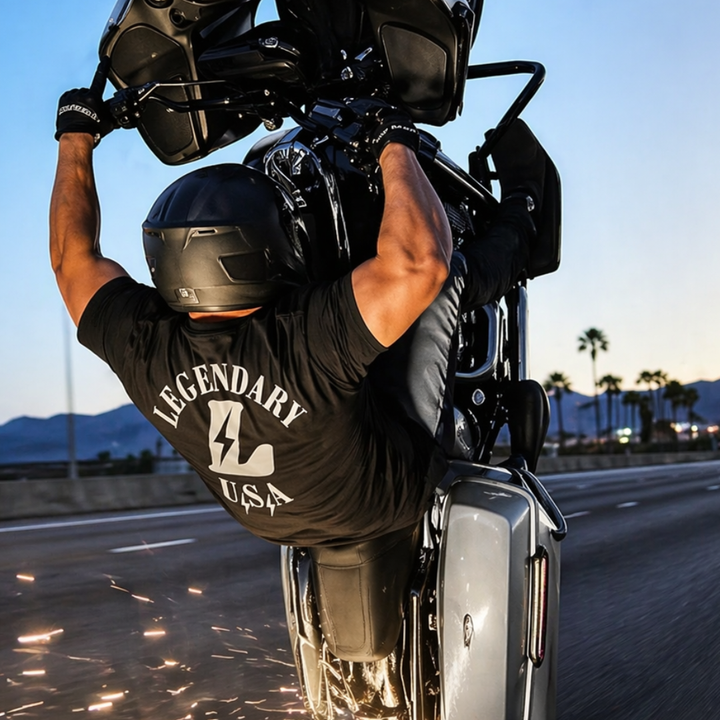


The Thanksgiving motorcycle ride is one of the last long rides of the year for riders across most of the country. It takes two forms: the early-morning run before the house fills up, and the ride to family when the weather allows it. Both happen in late November, when a clear morning can sit in the 30s and the sun sets before 5 p.m., so the gear decides whether the ride happens at all.
A Holiday Built Around the Road

Thanksgiving falls on the fourth Thursday of November, which in 2026 is November 26. It is one of the most traveled holidays in the country, and for riders that travel has always been a temptation. A four-day weekend in late fall is often the last stretch of open calendar before snow, salt and short days put the bike in the garage for the winter.
That timing is what gives the Thanksgiving ride its character. In northern states it is usually a farewell ride, taken because the next good riding day may be March. In the South and the Southwest it is often one of the best riding weekends of the year, cool enough for leather and dry enough to go far.
The Thanksgiving ride also sits at the end of a season of giving rides. Many clubs and chapters run their toy runs and charity rides through November, and the holiday weekend is where that season of riding for other people meets riding for yourself. Our story on the toy run tradition covers that side of late-fall riding.
The Morning Run and the Ride to Family
The morning run is the purest version. A rider leaves at first light, puts in an hour or two on empty roads while the turkey is in the oven, and gets back before the first guests arrive. Thanksgiving morning roads are often quiet, which is the whole point.
The ride to family is the harder version. It means arriving with a change of clothes in the saddlebag, planning the route around daylight and accepting that the ride home after dinner will be dark and colder than the ride out. Riders who do it every year learn to pack for the return trip, not the departure.
Gauntlet vs Lined Glove: What the Holiday Ride Asks For
Hands get cold first on a November ride, and the choice usually comes down to two kinds of glove. A gauntlet seals the wrist against wind at highway speed. A lined glove keeps the fingers working on a frosty morning.
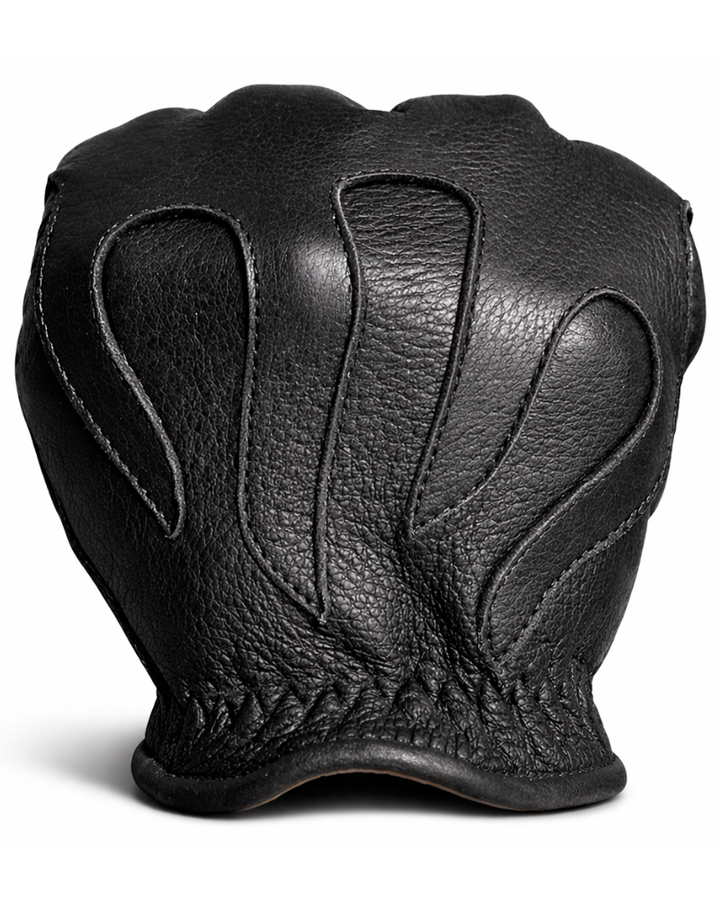
- Gauntlet: our Classic Deerskin Gauntlets cover the wrist and lower forearm in domestic Whitetail deerskin. They are unlined, so the cuff does the warming. Best for a sunny ride in the 40s and 50s.
- Lined: the Fleece-Lined Deerskin Gloves use 3M Thinsulate 40-gram lining, built for roughly 30 to 50 degrees. Best for the dawn run and the ride home after dark.
Riders who make the trip every year often pack both, wearing the lined pair at dawn and switching to the gauntlets when the afternoon warms up.
Why Leather Fits the Holiday
Legendary USA has been in the riding gear business since 2001, and deerskin is the backbone of our glove line because it stays soft in the cold instead of stiffening. That matters on a holiday ride, when a rider's hands have to work the clutch for an hour in the cold and then hold a coffee cup without cramping. The holiday rewards gear that has already been broken in, the pair that has been on every ride since spring.
There is also something fitting about riding to a family gathering in gear made by people. The Legendary USA gloves in our Made in USA motorcycle gloves collection are hand-cut and stitched in the USA, and a well-kept pair outlasts many holidays.
The Thanksgiving ride will never be the longest ride of the year, and on a cold morning it may be the hardest. That is why riders keep it. Our story on late-season riding goes further into why the last rides of the year matter so much.
For the math behind a cold holiday morning at highway speed, the National Weather Service publishes a cold wind chill chart.
Frequently Asked Questions
- Is it too cold to ride a motorcycle on Thanksgiving?
- It depends on where you live and what you wear. In the South and Southwest, Thanksgiving weekend is often prime riding weather. In northern states, mornings can sit in the 20s or 30s, which is rideable with lined gloves, a wind-blocking jacket and a neck layer, but not on ice or wet roads. Check the forecast and road conditions, and skip the ride if frost or salt is on the pavement.
- What gloves should I wear for a cold November motorcycle ride?
- Wear a lined glove for mornings near or below 40 degrees and a gauntlet when wind at the wrist is the bigger problem. The Legendary Fleece-Lined Deerskin Gloves use 3M Thinsulate 40-gram lining for roughly 30 to 50 degrees. The Classic Deerskin Gauntlets are unlined but seal the sleeve gap. For temperatures well below freezing, most riders need heavier insulation or heated gear.
- Why do riders take a Thanksgiving morning ride?
- Because the roads are quiet and the season is ending. Thanksgiving morning roads are often quiet, and for riders in colder states the four-day weekend is often the last stretch of free time before winter puts the bike away. A short morning run before the gathering is a way to close the season on your own terms.
- How should I pack for riding a motorcycle to a holiday dinner?
- Pack for the ride home, not the ride out. The return trip will usually be after dark and colder, so bring a second, warmer pair of gloves, a neck layer and a clear visor or glasses. Carry a change of clothes in a saddlebag or waterproof roll bag. Plan the route around daylight and leave a buffer in case the weather turns during dinner.
- Why is deerskin popular for cold-weather riding gloves?
- Deerskin stays soft and flexible in the cold instead of stiffening the way heavier hides can, so your hands keep their feel on the clutch and brake. It also stays pliable after getting wet, which matters on a damp November morning. Deerskin is not armor, but for wind, cold and everyday abrasion it is one of the most comfortable riding leathers.