






The History of Leather Conditioner: From Neatsfoot Oil to Modern Creams
Leather conditioner is as old as leather goods themselves. Long before it came in a tin, riders and saddlers kept their gear alive with rendered animal fats, neatsfoot oil, and beeswax. The story of how those raw oils became today's refined creams is really the story of one lesson every generation of rider relearns: leather is skin, and skin needs its oils replaced.
Why leather has always needed conditioning
Tanning turns raw hide into durable leather, but it cannot stop leather from drying out. Sun, sweat, and use pull the natural oils out of the fibers, and dry fibers crack. Every culture that worked with leather figured this out and reached for the fats they had, from tallow to fish oil, to keep harnesses, boots, and armor flexible.
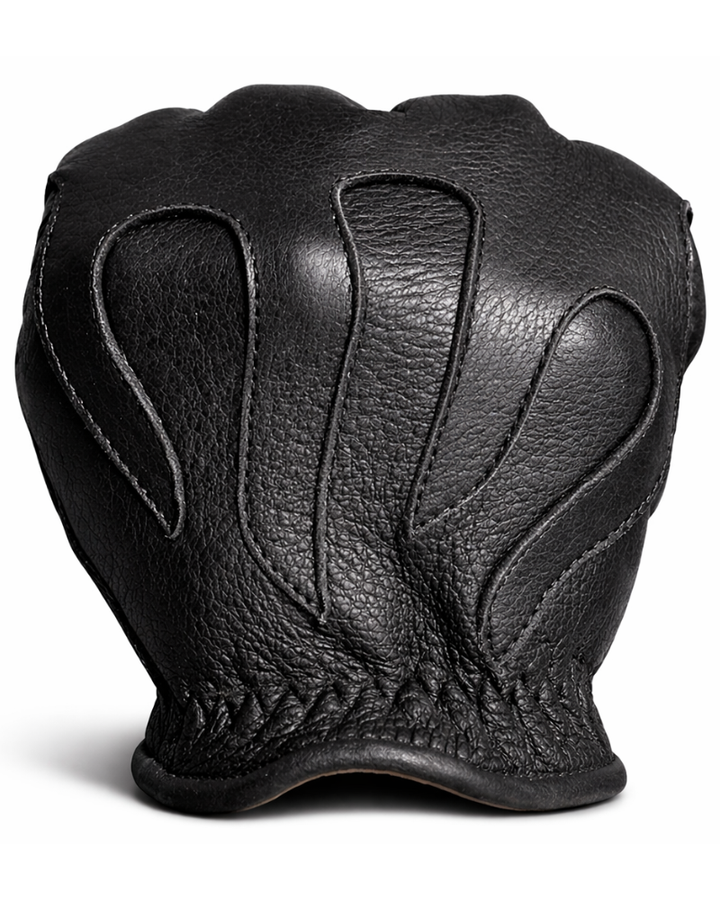
That basic need never changed. A modern deerskin riding glove dries out the same way a cavalry saddle did two hundred years ago, which is why the fundamentals of leather care have stayed remarkably consistent across the centuries.
Neatsfoot oil and the age of animal fats

For generations, neatsfoot oil was the standard. Rendered from the shin bones and feet of cattle, it penetrates deep and softens leather thoroughly, which made it the go-to for saddlers, cobblers, and cavalry units. The name comes from an old English word for cattle, and the oil predates most of the leather industry as we know it.
Alongside neatsfoot, riders used tallow, beeswax, and saddle soap. Saddle soap cleaned and lightly conditioned in one pass and became a fixture in stables and barracks. These worked because they were animal-derived oils feeding an animal-derived material. Their downside was mess, heavy darkening, and a tendency to over-soften anything thin.
The shift to mink oil and modern creams
As leather goods moved from tack and harness to jackets, boots, and gloves, care products evolved with them. Mink oil gained a following for softening and water-proofing boots and work leather, though it shares neatsfoot's habit of darkening and over-softening thinner hides. The real change came with cream conditioners.
Creams blend conditioning agents into stable formulas that absorb cleanly, darken less, and buff to an even finish. For garment leather, where a rider wants suppleness without sponginess, creams gave more predictable results than raw oils ever could. That is why most riders today reach for a cream on their gloves and jackets and save the heavy oils for boots and tack.
What the history means for your gear
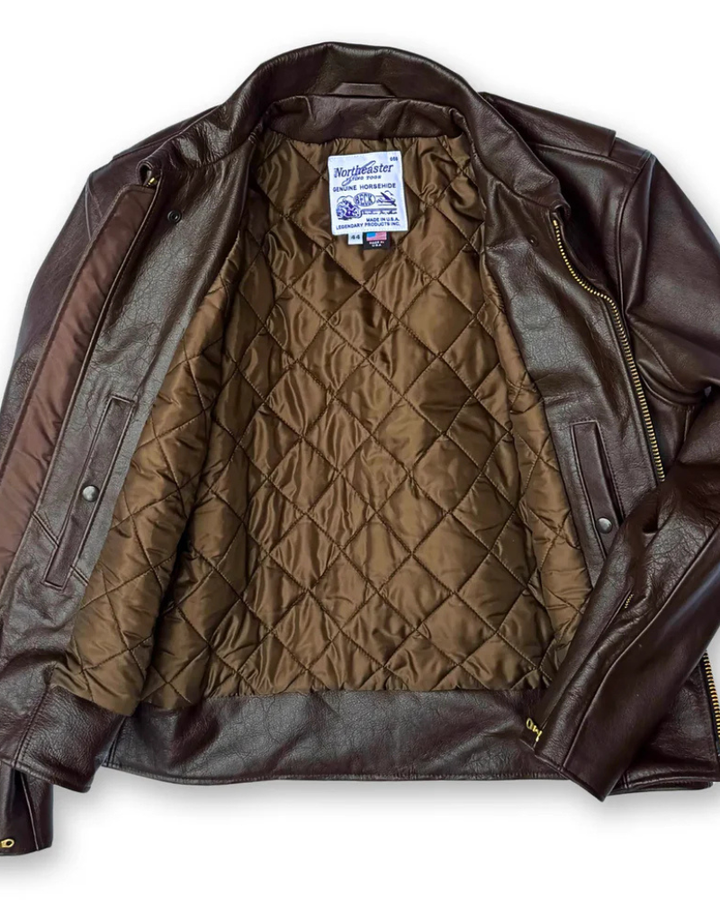
The throughline is simple: match the dressing to the leather. Heavy work leather can take aggressive oils; soft riding leather does better with gentle creams. Legendary USA builds gloves, vests, and jackets from full-grain American leather, and full-grain rewards the same care riders have used for generations, just with better tools. Our guide to leather and sheepskin care puts these principles into a modern routine.
If you want to see leather worth conditioning for the long haul, our horsehide versus cowhide comparison shows how different American hides age, and the Made in USA motorcycle gloves collection is where that heritage shows up in your hands.
Frequently asked questions
- What is neatsfoot oil?
- Neatsfoot oil is a leather conditioner rendered from the shin bones and feet of cattle, and it is one of the oldest leather dressings still in use. The word neat is an old English term for cattle. It penetrates deep and softens leather well, which made it a staple for harnesses, saddles, and boots for generations. It also darkens leather noticeably and can over-soften thinner hides, so many riders now prefer gentler cream conditioners for garment leather.
- What did people use to condition leather before modern products?
- For centuries, people conditioned leather with whatever animal fats and oils they had on hand: tallow, neatsfoot oil, fish oils, and beeswax. Saddlers and cavalry units kept leather supple with these renderings and with saddle soap, which cleaned and lightly conditioned in one step. These fats worked because leather is animal skin and responds to natural oils. Modern conditioners refine that same idea with more stable, less messy formulas.
- Is mink oil good for motorcycle leather?
- Mink oil softens and water-proofs leather well and has a long history in boot and work-leather care, but it is aggressive. It darkens leather and can over-soften thinner riding leather like deerskin gloves, leaving them limp. Mink oil suits heavy boots and rugged work leather more than supple garment leather. For most motorcycle gloves and jackets, a cream conditioner gives you the moisture without the heavy darkening or softening.
- Why did cream conditioners replace oils?
- Cream conditioners became popular because they deliver controlled moisture without the mess, heavy darkening, or over-softening of raw oils. Oils like neatsfoot and mink oil penetrate hard and can flatten a hide, while creams blend conditioning agents into a formula that absorbs cleanly and buffs to an even finish. For garment and glove leather, where you want suppleness but not sponginess, creams give riders more predictable results.
- Does the type of leather change which conditioner to use?
- Yes. Heavy work leather, boots, and tack tolerate and even benefit from aggressive oils like neatsfoot and mink oil. Thinner, softer garment leathers such as deerskin gloves and horsehide jackets do better with gentler cream conditioners that will not over-soften or heavily darken them. Match the conditioner to the leather: the tougher and thicker the hide, the more aggressive a dressing it can handle without losing its structure.
From a tin of neatsfoot oil in a cavalry stable to a cream conditioner on a deerskin glove, the goal has never changed: keep the oils in the leather and the leather stays alive. Legendary USA gear is built on that same long-game respect for American leather.