



A horsehide motorcycle jacket is one of the best touring investments a rider can make: the hide's dense fiber structure blocks highway wind better than most cowhide, shrugs off road abrasion, and gets better-looking with every trip. Legendary USA carries BECK horsehide jackets cut and sewn in the USA, built on patterns that have been doing cross-country duty since the mid-1900s. This guide covers why horsehide suits long miles, how a touring jacket should fit, and which BECK models to look at.
Top Picks, Shop Direct
| Product | What it is | From |
|---|---|---|
| BECK® 666 Distressed Horsehide Leather Motorcycle Jacket | BECK®. Rated 4.96 from 68 customer reviews. | $815.00 |
| BECK® 501 Trucker Style Genuine Horsehide Motorcycle Jacket | BECK®. Rated 4.93 from 41 customer reviews. | $725.00 |
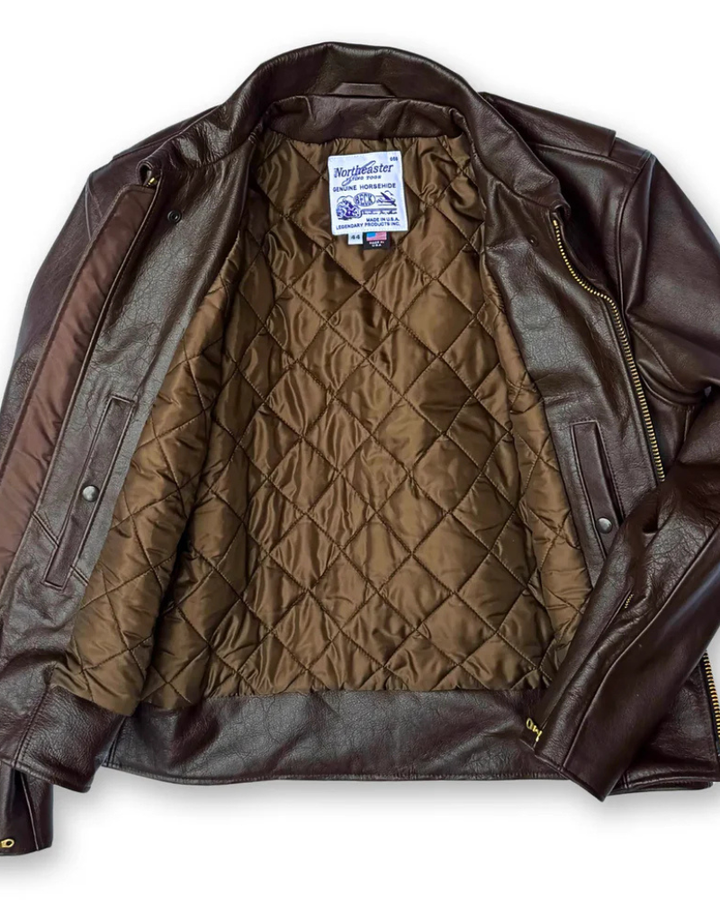
| BECK® 732 Northeaster Flying Togs Black Genuine Horsehide Motorcycle Jacket | BECK®. Rated 4.94 from 34 customer reviews. | $815.00 |
| BECK® 777 Northeaster Flying Togs Black Genuine Horsehide Motorcycle Jacket | BECK®. Rated 4.9 from 30 customer reviews. | $815.00 |
Prices shown are current at time of writing. Orders over $150 ship free.
Why Horsehide Suits Long Miles

Touring punishes a jacket in ways a Sunday ride never does. Ten hours of 70-mph wind, straps from a tail bag rubbing the same spot, temperature swings from a 50-degree mountain morning to a 95-degree valley afternoon — that is the workload. Horsehide handles it because the hide is tighter-grained and less porous than cowhide, so less wind cuts through and less moisture soaks in.
Horsehide is also famously slow to wear out. Riders routinely pass BECK jackets down a generation, and the leather develops a hard, glossy patina that maps where the miles happened. The honest tradeoff: new horsehide is stiff. It does not drape like deerskin or soften like lambskin, and it demands break-in miles before it feels like yours.
Horsehide vs. Cowhide for Touring
Cowhide is the default motorcycle leather for a reason — it is durable, available, and breaks in faster. But the comparison shifts when the odometer becomes the priority. Horsehide blocks wind better at the same weight, takes on less water in light rain, and holds its shape over years of packing and unpacking. Cowhide gives you a shorter break-in and usually a lower price.
If most of your riding is commuting with an occasional weekend loop, cowhide serves you well. If you plan multi-day trips at highway speed, horsehide earns its keep every cold morning and every windy interstate stretch. For a closer look at the two hides, read our full horsehide vs cowhide motorcycle jacket comparison.
What to Look For in a Touring Horsehide Jacket
Fit over layers comes first. Touring means riding through weather, so size the jacket to close comfortably over your heaviest mid-layer while seated in the riding position. Sleeves must reach your wrists with arms stretched to the bars, and the collar should sit close enough that wind does not funnel down your neck at speed.
Then look at construction. A touring jacket earns its miles through heavy-gauge zippers that survive thousands of cycles, a back panel cut long enough to cover your belt line in a tuck, and pockets that close positively so nothing leaves at 70 mph. Wind flaps behind the main zipper matter more than most riders expect — that zipper line is the coldest spot on the jacket during an early start.
BECK Horsehide Jackets Worth the Miles
The BECK 732 Northeaster Flying Togs horsehide motorcycle jacket is the touring pick of the line: a classic American motorcycle jacket in genuine horsehide, made in the USA on the Northeaster pattern that riders have trusted for decades. It is also available in chestnut brown for riders who want a jacket that shows its patina sooner.
Riders who want a leaner, café-influenced cut should look at the BECK 666 distressed horsehide leather jacket. The distressed finish means the jacket arrives already looking ridden, and the simpler silhouette layers cleanly under a rain shell on wet days. Both jackets come from the same American horsehide construction, so the choice is cut and character, not quality.
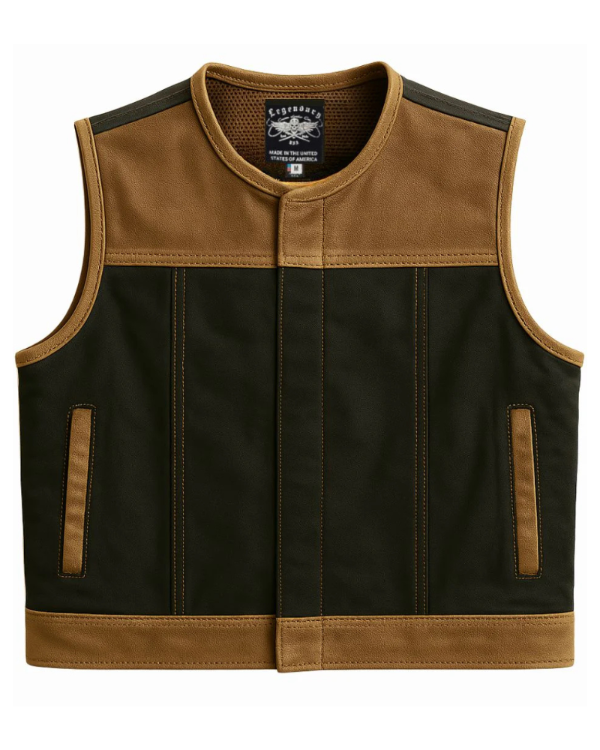
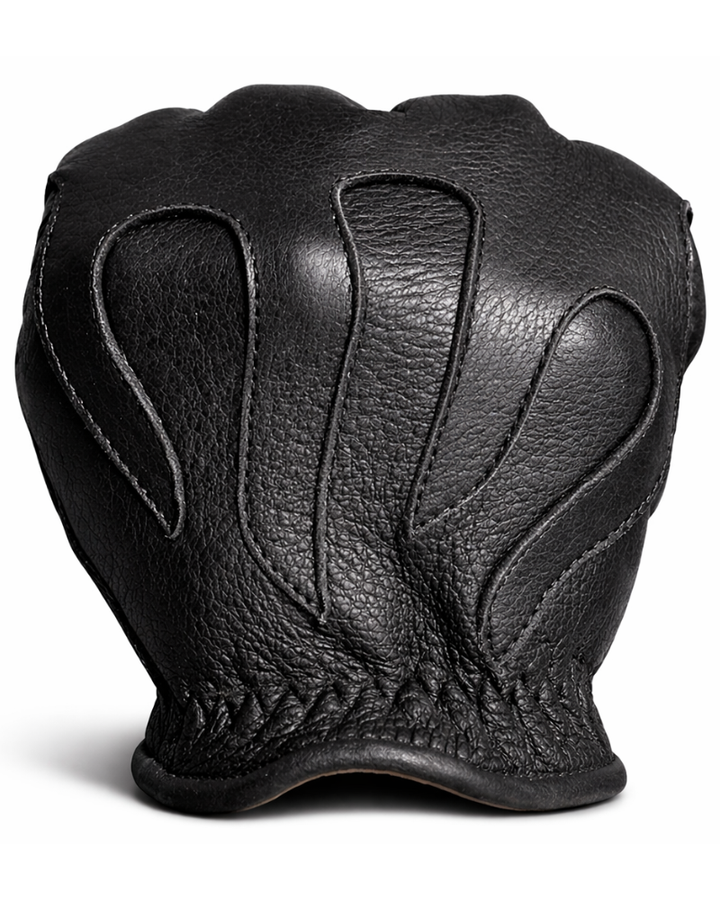
Everything else you need for the trip — gloves, vests, and layers — lives in our full motorcycle gear collection, all of it selected for riders who put in real miles.
Break-In and Care on the Road
Break in a horsehide jacket the only way that works: wear it and ride. The first several hundred miles soften the shoulders, elbows, and collar, and a full season makes the jacket move like part of you. Start the break-in weeks before a big trip, not the morning you leave.
On the road, care is simple. Wipe off bugs and grime nightly with a barely damp cloth, dry the jacket at room temperature away from heaters, and never leave it baking in a closed pannier in the sun. Save the conditioner for when you are home — a light coat after a hard trip is plenty. Our long-distance touring gear guide covers the rest of the packing list.
Common Mistakes When Buying for Touring
The most common mistake is sizing for the mirror instead of the bike. A jacket that looks trim standing up can bind across the shoulders in a riding tuck and leave your wrists bare at the bars. The second mistake is expecting horsehide to feel broken-in at purchase — stiffness out of the box is normal and temporary, not a defect.
The third is treating a touring jacket as rain gear. Horsehide resists light moisture better than most leathers, but no leather jacket is waterproof, and soaking any hide repeatedly will shorten its life. Pack a rain shell that fits over the jacket and keep the leather doing what it does best: killing wind and taking abrasion.
Frequently Asked Questions
- Is a horsehide jacket good for long-distance touring?
- Yes. Horsehide has a tight, dense fiber structure that blocks wind better than most cowhide of similar weight, which matters over hundreds of highway miles. It also resists abrasion from road grit and gear straps. The tradeoff is stiffness: a new horsehide jacket needs real break-in miles before it moves comfortably with you on the bike, so plan to ride it before a long tour rather than debut it on day one.
- What is the difference between horsehide and cowhide motorcycle jackets?
- Horsehide is denser and less porous than cowhide, so it blocks wind and sheds light moisture better, and it tends to develop a harder, glassier patina over years of riding. Cowhide is more widely available, breaks in faster, and usually costs less. For touring riders who spend long days at highway speed, the wind resistance of horsehide is the practical advantage. For around-town riding, a good cowhide jacket does the job.
- How long does a horsehide motorcycle jacket take to break in?
- Expect a full riding season of regular use before a horsehide jacket feels fully broken in, with the biggest change in the first several hundred miles. The shoulders, elbows, and collar soften first because they flex the most. Wearing the jacket on shorter rides before a tour speeds the process. Heat, humidity, and your own movement do the work — avoid shortcuts like soaking or oven tricks, which can damage the hide.
- How should a touring motorcycle jacket fit over layers?
- Fit the jacket in your riding position with your heaviest mid-layer on. Sleeves should cover your wrists with arms extended to the bars, the collar should not gap in the wind, and the hem should stay put when you lean forward. If the jacket fits perfectly over a t-shirt while standing, it is probably too small for touring, where mornings can start 30 degrees colder than the afternoon.
- Are BECK horsehide jackets still made in the USA?
- Yes. BECK jackets sold by Legendary USA are cut and sewn in the United States from genuine horsehide, continuing a pattern lineage that goes back to the mid-century Northeaster designs. That domestic construction is why panels can be repaired and hardware replaced rather than the jacket being thrown away — a practical benefit for a jacket meant to log touring miles for decades.
- Does horsehide need special care on a multi-day tour?
- Not much. Wipe off bug residue and road grime at the end of each riding day with a barely damp cloth, and let the jacket dry at room temperature — never over a heater or in a hot car trunk. If the jacket gets soaked, stuff the sleeves loosely, dry it slowly, and condition it lightly once home. Horsehide's density works in your favor: it takes on less water than softer hides.
A touring jacket is a long-term decision, and horsehide rewards riders who think in decades instead of seasons. Buy for fit over layers, put in the break-in miles before the big trip, and the jacket will still be earning its keep when the bike under it has changed twice. Legendary USA has been putting American horsehide on touring riders for 25 years, and the BECK line remains the standard we measure everything else against.