

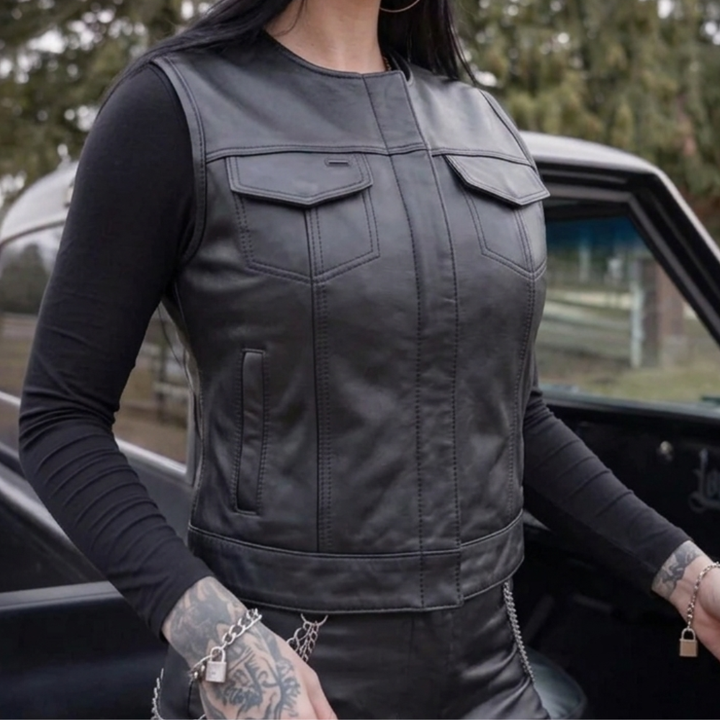


The motorcycle commuter is the American rider who treats the bike as transportation first and recreation second, and who keeps riding when the weather turns. Commuting riders log some of the most repeated miles on two wheels, in rain, cold mornings and rush-hour heat. This is a look at that rider and what daily riding asks of the gear, with the end of daylight saving time arriving this weekend as the reminder that the commute is about to get colder and darker.
The Rider Who Shows Up Every Day
The commuter is defined by repetition. A weekend rider picks a good day, and a commuter rides the day that is there. That difference shapes everything from the route to the gear, because daily riding does not wait for ideal conditions.
Motorcycles have served as everyday transportation in America for generations, and commuting remains one of the least glamorous and most honest forms of riding. There is no rally patch and no destination photo. There is a route, a schedule and a pair of gloves that either work or do not.
What Daily Miles Ask of Gear

Daily miles ask for consistency more than flash. Gloves that feel slightly wrong on a weekend ride become a daily irritation on a commute, and a small fit problem repeated five days a week turns into a real one. Commuters notice hand fatigue, cuff gaps and seams first, because they feel them every day.
Wear also concentrates in predictable places. The throttle hand, the thumb and the lever fingers do the work, and the palm leather takes the repeated grip. That is part of why a commuter's gloves age differently from a weekend rider's, and why a simple rotation helps. Our fall and winter glove rotation guide shows how to build one.
Gloves That Fit a Commuting Year
A commuting year runs from warm afternoons to cold dawns, and one glove rarely covers it. The practical set is a short-wrist glove for most days, a lined pair for the coldest mornings, and a ventilated option when the weather warms. Legendary USA has been building American-made riding gear since 2001, and the glove range maps well onto that set.
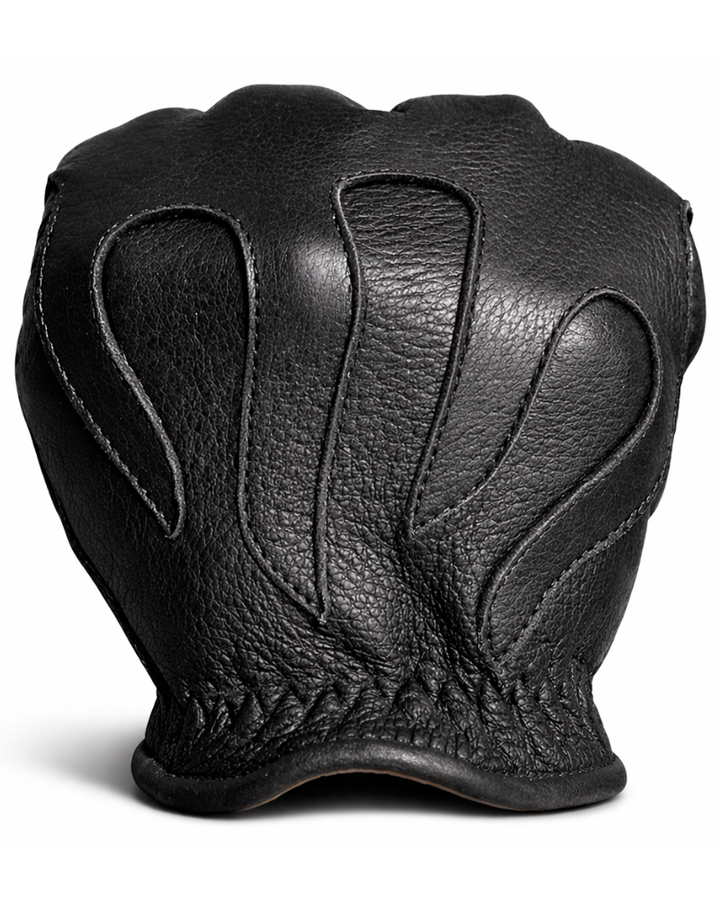
For a commuter who uses a phone for navigation, the Aramid-Lined Touchscreen Deerskin Gloves combine a short wrist, a touchscreen-capable thumb and index finger, and an aramid liner that Legendary USA describes as adding cut and abrasion resistance without much bulk. For cold mornings, the Fleece-Lined Deerskin Gloves carry a 3M Thinsulate 40-gram lining listed for roughly 30 to 50 degrees Fahrenheit.
Commuter Versus Weekend Rider
The commuter and the weekend rider want different things from the same leather. The weekend rider picks conditions and cares about the feel of the ride. The commuter takes conditions as they come and cares about whether the gear works every time. A commuter's gloves need to be easy to put on in a parking lot, comfortable in the first mile and the thousandth, and dry enough to wear again the next morning.
None of this makes commuting gear better or worse than weekend gear. It makes it different, and it explains why the commuter is often the quickest to notice a well-built seam or a cuff that actually stays put. If you commute, our guides to the best motorcycle gloves for commuting and choosing gloves for cold-weather commuting go into the details.
The Commuter and the Colder Months
Daylight saving time ends on Sunday, November 1, 2026, and for commuters that means more riding in the dark and in colder air at both ends of the day. It is a good weekend to check your gear. Look at the lining, test the fit in the riding position, and put your cold-morning pair where you can reach it.
Leather is not waterproof and none of these gloves are armor. Legendary USA gloves are unarmored and carry no CE rating, so they suit the rider who wants a well-made, comfortable American glove and understands its limits. What they offer is fit, feel and construction that holds up to daily use, and that is what a commuter ends up caring about most.
The commuter is not the loudest figure in American riding, but the culture rests on that daily habit of getting on the bike and going. Good gear respects the habit. You can browse the full range in our Made in USA motorcycle gloves collection and build a commuting set that matches your year.
For commuter-friendly rider training, the Motorcycle Safety Foundation publishes rider training and gear guidance.
Frequently Asked Questions
- Who is the motorcycle commuter in American riding culture?
- The motorcycle commuter is a rider who uses the bike as daily transportation rather than only for weekend rides. Commuters ride in a wider range of weather, cover repeated routes, and wear their gear harder than recreational riders do. That daily use is why commuters tend to care about fit, durability and how gear performs at the start and end of the day, when temperatures are lowest.
- What gloves do motorcycle commuters need?
- Commuters need gloves that work at the start and end of the day as well as midday. That usually means a short-wrist glove for most of the year and a lined pair for cold mornings. A touchscreen thumb and index finger helps with phone and navigation use. Legendary USA offers an aramid-lined touchscreen deerskin glove and a fleece-lined deerskin glove that suit different parts of a commuting season.
- How does daily commuting wear out leather gloves?
- Daily riding repeats the same grip, throttle and brake motion hundreds of times, so wear collects at the palm, thumb and the fingertips that work the lever. Sweat and weather add to it. Rotating two pairs lets each dry out between rides, which helps leather last longer. Our glove rotation guides explain how to build a simple two-pair or three-pair set.
- Is deerskin a good choice for commuting gloves?
- Deerskin is a sensible commuting leather because it is light and, per Legendary USA's product descriptions, stays pliable after getting wet without conditioning. It is also soft enough to be comfortable for short, frequent rides. It is not hard armor, and it will show wear with daily use, but that wear is part of how a deerskin glove develops character.
- When does daylight saving time end in 2026?
- Daylight saving time ends on Sunday, November 1, 2026, when clocks move back one hour. For commuters, that means more riding in the dark and in colder early-morning and evening air. It is a good weekend to check your glove lining, your layers and your rotation before the commute gets colder.