

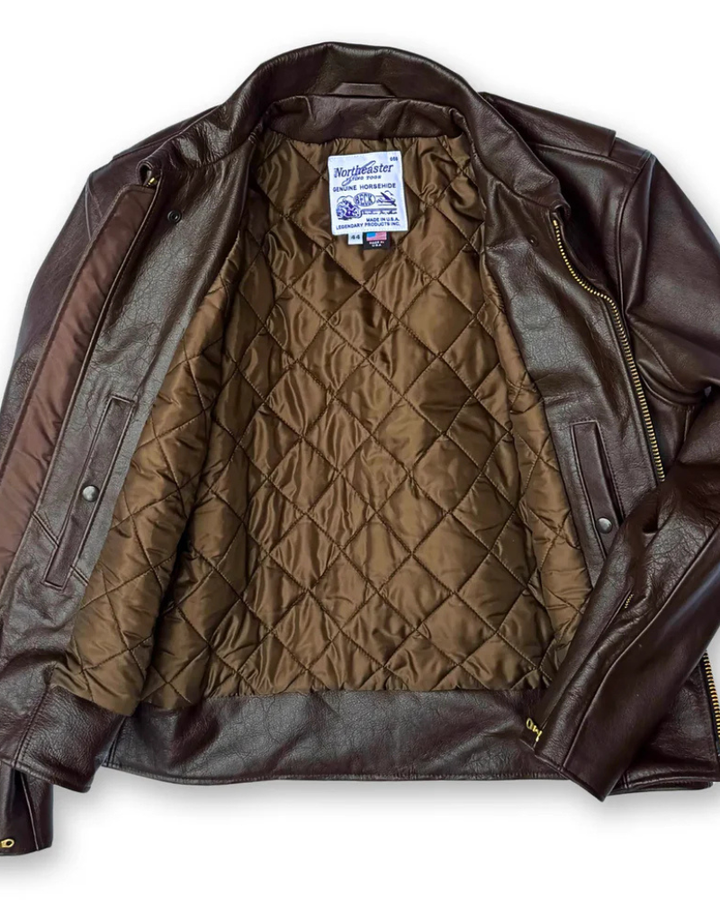
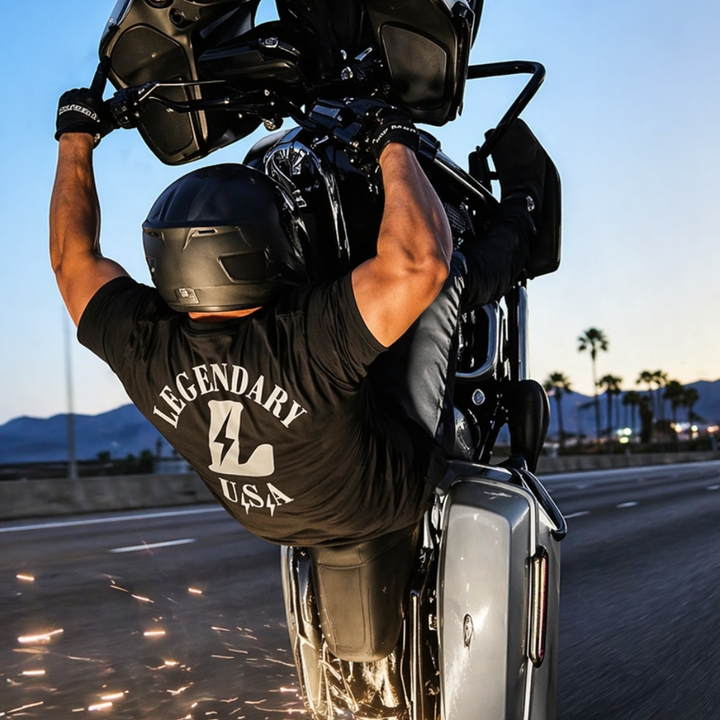


Transitioning your motorcycle gear from summer to fall takes one evening: clean everything you rode in all summer, condition the leather while the weather is still mild, move perforated gloves out of the default rotation, and add a lined glove and a mid-layer for cool mornings. Do it in late August, before the first cold morning catches you in a ventilated glove.
Fall riding in most of the country means a 45F start and a 72F afternoon on the same ride. Your gear has to cover both ends. Here is the order Legendary USA recommends working through it.
Step 1: Clean What You Rode All Summer

Summer leaves a specific kind of mess on riding gear: dried sweat salt in the glove liners, bug splatter across jacket shoulders, road film on everything. None of it improves with time, and salt in particular pulls moisture out of leather.
Wipe leather down with a barely damp cloth and a mild leather-safe cleaner. Let everything dry at room temperature, out of the sun. If your gloves picked up an odor over the summer, deal with it now rather than discovering it in October. Our guide on preventing mildew and odor in leather gear covers the details.
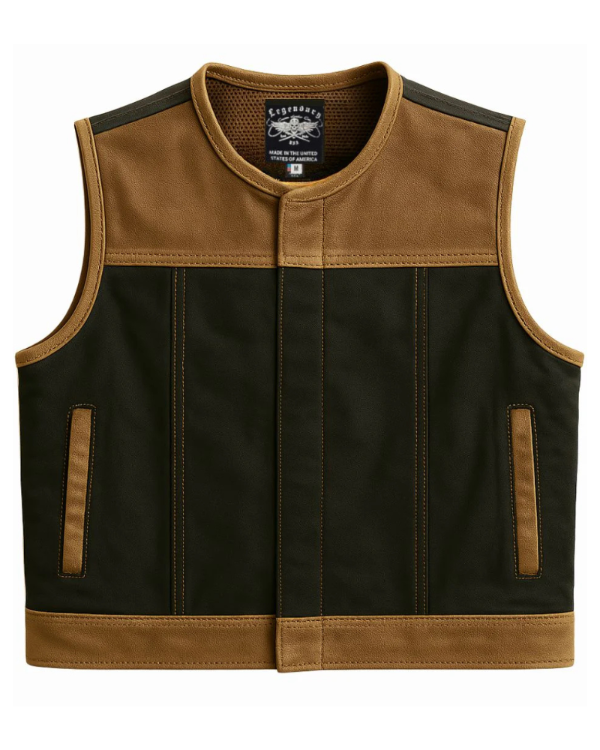
Denim and canvas vests can go through a wash, but check the closure hardware and any sewn patches first.
Step 2: Condition the Leather Now, Not in November
Leather takes conditioner best when it is warm and relaxed. Cold hide resists it. That makes late summer the right window: the leather is supple, the conditioner works into the grain instead of sitting on the surface, and the gear has time to absorb it before the temperature drops.
Three months of sun, sweat, and heat dries leather out. A conditioned glove stays flexible on a 40F morning. An unconditioned one feels like a board for the first ten miles and cracks sooner over its life. Use a small amount, work it in with your hands, and let it sit overnight before you wipe off the excess.
Step 3: Rebuild the Glove Rotation
This is the part most riders skip and then regret in the first week of October.
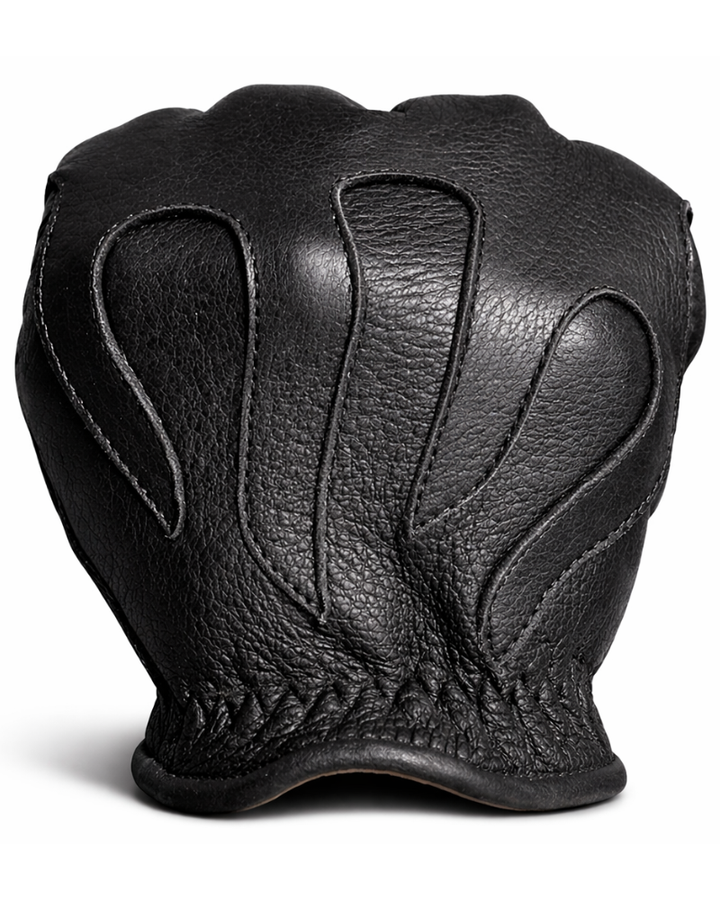
Through summer, a perforated deerskin glove like the ILL DOZER is the default pair, and it should be. Airflow is the whole point in July. In fall, that same airflow works against you on a 48F morning, because perforations do not care which direction the temperature moved.
The fix is not to retire the perforated pair. It is to demote it. Keep it for warm afternoons, and put a solid-leather or fleece-lined deerskin pair in the spot where the summer glove used to live. Two pairs in the saddlebag beats one pair that is wrong half the day.
If you are buying a new cool-weather pair, buy it now. Leather gloves need roughly two to three weeks of regular riding to break in and mold to your hand. Buy in late August and the pair is comfortable by the time you actually need it. Browse the Made in USA motorcycle gloves collection to compare lined and unlined options side by side.
Step 4: Add a Layer Under the Vest, Not Over It
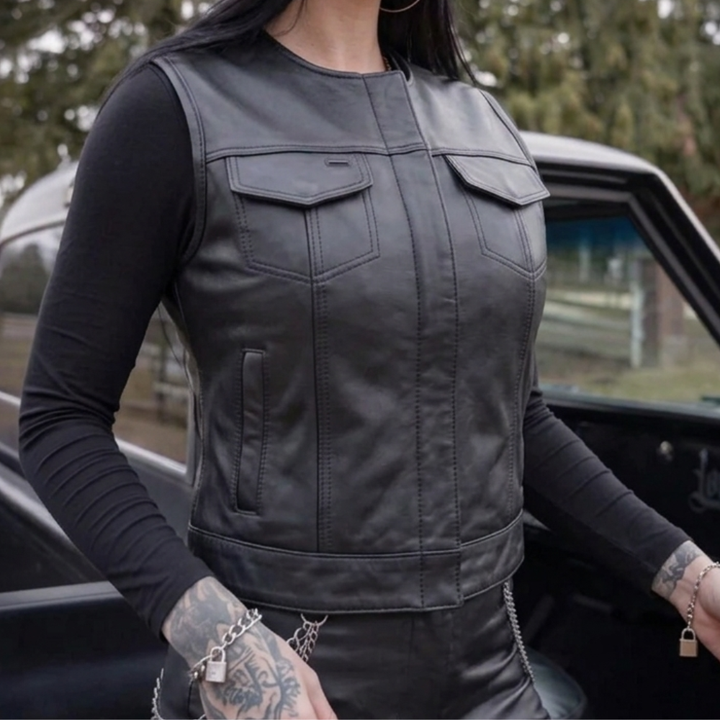
A riding vest works in fall the same way it works in summer, as long as what is under it changes. A long-sleeve flannel, a heavy henley, or a thin fleece under a leather or denim vest handles most of what September and October throw at you.
Layer under the vest, never over it. A vest over a jacket looks wrong and rides worse, and it buries any patches you have sewn on. What you do need to check is fit: a vest sized to a summer T-shirt can pull at the snaps over a flannel. Try it on before you need it. Our guide to layering for temperature swings goes deeper on how to build the stack.
Step 5: Put the Summer Gear Away Correctly
Anything that will not see use until May goes into storage clean, dry, and conditioned. That is the whole rule, and skipping any of the three is how riders find mildew in April.
Hang leather on a wide hanger in a closet with air movement. Not a sealed plastic bin. Not a zipped garment bag. Not the garage attic where summer heat will bake it. Gloves lay flat rather than folded into a ball, so the fingers hold their shape.
Perforated vs Solid Leather: The Fall Tradeoff
Riders ask which is better for fall, and the honest answer is that they trade the same value in opposite directions.
Perforated leather moves air through the glove. That is exactly what you want at 85F and exactly what you do not want at 45F. Solid leather blocks wind almost completely, which makes it warmer, but it also means your hands will sweat on a warm afternoon.
In September and October you will hit both conditions in the same day. That is why the rotation matters more than picking a winner. Ride out in the solid or lined pair, swap at the lunch stop, ride home in whichever one the temperature calls for.
For the wind chill math behind these temperature bands, the National Weather Service publishes a cold wind chill chart.
Frequently Asked Questions
- How do I transition my motorcycle gear from summer to fall?
- Clean the salt and grime off everything you rode in all summer, condition the leather while the weather is still mild, move perforated gloves and vents out of the daily rotation, and add a lined glove and a mid-layer for cool mornings. The whole job takes an evening. Doing it in late August or early September means your gear is ready before the first 45F morning instead of the day after it catches you out.
- Should I stop wearing perforated gloves in the fall?
- Not entirely. Perforated leather gloves still work well on 70F fall afternoons, which are common through September and October in most of the country. What changes is that they stop being the right glove for the morning half of the ride. Keep them in the rotation for warm days, and move a solid-leather or fleece-lined pair into the spot where the perforated glove used to live by default.
- When should I condition leather motorcycle gear for fall?
- Condition in late summer or early fall, before the cold sets in. Leather takes conditioner best at moderate room temperature, when the hide is relaxed and the product can work into the grain rather than sitting on top of it. Summer riding dries leather out through sun, sweat, and heat, so most gear needs it by August. Conditioning before storage or before the cold season also helps the leather stay flexible on the first cold mornings.
- What should I wear under a motorcycle vest in fall?
- A long-sleeve flannel, a heavier henley, or a light fleece works under most riding vests in fall. Layer under the vest rather than over it so the vest still sits flat and the patches stay visible. Check the fit before the season starts, because a vest sized over a summer T-shirt may pull at the closure over a flannel. Riders who layer heavily often size their vest with the fall layer in mind.
- How should I store summer motorcycle gear over the winter?
- Store clean, dry leather on a wide hanger in a closet with air movement, away from direct heat and sunlight. Never store leather in a sealed plastic bin or a garment bag that cannot breathe, because trapped moisture is what causes mildew. Do not fold gloves into a tight ball. Lay them flat or loosely stuffed so the fingers keep their shape. Check on stored gear once mid-winter to make sure nothing has gone damp.
- Is it worth buying new riding gear at the end of summer?
- Late summer is a practical time to buy cool-weather gear because you get to break it in during mild weather instead of on a 40F morning. New leather gloves need roughly two to three weeks of regular riding to soften and mold to your hand. Buying in late August means the pair is broken in and comfortable by the time you actually need it in October, rather than stiff and fighting you.
The Bottom Line
The fall gear change is maintenance, not shopping. Clean it, condition it, rotate the gloves, add a layer, and store what you are done with for the year. Riders who do this in late August ride comfortably through October. Riders who put it off end up doing it in the cold, with stiff leather and numb hands, wishing they had spent one evening on it in summer.