



Table of Contents
- Why Modern Riders Are Returning to Vintage Motorcycle Jacket Design
- The Problem with Mass-Produced Leather Gear
- What Makes an American Made Vintage Jacket Different
- Our Approach to Authentic Leather Craftsmanship
- The Real Cost of Quality: Understanding Durability Over Time
- How Vintage Styling Meets Modern Safety Standards
- Choosing Between Reproduction Vintage and True Heritage Jackets
- Our Complete Range of American Made Motorcycle Apparel
- The Legendary USA Difference in Customer Service
- Investing in Leather That Lasts Decades
- Find Your Perfect Vintage Motorcycle Jacket Today
- Frequently Asked Questions (FAQ)
Why Modern Riders Are Returning to Vintage Motorcycle Jacket Design
Riders today are rejecting the disposable mentality that defined gear for the last two decades. The trend isn't nostalgia—it's practicality. Vintage motorcycle jacket design solved real problems that modern fast-fashion gear ignores: durability, repairability, and a functional aesthetic that actually improves with age.
A jacket from the 1950s or 1960s wasn't designed to last one season. It was built to outlast the rider. The cuts were generous enough to accommodate layers. The leather was thick enough to do its job. Hardware was serviceable, not decorative. Riders noticed this, and they're actively seeking out vintage motorcycle jackets that reflect those principles.
Modern riders understand that quality gear is an investment, not an expense. When you're spending serious money on protection, you want something that won't fall apart after two seasons. That's exactly what vintage-inspired design delivers—proven functionality combined with genuine craftsmanship.
What you need to do: Evaluate your current jacket. Ask yourself if it's actually designed to last, or if it's meant to be replaced every couple years. That's the starting point.
The Problem with Mass-Produced Leather Gear
Mass production cut costs. It also cut quality. Most leather jackets sold today use thinner hides, cheaper tanning methods, and construction shortcuts that save manufacturers money while shortening your jacket's lifespan.
Consider what happens during typical mass production:
- Leather is tanned faster using processes that reduce durability
- Hides are split thinner to maximize yield per animal
- Seams are machine-stitched quickly without hand-checking for strength
- Hardware is riveted rather than reinforced, knowing it will likely fail before the jacket wears out
- Linings are synthetic, cheap, and prone to tearing
The result? A jacket that looks right initially but deteriorates visibly within two to three years. Zippers stick. Seams fray. The leather loses its suppleness. By then, you're shopping for a replacement rather than maintaining something worth keeping.
The real problem isn't that these jackets are affordable. The problem is that affordability was prioritized over functionality and longevity. For riders who spend hours in the saddle, that's a deal-breaker.
What you need to do: Check the seam structure on your current jacket. If stitching is single-thread and unevenly spaced, you're looking at mass-produced gear that won't last.
What Makes an American Made Vintage Jacket Different
American manufacturing for leather apparel operated under a different set of standards, particularly for motorcycle gear destined for serious riders and military personnel. These jackets were built to withstand abrasion, weather exposure, and the physical demands of extended riding.
The differences start with material selection:
- Full-grain leather (not split or corrected) that actually improves with patina
- Chrome or vegetable tanning that maintains flexibility and water resistance
- Hide thickness measured in ounces, not millimeters
- Natural variations in leather treated as character, not defects
Construction methods follow suit. Hand-stitched reinforcement at stress points. Double and triple-stitched seams using waxed thread. Hardware selected for durability, not appearance. Lining materials chosen for breathability and longevity. Every choice reflects the assumption that this jacket will be worn hundreds of times, not dozens.

American manufacturers also understood regional climate demands. A jacket built for a California rider differs from one designed for the Northeast. Ventilation placement, lining options, and fit allowances account for actual conditions rather than theoretical ideals.
The result is gear that works harder, lasts longer, and actually becomes more comfortable over time as leather breaks in and molds to your body.
What you need to do: When evaluating any leather jacket, ask the manufacturer directly about their tanning process and hide thickness. Vague answers mean they're hiding something.
Our Approach to Authentic Leather Craftsmanship
We've been manufacturing and sourcing authentic American-made leather apparel for over 25 years. That's not marketing—that's the foundation of what we do. We don't chase trends. We build gear that works the way vintage pieces work because that's what our customers actually need.
Our leather sourcing prioritizes tanneries that still use traditional methods. We work with suppliers who understand that faster isn't better when durability is the goal. Chrome tanning and vegetable tanning both have places in our lineup, chosen specifically for the jacket type and intended use.
Construction happens in-house or with partners we've worked with for years. We don't outsource to the lowest bidder. Hand-stitching remains standard practice at stress points. Every jacket gets inspected before it ships. If something isn't right, it doesn't leave the facility.
We also maintain a repair philosophy. Jackets should be repairable. Zippers can be replaced. Seams can be re-stitched. Leather can be conditioned. We provide guidance on maintaining and restoring our gear because we expect it to outlast ownership transfer.
What you need to do: Ask any manufacturer if they offer repair services or guidance. If they don't, they're not confident their product will last long enough to need it.
The Real Cost of Quality: Understanding Durability Over Time
A $300 jacket that lasts two seasons costs $150 per year. A $1,200 jacket that lasts 20 years costs $60 per year. The math is straightforward, but the emotional resistance to initial cost is real.
Quality leather apparel costs more upfront because the material and labor are genuinely expensive. Full-grain leather costs more than split leather. Hand-stitching is slower and pricier than machine-only production. Chrome and vegetable tanning require more time and resources than rapid synthetic processes. These costs don't disappear—they're either paid upfront or absorbed through premature replacement.
Most riders underestimate the wear cycles a good jacket actually experiences. A rider wearing gear consistently through multiple seasons is subjecting leather to thousands of hours of abrasion, weather exposure, sun damage, and mechanical stress. Poor construction fails at precisely these stress points.
A well-made vintage-style jacket shows aging differently. Creases become character. Color deepens. Leather softens. After five years, you don't replace it—you maintain it. That's the only way a jacket justifies a premium price.
Calculate your actual annual spending on replacement jackets over the past decade. Then compare that to the annual cost of ownership for a single quality piece that lasts 15 or 20 years.
What you need to do: Stop thinking about jacket purchases as annual expenses. Start thinking about them as long-term investments and the cost-per-wear suddenly becomes reasonable.
How Vintage Styling Meets Modern Safety Standards
Vintage design and modern protection aren't opposing forces. We integrate contemporary safety technology into traditional styling without compromising the heritage aesthetic that makes vintage jackets appealing.
Modern improvements we incorporate:
- Zippered armor pockets compatible with CE-rated impact protection
- Reflective piping that's hidden in seam design rather than garish add-ons
- Adjustable ventilation using period-appropriate design language
- Reinforced shoulder and elbow panels built into construction rather than bolted on
- YKK or comparable reliable zippers that actually last
- Liner options for temperature regulation without sacrificing jacket silhouette

The key is integration rather than retrofitting. A good vintage-inspired design accommodates modern safety needs without looking like someone stapled protection gear onto a 1960s pattern.
Our leather touring jackets demonstrate this balance. They maintain classic cut and proportions while providing the functionality contemporary riders expect.
What you need to do: Don't accept the false choice between vintage aesthetics and modern protection. Demand both.
Choosing Between Reproduction Vintage and True Heritage Jackets
Reproduction vintage jackets use old patterns but modern (often compromised) production methods. True heritage jackets are produced by manufacturers with actual continuity to the original designs, using methods that haven't fundamentally changed.
The distinction matters because manufacturing process dramatically affects performance:
Reproduction vintage relies on pattern accuracy. The design is correct. The construction often isn't. These use thinner leather, machine-only stitching, and cost-reduced materials that don't replicate the durability of originals.
True heritage combines authentic design with consistent, quality production methods. If a company was building leather jackets in 1970 and still makes them today using the same approach, that continuity shows in the finished product. It's expensive because standards haven't been cut to chase margins.
Look beyond marketing language. A "vintage-inspired" jacket made in Southeast Asia using ultra-thin leather isn't the same as a jacket from a manufacturer with 25+ years of continuous production using proven methods.
What you need to do: Ask manufacturers how long they've been in business and whether their production methods have changed. Direct answers are a good sign.
Our Complete Range of American Made Motorcycle Apparel
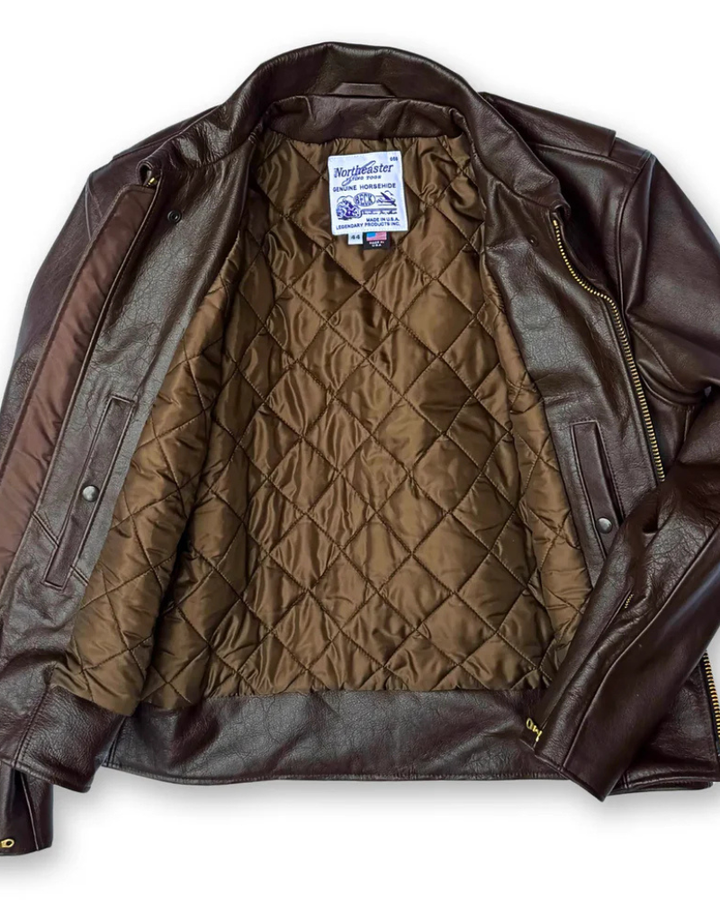
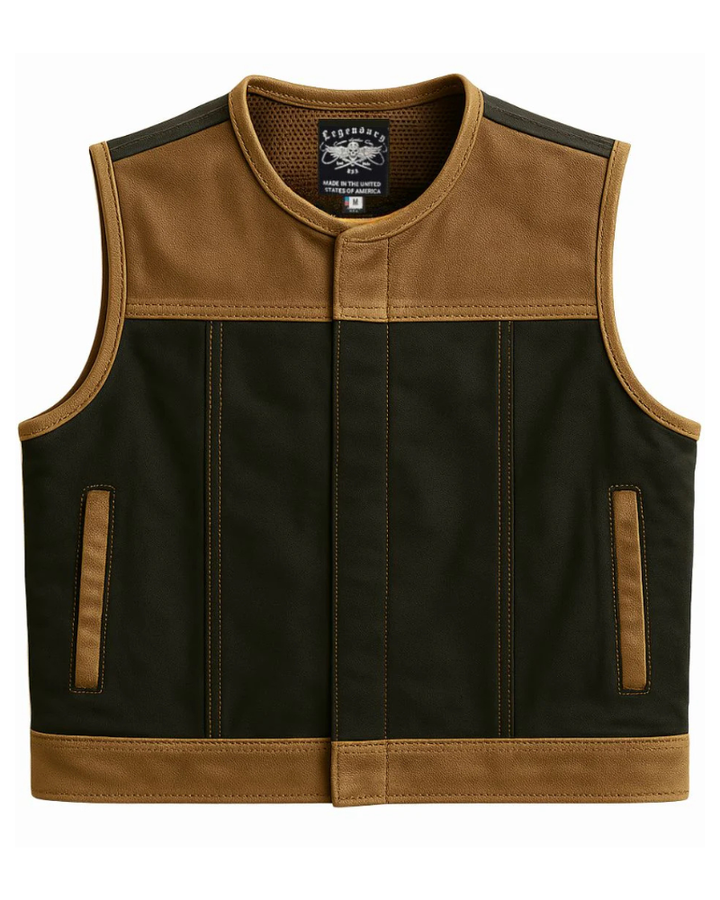
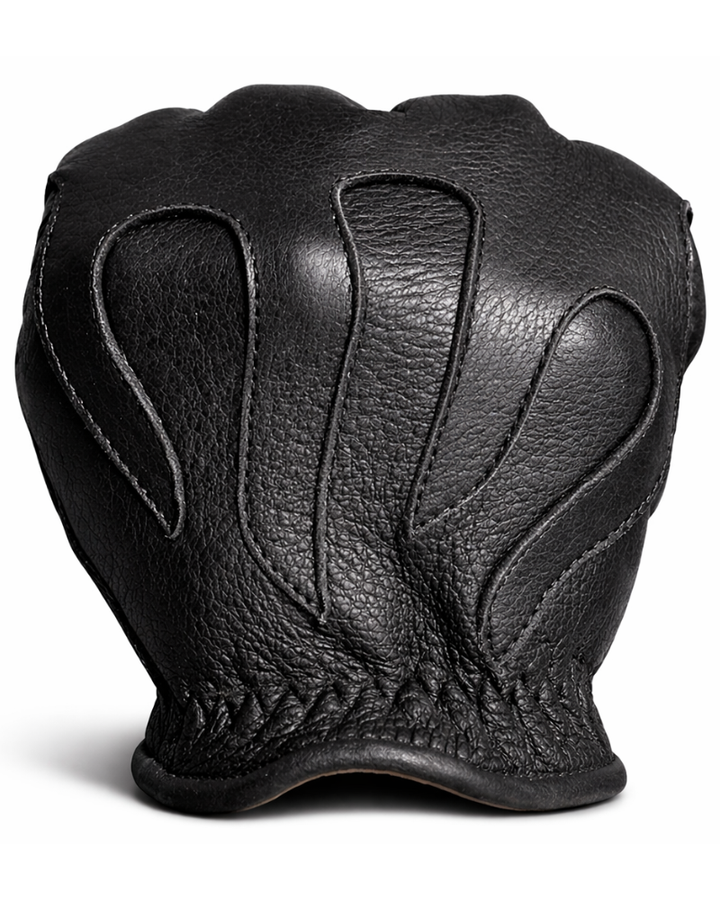
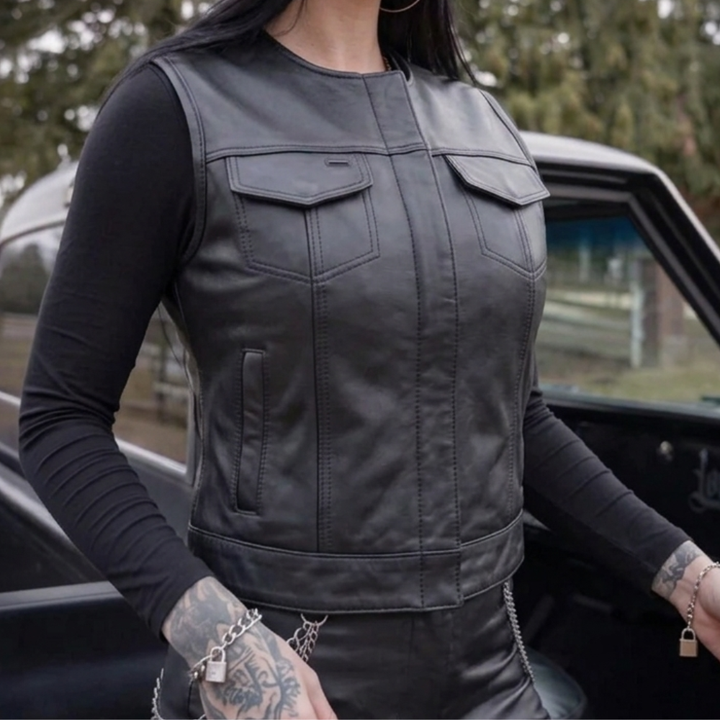
We produce more than jackets. Our lineup includes vintage motorcycle jackets, leather touring jackets, sheepskin bomber jackets, gloves, and cowhide vests.
Each piece follows the same principle: authentic design, quality materials, real craftsmanship. We don't sell seasonal collections or chase trends. We build gear that riders actually wear.
Sheepskin bombers work for colder climates and cruiser riders who prefer a different aesthetic. Touring jackets accommodate longer rides and varied conditions. Vests layer over other gear or stand alone for warmer weather. Gloves protect hands while maintaining dexterity.
The variety exists because riders need different things. A Harley rider cruising locally has different needs than someone logging highway miles. We've built our lineup around actual riding patterns, not marketing categories.
What you need to do: Assess your typical riding conditions. Climate, distance, bike type—these determine which piece fits your real needs.
The Legendary USA Difference in Customer Service
We answer the phone. Real people. We stand behind every product we sell. If something isn't right, we fix it.
This isn't a marketing slogan. It's how we operate. We've been family-owned for over 25 years because we treat customers like they matter, not like transaction numbers. That approach is reflected in how we handle issues, questions, or when something genuinely isn't meeting expectations.
We also provide practical guidance on care and maintenance. Good gear deserves good care. We tell you how to condition leather, when to replace linings, how to address wear patterns. This is knowledge we've accumulated through years of actual use and feedback from riders who've owned our products for decades.

What you need to do: Call us with questions or concerns. Not email, not a contact form—actually call. You'll talk to someone who can help immediately.
Investing in Leather That Lasts Decades
Vintage-style American-made leather gear represents something increasingly rare: a product engineered to be worn, not replaced. That's not a feature we advertise—it's the foundation of our manufacturing philosophy.
When you invest in quality leather apparel, you're buying into a different relationship with your gear. Early on, the jacket might feel stiff. Leather needs to break in. That process, which takes weeks or months of regular wear, is when the jacket begins adapting to you. By year two or three, it's genuinely comfortable in ways new jackets simply aren't.
The financial case is compelling, but the practical one is stronger. After five years of regular use, a well-maintained quality jacket is still performing its primary function: protecting you during rides. It's more comfortable, more resilient, more distinctive than anything you could buy new today.
This durability isn't accidental. It's the direct result of material selection, construction methods, and design philosophy that prioritizes longevity.
What you need to do: Accept that good leather gear gets better with age, not worse. That's not degradation—that's the intended aging process.
Find Your Perfect Vintage Motorcycle Jacket Today
American-made vintage motorcycle jackets represent genuine value for riders who understand that quality gear matters. Start by identifying your actual riding needs: climate, distance, bike type, and personal aesthetic. That clarity eliminates confusion.
Browse our full collection of vintage motorcycle jackets and related apparel. Read product descriptions carefully. Check leather type, construction details, and sizing information. We document everything because transparency builds trust.
Call us with questions. We'll help you find something that matches your needs precisely, not just something that fits. We're here to make sure the jacket you choose is something you'll actually wear for years.
Quality gear lasts decades when it's made right. Let's find yours.
Join our Legendary VIP newsletter and save 15% OFF your first purchase https://legendaryusa.com/pages/vip-text-club
Frequently Asked Questions (FAQ)
What's the difference between our vintage-style jackets and mass-produced leather gear?
We build our jackets with full-grain leather and traditional construction methods that take significantly longer than factory shortcuts. Our pieces are designed to develop character and patina over decades of wear, not fall apart after a few seasons. We source materials domestically and handle most production in-house, which means we control every step of the process and stand behind what we make.
Why does an American-made vintage motorcycle jacket cost more upfront?
We use premium leather hides that are selected individually, not ordered in bulk from the cheapest supplier. Our craftsmen spend hours on details like hand-stitched seams, proper hardware installation, and leather conditioning that mass manufacturers skip to hit price targets. When you buy from us, you're investing in a jacket that will outlast your motorcycle and develop a unique look no two jackets will share.
How do we ensure our vintage designs meet modern safety standards?
We integrate contemporary armor pockets and reinforcement zones into our classic designs without compromising the authentic aesthetic you expect. Our jackets work with modern protective gear while maintaining the heritage look and feel that drew you to vintage styling in the first place. We've spent over 25 years perfecting this balance, so you get the best of both eras.