


Cold-morning motorcycle riding gear comes down to three things: lined gloves, a wind-blocking layer over the torso, and a covered neck. At 45 degrees, everything past that is comfort. Legendary USA builds fall gloves around one fact riders learn the hard way, which is that your hands sit out ahead of the bike in undisturbed air, so they get cold first and stay cold longest.
Why Your Hands Go First

Cold hands are a wind problem before they are a temperature problem. At 55 mph, air moves across the back of an unlined glove faster than your body can push warmth back into it, and the fingers lose dexterity long before the rest of you feels uncomfortable. That loss of feel is the real cost. A rider who cannot feel the clutch lever the way he did in the driveway is a rider making slower, coarser inputs.
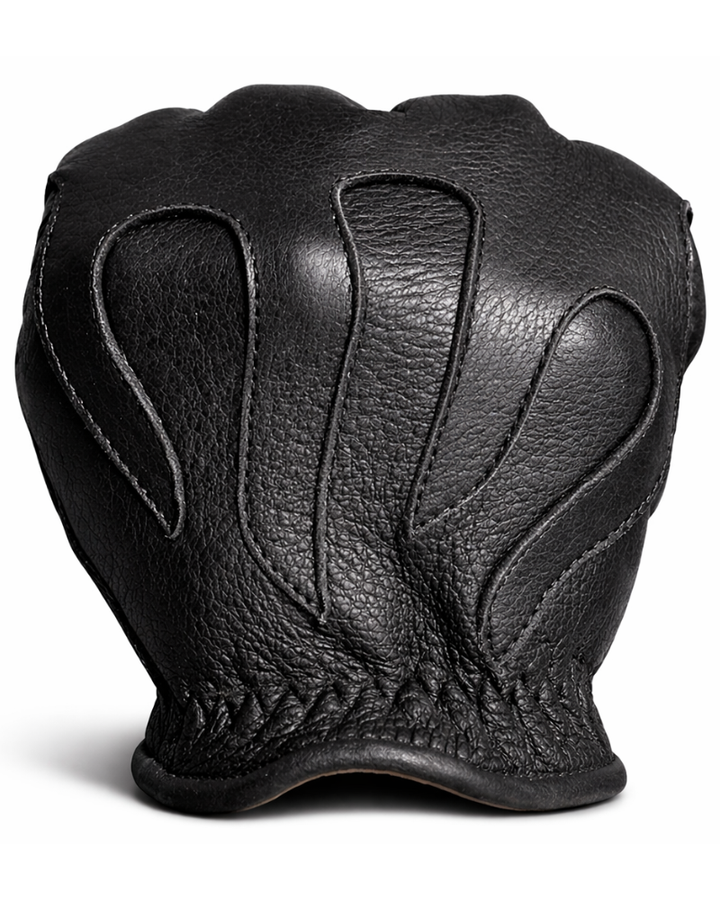
Deerskin makes this worse and better at the same time. It is the softest hide Legendary USA works with and it transmits lever feel better than cowhide, which is exactly why riders keep buying it. Unlined, though, it is a thin windbreak. The fix is not a heavier hide. The fix is a lining behind the same deerskin.
Lined or Unlined: The Fall Decision
This is the only gear decision that actually changes in September. Legendary USA tags the Fleece-Lined Deerskin Gloves for cold and windy conditions, and the Classic Short Wrist Touchscreen Deerskin Gloves for year-round and mild weather. Those are two different jobs, and one pair does not cover both ends of a fall day.
The honest tradeoff runs like this. Fleece lining adds warmth and cuts wind, but it also fills the glove, so a lined pair feels snugger than the unlined pair you already own and it takes longer to dry once it is wet. An unlined deerskin glove breaks in faster, packs smaller, and gives more lever feel, but at 45 degrees and highway speed it runs out of insulation. Neither one is wrong. They are seasonal tools.
Both are unarmored leather gloves. Neither carries knuckle protection or a CE rating, and Legendary USA does not claim otherwise. What deerskin does do is resist abrasion, block wind when it is lined, and get softer with miles instead of stiffer. For a deeper breakdown of the two constructions, see our guide to lined versus unlined motorcycle gloves.
Closing the Wrist Gap
The gap between a glove cuff and a jacket sleeve is where most cold-morning misery actually starts. A short-wrist glove sits at the wrist bone, which is fine in July and a liability at dawn in September. Wind funnels up the sleeve, cools the blood moving through the wrist, and your fingers get the cold version of that blood a second later.
The Classic Deerskin Gauntlets solve it by extending over the jacket cuff instead of meeting it. Legendary USA tags the gauntlet for cold and windy riding for this reason. The cost is bulk at the forearm and a slower on-and-off at every gas stop, which is why gauntlets live in the fall and winter rotation rather than the year-round one.
If you would rather keep the short-wrist glove you already like, the workaround is a jacket cuff that closes tight enough to sit under the glove without bunching. That works. It just takes more attention every time you gear up than a gauntlet does.
Layering the Torso Without Losing Movement
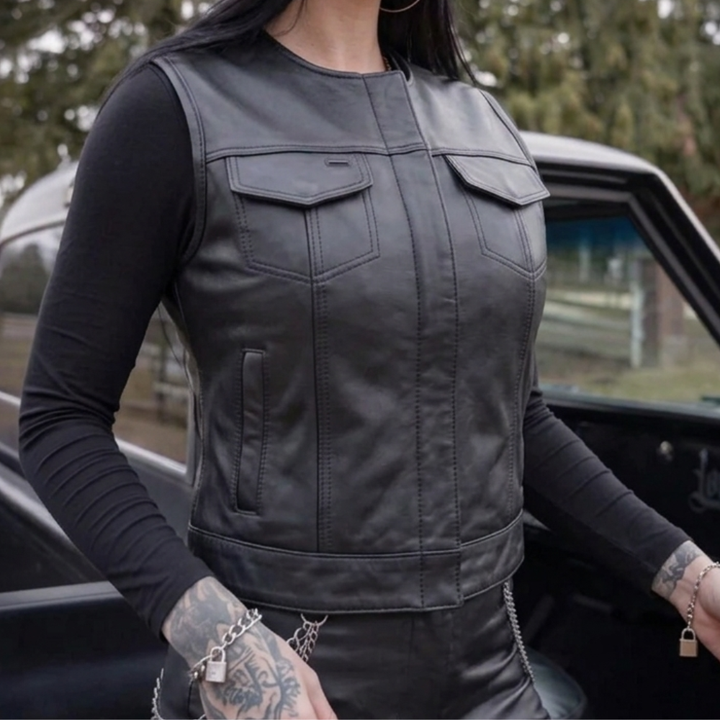
Cold-morning layering fails when riders add bulk instead of adding a windbreak. Wind stripping heat off a fleece is what makes you cold, not the fleece being thin. A vest over the mid-layer fixes the chest and back, which is where most of the wind hits, and it leaves the arms free to work the bars.
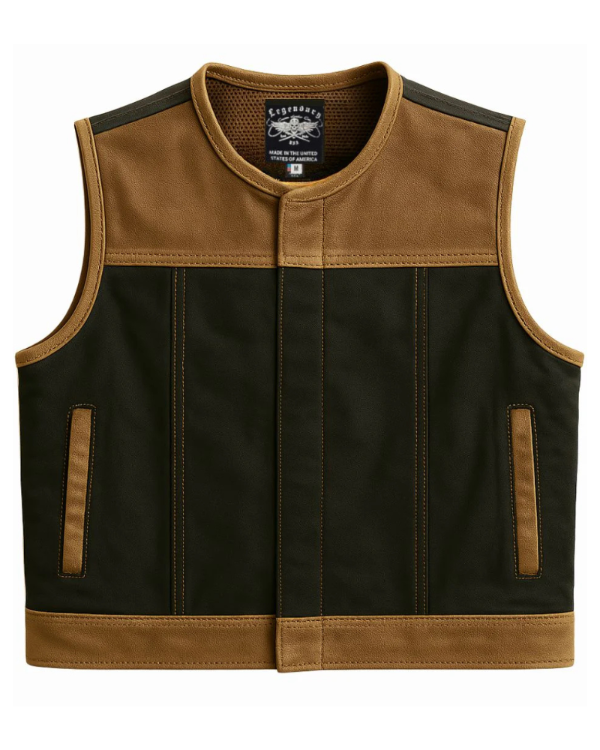
That is the practical argument for a vest in September rather than a second jacket. Legendary USA vests in the Made in USA motorcycle vests collection are cut to go over a layer, not under one. The lightweight options work as a wind shell on a cool morning and come off in the afternoon without unpacking the whole bike.
Three Cold-Morning Mistakes
The first is buying one pair of gloves for the whole season. September in most of the country swings 30 degrees between 7 a.m. and 2 p.m., and a single glove that handles both ends of that range does not exist. A lined pair and an unlined pair in the saddlebag is the actual answer.
The second is sizing a lined glove like an unlined one. Fleece takes up room. Order a lined glove that fits the way an unlined glove fits when new and you will end up with a pair that restricts the fingers and cuts circulation, which makes your hands colder, not warmer.
The third is waiting for the cold to arrive before conditioning leather. Dry hide stiffens in cold air. Gear conditioned in early September stays supple through the first hard mornings, and our notes on keeping your hands warm while riding cover the habits that go with it.
Building the Rotation
A working cold-morning kit is smaller than most riders expect. One lined glove, one unlined glove, one wind-blocking vest, and something over the neck covers 45 to 70 degrees without a single heated accessory. Every piece of it is available in the Made in USA motorcycle gloves collection and the vest collection above.
Buy the lined glove first. It is the piece that changes the ride most on the mornings that are actually uncomfortable, and it is the piece that sits idle all summer waiting for exactly this stretch of the calendar. The unlined pair you probably already own.
For the wind chill math behind these temperature bands, the National Weather Service publishes a cold wind chill chart.
Cold-Morning Riding Questions
- What temperature do I need lined motorcycle gloves?
- Most riders want a lined glove below about 55 degrees at highway speed. The number moves with wind, humidity, and how long you are out. A 60-degree morning on a 20-minute commute is fine in unlined deerskin, while 60 degrees for two hours on the interstate is not. Legendary USA tags the Fleece-Lined Deerskin Gloves for cold and windy conditions and the unlined short-wrist gloves for mild and year-round riding, which is a useful line to work from.
- Are deerskin gloves warm enough for fall riding?
- Unlined deerskin is not a cold-weather glove on its own. Deerskin is prized for softness and lever feel rather than insulation, so an unlined pair runs out of warmth somewhere in the 50s at road speed. Fleece-lined deerskin is a different product and handles cold and windy fall riding well. If you already own unlined deerskin and like how it fits, buying the lined version of the same hide is the simplest upgrade for September.
- Should I size up when buying fleece-lined gloves?
- Not usually, but do not size a lined glove down. Fleece lining occupies real space inside the glove, so a lined pair in your normal size will feel snugger than the unlined pair you are used to. That is expected. Deerskin relaxes with wear. A glove tight enough to restrict finger movement or blood flow will make your hands colder, so if you are between sizes on a lined pair, take the larger one.
- What is the difference between gauntlet and short-wrist gloves in fall?
- A gauntlet extends over the jacket cuff and seals the wrist gap where cold air enters the sleeve. A short-wrist glove stops at the wrist bone and relies on the jacket cuff to close that gap. For cold mornings the gauntlet is the warmer choice. The tradeoff is bulk at the forearm and slower on-and-off at stops, which is why many riders keep gauntlets for fall and winter and short-wrist gloves for the rest of the year.
- Do I need a vest if I already wear a leather jacket?
- A vest earns its place as a wind layer over a mid-layer rather than as a replacement for the jacket. Cold on a motorcycle is mostly wind stripping heat off your chest and back, and a vest blocks exactly that area while leaving your arms unrestricted at the bars. It also comes off in seconds when the afternoon warms up. If your jacket already blocks wind well, add the vest under it as insulation instead.