

How to Keep Your Hands Warm While Riding a Motorcycle
Cold hands on a motorcycle come from moving air, not from air temperature. At highway speed your hands sit in a constant windstream that strips heat away faster than your body replaces it, which is why a glove that is comfortable standing in a parking lot fails ten minutes into the ride. The fix is to block the wind first and add insulation second, in that order.
This guide covers the five things that actually change how warm your hands stay: sealing the cuff, choosing the right lining, keeping your core warm, managing your grip, and knowing when to stop. None of it requires heated gear.
Step 1: Seal the Gap Between Glove and Sleeve
This is the single most common reason riders have cold hands in expensive gloves. If air enters at the wrist, it flows down through the glove and carries your body heat out with it. Insulation cannot stop a leak.
Check the overlap. Put your gloves on, put your jacket on, and reach for the bars in your normal riding position. Watch what happens at the wrist. If the jacket sleeve rides up and exposes skin or a strip of glove cuff, you have a leak.
The straightforward fix is a gauntlet. A classic American whitetail deerskin gauntlet extends up the forearm and overlaps the jacket sleeve, so there is no open seam for air to find. If you prefer a short-wrist glove, tuck the glove cuff inside the jacket sleeve rather than over it, and make sure your jacket cuff actually cinches.
Step 2: Choose Windproof Leather Over Thick Insulation
Leather is naturally windproof. That is most of why it has been the American riding glove material for a century. A moderately lined leather glove will beat a thick fabric glove in wind almost every time, because the fabric glove lets air move through it.
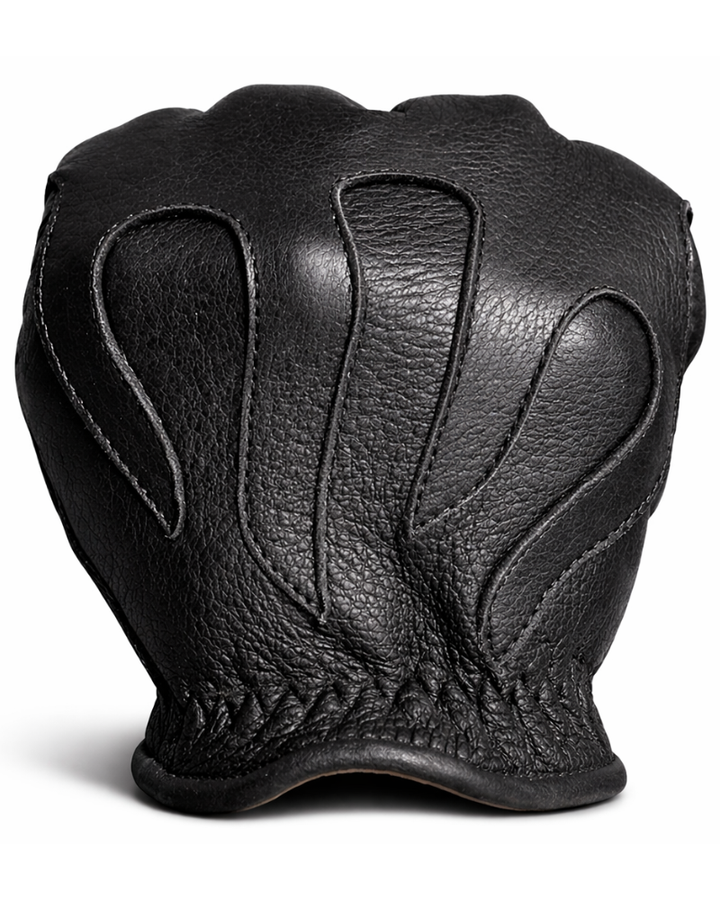
For fall and cool-morning riding, a fleece-lined deerskin short-wrist glove is the sensible choice. The deerskin shell stops the wind and the fleece holds the heat your hand generates. Legendary USA builds these on the same American deerskin used in our unlined gloves, so they break in the same way.
Here is the honest tradeoff: a fleece-lined glove runs warmer than you want on a sixty-five degree afternoon, and it fits snugger than an unlined glove in the same size because the liner takes up interior room. That is the price of the warmth.
Step 3: Keep Your Core Warm So Your Hands Get Blood
When your torso gets cold, your body narrows the blood vessels in your extremities to protect your core temperature. Your hands go cold because your chest is cold. This surprises riders who have spent money on gloves and none on layering.
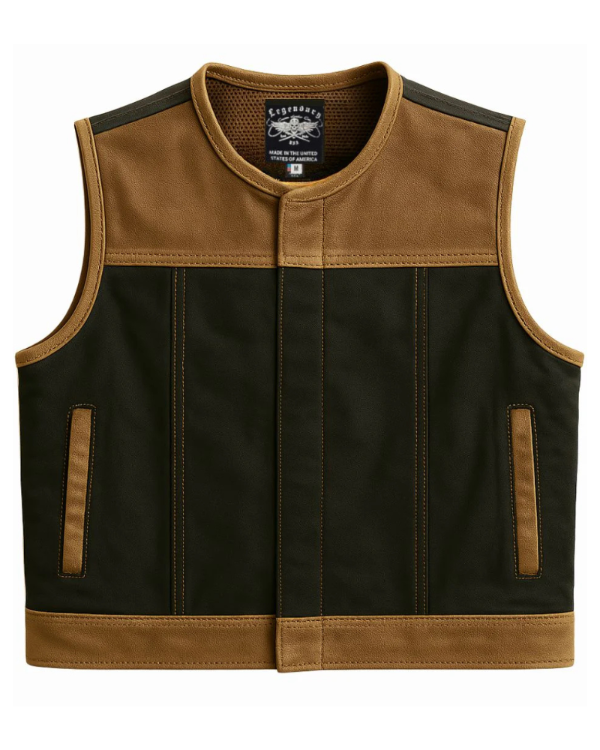
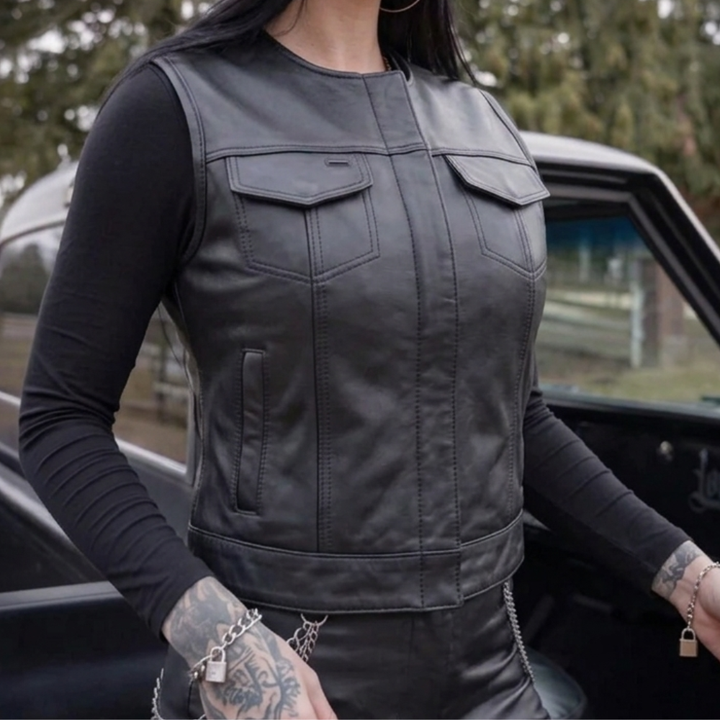
Add a layer under your jacket before you add insulation to your gloves. A vest over a base layer traps heat across your torso without adding bulk in your shoulders, which matters because you need to move your arms. Our guide on how to layer under a motorcycle vest covers the order that works.
If you fix nothing else on this list, fix this one. It is free if you already own the layers.
Step 4: Loosen Your Grip
A death grip on the bars restricts circulation in your hands and fingers. On a cold morning that turns a manageable chill into numb fingertips within twenty minutes.
Ride with the lightest grip that keeps you in control. Every few miles, open one hand at a time, flex your fingers wide, and shake out your wrist. It sounds trivial. It is the difference between arriving with working hands and arriving with hands you have to warm up before you can use the key.
Gloves that fit too tightly cause the same problem without any help from you. If a glove pinches across the knuckles when you make a fist, it is restricting circulation every mile you ride in it, and it will never be a warm glove regardless of its lining.
Step 5: Stop Before You Need To
On a cold ride, stop every hour and get your hands somewhere warm for five minutes. Cold hands are easy to rewarm early and hard to rewarm late. Once your fingers are genuinely numb, you have lost fine control of the clutch and front brake, and no glove is going to give that back to you while you are moving.
Plan the fuel stop and the coffee stop as part of the route in cold weather rather than as an interruption to it.
What About Heated Grips and Heated Gloves?
Heated grips warm your palms and leave the backs of your hands exposed to the wind, which is where the cold actually gets in. They work well in combination with a windproof glove and poorly on their own. Heated gloves solve the problem more completely and cost more, and they add a wire and a power draw to your setup.
Our position is straightforward: get the cuff sealed and the core layered first. Most riders who think they need heated gear discover they needed a gauntlet and a vest.
Frequently Asked Questions
- How do I keep my hands warm on a motorcycle?
- Block the wind first, then add insulation. A windproof leather shell stops the airflow that pulls heat off your hands, and a fleece lining holds the heat you generate. Beyond gloves, keep your core warm so your body keeps sending blood to your hands, cover the gap between glove cuff and jacket sleeve, and stop for a few minutes every hour on cold days. Most riders reach for thicker gloves when the real problem is an unsealed cuff.
- Why do my hands get cold even in thick gloves?
- Usually because air is getting in at the cuff, or because your core is cold. Wind entering at the wrist flows straight through the glove and carries heat out with it, and no amount of insulation fixes a leak. Separately, when your torso gets cold your body reduces blood flow to your hands to protect your core temperature. A warm chest and a sealed cuff do more for cold hands than a heavier glove does.
- Are fleece-lined motorcycle gloves warm enough for fall riding?
- Fleece-lined deerskin gloves handle most fall riding well, roughly down to the low forties for a rider who is otherwise dressed for the weather. Below that, the limiting factor is usually wind at the cuff rather than the lining itself, which is where a gauntlet earns its keep. Fleece-lined gloves do run snugger than unlined gloves in the same size, so account for that when you order.
- Do gauntlet gloves keep your hands warmer than short-wrist gloves?
- Yes, in cold weather a gauntlet is meaningfully warmer. The extended cuff covers your wrist and overlaps your jacket sleeve, which closes the gap where cold air enters. A short-wrist glove leaves that gap open unless your jacket cuff seals well on its own. In mild weather the difference barely registers, which is why most riders own a short-wrist pair for the season and a gauntlet for the cold end of it.
- Should I wear glove liners under motorcycle gloves?
- Liners work only if the glove has room for them. Adding a liner to a glove that already fits snugly compresses the insulation and restricts circulation, which makes your hands colder rather than warmer. If you plan to run liners, order the glove a size up specifically for that use, or buy a fleece-lined glove instead and skip the extra layer. Do not force a liner into a glove that fits correctly on its own.
- What temperature is too cold to ride without heated gear?
- That varies by rider, ride length, and speed, so treat any number as a starting point rather than a rule. Many riders are comfortable in fleece-lined leather gauntlets and proper layering down into the forties for an hour or two. Below freezing, or for long highway stretches at speed, most riders start looking at heated grips or heated gloves. Wind chill at highway speed is the variable that matters more than the reading on the thermometer.
The Short Version
Seal the cuff, block the wind with leather, layer your core, loosen your grip, and stop before your hands go numb. Those five things cover almost every cold-hands complaint we hear, and four of them cost nothing. If you are buying one thing for the season ahead, buy a gauntlet before you buy anything heated. Browse Legendary USA's Made in USA motorcycle gloves to compare linings and cuff lengths, and read our guide on keeping hands warm when leather gets wet before the fall rain starts.