

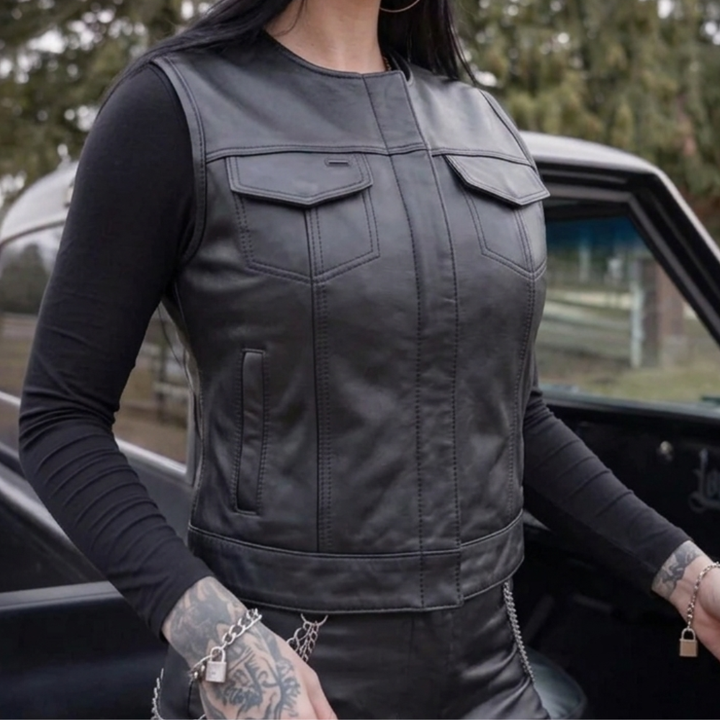


Winter motorcycle riding belongs to the riders who keep going when the season is supposed to be over. It is a small part of American riding culture, built on leather that holds up, gloves that keep their feel in the cold and plain good judgment. After 25 years of selling gloves, we have a clear view of what those riders value.
The rider who does not park the bike
Most riders put the bike away when the first hard frost arrives. A few treat a cold morning as one more condition to plan for, and they have done so for as long as there has been an American riding culture.
Those riders are not reckless, and they are not nostalgic about suffering. They are practical. They know their route, they know their gear, and they know when a ride is not worth taking.
Leather has always been the cold-weather answer

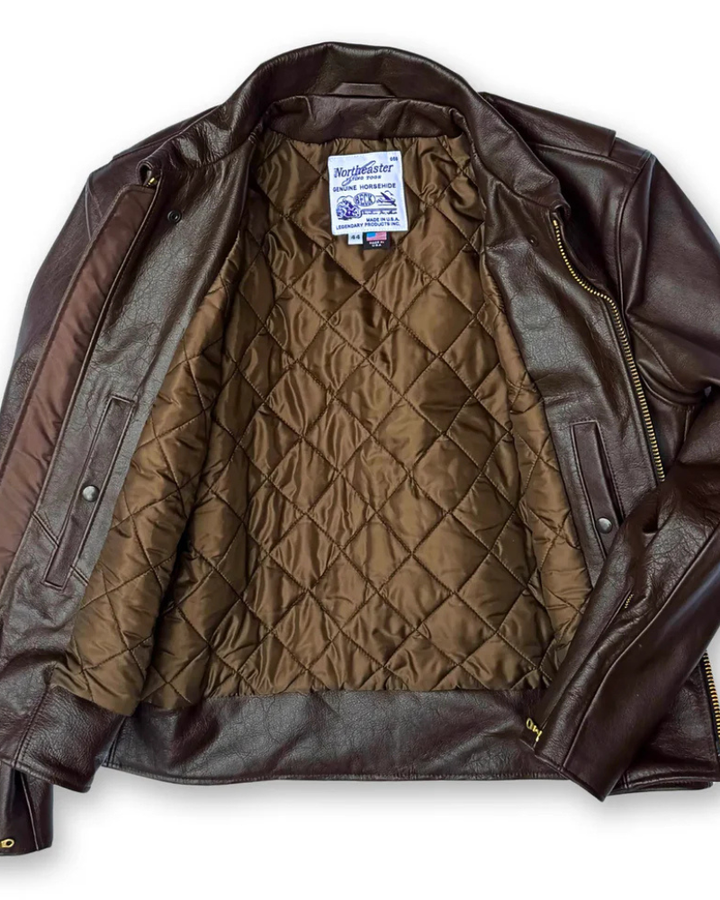
American riders have worn leather for as long as there has been an American riding culture, and cold is a big reason. Leather blocks wind, it has weight, and it ages into something personal. A jacket, a vest and a pair of gloves that have seen ten winters are worth more to their owner than anything new.
Legendary USA has sold motorcycle gear since 2001, and this is our 25th year. Cold-weather gloves are a steady part of the questions that come in each fall, and they tend to circle the same ideas: warmth without losing feel, a fit that works over a liner, and leather that does not stiffen. Our post on 25 winters of cold-weather gloves collects what those years have shown us.
The glove that makes the season longer
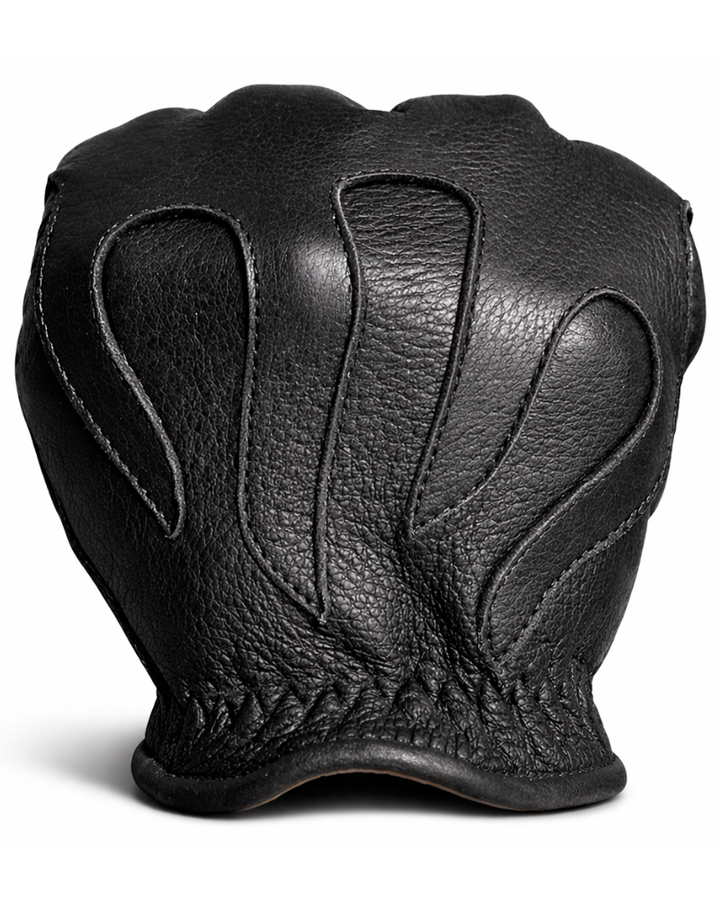
For a lot of riders, the hands are what end the season. The fleece-lined deerskin glove exists for the gap between a mild October and a hard winter. Ours pairs an American Whitetail deerskin shell with a 3M Thinsulate 40-gram lining, and the product page puts its working range at about 30 to 50°F.
That is a real range, not a promise of comfort at any temperature. Below it, riders add layers, change their routes, or stay home. The Fleece-Lined Deerskin Gloves are cut from deerskin that stays pliable in the cold, so the throttle and brake still feel like a throttle and brake.
The gauntlet has a place in this story too. Its long cuff closes the gap at the wrist where cold air finds a rider's skin at speed. We cover the old design in the history of the gauntlet glove in American riding.
Gear and judgment ride together
Old riders will tell you that the gear is half the answer and judgment is the other half. Ice, wet leaves and road salt change the rules, and no glove or jacket repeals them. Rider training matters more than anything you buy, and organizations such as the Motorcycle Safety Foundation publish rider education resources for exactly this reason.
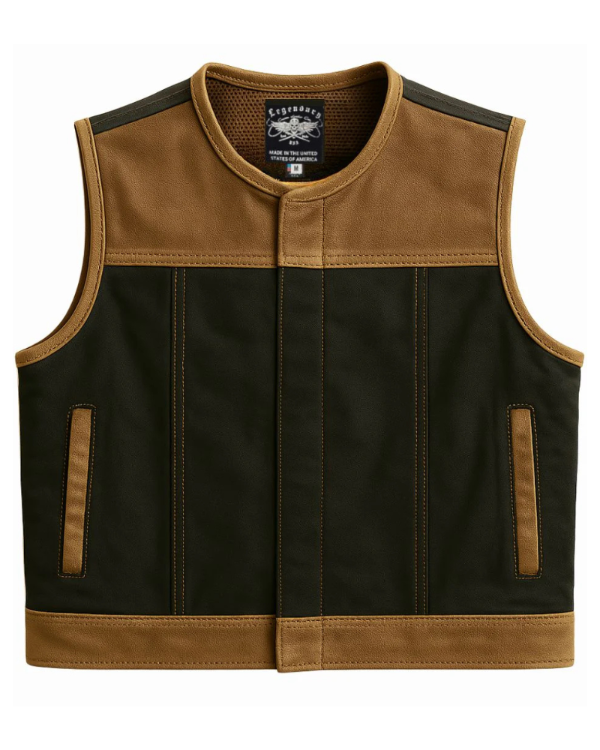
A good winter rider also keeps their leather in order. Dry it slowly, clean off the salt, condition it lightly, store it right. The vest has its own winter tradition, which we describe in the horsehide vest as a cold-weather layer.
What the winter rider teaches the rest of us
Winter riders teach patience. They plan, they layer, and they accept that some days the right call is a cup of coffee and a closed garage door. They also teach that good gear gets better with use, and that the miles you earn in hard conditions are the ones you remember.
If you ride into the cold, start with the hands and build from there. The Made in USA motorcycle gloves collection lists every cuff and lining we offer, and each pair is hand-cut and stitched in the USA.
Winter motorcycle riding is not for everyone, and it was never meant to be. It belongs to the riders who plan well, wear leather that earns its place and know when to say no. If that describes you, keep your gear in order and your hands warm, and we will see you in the spring.
For rider training and general riding practice, the Motorcycle Safety Foundation publishes rider education resources.
Frequently asked questions
- Do people really ride motorcycles in the winter?
- Yes. Many American riders keep riding through cold months when roads are clear and dry. They plan routes, layer clothing, and check conditions before each ride. Others store their bikes until spring. Winter riding is a choice that calls for good gear, honest judgment about ice, wet leaves and road salt, and willingness to skip days when conditions are poor.
- What gloves do winter motorcycle riders wear?
- Riders typically choose a lined glove sized to fit comfortably with the insulation. The Legendary fleece-lined deerskin glove uses a 3M Thinsulate 40-gram lining and is rated for about 30 to 50°F. For colder rides or long highway stretches, riders often add liners, change layers, or shorten the trip.
- Why do riders choose leather for cold weather?
- Leather blocks wind, has weight, and holds up to repeated use. Deerskin in particular stays pliable in the cold, which helps riders keep feel at the throttle and brake. Leather also ages well when it is cleaned, conditioned and dried properly, which is why many riders keep one set of cold-weather gear for years.
- How long has Legendary USA been making motorcycle gear?
- Legendary USA opened in 2001, so 2026 is its 25th year. The company sells American-made motorcycle gloves, vests and jackets, and its gloves are hand-cut and stitched in the USA. Cold-weather riding questions arrive every fall, which is why lined gloves and care guidance are a regular part of what we publish.
- Is a gauntlet glove good for winter riding?
- A gauntlet's long cuff helps close the wrist gap where cold air reaches the skin, and it can be worn over or under a jacket sleeve. The Legendary deerskin gauntlet is unlined, so it works for shoulder-season riding. For deeper cold, riders pair it with layers or choose a lined glove.
- How should I care for leather after a winter ride?
- Wipe off road salt and dirt with a cloth dampened in clean water, then let the leather dry slowly at room temperature away from any heat source. Once dry, add a very light coat of conditioner if the hide feels dry. Store gloves, vests and jackets somewhere dry with air moving.