



Complete Leather Motorcycle Gear Care: Gloves, Vests, and Jackets
Leather motorcycle gear lasts decades when you clean it, condition it, and store it right. The routine is simple: wipe away dirt and sweat, replace the natural oils with a leather conditioner two to four times a year, and store the gear dry and out of direct heat. This guide walks through care for deerskin gloves, leather vests, and horsehide jackets so your Legendary USA gear ages into something better than the day you bought it.
Why leather care matters for riding gear

Leather is skin, and like skin it dries out. Sun, wind, sweat, and road grime pull the natural oils out of the hide, and once those oils are gone the fibers get brittle and crack. Riding gear takes more abuse than a dress jacket ever will, so it needs more attention.
Good care is also a protection issue. A supple, well-oiled hide flexes and abrades better than a dried-out one. Legendary USA cuts its gear from full-grain American leather, the strongest, most durable layer of the hide, but even full-grain needs its oils replenished to stay at its best. Neglect is the fastest way to age a good piece of leather prematurely.
How to clean leather motorcycle gear
Start every care session with cleaning, because conditioning over dirt traps grime against the hide. For most gear, a cloth barely dampened with water removes surface dust, salt, and sweat. Wipe with the grain, not in circles, and get into seams where dirt collects.
For heavier soiling, use a dedicated leather cleaner rather than household soap or detergent, which strip oils and dry the leather. Work in small sections and never soak the leather. After cleaning, let the gear air dry at room temperature until it is cool and dry to the touch before you move to conditioning.
What to avoid
Skip saddle soap on soft leathers like deerskin, skip alcohol and solvents entirely, and never machine wash leather gloves or a leather vest. Heat is the other enemy: no dryers, no radiators, no parking gear in a hot car to speed drying. These shortcuts crack grain that would otherwise last for years.
How to condition leather and pick a product
Conditioning replaces the oils cleaning and riding remove. Apply a small amount with a clean cloth, work it in with the grain, let it absorb for several minutes, then buff off any excess. Less is more here, because leather absorbs only so much and the rest just sits on top and attracts dust.
Conditioners fall into a few camps. Cream conditioners absorb cleanly and are the safest all-around choice for gloves and garment leather. Oil-based conditioners like mink oil soften and darken leather more aggressively, which suits heavy work leather but can over-soften a riding glove. Wax-based products add water repellency but sit more on the surface. For deerskin gloves and most riding leather, a quality cream conditioner is the reliable pick.
Care by gear type
Deerskin and goatskin gloves
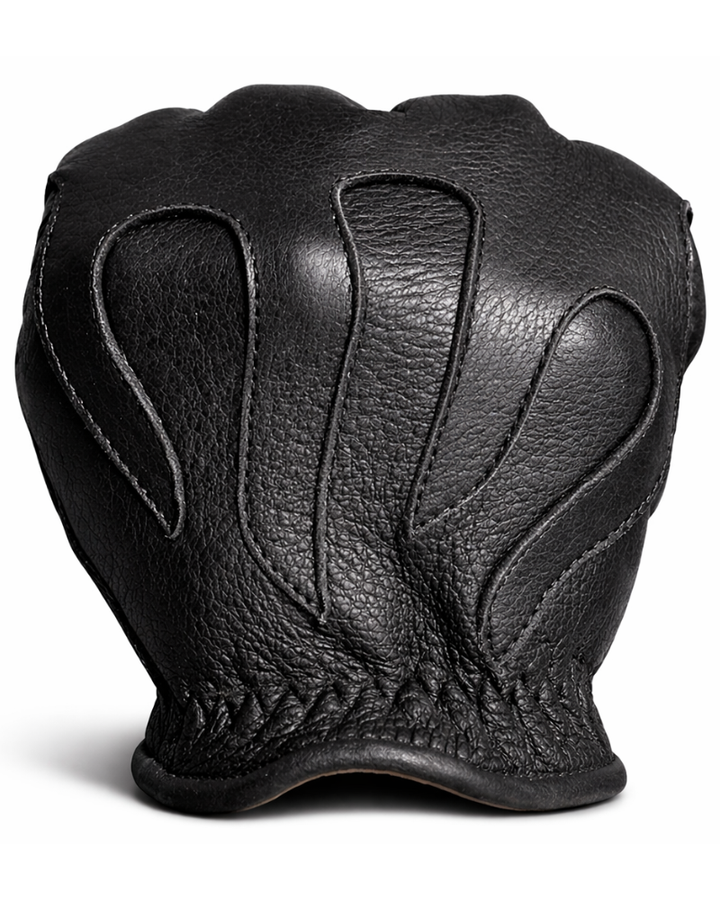
Gloves take the most sweat and sun of anything you own, so they need the most frequent care. Wipe them down after hard rides, let them air dry shaped to your hand, and condition lightly when they feel stiff. Our ILL Dozer perforated deerskin gloves and deerskin fleece-lined gloves stay supple for years on this simple routine. Browse the full Made in USA motorcycle gloves collection if you are ready to add a pair to the rotation.
Leather vests
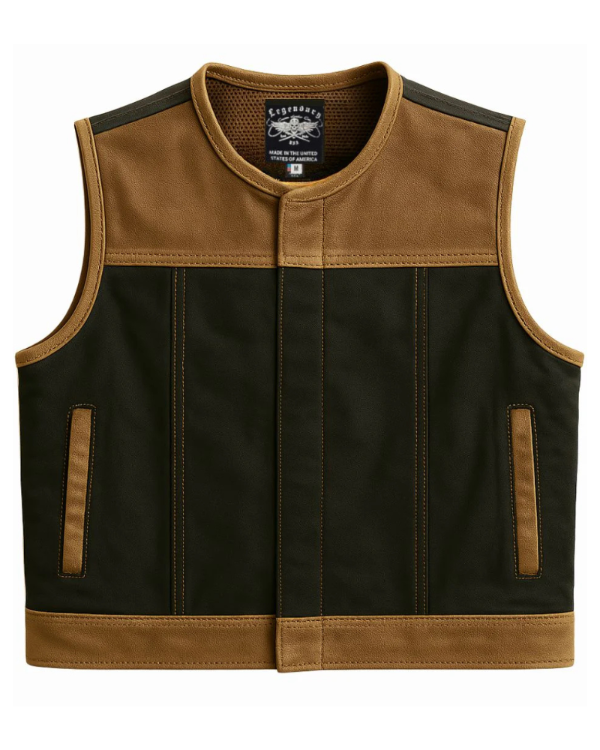
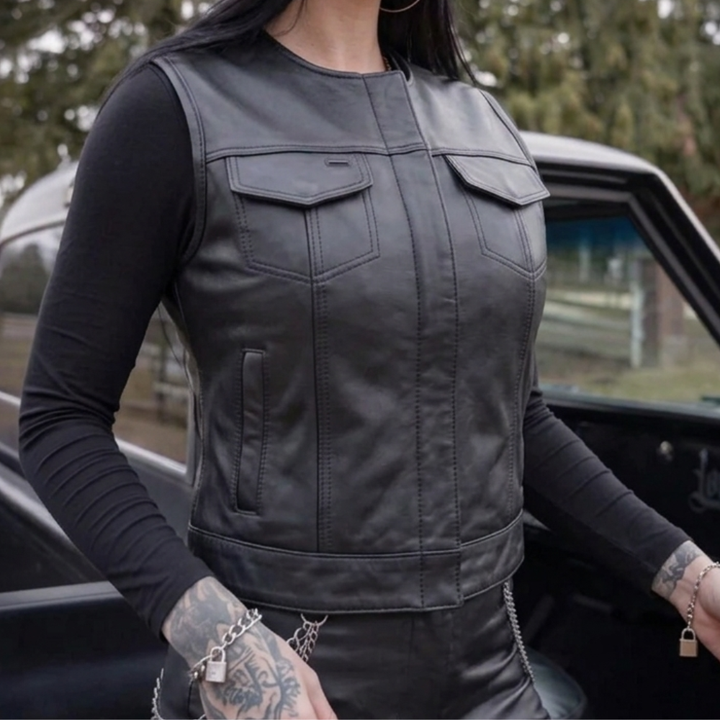
Vests see less sweat than gloves but plenty of sun across the shoulders and back. Clean the panels, condition the leather, and pay attention to hardware and stitching. Store on a wide hanger so the shoulders keep their shape. If you run patches, condition around them carefully so oils do not bleed into the fabric.
Horsehide and cowhide jackets
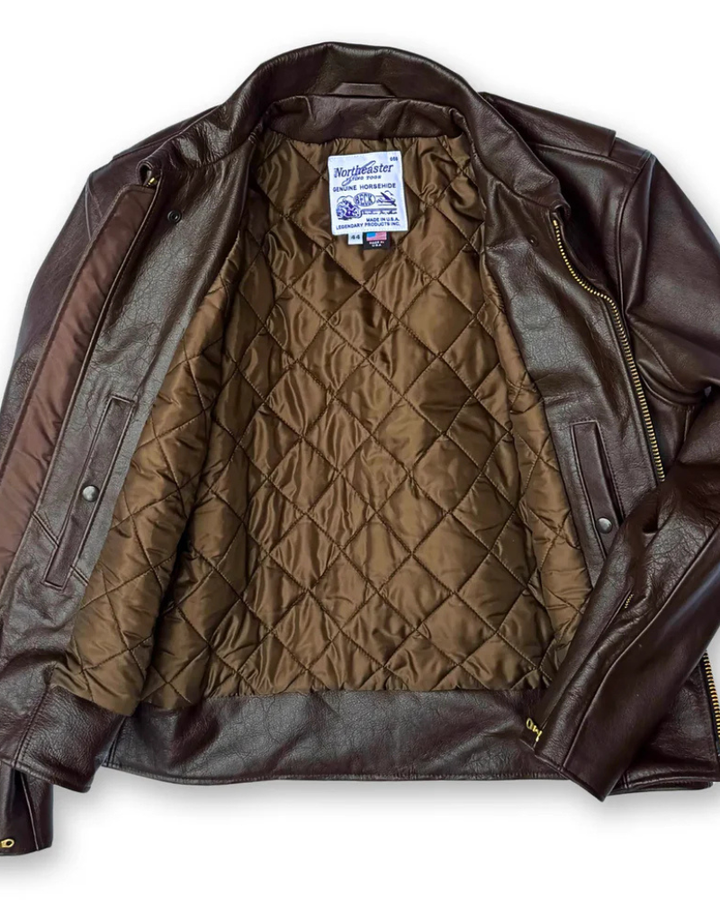
Jackets are the heaviest leather you own and the most forgiving, but they still dry out at the collar, cuffs, and shoulders where the sun hits. Condition those high-wear zones a touch more often. If you are weighing hides, our guide to horsehide versus cowhide breaks down how each ages and what care each prefers.
Storing leather gear the right way
How you store leather between rides matters as much as how you clean it. Keep gear in a cool, dry spot with airflow, never sealed in plastic, which traps moisture and breeds mildew. Hang jackets and vests on wide hangers and lay gloves flat rather than crushing them under heavier gear.
Before a long off-season, clean and condition everything, then check on it once mid-storage and re-condition if it feels dry. Leather stored dirty or damp is leather that comes out of storage stained or moldy.
Common leather care mistakes
The biggest mistake riders make is over-conditioning, flooding the leather with oil until the grain softens and loses structure. The second is using heat to dry wet gear, which is the single fastest way to crack a hide. The third is skipping cleaning and conditioning straight over road grime. Avoid those three and basic care becomes almost foolproof.
Ready to build gear worth caring for? Start with the Made in USA motorcycle gloves collection, or read our rider's buying guide to deerskin gloves before you choose.
Frequently asked questions
- How often should I condition leather motorcycle gear?
- Condition leather motorcycle gear two to four times a year for regular riders, and any time the leather looks dry or feels stiff. Gloves that see sweat and sun need it more often than a jacket worn a few times a month. Over-conditioning is a real mistake: leather can only absorb so much oil, and the excess sits on the surface, softens the grain, and attracts dirt. Condition when the leather tells you it is thirsty, not on a rigid calendar.
- Can I use saddle soap on deerskin gloves?
- Saddle soap is formulated for firm, heavy leathers like cowhide tack, and it is too aggressive for soft deerskin motorcycle gloves. It can strip the natural oils that give deerskin its stretch and break-in feel, leaving the glove stiff. For deerskin, wipe with a barely damp cloth, let it air dry away from heat, then work in a small amount of leather conditioner. Legendary USA builds its deerskin gloves to stay supple, and gentle care keeps them that way.
- How do I dry wet leather motorcycle gear?
- Dry wet leather slowly at room temperature, away from radiators, heaters, hair dryers, and direct sun. Heat drives moisture out too fast, which shrinks and cracks the grain. Blot standing water with a towel, reshape gloves or hang a jacket on a wide hanger, and let air do the work over a day or two. Once the leather is dry to the touch but still cool, condition it to replace the oils the water carried off.
- What is the difference between cleaning and conditioning leather?
- Cleaning removes dirt, salt, and sweat from the surface of the leather. Conditioning replaces the natural oils that keep the fibers flexible and water-resistant. They are two separate steps, and order matters: always clean first, let the leather dry, then condition. Conditioning over a dirty surface traps grime against the hide. Think of cleaning as washing and conditioning as moisturizing, and do them in that sequence.
- Does leather motorcycle gear need waterproofing?
- Full-grain leather is naturally water-resistant, not waterproof, so a good conditioner is usually enough for typical riding. Riders who face regular rain can add a leather-safe wax or water repellent, but should test it on a hidden spot first because some products darken the hide. Avoid silicone sprays meant for synthetics; they can seal the leather and stop it from breathing. Keep the leather conditioned and it will shed light rain on its own.
- How should I store leather gear in the off-season?
- Store leather gear clean, conditioned, and dry in a cool spot with airflow. Use a wide wooden or padded hanger for jackets and vests so the shoulders hold shape, and never seal leather in a plastic bag, which traps moisture and invites mildew. A breathable cotton garment bag is ideal. Keep gloves flat, not crushed under heavier items. Check on stored gear once during the season and re-condition if it feels dry.
Care is not complicated, but it is the difference between gear that lasts a season and gear that lasts a lifetime. Clean it, condition it, store it dry, and your Legendary USA leather will keep earning its place in your rotation for years.