

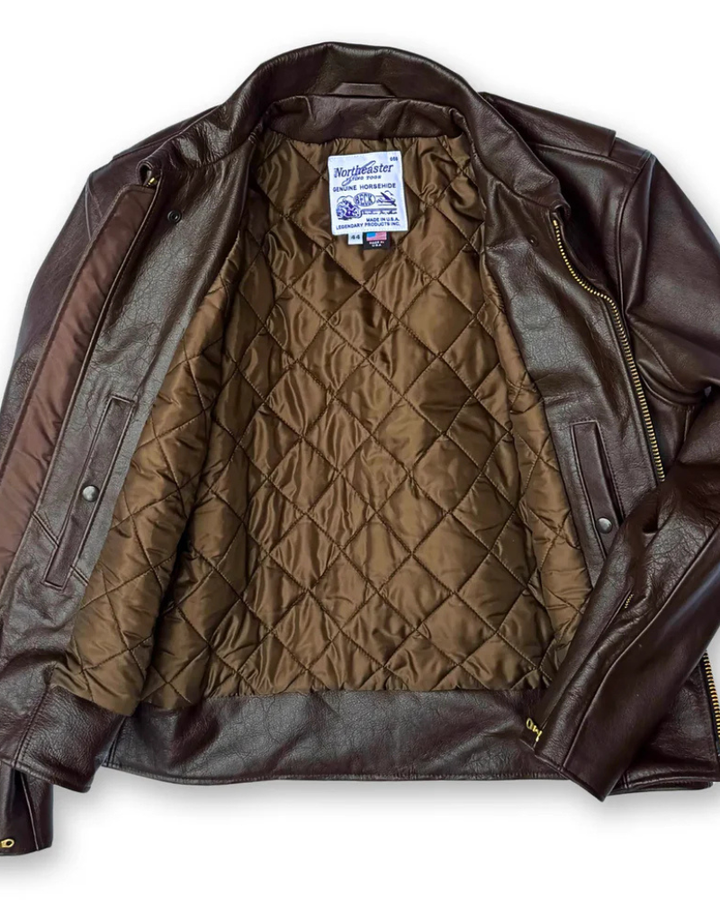
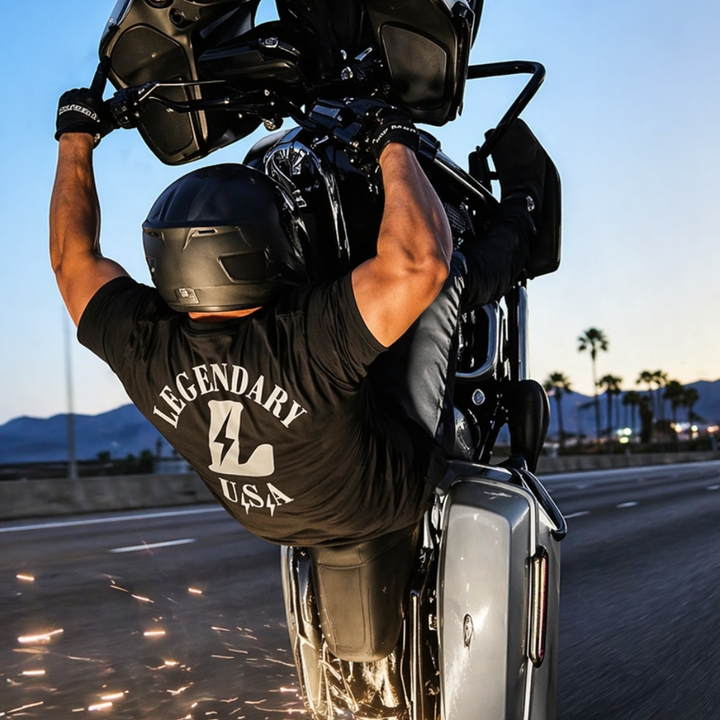
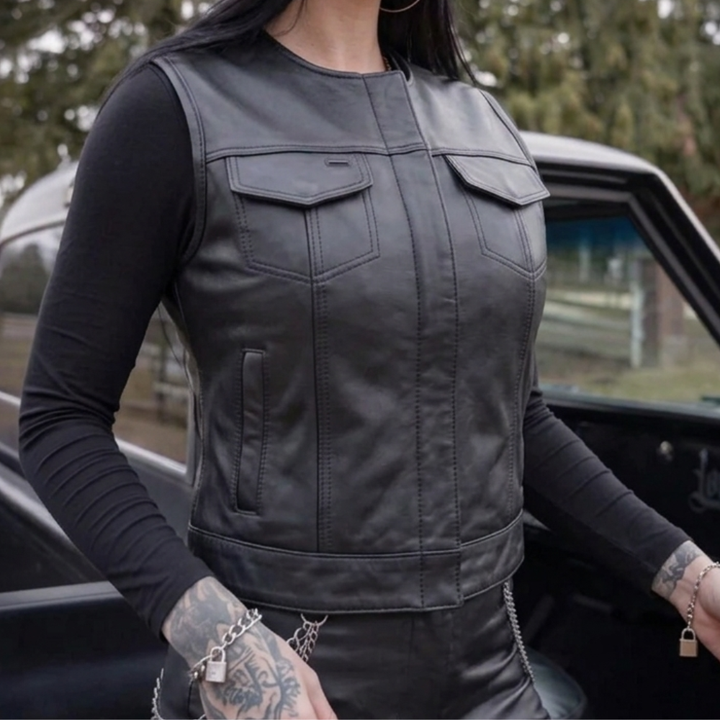


Two-up motorcycle riding gear has one rule: the passenger deserves the same quality of gloves and leather as the rider. Passengers sit still in the airstream, cool off faster, and grip grab rails instead of heated bars, so their gear list is close to the rider's with a heavier lean toward comfort and wind protection. This roundup covers Legendary USA's American-made picks for both seats.
Top Picks, Shop Direct
Two-up shopping is really two shopping trips at once, so these four are picked as a set rather than as a ranking: one glove for the hot leg, one glove for the cold start, and one vest for each seat. Everything here is chosen because it works for a passenger as readily as for a rider.
| Product | Why it fits this question | From |
|---|---|---|
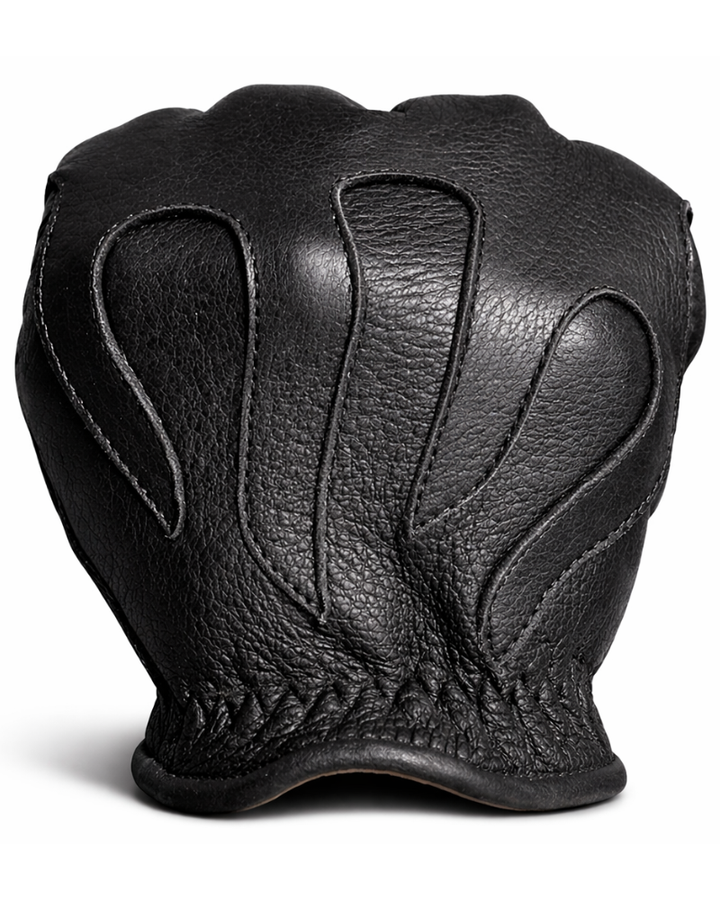
| Fingerless Deerskin Gloves | The warm-afternoon glove for either seat, and the most size-tolerant leather item we sell, which matters when you are buying for a passenger whose hands you have not measured. Deerskin needs no break-in. Honest tradeoff: fingers ride uncovered. | $60.00 |
| Classic Deerskin Gauntlets | The cold-start glove, and the one that matters more for the back seat than the front. The gauntlet cuff closes the gap at the jacket sleeve where wind gets in, and a passenger sitting still in the airstream feels that gap long before the rider does. | $75.00 |
| Legendary Women's Braided Leather Vest | A women's-cut leather vest rather than a men's small, which is the difference between a passenger who wears it and one who does not. Runs XS through 2XL. | $95.00 |
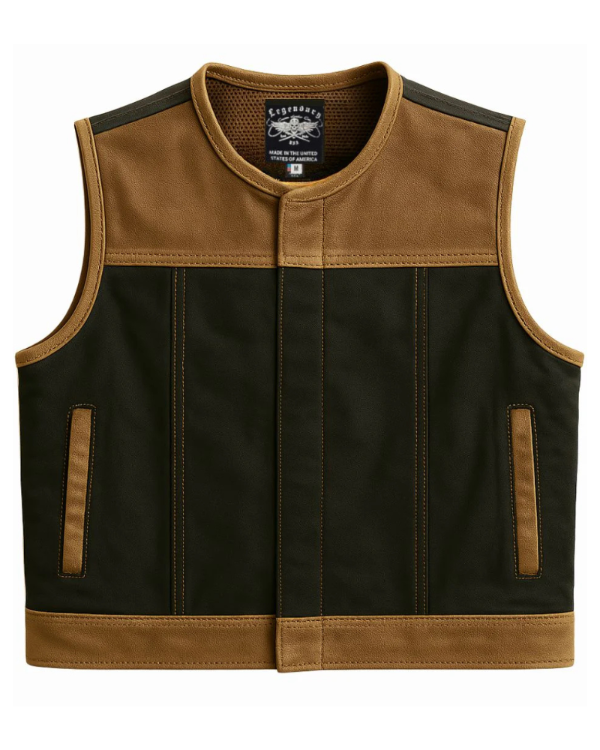
| Legendary Black Jack Lightweight Cordura Vest | The layering vest for either seat. Blocks the wind chill out of a cool morning start, packs flat into a saddlebag by mid-morning, and dries fast, which matters when saddlebag space is now being shared between two people. | $179.99 |
Prices shown are current at time of writing. Orders over $150 ship free.
What Two-Up Riding Changes About Gear

Adding a passenger changes the gear math more than most riders expect. The passenger takes the wind without the engine heat and the handlebar workload, so they run colder than the rider at the same temperature. They also mount, dismount, and hold on with their hands, which makes glove fit a grip-safety issue rather than a comfort preference.
The rider's needs shift too. A loaded two-up bike means longer braking distances and longer days, which rewards gloves with good lever feel and layers that adjust at gas stops. None of this requires exotic equipment. It requires two full sets of gear that actually fit the two people wearing them.
Gloves for the Rider's Seat
For the person at the bars in summer heat, the ILL Dozer perforated deerskin motorcycle gloves at $135.00 are the pick of the line. The outseam construction keeps stitching off the palm for clean lever feel, and the perforated deerskin moves air across the back of the hand on hot afternoons. Legendary USA cuts them from American deerskin, and they break in within a few weeks of regular riding.
Riders who want a tougher, tighter-grained hide should look at the Bad Billy black goatskin short-wrist gloves at $75.00. Goatskin trades a little of deerskin's softness for more abrasion resistance and a firmer bar feel. The comparison comes down to feel versus toughness, and neither answer is wrong for a touring rider. Short-wrist cuffs on both keep hands cool and make gas-stop removal quick.
Gear for the Passenger's Seat
Passenger gloves should prioritize fit and comfort, and deerskin delivers both without a break-in period. For warm-weather passengers, the Fingerless Deerskin Gloves at $67.50 keep palms covered and hands cool, with the honest tradeoff that fingers stay uncovered. Passengers who ride into the evening or at interstate speeds are better served by a full-finger short-wrist glove in their own size, not the rider's spare pair.
For the torso, a lightweight vest is the passenger's best friend. The Black Jack lightweight motorcycle vest at $179.99 blocks morning wind chill without cooking its wearer by noon, and a denim option like the Revolution denim vest at $65.00 layers over a flannel when the temperature drops. Leather vests bring more wind resistance; denim and lightweight builds run cooler. For summer two-up miles, cooler usually wins.
Do Fingerless Gloves Work for Long Motorcycle Rides?
For the passenger, often yes. For the rider on a long day, usually as the second pair rather than the only pair.
The case for them is real and it is not just about heat. Fingerless deerskin breathes better than anything with fingers, and on a long ride the thing that ends comfort first is usually sweat rather than temperature, because a glove that soaks through stops gripping properly and starts chafing. Fingerless also gives you bare fingertips for a phone, a fuel cap, a zip or a helmet strap, which on a touring day you handle dozens of times.
The case against is equally plain. Uncovered fingers get sunburned across the back of the hand on a long westbound afternoon, they get cold an hour before the rest of you does, and they have no coverage at all. That last point is not a small one and we are not going to dress it up: a fingerless glove covers your palm and leaves your fingers bare.
The practical answer that most long-distance riders land on is a two-glove rotation. Run a full-finger pair such as the Classic Short Wrist Touchscreen Deerskin Gloves at $105.00 for the highway miles and the cold hours, and switch to the fingerless pair for slow afternoon stretches, town riding and rally stops. That also gives each pair a chance to dry, which is the single change that most extends the life of both.
Best Motorcycle Gloves for Women Riders
The honest starting point is that our glove lines are cut on unisex patterns rather than on a separate women's last. That is not a dodge, it is the reason gloves work better than most of our catalog for women: they run down to size S, they are sized off hand circumference rather than off a body shape, and deerskin moulds to the hand within a couple of weeks, which does more for fit than a gendered pattern would.
The two picks. The Fingerless Deerskin Gloves at $67.50 run S through 2XL and are the most forgiving, which matters if you are buying rather than trying on. The Classic Deerskin Gauntlets at $140.00 are the better choice for a passenger, because the cuff closes the sleeve gap that the back seat feels first.
To size: measure around the palm at the widest point, excluding the thumb, in inches. That number is the glove size. If you are between sizes in deerskin, take the smaller one and let it relax; if you are between sizes in goatskin, take the larger, because goatskin gives less.
Best Gift for a Long-Distance Motorcycle Touring Rider
A touring rider's problem is not that they lack gear. It is that a single touring day spans thirty degrees, and no one pair of gloves is right at both ends of it. So the gift that lands is the second pair, at a different weight from the one they already own, so they can switch at a fuel stop instead of riding cold all morning or sweating all afternoon.
The pairing we recommend most often: the Classic Deerskin Gauntlets at $140.00 for the cold start and the Fingerless Deerskin Gloves at $67.50 for the hot leg. That is $68 and it covers a whole riding day. Add the Obenauf's Heavy Duty LP Conditioner at $15.99, which is what saves leather that lives in a damp saddlebag for a week, and the order clears the free shipping threshold.
If they tour two-up, the better gift is a piece for the passenger. A touring couple almost always has good gear in the front seat and hand-me-downs in the back, and closing that gap improves the trip more than any upgrade the rider could buy for themselves.
What Is a Good Christmas Gift for a Woman Who Rides a Motorcycle?
Gloves first, for the reasons above: they size off one measurement you can take from a glove already in the house, and deerskin fits most women's hands well. The Fleece-Lined Deerskin Gloves at $115.00 are the December-appropriate pair, since a ventilated summer glove opened at Christmas sits unused until April.
For a leather piece, the Legendary Women's Braided Leather Vest at $95.00 runs XS through 2XL, and it is a genuinely good gift at that price. If you want the large gift, the Legendary Miss America Women's Leather Motorcycle Jacket at $490.00 is our women's-cut leather jacket, and it runs XS through 3XL.
And a gap we will name rather than paper over: we do not make a women's-cut concealed carry vest. If that is specifically what you are shopping for, we cannot fill it, and a men's cut is not the same garment. We would rather tell you than sell you something close enough.
Layering for Two People, One Bike
Two-up layering works when each layer packs small, because saddlebag space is now shared. The workable system is a base layer, a mid-layer flannel or long-sleeve, and a vest or jacket that handles wind, with the passenger dressed one step warmer than the rider. Everything that comes off at a gas stop has to fit in the bags, which is the strongest argument for vests over bulky jackets in summer.
Both seats should be checked against the same fit standards. Our motorcycle glove sizing guide works for passengers exactly as it does for riders, and the full range of cuts lives in our Made in USA motorcycle vests collection.
One clarification on what these pieces are. Our leather and denim vests are heritage gear sold on hide, construction and wind protection. They are not armored and we do not present them as impact protection. A passenger who wants armor needs a purpose-built armored piece such as the Bohn Airtex Mesh Armored Motorcycle Shirt at $229.99, which carries CE Level 2 armor and is worn as a base layer under whatever else they wear.
Common Two-Up Gear Mistakes
The classic mistake is the hand-me-down kit: the passenger gets the rider's old oversized gloves and a borrowed jacket, then spends the ride cold, flapping, and hanging on badly. The second is skipping passenger gloves on short rides, because the pavement does not care which seat you fell from. The third is identical dressing, which ignores that the back seat runs colder than the front.
Fit the passenger like a rider, budget one warmth step up for the back seat, and replace any glove that will not stay snug on a grab rail. Two-up trips live and die on passenger comfort, and gear is most of passenger comfort.
Frequently Asked Questions
- What gear does a motorcycle passenger actually need?
- A passenger needs the same core protection a rider does: a helmet, real gloves, footwear that covers the ankle, and an abrasion-resistant outer layer such as a leather jacket or vest over a long-sleeve layer. Passengers sit higher in the wind on most cruisers, so wind protection matters more than many riders expect. Borrowed, ill-fitting gear is the most common passenger mistake, because gloves that are too big compromise grip on grab rails.
- Do fingerless gloves work for long motorcycle rides?
- For a passenger, often yes. For a rider on a long day, usually as the second pair rather than the only pair. Fingerless deerskin breathes better than anything with fingers, which matters because sweat ends comfort before temperature does, and bare fingertips make fuel caps, zips and phones easier on a day where you handle them dozens of times. Against that: uncovered fingers burn on a long westbound afternoon, get cold first, and have no coverage at all. Most long-distance riders run a full-finger pair for highway miles and switch to fingerless for slow afternoon stretches.
- What are the best motorcycle gloves for women riders?
- Our glove lines are cut on unisex patterns rather than a separate women's last, and for gloves specifically that works: they run down to size S, they size off hand circumference rather than body shape, and deerskin moulds to the hand within a couple of weeks. The Fingerless Deerskin Gloves at $60.00 run S through 2XL and are the most forgiving. The Classic Deerskin Gauntlets at $75.00 suit a passenger better, because the cuff closes the sleeve gap the back seat feels first. Measure around the palm excluding the thumb; in deerskin take the smaller size, in goatskin the larger.
- What is the best gift for a long-distance motorcycle touring rider?
- A second pair of gloves at a different weight from the pair they own, so they can switch at a fuel stop rather than riding cold all morning. The Classic Deerskin Gauntlets at $75.00 for the cold start plus the Fingerless Deerskin Gloves at $60.00 for the hot leg is $135 and covers a whole touring day. Add Obenauf's Heavy Duty LP Conditioner at $15.99 to clear free shipping and to save leather living in a damp saddlebag. If they tour two-up, buy for the passenger instead: touring couples almost always have good gear up front and hand-me-downs in the back.
- What is a good Christmas gift for a woman who rides a motorcycle?
- Gloves first, because they size off one measurement you can take from a glove already in the house. The Fleece-Lined Deerskin Gloves at $85.00 are the December-appropriate pair, since a ventilated summer glove opened at Christmas sits unused until April. For leather, the Legendary Women's Braided Leather Vest at $95.00 runs XS through 2XL. The Legendary Miss America Women's Leather Motorcycle Jacket at $490.00 is our women's-cut jacket, and it runs XS through 3XL. We do not make a women's-cut concealed carry vest.
- Are deerskin gloves good for a passenger?
- Yes. Deerskin's softness means little to no break-in, which suits passengers who ride occasionally rather than daily. A passenger's hands rest on grab rails or the rider's waist instead of vibrating handlebars, so comfort and fit matter more than bar feel. Deerskin also runs comfortable across a wide temperature range. Fingerless deerskin gloves work for warm-weather passengers, with the honest tradeoff that they leave fingers uncovered.
- What is the difference between rider and passenger gloves for two-up riding?
- The rider's gloves live on the controls, so grip texture, seam placement, and lever feel drive the choice, and a short-wrist outseam glove keeps seams off the palm and stays cool in summer. The passenger's gloves mostly manage wind, sun, and grab-rail grip, so fit and comfort lead. Both need real leather; the difference is emphasis, not quality. Many two-up couples end up with the same gloves in different sizes.
- How should a passenger dress for temperature swings on a long ride?
- In layers that trap or release heat without a full roadside wardrobe change. A lightweight vest over a long-sleeve base layer covers most summer conditions: the vest blocks the wind chill of morning highway miles and opens up or packs away when the afternoon heats up. Passengers cool faster than riders because they sit still in the airstream, so they should layer one step warmer than the person at the bars.
- Is a leather or denim vest better for a motorcycle passenger?
- Denim vests run cooler and lighter, which suits summer passengers, while leather vests offer more wind resistance for cooler or faster riding. A denim vest like a classic club-cut layers easily over a flannel when the temperature drops. Leather earns its keep on high-speed interstate stretches where wind chill bites. For summer two-up riding, denim or a lightweight vest is usually the more comfortable pick.
- What gear mistakes do new two-up riders make most often?
- Three come up constantly: putting the passenger in leftover gear that doesn't fit, skipping passenger gloves entirely on short rides, and dressing both people identically when the passenger needs a warmer layer. A passenger in flapping, oversized gear gets fatigued and cold, and a cold passenger makes for a short trip. Fit the passenger with the same care as the rider and both of you ride longer and happier.
Two-up riding doubles the reasons to get gear right and halves the excuses for a badly equipped back seat. Give the passenger real gloves in their own size, a vest matched to the weather, and one layer more warmth than the rider, and the miles take care of themselves. Every piece in this roundup is made in the USA and built for the kind of riding where both seats come home wanting more.