

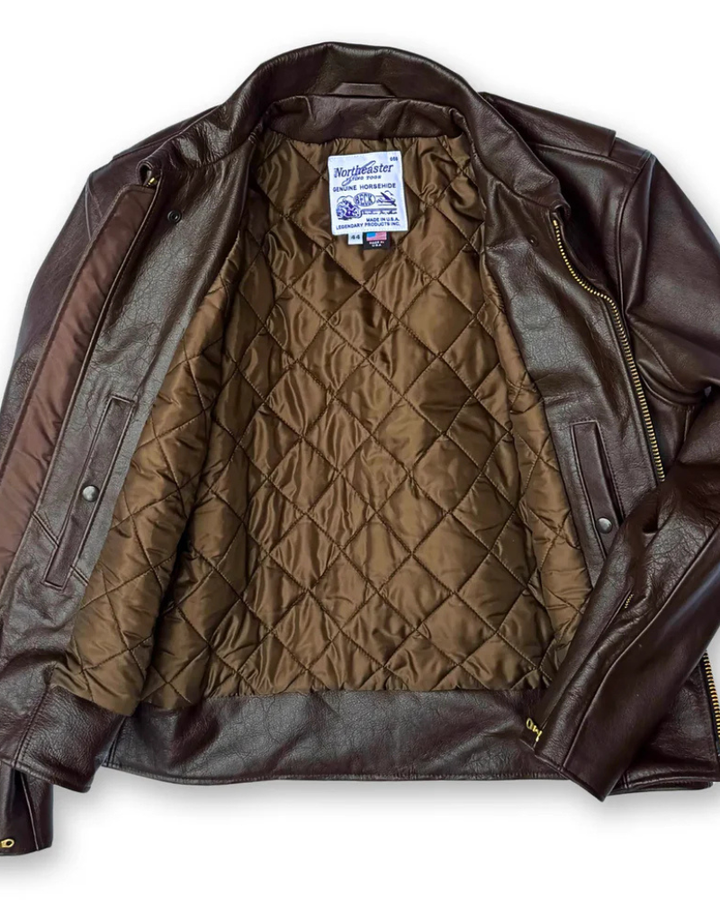
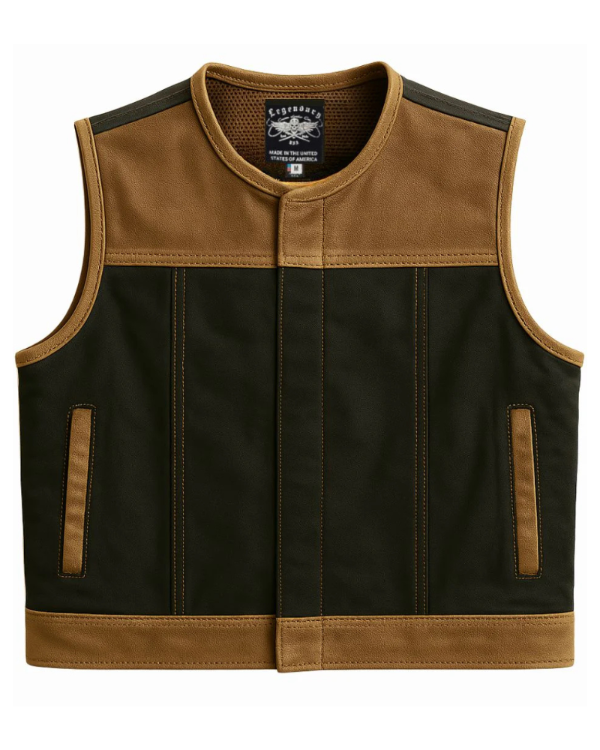


Cold mornings did more to shape American riding gear than any rally ever did. Rallies happen in July, when almost anything works. September and October are what separated riders who put the bike away from riders who did not, and the gear that came out of that split is the gear Legendary USA still builds.
The Riders Who Did Not Put the Bike Away

For most of American motorcycling history, the riding season was defined by whoever refused to end it. Commuters who had no second vehicle rode in October because they had to. Mail carriers, delivery riders, and rural workers rode through weather that recreational riders skipped. Those riders were the ones who found out what gear actually failed.
The recreational rider learns what he likes. The rider who is out at 6 a.m. in 40-degree air learns what does not work, which is more useful information. Nearly every durable feature in American riding gear traces back to that second group, because they were the ones filing the complaints.
What Cold Mornings Demanded of the Gear
Cold riding punishes stiffness above everything else. A glove that goes board-like in cold air costs you lever feel, and a rider who cannot feel the clutch is a rider working harder for worse inputs. Warmth alone was never the requirement. Warmth without losing the hand was.
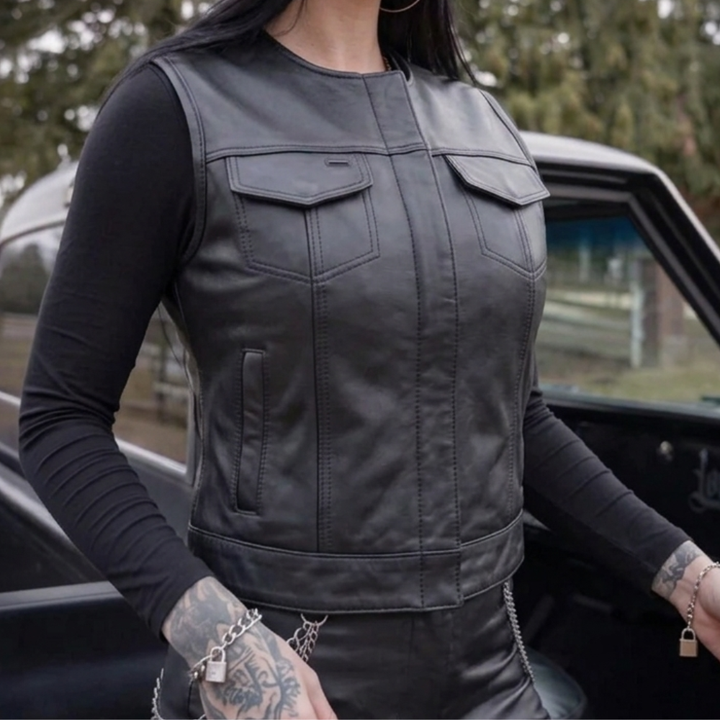
The second demand was wind. Riders figured out early that the cold they felt was mostly moving air pulling heat off exposed skin and thin material, not the ambient temperature on a thermometer. That is why the extended cuff and the wind-blocking vest both took hold in American riding, and why simply adding thickness never solved it.
The third was durability across a whole season of wet, cold, and repeated drying. Leather that cracked after one wet October was leather nobody bought twice.
Why Deerskin Became the American Answer
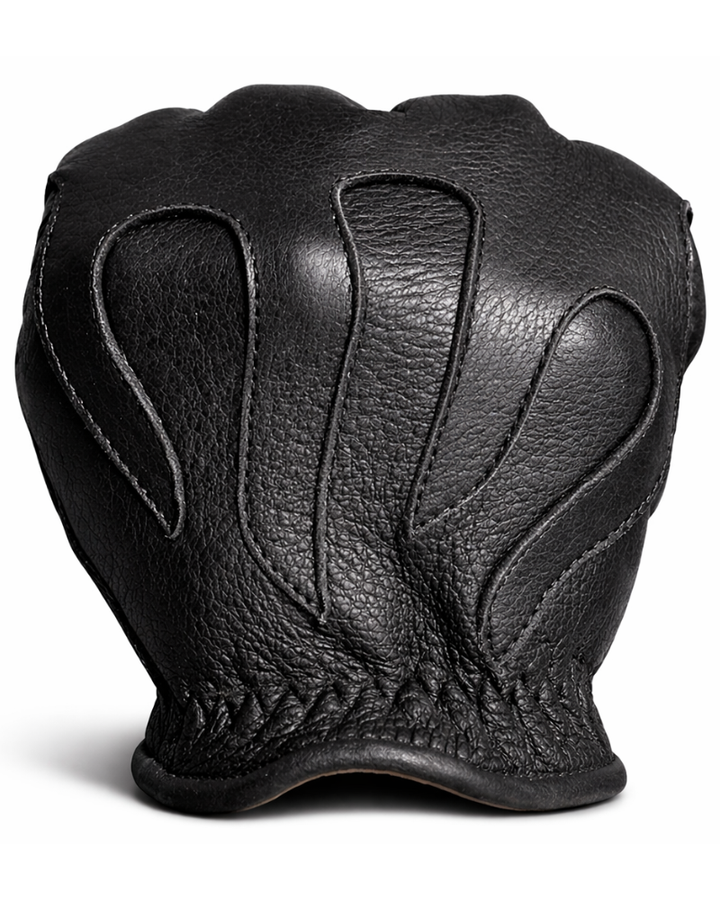
American glovemaking grew out of a domestic whitetail deerskin economy rather than an import trade, and the leather towns of upstate New York built their reputation on it. That was partly supply and partly the material itself. Deerskin stays flexible in cold air where stiffer hides tighten up, and it molds to the individual hand instead of forcing the hand to adapt.
For a cold-morning glove, that combination is the whole argument. You keep the feel you need at the controls, and you get a hide that is still soft on the ride home. Our longer look at fall riding in American motorcycle culture covers how the season itself became part of the identity.
The Fleece Lining Arrives
Lining a deerskin glove was the practical compromise that let riders extend the season without giving up the hide. Legendary USA introduced the Fleece-Lined Deerskin Gloves in 2007 for exactly that reason, and they remain tagged for cold and windy conditions rather than year-round use.
The tradeoff was honest then and it is honest now. Lining fills the glove, so it fits snugger and takes longer to dry once wet. What it buys is the mornings you would otherwise skip. The history of that decision is in our piece on the fleece-lined glove in American riding.
What Has Not Changed
Legendary USA has been building American-made riding gear since 2001, and the cold-morning problem is the one that never got easier. Fairings redirect air rather than removing it. Heated grips warm a palm and leave the back of the hand alone. The rider on a 45-degree morning in 2026 is solving the same problem a rider solved in 1936, with better roads and the same hands.
That continuity is why the catalog does not churn. The gloves in the Made in USA motorcycle gloves collection are built on patterns that earned their place in cold weather, not in a design cycle. If you want the practical version rather than the history, our cold-morning motorcycle gear guide covers what to actually put on.
The Motorcycle Safety Foundation publishes rider training and riding practice resources for riders at every experience level.
Questions About Cold-Weather Riding Heritage
- Why did cold-weather riding shape American motorcycle gear?
- Because cold riding is where gear fails. Summer riding tolerates almost anything, so it produces little useful feedback. Riders who kept going into October, often out of necessity rather than choice, found out which leather stiffened, which seams gave up, and which designs let wind in at the wrist. American riding gear evolved around those complaints. The features that survived, like extended cuffs and wind-blocking vests, all trace back to riders solving cold-morning problems.
- What makes deerskin good for cold-weather riding?
- Deerskin stays flexible in cold air where stiffer hides tighten and go board-like, which preserves the lever feel a rider needs at the controls. It is also soft from the first wearing and molds to the individual hand rather than forcing the hand to adapt. Deerskin is not insulation on its own, so an unlined pair still runs out of warmth at road speed. The value is that it keeps working as a glove when it is cold.
- When did fleece-lined motorcycle gloves become common?
- Lined leather gloves have existed as long as riders have faced cold, but lining a soft American deerskin glove specifically was a later refinement aimed at extending the riding season without giving up the hide. Legendary USA introduced its Fleece-Lined Deerskin Gloves in 2007 and still tags them for cold and windy conditions rather than year-round wear. The tradeoff has not changed: more warmth and wind blocking, a snugger fit, and slower drying.
- Why is upstate New York associated with American glovemaking?
- American glovemaking concentrated in the leather towns of upstate New York because the region combined a domestic whitetail deer hunting and tanning economy with generations of accumulated cutting and sewing skill. That gave American gloves a different material base than European glovemaking, which leaned toward goatskin and lambskin. Deerskin became the American default less by fashion than by supply, and it stayed because the material happened to suit riding.
- Do modern motorcycles make cold-weather riding gear less necessary?
- Less punishing, not less necessary. Fairings redirect moving air rather than removing it, and a rider on a cruiser with drag bars still has hands and forearms in clean airflow. Heated grips warm the palm and leave the back of the hand exposed. The underlying problem, which is moving air pulling heat off your hands faster than your body replaces it, is the same one riders faced ninety years ago.