

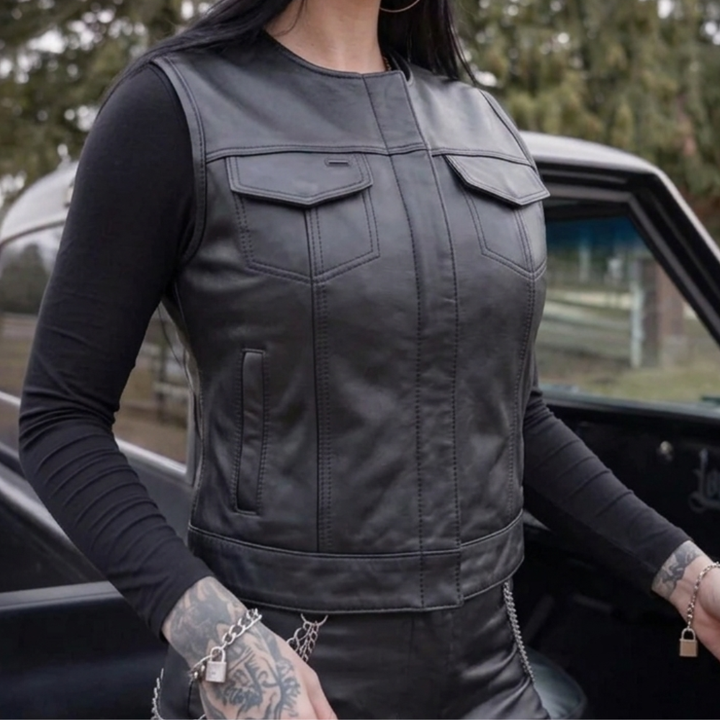


Build the layers from the skin out: a snug base layer first, a flannel or fleece next, and the vest on top of both. The vest holds everything against your body and blocks wind across your chest. This guide shows how to layer under a motorcycle vest in cold weather, what to avoid, and how to size the vest so it still fits.
Start With a Base Layer That Moves Sweat
The base layer sits against your skin, and its job is to pull sweat away so you do not get cold when the wind hits. Synthetic fabric and merino wool both do this well. Cotton absorbs moisture and stays wet, which cools you down on a long ride.
Choose a close fit with flat seams. A bulky base layer under a vest creates pressure points at the shoulders and armholes, and those spots get uncomfortable after an hour.
Add a Mid Layer for Warmth
The mid layer provides the insulation. A flannel works for a cool fall day, and a fleece pullover adds more warmth when the temperature drops. A zip-up fleece lets you adjust ventilation without removing the vest.
Avoid thick hoods. A hood bunches behind your neck and pushes into your helmet, and it can flap in the wind. If you wear a hoodie, tuck the hood down and make sure it lies flat under the vest.
Wear the Vest Over Both Layers

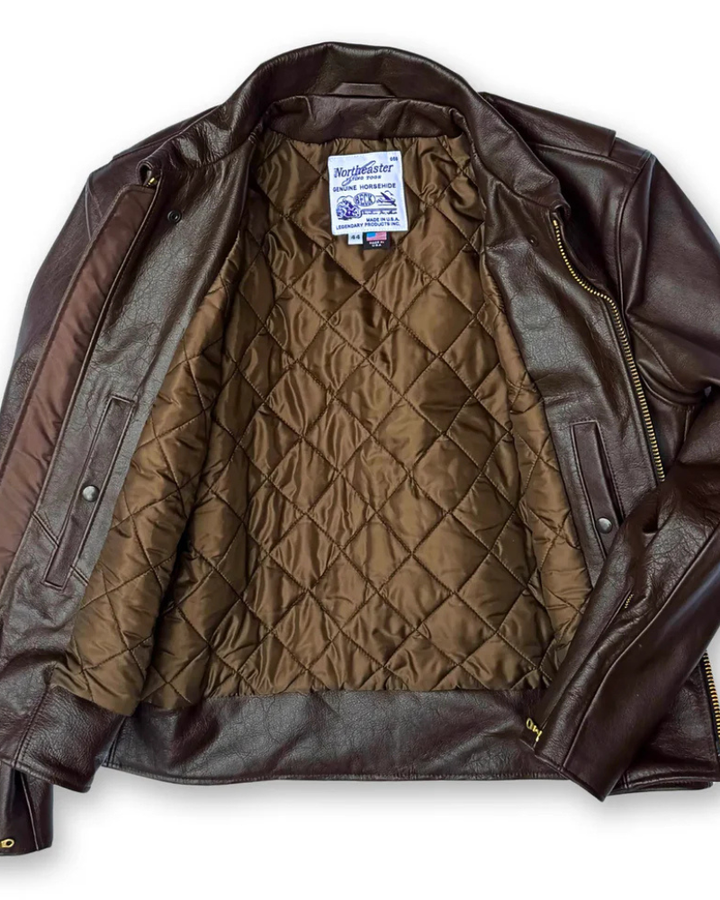
The vest goes on last because it holds everything in place and blocks wind across your core. Leather blocks the most wind. Denim and Cordura let more air pass, so they suit milder days. Our winter motorcycle vest guide explains how horsehide and cowhide compare when the temperature drops.
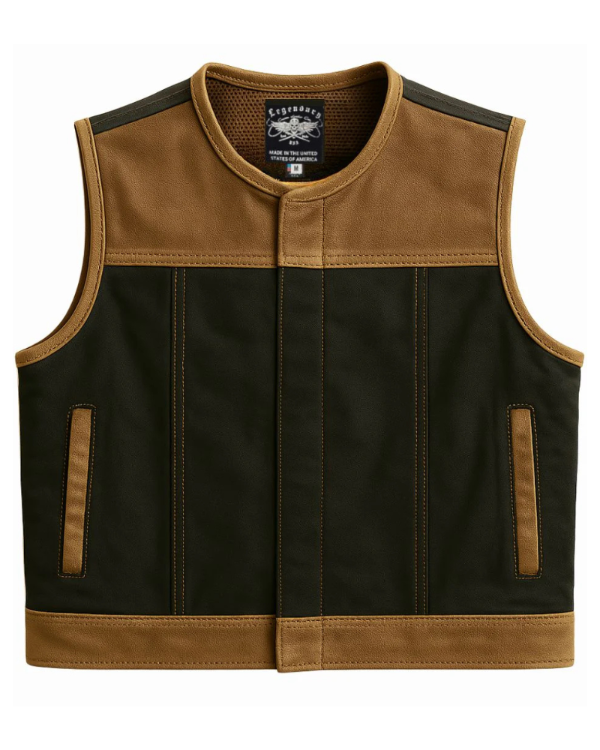
A vest with wide armholes helps. The Legendary Black Jack Cordura vest has wide armhole openings for layering and side lacing to adjust the fit, which makes it easier to wear over a flannel or a light fleece. It is a lighter vest, so use it on mild days or as a layering piece rather than as cold-weather protection.
Match the Vest Size to Your Layers
Size for the layers you will wear most often. Measure your chest while wearing your usual cold-weather mid layer, then compare that number to the product size chart. A vest that fits over a T-shirt can feel tight once you add a fleece.
Check the closure and the armholes. The front should close without straining at the snaps or zipper, and the armholes should not pinch when you reach forward. Denim does not stretch, so a Revolution or Ole Blue needs the right size from the start. See our Revolution black denim vest page for the size chart.
If your vest is laced at the sides, you can adjust the fit when you add layers. Our guide to lacing a motorcycle vest shows how.
What a Vest Does Not Cover
A vest protects your core and leaves your arms exposed. On a cold ride your sleeves and hands do the real work. Add a jacket or long-sleeve layers for your arms, and wear insulated gloves.
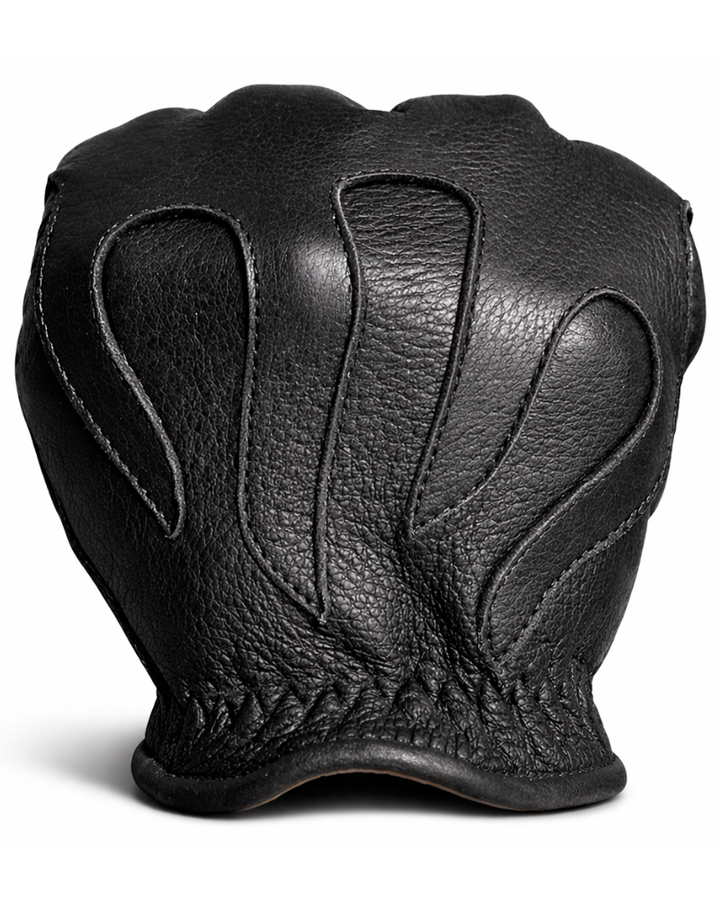
The Legendary fleece-lined deerskin short wrist glove uses 3M Thinsulate 40-gram lining and is listed for the 30 to 50°F range. Our cold weather gear by temperature range guide shows how to match your layers to the thermometer. For other options, browse the Men's Made in USA motorcycle gloves collection.
Common Layering Mistakes
Wearing cotton next to your skin is the most common mistake. Cotton stays damp and cools you down. Another is stacking too many bulky layers, which restricts your arms and makes it hard to reach the controls.
The last mistake is ignoring wind. A layer that feels warm at a stop can feel cold at 60 mph. Dress for the coldest part of the ride, then add a vest or a shell to cut the wind.
Bottom Line
Layer from the inside out: base layer, mid layer, then the vest. Keep the base layer snug, keep the hood out of the way, and size the vest for the layers you will wear. A vest keeps your core warm, but your arms and hands still need their own protection from the cold.
To see how wind speed changes the temperature you feel on the bike, the National Weather Service publishes a cold wind chill chart.
Frequently Asked Questions
- What should I wear under a motorcycle vest in cold weather?
- Start with a moisture-wicking base layer, add a flannel or fleece mid layer, and wear the vest over both. The vest covers your core and holds the layers snug against your body. Cotton works as a mid layer on dry days, but a synthetic or wool base layer handles sweat better. Keep the sleeves of your base and mid layers thin enough to fit under a jacket if you plan to add one.
- Can I wear a hoodie under a motorcycle vest?
- Yes, but the hood is a problem. A hood bunches up behind your neck and pushes against your helmet, and it can flap in the wind at speed. Tuck it down flat or choose a crewneck fleece or a zip-up without a hood. Also check that the vest still closes without pulling across your chest once the hoodie is on.
- Should I size up a motorcycle vest if I plan to layer under it?
- Size for the thickest layer you will wear on a regular basis, then confirm the armholes and front closure still work. Leather vests loosen a little as they break in, but denim and cordura vests do not stretch much. Measure your chest with your usual cold-weather layer on and compare it to the product size chart rather than guessing.
- Does a vest keep you warm on a motorcycle?
- A vest keeps your core warmer because it blocks wind across your chest and stomach, but it leaves your arms exposed. Leather blocks more wind than denim or Cordura. Your arms still need a jacket, sleeves, or layers, and your hands need insulated gloves. Use a vest as part of a system, not as a cold-weather solution by itself.
- What is the best base layer for riding in cold weather?
- A snug synthetic or merino wool base layer works best because it moves sweat away from your skin. Cotton absorbs sweat and stays damp, which makes you colder once you stop moving. Choose a base layer with a close fit but no seams that dig into your shoulders or armpits under the vest.