



Hot weather is when most riders make their worst gear decisions. The temperature climbs, the jacket stays home, the gloves stay in the tank bag, and a rider who would never dream of riding unprotected in April does exactly that in July. The real answer to heat is not less gear — it is smarter gear. Riders who log serious summer miles know that the right materials keep you cooler than bare skin, because covered skin sheds sun load and slows dehydration.
This guide works through the full summer kit — hands, torso, and the layering logic that ties it together — with the goal of staying comfortable from the first 70-degree morning to the 100-degree afternoon ride home.
Start With Your Hands
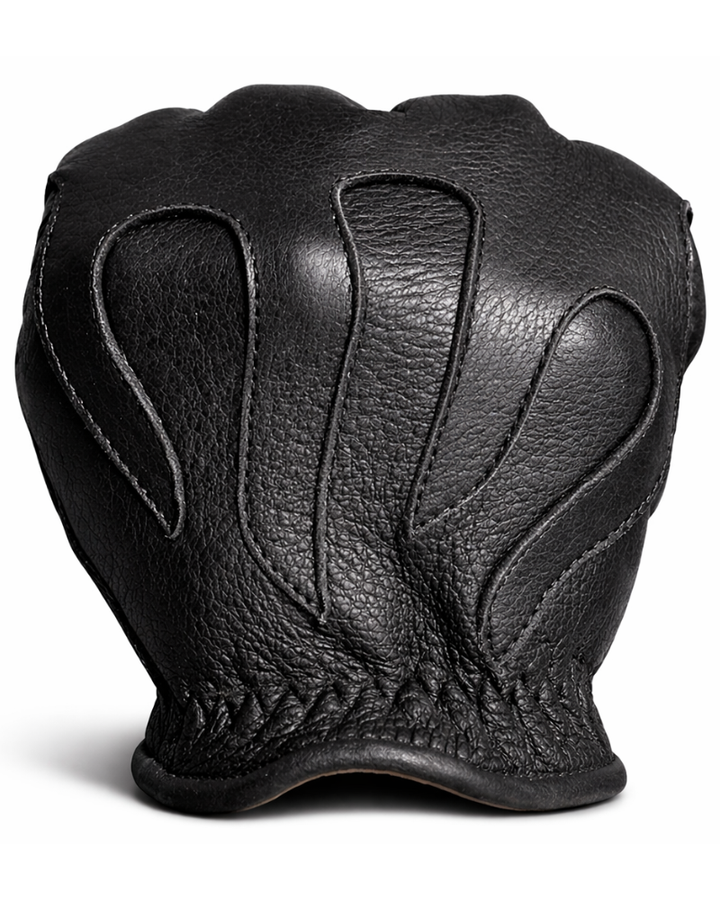
Hands take direct sun, direct wind, and constant friction all day. Bare hands on hot grips for two hours leave you with sunburn on the back and blisters in the palm. The summer answer is thin, breathable leather — and no hide does summer better than deerskin. Its open grain passes air and moisture vapor, and its natural lanolin means sweat-soaked gloves dry soft instead of stiff.
Two configurations cover most summer riders. A short wrist deerskin glove gives full coverage with maximum airflow at the cuff, where a gauntlet would trap heat. For riders in the hottest climates or short urban hops, deerskin fingerless gloves keep the palm protected and the grip secure while letting fingers breathe entirely.

The Torso: Why Vests Own Summer
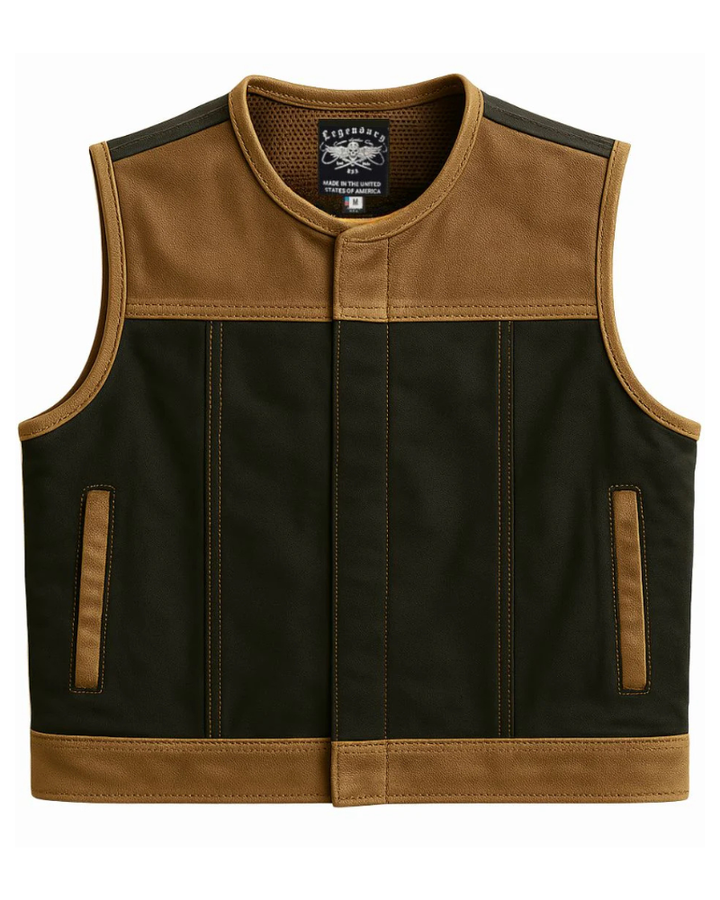
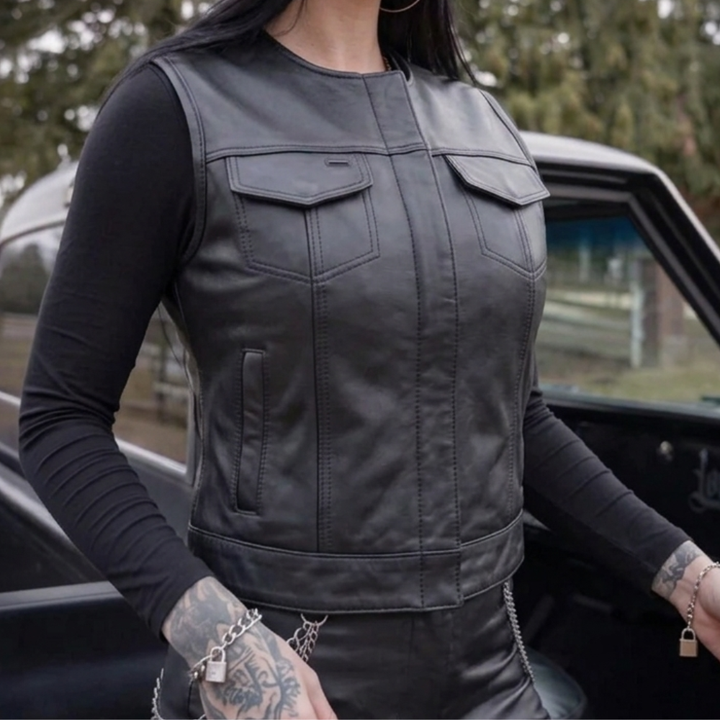
A full jacket at 95 degrees in stop-and-go traffic tests anyone's resolve. The vest is the traditional cruiser answer, and it remains the right one. A leather vest covers the core — where sun load matters most — while leaving the arms open to airflow. It carries your essentials in its pockets, adds a wind-stopping layer for the cool morning leg of the ride, and weighs almost nothing strapped to a sissy bar when the day peaks.
The USA-made motorcycle vest collection covers the spectrum from minimal club-style cuts to pocket-heavy touring vests. In summer, lighter-weight hides and open side-lacing breathe noticeably better than heavy, fully lined builds.
Layering Logic for a 40-Degree Temperature Swing
Summer riding days routinely open at 65 degrees and peak near 100. The kit that handles that swing looks like this: a moisture-wicking base layer that fits close to the skin; a vest as the constant midlayer; and a packable outer layer for the morning and evening legs. The base layer matters more than most riders think — cotton soaks and stays wet, while a wicking synthetic or merino layer moves sweat to where wind can evaporate it. Evaporation is your air conditioning; gear that manages it well is the difference between arriving tired and arriving wrecked.
Sun, Hydration, and the Stops Between
Covered skin loses less water. That is the quiet reason full-coverage summer gear wins: dehydration, not temperature, is what actually degrades your concentration in hour three. Drink before you are thirsty, stop more often than your fuel range requires, and use those stops to wet a neck wrap. Light-colored or natural-tone leathers absorb measurably less heat than black under direct sun — something to weigh when choosing between finishes.

What Experienced Summer Riders Actually Wear
Watch the riders who do this every day — couriers, long-haul tourers, desert-state commuters — and a pattern emerges. Thin natural-hide gloves, always. A vest or ventilated jacket over a wicking base. Boots over sneakers, because hot pavement radiates. Nothing flapping, because loose gear fatigues you in wind. The pattern exists because it works, and every piece of it is available in the full motorcycle gear collection.
Building Your Summer Kit
If you are starting from scratch, sequence it this way: gloves first, from the USA-made glove collection; vest second; base layers third; and seasonal extras as your riding expands. Each piece earns its place on the hottest day you ride, and the leather pieces will still be in service a decade of summers from now.
Frequently Asked Questions
Is leather too hot for summer motorcycle riding?
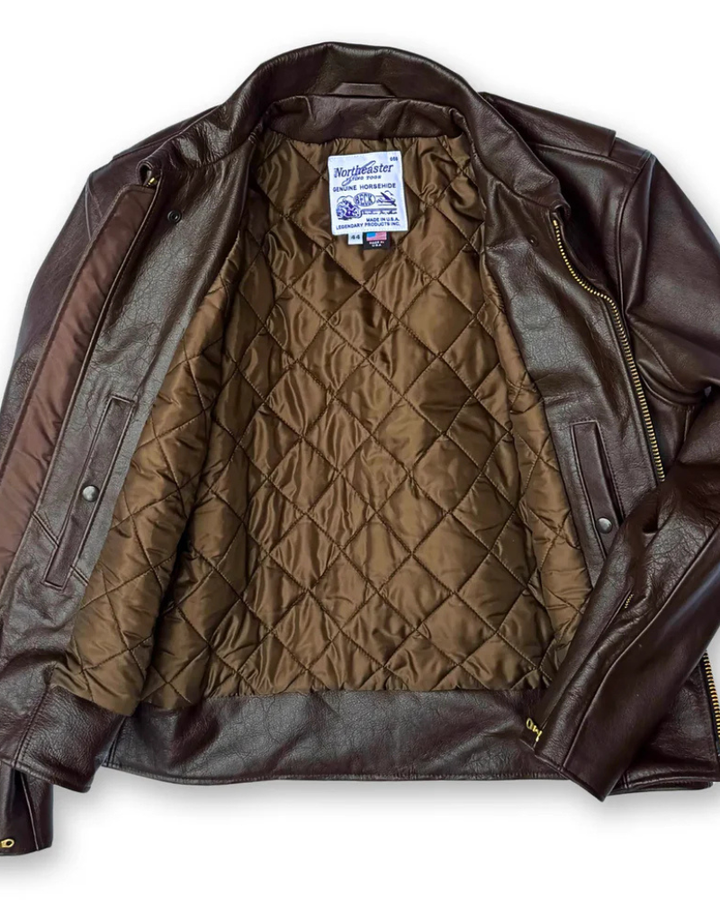
Not when the hide and cut are chosen for heat. Thin deerskin gloves breathe and manage sweat better than most synthetics, and a vest covers the core while leaving arms open to airflow. Heavy, fully lined leather is the wrong tool in July — lightweight natural hide is not.
Are fingerless gloves a good idea in hot weather?
For urban riding and short hops, fingerless deerskin gloves protect your palms, improve grip on sweaty controls, and run dramatically cooler. For long highway days, most riders prefer a full short wrist glove for sun coverage on the fingers.
What single piece of gear improves hot weather riding the most?
A wicking base layer worn under your vest or jacket. It moves sweat into the airflow where it evaporates and cools you, instead of soaking and sticking the way cotton does. It costs the least and changes the ride the most.