



Sixty to one hundred degrees is the real operating range of an American summer riding day — not the single number the forecast gives you. Wind chill at 65 mph makes the morning 60s feel like the low 50s; pavement radiation makes the afternoon 90s feel worse than the thermometer admits. The kit that covers the whole band is not a closet of options. It is a few adjustable pieces chosen deliberately. Here is the matrix.
The Constants
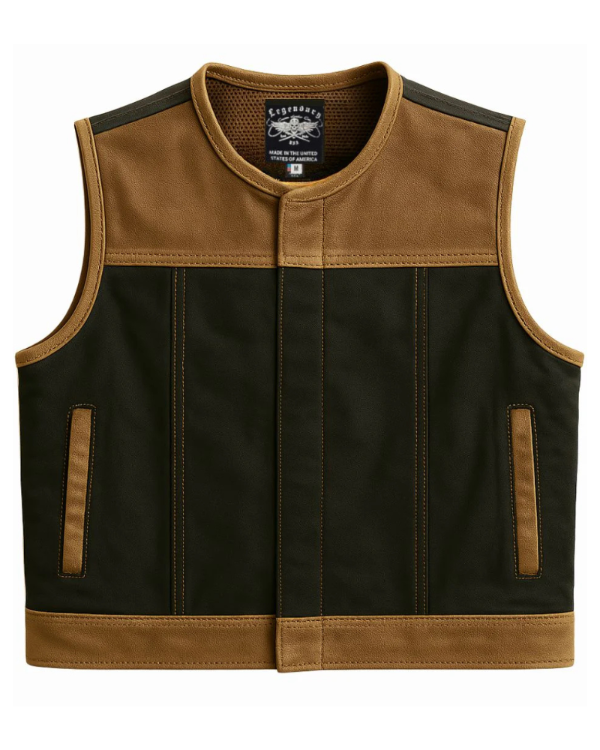
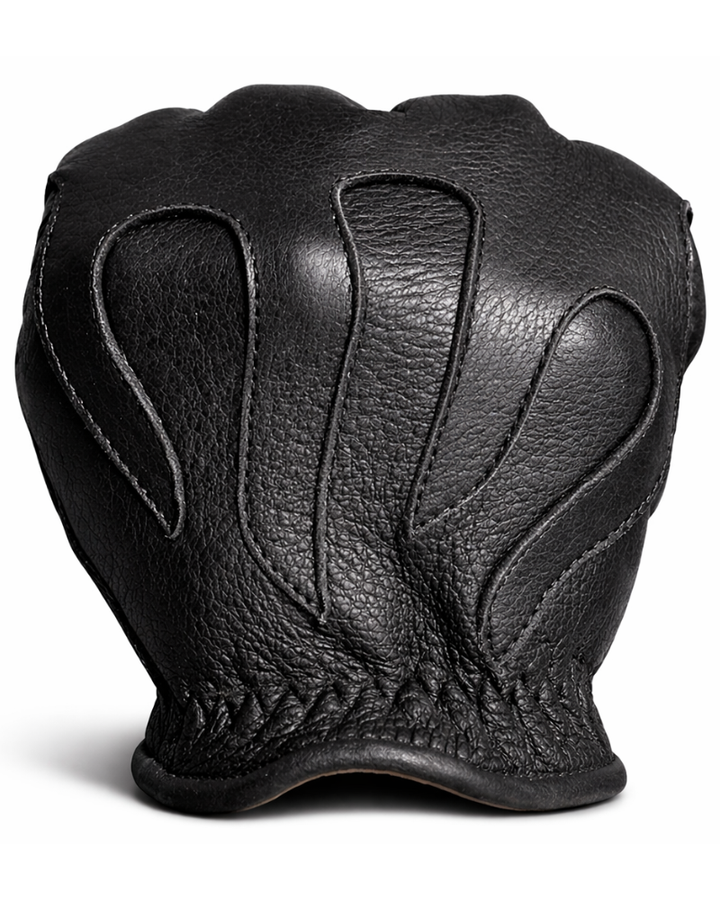
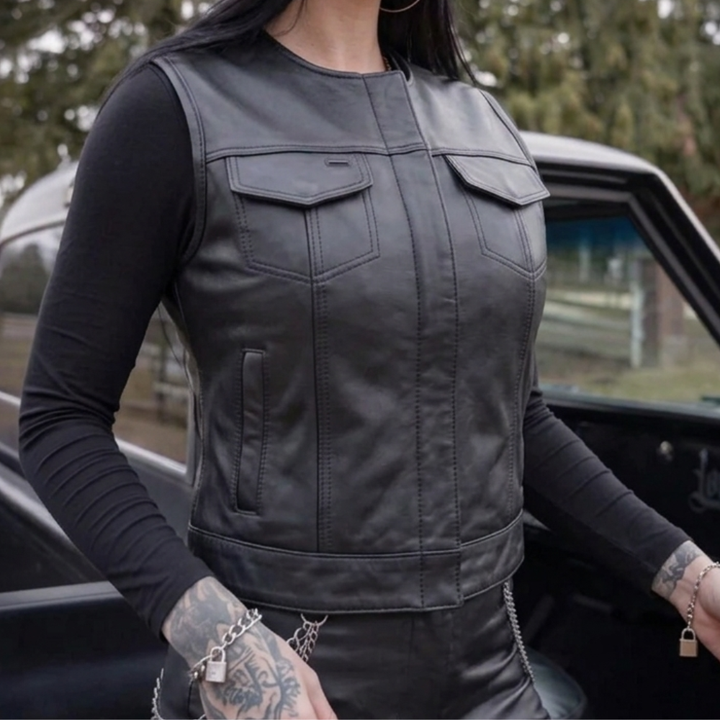
Three pieces stay on through the entire range. A wicking base layer — it warms you in the 60s by staying dry, and cools you in the 90s by feeding evaporation. A leather vest — closed it is a wind-blocking warm layer, open it is a ventilated utility garment; the laced-side designs in the vest collection tune across the whole band. And thin deerskin gloves — the hide breathes at 95 and blocks windchill at 62, which is exactly why one good pair covers what two synthetic pairs cannot.

The 60s: Wind Is the Opponent
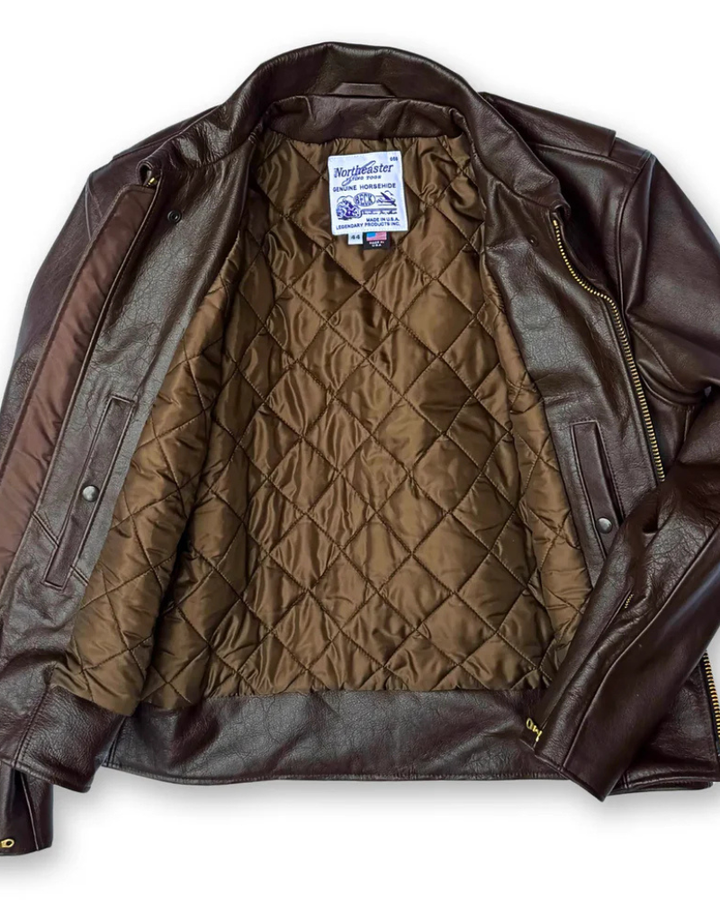
At speed, 62 degrees is a cold ride. Vest closed, long-sleeve mid layer underneath, full-coverage gloves. If the 60s last more than the first hour — coastal or mountain riding — this is jacket weather, full stop. The fleece or shirt that fills this slot packs down to nothing for the rest of the day.
The 70s: The Sweet Band
The range the whole system idles in. Vest closed or open by preference, base layer alone underneath, gloves on. You should make zero adjustments for hours at a time here — if you are fiddling with gear in the 70s, something in the kit is wrong.
The 80s: Open Up
Vest open at speed, sleeves gone, and the glove choice splits by exposure: full coverage for long sun, or fingerless deerskin for urban work. Hydration discipline starts here, not in the 90s — the 80s are where riders quietly fall behind on water.
The 90s and Above: Systems On
Everything from the hot-weather playbook: vest open over a soaked or wicking layer, wet neck wrap, scheduled stops, water on the bike. Resist the urge to strip coverage — bare skin in 95-degree wind dehydrates you faster and adds sunburn to the bill. The thin-leather-plus-airflow formula keeps working past 100; riders who run the desert have proven it for a century.
Buying for the Band, Not the Day
Shop with the swing in mind and every piece earns its price across forty degrees: base layers on the two-pair system, one vest with real adjustment, one or two pairs of deerskin gloves from the USA-made glove collection, and the packable warm layer that lives in the saddlebag all season. No single-temperature purchases, no closet of almosts — just a small kit that is never wrong by more than one zipper.
Frequently Asked Questions
What gloves work across the widest temperature range?
Unlined full-coverage deerskin. The hide breathes enough for the 90s and blocks windchill into the low 60s, a band no single synthetic glove covers. Add fingerless deerskin as a second pair if your summers run extreme.
When is it too cold for just a vest?
Sustained riding below the mid 60s at highway speed is jacket territory for most riders. The vest-plus-midlayer combination buys you the morning hour, but a planned cold leg deserves the real thing.
What is the most common mistake riders make dressing for summer?
Dressing for the afternoon high and suffering through the morning — or the reverse. Dress for the band: constants plus one packable layer, adjusted at stops, beats any single-temperature outfit over a full riding day.