

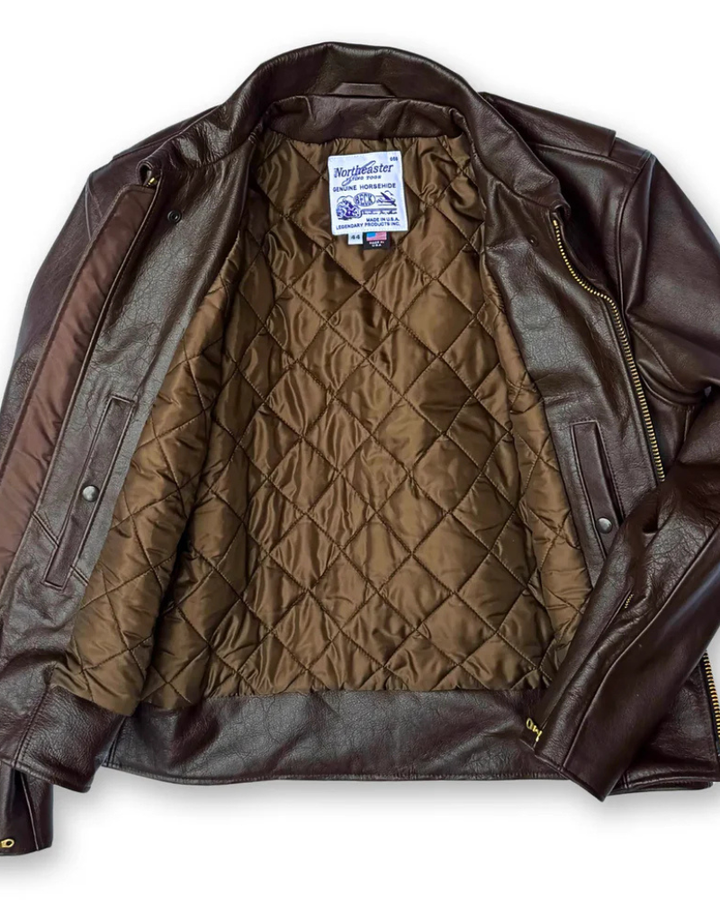
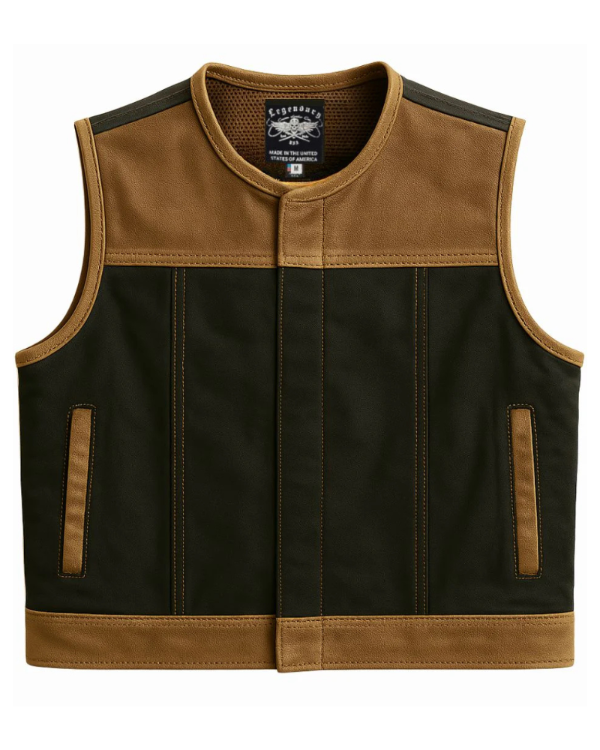
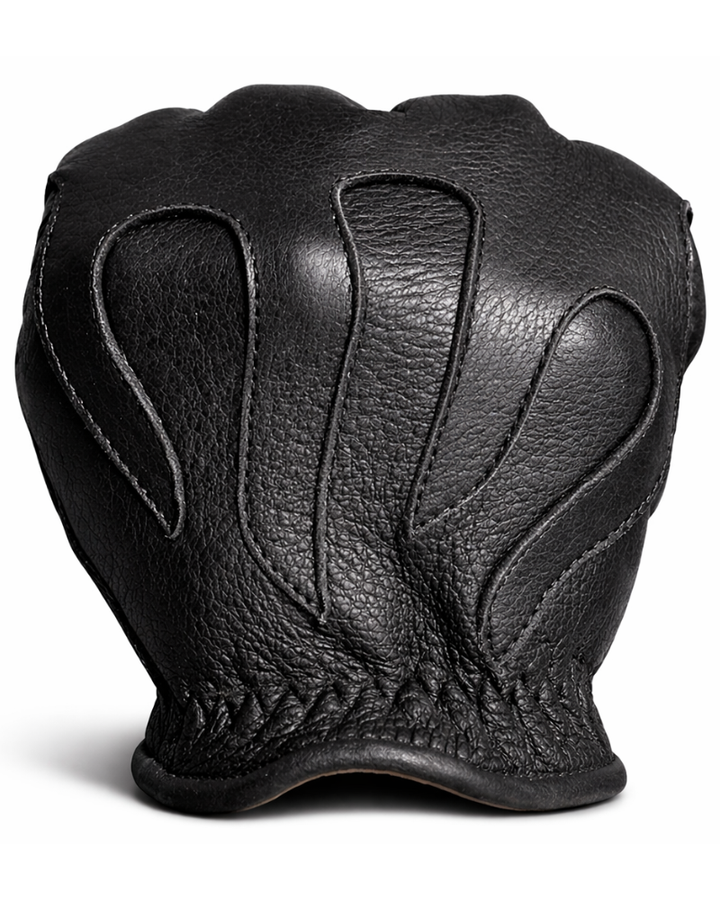




To remove road salt from leather motorcycle gloves, vests and jackets, wipe the leather with a cloth dampened in a mix of one part white vinegar to two parts cool water, follow with a cloth dampened in plain water, let the piece dry slowly at room temperature, and condition it once it is fully dry. Do it the same day the salt goes on. Road salt is hygroscopic, which means it keeps pulling moisture out of the hide as long as it sits in the grain, and a white salt line that is a two-minute wipe in October becomes a stiff, cracked crease by spring. Legendary USA has been cleaning salted deerskin, cowhide and horsehide for riders since 2001, and the method below is the one that works.
Why road salt is harder on leather than rain

Rain wets leather and then leaves. Road salt wets leather and stays. The sodium chloride, magnesium chloride and calcium chloride that highway departments spread and spray before a freeze dissolve into the water on the road, get thrown up by your front tire and the cars ahead of you, and soak into whatever is facing forward: the backs of your gloves, the front of your vest, your sleeves and your lower legs. When the water evaporates, the salt crystals are left behind inside the top layer of the hide.
Those crystals do two kinds of damage. They draw moisture out of the surrounding leather fibers, which is what leaves the stiff, chalky patch and the white tide line. And they are abrasive, so every flex of the glove or the vest grinds them against the fibers from the inside. Deerskin, which Legendary USA uses across its glove line, tolerates getting wet better than any other riding leather and dries back soft on its own, but it does not tolerate salt crystals left in the grain any better than cowhide or horsehide does. Salt has to come out.
What you need
Two clean, soft cloths, a small bowl of cool water, plain white vinegar, and a leather conditioner you already trust on the piece you are cleaning. Skip saddle soap for this job; it is a cleaner, not a salt remover, and it leaves its own residue in the grain. Skip anything with alcohol or silicone, which strip the oils you are about to try to put back. If you only have one cloth, rinse it well between the vinegar pass and the water pass.
Step 1: brush off the dry salt first
If the salt has already dried to a white crust, start dry. Brush the surface with a soft brush or a dry cloth to lift the loose crystals before you add any water. Wetting a thick crust without brushing first just dissolves the salt and lets it soak deeper. On a glove, flex the fingers as you brush so the crystals in the creases shake loose. On a vest or jacket, pay attention to the pocket flaps and the seams around the zipper, where salt spray collects.
Step 2: wipe with the vinegar and water mix
Mix one part white vinegar to two parts cool water. Dampen a cloth, wring it until it is barely wet, and wipe the salted area with light, overlapping strokes. The mild acid in the vinegar dissolves the salt deposits that plain water leaves behind. Work the whole panel, not just the white line, so you do not leave a clean patch with a visible edge. On deerskin gloves, wipe with the grain and keep the cloth off the palm as much as you can; a damp palm on a dry throttle is slippery until it dries.
Test the mix on an inside seam or the underside of a cuff before you use it on a brown or aniline-dyed piece. Horsehide and vintaged cowhide can darken slightly where they get damp; the color evens out as the leather dries, but it is worth checking before you do the whole front of a BECK 566 horsehide vest.
Step 3: rinse with plain water and blot
Dampen the second cloth in plain cool water and wipe the same area again. This lifts the dissolved salt and the vinegar out of the surface instead of leaving them to dry in place. Blot with a dry cloth. The leather should look evenly damp with no white streaks. If a line is still visible, repeat the vinegar pass and the water pass; stubborn salt that has sat for weeks sometimes needs a second round.
Step 4: dry slowly, away from heat
Set the gloves, vest or jacket somewhere at room temperature with air moving around it and leave it alone until it is dry to the touch inside and out. Stuff glove fingers loosely with paper towel so they hold their shape. Hang a vest or jacket on a wide hanger with the front open. Do not put anything leather on a heater, in front of a heat register, or in a clothes dryer; fast heat pulls the oils out of the hide along with the water and leaves it stiff. A damp deerskin glove is dry in a few hours this way; a horsehide jacket front can take overnight.
Step 5: condition once it is completely dry
Salt removal pulls some oil out of the leather no matter how carefully you do it, so this is the one time Legendary USA tells riders to condition deerskin, which normally does not need it. Work a small amount of conditioner into the back of the hand with your fingers, let it sit, and buff off the excess. Keep conditioner off the palm. On cowhide and horsehide, condition the whole cleaned panel the same way, and expect a brown horsehide vest to come back a shade richer where it was treated. The complete leather motorcycle gear care guide covers which conditioners suit which hide.
How to keep salt off in the first place
You cannot avoid salt spray on a salted road, but you can keep it from sitting. Wipe the backs of your gloves, and the cuffs of a pair of Fleece-Lined Deerskin Gloves in particular, with a damp cloth at the first fuel stop after a salted stretch, before the water dries and the crystals set. Keep the fronts of a cowhide vest like the Legendary Reaper Club Vest conditioned before the salt season starts; a conditioned hide sheds spray better than a dry one. And give everything in the Made in USA motorcycle vests collection a quick inspection at the end of each salted ride rather than at the end of the season, when the damage is already done.
Salt goes on the road when temperatures drop toward freezing, and the National Weather Service publishes a cold wind chill chart that shows what those temperatures feel like at riding speed.
Frequently asked questions
- How do I get road salt stains out of leather motorcycle gloves?
- Brush off any dry crust, then wipe the gloves with a cloth dampened in one part white vinegar to two parts cool water. Follow with a cloth dampened in plain water to lift the dissolved salt, blot dry, and let the gloves dry at room temperature with the fingers stuffed loosely with paper towel. Once they are fully dry, work a small amount of leather conditioner into the back of the hand and buff off the excess. Keep conditioner off the palm.
- Does vinegar damage leather?
- Diluted white vinegar, one part vinegar to two parts water, wiped on with a barely damp cloth and rinsed with plain water, does not damage finished riding leather. It is the standard home method for dissolving salt deposits that water alone leaves behind. Undiluted vinegar, or vinegar left to dry on the surface without a water rinse, can dull the finish and dry the hide. Always test on an inside seam first on brown or aniline-dyed leather, and condition after the piece is dry.
- Can I use saddle soap to remove road salt from leather?
- Saddle soap is a cleaner, not a salt remover, and it is not the right tool for this job. It lifts dirt and grime but does not dissolve salt crystals set in the grain, and it leaves its own residue behind. Use the diluted vinegar method to dissolve the salt, rinse with plain water, dry slowly, and condition. Saddle soap has its place for a general cleaning at the end of the season once the salt is already out.
- Will road salt ruin deerskin motorcycle gloves?
- Not if you remove it. Deerskin handles getting wet better than cowhide or goatskin and dries back soft without conditioning, but salt crystals left in the grain draw moisture out of any hide and abrade the fibers from inside every time the glove flexes. Wipe salted deerskin gloves with a damp cloth the same day, use the diluted vinegar method if a white line has already formed, and condition lightly once they are dry. Salt removed promptly leaves no lasting mark.
- How do I remove salt from a horsehide or cowhide motorcycle vest?
- The same way as gloves: brush off dry crust, wipe with a cloth dampened in one part white vinegar to two parts water, wipe again with plain water, blot, and hang the vest open on a wide hanger to dry at room temperature. Horsehide and vintaged cowhide can darken slightly while damp and even out as they dry. Condition the cleaned panel once it is completely dry. Pay attention to pocket flaps and zipper seams, where spray collects.
- How soon after riding on a salted road should I clean my leather gear?
- The same day, and ideally at the first stop before the spray dries. Road salt is hygroscopic and keeps pulling moisture out of the hide for as long as it sits in the grain, so a salt line that wipes off in two minutes when fresh can take two rounds of cleaning and a conditioning a week later. A damp cloth at the fuel stop handles most of it. Save the vinegar method for salt that has already dried white.
Road salt is the one thing in a riding season that gets worse the longer you ignore it. Brush, wipe with diluted vinegar, rinse, dry slow, condition, and do it the day it happens. Treat a Legendary USA deerskin glove or a BECK horsehide vest that way through the salt months and it will come into spring looking like it skipped winter.