



The Sturgis Motorcycle Rally is the largest motorcycle gathering in the United States and one of the oldest, running since 1938 in the Black Hills of South Dakota. What began as a small-town dirt-track race now draws hundreds of thousands of riders every August. More than any single event, Sturgis is where the American motorcycle tradition renews itself — same town, same roads, new miles.
This week, that renewal is happening again. Here is where the rally came from, why it endures, and what the gear riders wear there says about the tradition itself.
From a Dirt Track in 1938

The rally traces to Clarence "Pappy" Hoel, an Indian motorcycle dealer in Sturgis, South Dakota, and the Jackpine Gypsies Motorcycle Club he helped found. In 1938 they organized a race weekend built around a half-mile dirt track — a small field of racers, stunts, and a local crowd. It was a promotion for a motorcycle shop in a town of a few thousand people, and by any reasonable expectation it should have stayed that way.
It didn't. The event ran year after year, interrupted only rarely, and each decade brought more riders. The races remained, but the ride to Sturgis became the point. By the second half of the century, the rally had become the fixed star of the American riding calendar: the first full week of August, every year, in the same small town.
Why the Black Hills
The rally endures because of what surrounds it. The Black Hills concentrate more legendary riding into one region than almost anywhere in the country — Spearfish Canyon's limestone walls, the granite spires and tunnels of Needles Highway, the switchbacks of Iron Mountain Road stacked toward Mount Rushmore, and Devils Tower a morning's ride into Wyoming. A rider can spend the whole week based in one campground and never repeat a road.
That geography shaped the rally's character. Sturgis is not a trade show with bikes parked outside; it is a riding event. The days are built around miles — out early into cold canyon air, back through afternoon heat — and everything in town, from the vendor rows to Main Street, is what happens after the ride.
Leather and the Rally Uniform
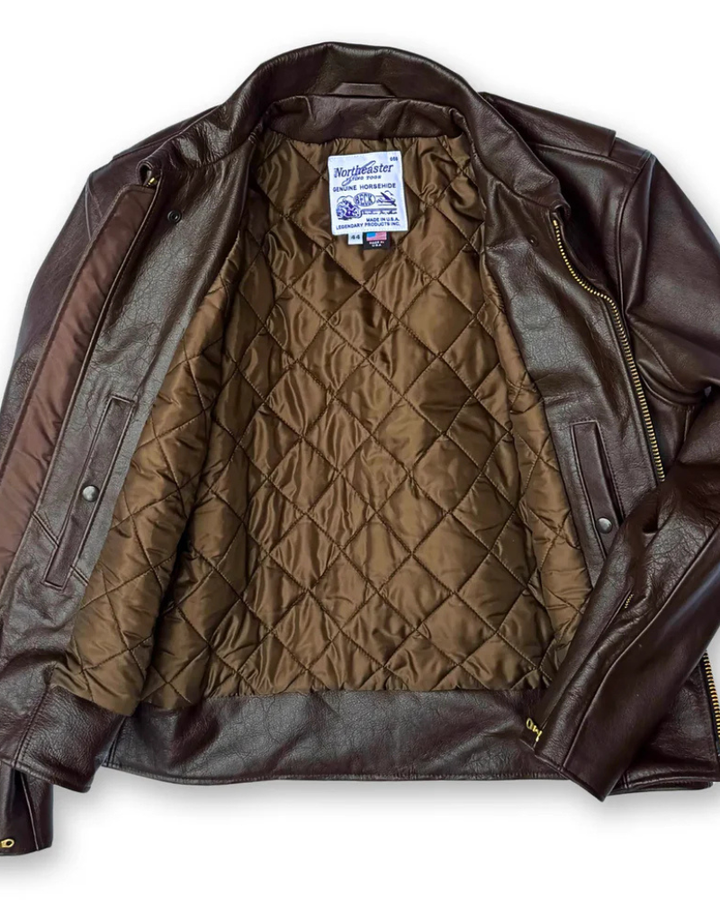
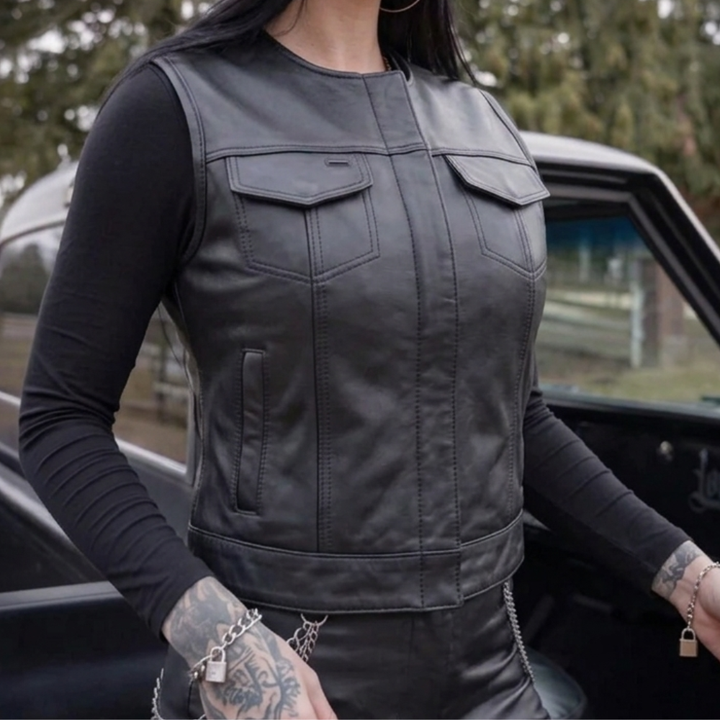
Walk Main Street during rally week and the tradition is legible in what riders wear. The vest, leather or denim, loaded with patches. The gloves shaped by years of grip. The jacket lashed to the sissy bar for the morning run. This uniform was not designed by anyone; it accreted over decades because every piece earns its place on a motorcycle, and it has barely changed since the rally's early booms.
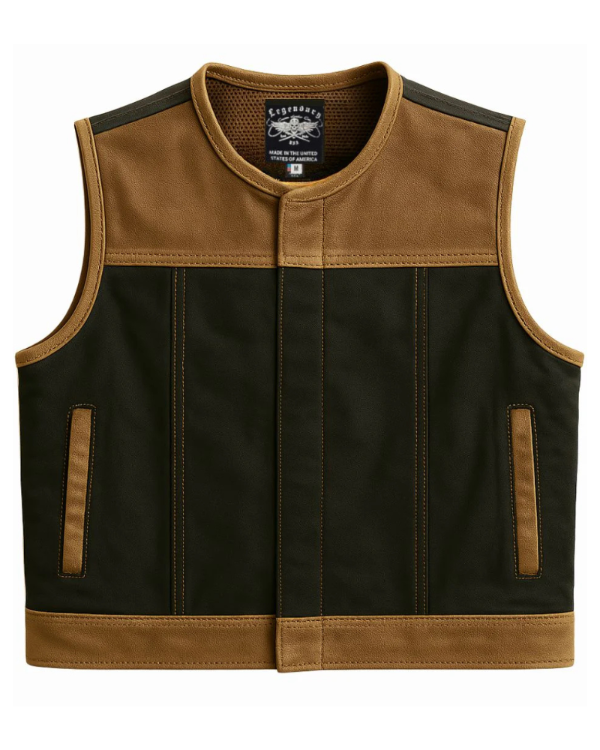
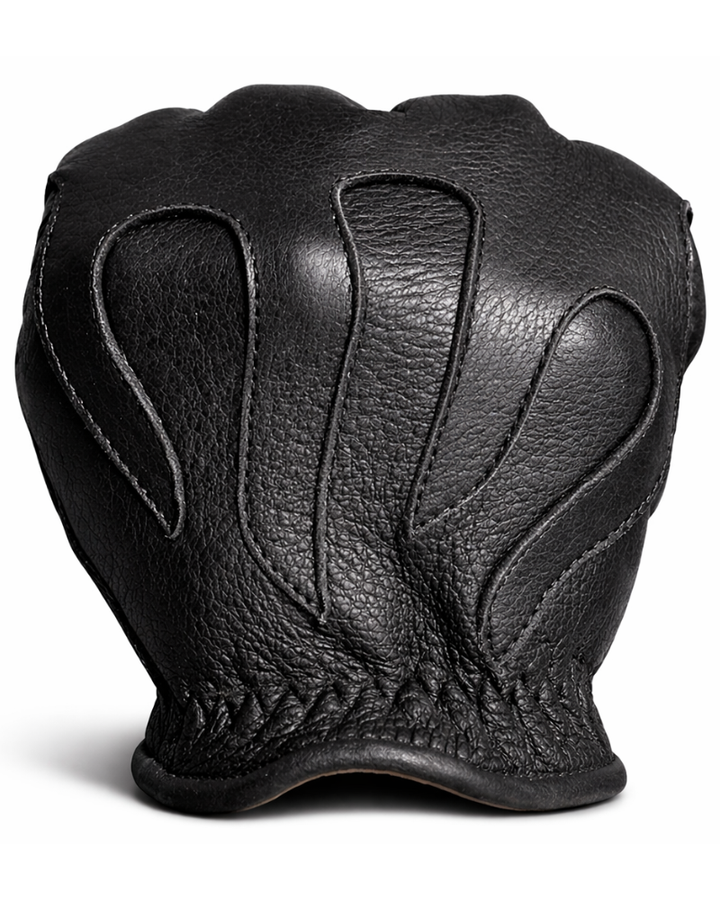
The vest deserves particular respect. It is the rally's record-keeping system — event patches, club colors, memorial patches for riders gone — sewn onto a garment that gets better as it ages. A vest at its fortieth rally is a document. We wrote about that same lineage in the American deerskin riding tradition, and it is why Legendary USA still cuts gear like the Classic American whitetail deerskin gauntlets to the old patterns: the tradition is the product.
Legendary USA has been part of that supply line since 2001 — 25 years of building American-made gear for riders who make this trip. Chris, our founder, puts it simply: the gear that shows up at Sturgis has to be honest, because rally miles find every shortcut.
The Tradition, Carried Forward
Sturgis persists because it transmits. First-time riders camp next to riders on their fortieth rally, and the customs pass along without anyone teaching them: ride out, earn the patch, sew it on, come back. The bikes change, the crowds swell and recede, but the shape of the week — the long ride, the canyon mornings, the leather that comes home dustier and better than it left — has held for nearly ninety years.
That is the American motorcycle tradition in miniature. Not nostalgia, but repetition with miles on it. The rally happens because riders keep showing up, and the gear tradition survives because some of it is still made the old way, in this country, by people who ride. If your own kit needs a piece worthy of the trip, start with our American-made motorcycle gear collection — and ride safe out there this week.
Frequently Asked Questions
- When did the Sturgis Motorcycle Rally start?
- The rally began in 1938 in Sturgis, South Dakota, organized by local motorcycle dealer Clarence "Pappy" Hoel and the Jackpine Gypsies Motorcycle Club. The first event was built around a half-mile dirt-track race with a small field of riders and a modest crowd. It has run nearly every year since, growing from a local race weekend into the largest motorcycle rally in the United States.
- Why is the Sturgis rally held in the Black Hills?
- Because the riding there is some of the best in the country. The Black Hills of South Dakota put Spearfish Canyon, Needles Highway, Iron Mountain Road, Mount Rushmore, and Devils Tower all within a day's ride of the town of Sturgis. The rally started where its founders lived, but it stayed and grew because the surrounding roads give hundreds of thousands of riders a reason to make the trip year after year.
- What is the traditional gear worn at Sturgis?
- Leather, overwhelmingly. The working uniform of the rally has been stable for decades: a leather or denim vest carrying patches and pins, leather gloves, boots, and a jacket bungeed to the bike for cold mornings. The vest is the centerpiece because it doubles as a record — event patches, club colors, and memorial patches turn a piece of gear into a riding history you can read.
- How big is the Sturgis rally today?
- Attendance runs into the hundreds of thousands of riders in a typical year, swelling a town of a few thousand residents into one of the largest cities in South Dakota for a week. Milestone years run bigger still. Exact numbers vary by year and by how they are counted, but the scale is the point: no other American motorcycle event moves as many riders to one place at one time.
- What does Sturgis mean to American motorcycle culture?
- It is the annual proof that American motorcycling is a living tradition, not a museum piece. Sturgis is where generations mix — first-year riders park next to riders on their fortieth rally — and where the culture's rituals get passed down: the long ride out, the patch sewn on afterward, the same canyon roads ridden decade after decade. For many riders the rally is less an event than a pilgrimage that marks the center of the riding year.