





There are things about deerskin that you can only learn by wearing it across years and miles. The first pair of deerskin gloves you put on will tell you something. The tenth pair, after you've worn and replaced and worn again, tells you something different. This is a piece about the second kind of knowledge — what accumulates over time.
The Hide Changes, and That's the Point
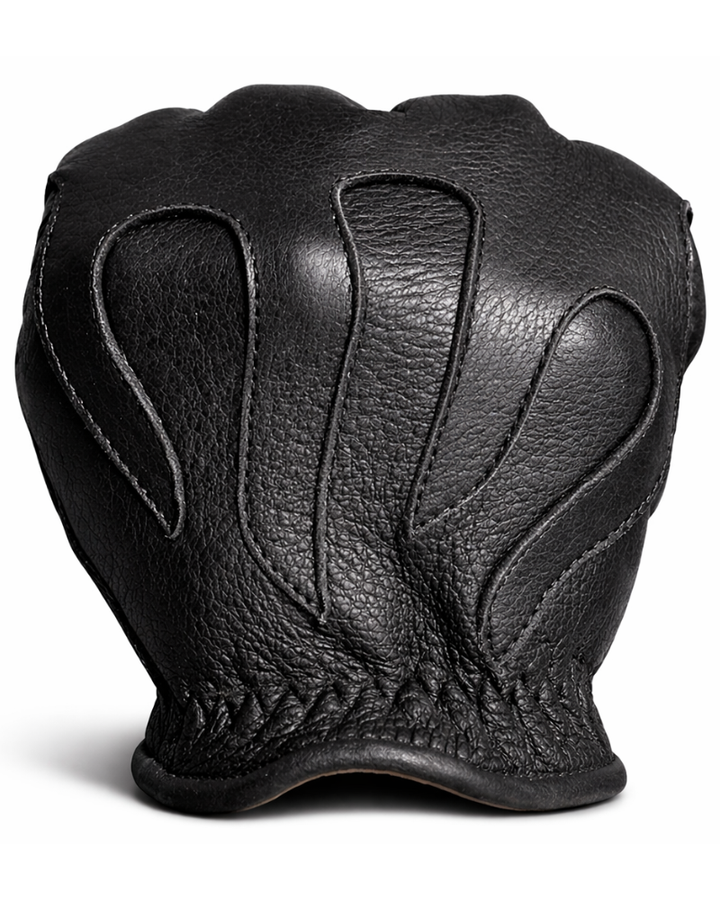
Deerskin does not stay the way it arrives. That's not a flaw. It's what separates this material from synthetic alternatives that look the same on day one as they do on day five hundred, then fall apart at a seam. Deerskin changes with you. It darkens where your grip lands. It lightens at the knuckles where it flexes most. It develops a patina across the back of the hand that no manufacturer can replicate and no rider would want them to.
Long-time deerskin riders develop an eye for this aging. They can look at a broken-in pair of gloves and read the riding style of the person who wore them. Heavy grip on the throttle side. Light touch on the clutch. The hide doesn't lie about how a person rides.
The Break-In Window Is Shorter Than You Think
New riders to deerskin often expect the break-in to take weeks. It doesn't. A deerskin glove responds to the warmth and pressure of your hand within the first few rides. The seams soften. The palm conforms to your grip. By the end of the first week of daily riding, a deerskin glove should feel like it's been yours for much longer.
This is one of the reasons long-haul riders choose deerskin over cowhide for touring. A new cowhide glove on day one of a long trip requires patience. A new deerskin glove on day one requires nothing except wearing it.

You Learn to Read the Wear
A worn pair of deerskin gloves is diagnostic. The first place to thin is usually the palm at the heel of the hand, where the grip presses against the bar on deceleration. The next is the throttle side at the thumb base. If you see thinning at the fingertips first, it means a lot of fine motor work at controls — the kind of hands-on engagement that comes with spirited riding or technical roads.
Experienced riders use this reading to decide when a pair is past its useful life. It's not about when the glove looks bad. It's about when the hide can no longer perform the function you bought it for. Deerskin tells you honestly when that time has come. It thins in the places that matter before it fails there — which gives you time to replace the pair before the hide gives out entirely.
The Right Conditioning Matters More Than Frequency
Riders who over-condition deerskin soften it past its optimal feel. The hide becomes greasy, loses some of its grip texture, and darkens unevenly. The right approach is minimal conditioning — a light application of a leather conditioner appropriate for deerskin, once or twice a season, applied after cleaning. Between applications, the lanolin that exists naturally in deerskin does most of the work of keeping the hide supple.
What matters more than conditioning frequency is cleaning. Salt from sweat and road grime is more damaging to deerskin over time than dryness. A simple wipe-down with a damp cloth after a sweaty ride, followed by air drying away from direct heat, extends the life of a pair of deerskin gloves significantly.

The Glove That Stays With You
Long-time deerskin riders develop preferences that are nearly impossible to explain to someone who has only worn synthetic gloves. The way the material warms up in the first mile. The way it grips differently wet versus dry. The smell it develops after a long season. These things are not marketing — they are the accumulated sensory record of a lot of miles in one material.
When a favorite pair finally gives out, the replacement is always the same thing. Not because there aren't other options, but because the other options don't feel right anymore. Three decades of riding in deerskin trains your hands. They know what they want, and they don't accept substitutes easily.
The current Legendary USA deerskin lineup is available at the American-made motorcycle gloves collection. The Short Wrist Touchscreen Gloves are the most practical starting point for riders new to the lineup. For riders who already know what they want, every model is there.