



"Made in USA" is a phrase that gets stretched in the motorcycle gear market. Some products that carry the label are genuinely built from American materials by American workers. Others use the phrase to describe a product assembled from offshore components with minimal domestic finishing work. Knowing the difference matters if you're paying a premium for domestic manufacturing.
This guide walks through how to verify an American-made claim before you buy, and what questions to ask a manufacturer if the product page doesn't make the origin clear.
What the FTC Actually Requires
The Federal Trade Commission sets the standard for unqualified "Made in USA" claims. Under FTC guidelines, a product that uses the phrase without qualification must be "all or virtually all" made in the United States. This means the product was manufactured in the US and all significant parts, processing, and labor that contributed to it came from the US.
Qualified claims like "Assembled in USA from imported materials" or "Designed in USA" are legal and common. They mean something different from an unqualified "Made in USA" label. For motorcycle gear, the distinction matters because the hide is the primary input — leather sourced offshore and cut domestically does not meet the FTC's unqualified standard.
What to Look for on a Product Page
A product page from a legitimate American-made manufacturer will typically specify where the product is made, where the primary materials come from, and sometimes where the hide was tanned. Vague references to "American craftsmanship" or "designed in the USA" without specifying manufacturing origin are signals that the domestic claim may be qualified or aspirational rather than literal.
For leather motorcycle gear specifically, look for:
- A clear statement that the product is manufactured in the United States
- Information about where the hide was sourced or tanned
- A physical address for the manufacturer or workshop
- A company history that places them in American manufacturing for multiple decades

Questions to Ask the Manufacturer
If a product page doesn't make the origin clear, contact the manufacturer before buying. Three direct questions usually produce useful answers:
Where is this product manufactured? A specific answer — "at our workshop in [state]" — is a good sign. A vague answer about American values or heritage is not.
Where does the hide come from? For leather gear, this question cuts to the core material. American-sourced deerskin, horsehide, and cowhide come from domestic supply chains. If the manufacturer doesn't know or can't answer, that's informative.
Who cuts and sews the product? American manufacturing means American workers at American machines. If the answer involves offshore cutting houses or overseas assembly with domestic label application, the claim is qualified at best.
Legendary USA's American-Made Products
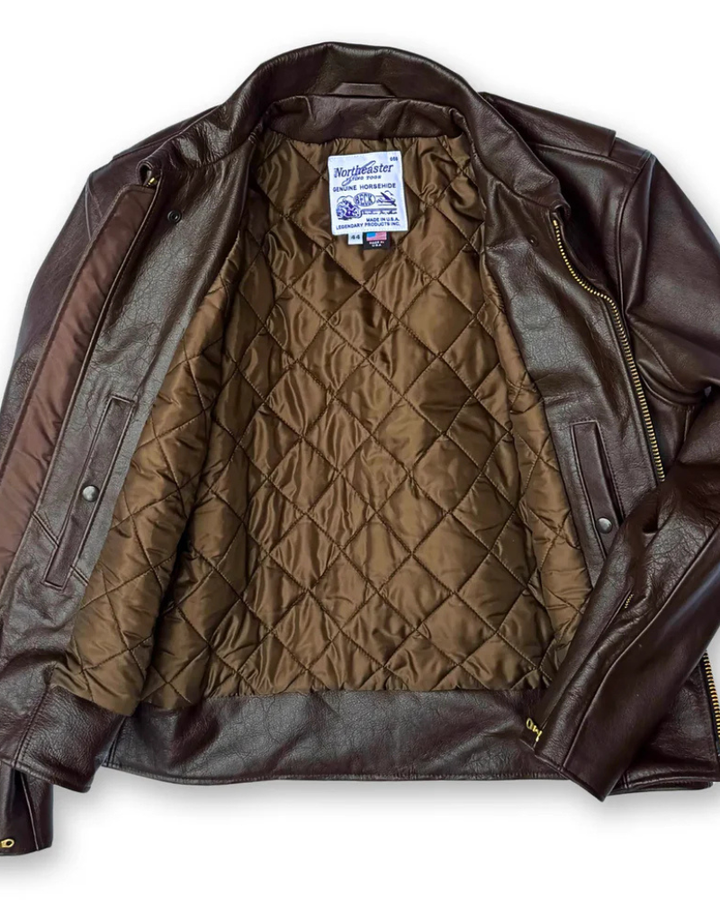
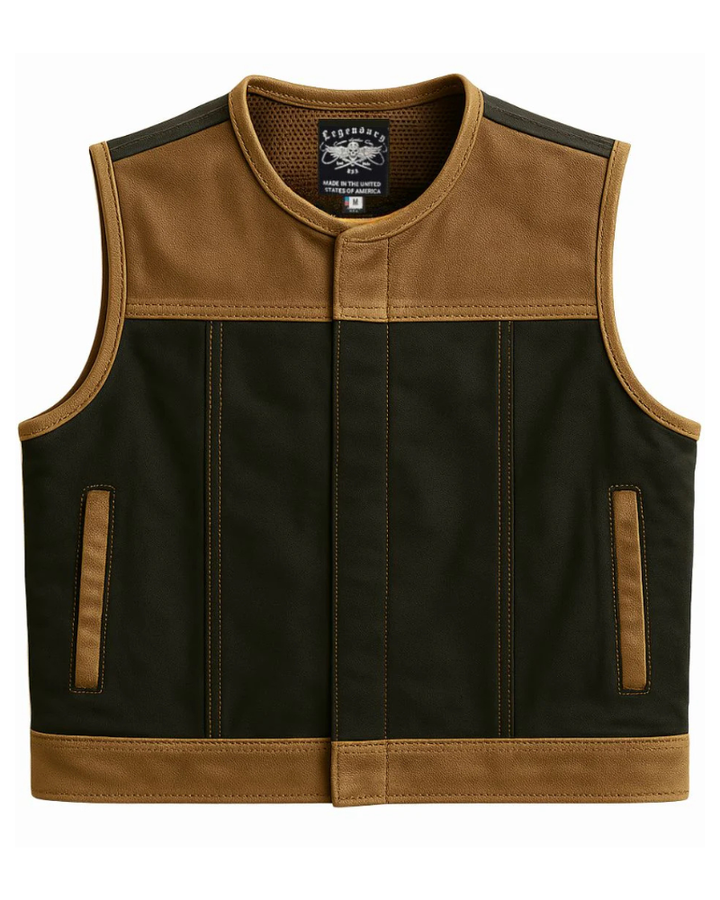
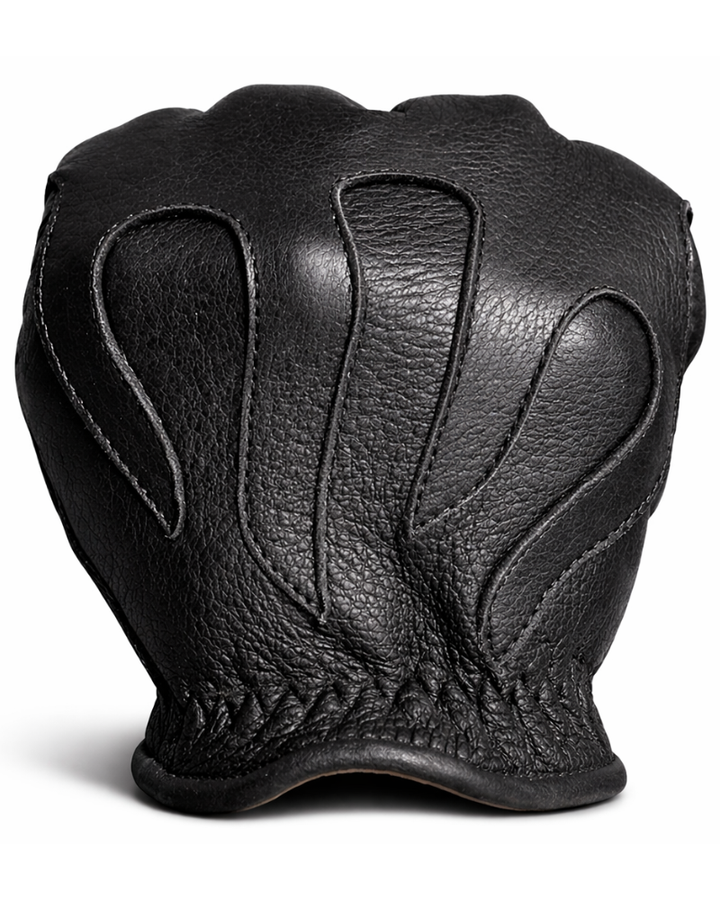
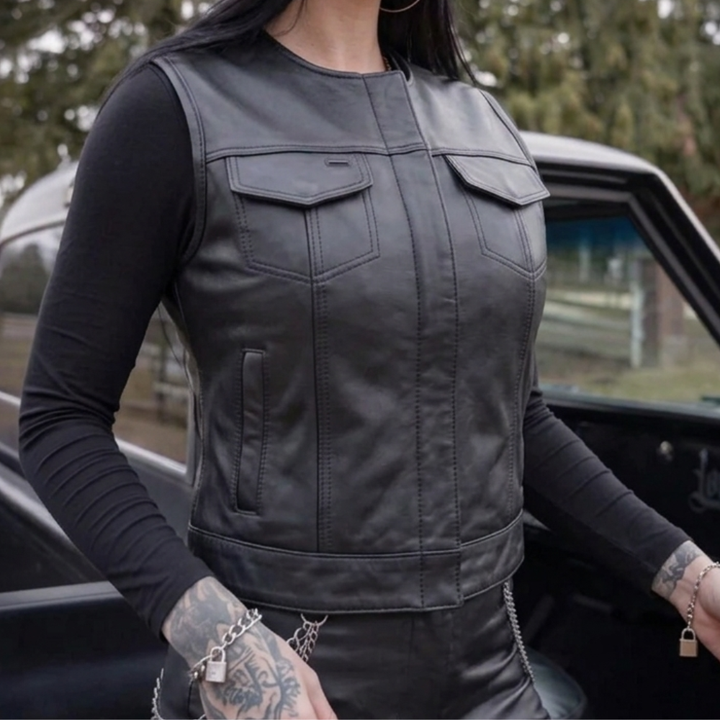
The deerskin motorcycle glove collection at Legendary USA is American-made from American deerskin. The motorcycle vest collection includes domestically produced leather vests. BECK horsehide jackets sold through Legendary USA — including the BECK TM-732 Northeaster Horsehide Jacket — are American-made products from a manufacturer with a documented domestic production history.
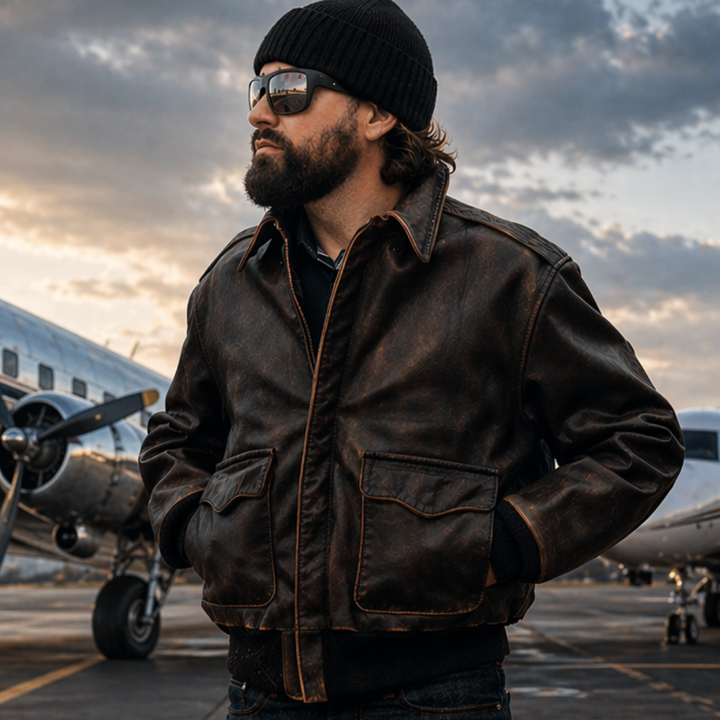
Cockpit USA products available through Legendary USA are manufactured in the United States by a company that has been producing military-heritage flight jackets domestically since 1975. Their full Cockpit USA jacket lineup carries legitimate domestic manufacturing credentials.

Reading the Gear After Purchase
After you own a piece of American-made gear for a season, you can often verify the claim through the product's performance. Domestically made leather gear from established manufacturers tends to maintain consistent grain quality across the surface, hold its shape at stress points, and show wear predictably rather than failing suddenly at seams or hardware attachments. Offshore gear that misrepresents its origin tends to show inconsistencies in the hide and premature hardware failure.
This is not a perfect verification method, but it's a practical one. Quality shows over time. Browse the verified American-made lineup at Legendary USA's complete gear collection to start with products that meet that standard from day one.
Frequently Asked Questions
Is "Assembled in USA" the same as "Made in USA" for motorcycle gear?
No. "Assembled in USA" is a qualified claim that typically means components manufactured overseas were put together domestically. For leather gear, this often means the hide was cut and tanned offshore, then sewn in the US. The FTC's unqualified "Made in USA" standard requires that all significant parts and processing be domestic. Ask manufacturers specifically about their hide sourcing when this distinction matters to you.
How do I know if a leather hide is American-sourced?
Ask the manufacturer directly where their hide comes from and which tannery they use. American tanneries are well-documented and have established reputations. A manufacturer who can name their tannery and its location is providing verifiable information. A manufacturer who can only say their hide is "high quality" without specifying origin is not making a traceable claim.
Does American-made gear always cost more?
Generally yes, because domestic labor and material costs are higher than offshore alternatives. The premium varies by product category. For gloves, the domestic premium is significant because the entire product is the hide. For jackets with more complex construction, hardware, and lining, the cost difference reflects multiple domestic inputs. The price difference is real, and whether it's worth it depends on how much you value traceability, longevity, and manufacturing accountability.