




Why American-Made Leather Still Leads
The leather industry has fragmented across the world. Cheap leather comes from anywhere. Authentic American-made gear is increasingly rare — and increasingly valuable for that reason.
What Makes American Leather Different
- Heritage tanneries: Full-grain American hides from tanneries that have been doing this for generations
- Stricter standards: EPA effluent rules, OSHA worker safety, federal labor standards apply
- Quality consistency: Year after year, the same suppliers maintain the same grades
- Traceable supply chain: From cattle to tannery to workshop, all domestic
- Hand-finished construction: Skilled American leather workers, not assembly-line factory cycling
- Heritage patterns: Refined through generations of rider feedback
The Heritage American Leather Lineup
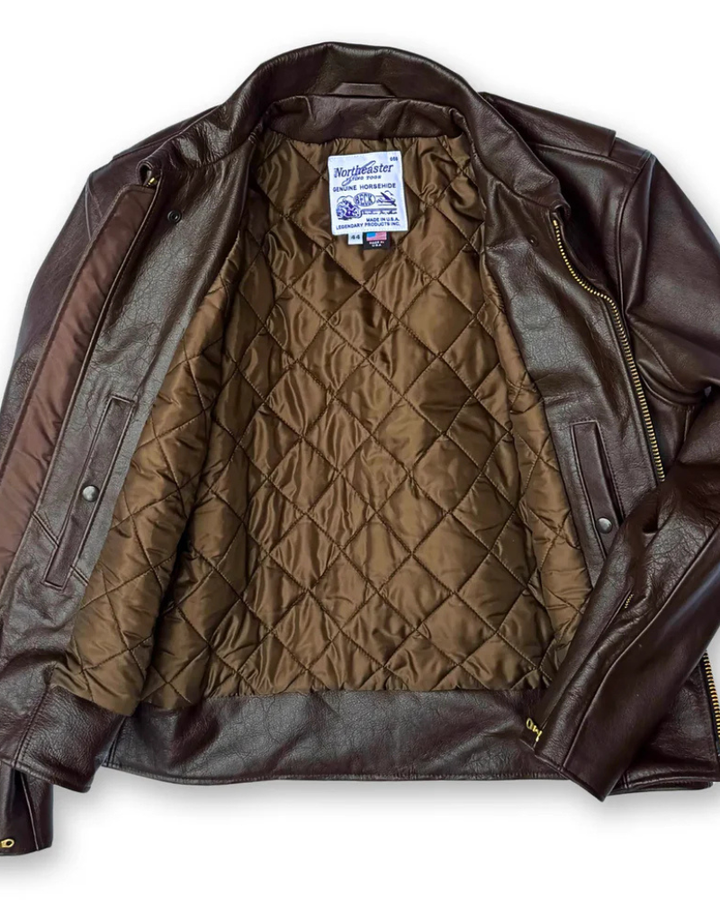
- BECK Northeaster Flying Togs — Front Quarter horsehide, heritage motorcycle jackets
- Cockpit USA — military-spec A-2, G-1, B-3 since 1977
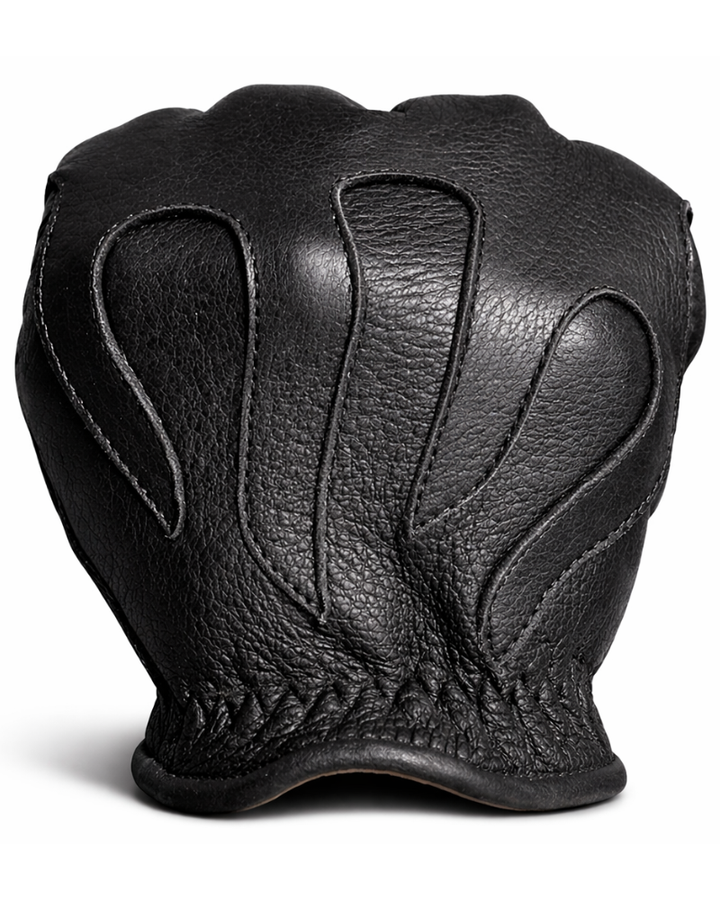
- Churchill Glove — American deerskin gloves since 1897
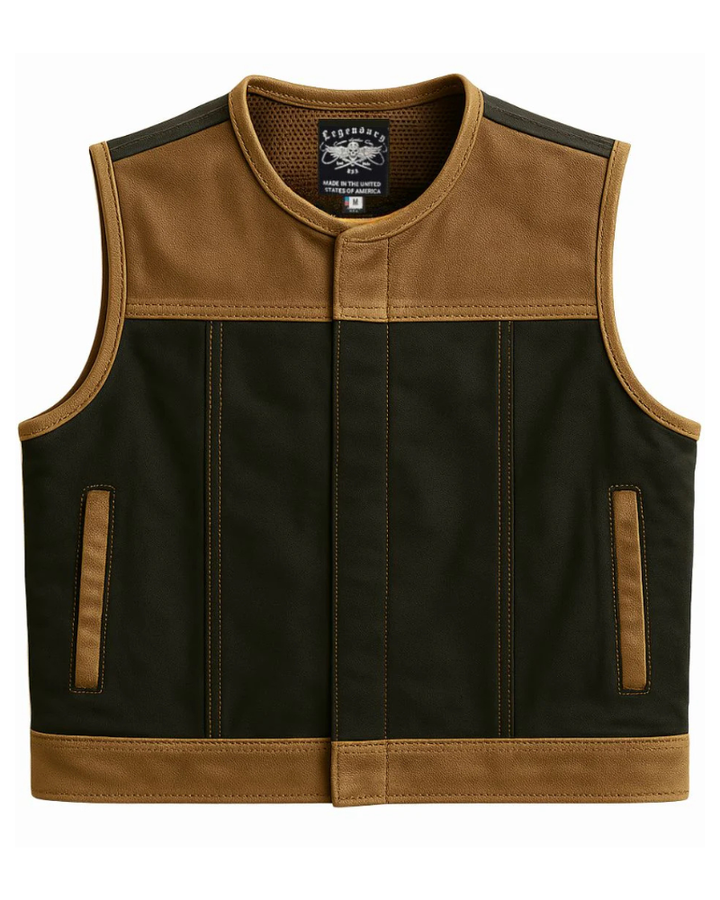
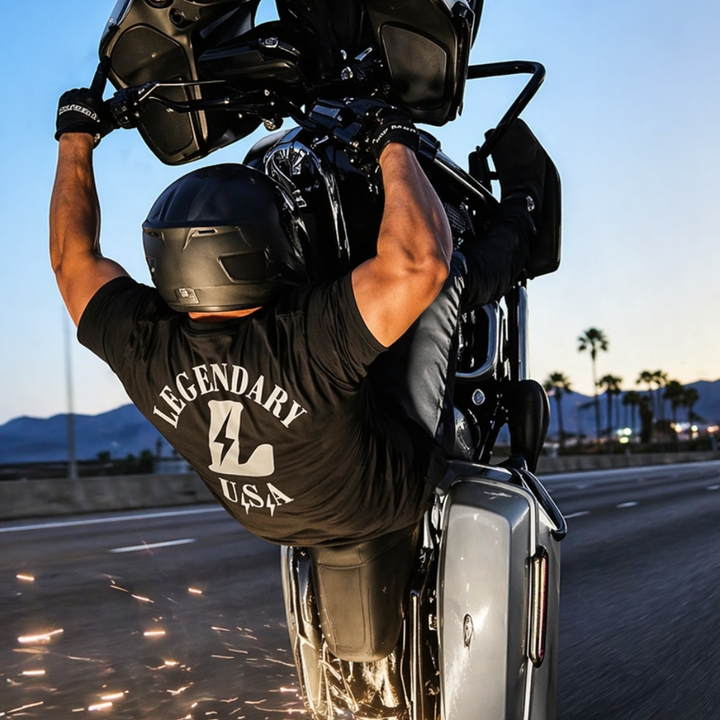
- Legendary USA — cruiser-focused American leather since 2001
Why It Matters
American-made leather isn’t just patriotism. It’s consistent quality. It’s a jacket you can call about and someone who knows the product picks up. It’s knowing where every component came from.
For the broader case, see our Made in USA quality investment piece and our USA vs imports comparison.
Frequently Asked Questions
Why is American-made leather better than imported?
Higher leather grades, stricter manufacturing standards, hand-finished construction, traceable supply chain, real customer service. Not perfect, but consistently better than mass-import alternatives.
How can I verify a jacket is genuinely Made in USA?
FTC requires explicit “Made in USA” labeling. “Designed in,” “assembled in,” or “made for” American brands without a clear origin label is a warning sign.
What kinds of leather are made in the USA?
Front Quarter horsehide, full-grain steerhide, deerskin, goatskin, bison, and shearling all have established American tanning industries.
Why does American leather last longer than imports?
Higher leather grades and tanning standards, stronger thread, better hardware, hand-finished construction. Compounds across years of use.
Is the price premium really worth it?
Cost-per-year math favors American heritage. A $1,000 jacket that lasts 18 years costs $55/year. A $300 import that lasts 3 years costs $100/year — and you’ve replaced it 6 times by year 18.
Article originally published April 2026. Updated May 2026 with verified collection links and FAQ.