



Aramid-lined motorcycle gloves pair an outer layer of leather with an inner layer of aramid fiber, the same high-strength synthetic used in cut- and abrasion-resistant gear, to add protection without much added bulk. You keep the grip and feel of leather on the outside while an extra protective layer works underneath. For riders who want more coverage than plain leather in a slim, everyday glove, aramid lining is the upgrade that makes sense. This Legendary USA guide covers what the lining does, its honest tradeoffs, and how to choose the right pair.
Aramid-Lined Gloves: The Short Answer
Choose an aramid-lined glove when you want extra cut and abrasion resistance in a glove slim enough to wear daily. The aramid layer raises the protective ceiling of the leather, while the leather keeps the grip and comfort you expect. The tradeoffs are honest: aramid-lined gloves cost more and run slightly warmer than unlined leather. If those trades are worth more protection to you, this is your glove.
What Is Aramid Fiber?

Aramid is a family of high-strength synthetic fibers known for excellent tensile strength and resistance to cutting and abrasion. Those properties are why aramid shows up in protective equipment across many industries. In a motorcycle glove, a layer of aramid is built between the outer leather and your hand, reinforcing the leather so the combined material resists tearing and scuffing better than leather on its own. It adds protection while staying thin and flexible.
One honest note: aramid lining adds cut and abrasion resistance, but a glove is still just one piece of your gear, and lining alone is not a safety certification. Legendary USA describes what its gloves are built with and does not claim ratings it cannot document. What aramid lining does deliver is a meaningful step up in coverage over plain leather.
How Aramid Lining Works in a Glove
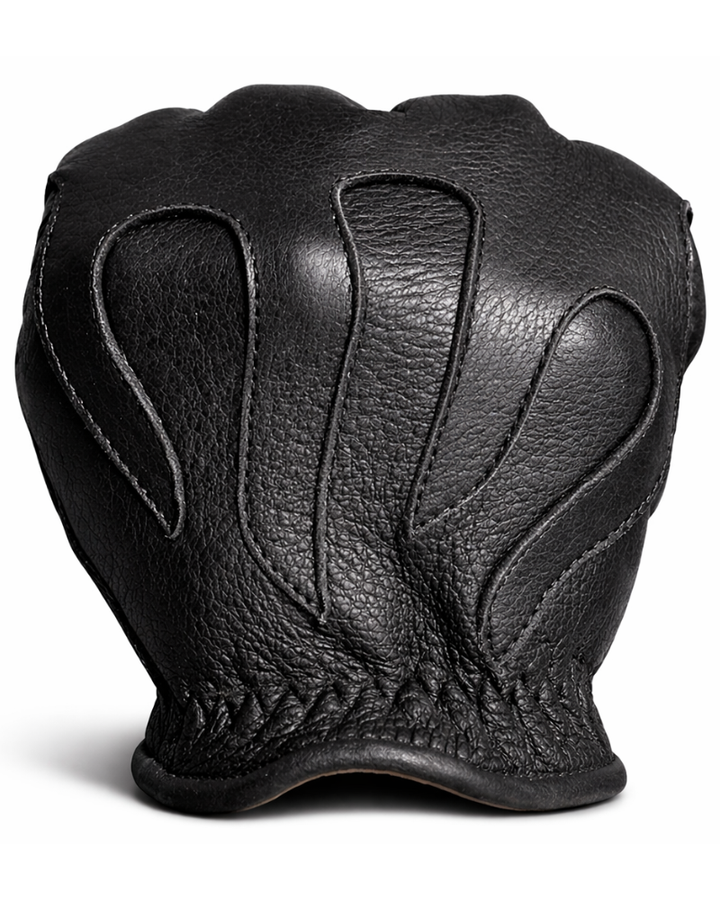
The lining works by layering. The outer full-grain leather takes the first contact and handles grip, feel, and weather. If your hand slides or scrapes, the aramid layer underneath backs up the leather and resists tearing through. Because the fiber is thin and strong, makers can add real reinforcement without turning a nimble riding glove into a heavy gauntlet. The result is a glove that still flexes on the bars but carries more protection than its slim profile suggests. Legendary USA builds this into a short-wrist deerskin platform, so the glove stays light and flexible while the lining does its job. See the deerskin aramid-lined touchscreen gloves for a working example.
Aramid-Lined vs Unlined Gloves
The choice comes down to protection versus airflow. An unlined glove is leather only, so it is lighter, cooler, and breaks in fastest, which is why unlined and perforated gloves rule in peak heat. An aramid-lined glove adds cut and abrasion resistance at the cost of a little warmth and a slightly firmer feel. Neither is a compromise, they lead with different strengths. If you want the coolest possible summer glove, an unlined perforated option like the ILL DOZER is the pick. If you want extra coverage in a glove you can wear most of the year, the aramid-lined glove wins.
| Trait | Aramid-Lined | Unlined Leather |
|---|---|---|
| Cut and abrasion resistance | Higher | Leather only |
| Warmth | Slightly warmer | Coolest |
| Airflow | Moderate | Best, especially perforated |
| Feel | Slim but slightly firmer | Softest, breaks in fast |
| Best for | Everyday coverage, three-season riding | Hot-weather airflow |
Who Should Buy Aramid-Lined Gloves?
Aramid-lined gloves suit riders who want more protection without giving up an everyday, low-profile glove. Daily commuters who log real miles benefit from the extra abrasion resistance. Riders who dislike bulky gauntlets but still want coverage get it here. Touch-screen users who navigate on the road are covered too, since Legendary USA builds a touchscreen thumb and index finger into its aramid-lined glove so you never have to strip it off at a stop. Compare the full lineup in our men's USA-made motorcycle gloves collection.
How to Choose the Right Pair
Start with fit, then features. Buy deerskin snug because it relaxes with wear, and account for the thin inner lining when sizing. Decide whether you need touchscreen fingertips, and confirm the glove has them before buying if you do. Match the cuff to your riding, short-wrist for everyday flexibility. If you are new to sizing American-made gloves, our deerskin buying guide and our 25 years of glove lessons walk through fit and leather in one place.
Frequently Asked Questions
- What are aramid-lined motorcycle gloves?
- Aramid-lined motorcycle gloves are leather gloves built with an inner layer of aramid fiber, the same family of high-strength synthetic fiber used in cut- and heat-resistant gear. The aramid layer sits between the outer leather and your hand, adding cut and abrasion resistance without much added bulk. You still get the feel and grip of leather on the outside, with an extra protective layer working underneath. Legendary USA builds aramid-lined deerskin gloves for riders who want more coverage in a low-profile glove.
- How does aramid lining protect your hands?
- Aramid fiber is prized for its high tensile strength and resistance to cutting and abrasion, which is why it appears in protective gear across many industries. In a glove, the aramid layer reinforces the leather so the combined material resists tearing and scuffing better than leather alone. If your hand slides across pavement, the leather takes the first hit and the aramid backs it up. It is added insurance, not a substitute for full riding gear, but it meaningfully raises a glove's protective ceiling.
- Are aramid-lined gloves worth it?
- For many riders, yes. Aramid-lined gloves are worth it if you want more cut and abrasion resistance than plain leather while keeping a slim, flexible glove you can wear every day. They cost more than unlined gloves because of the added material and construction, and the lining adds a little warmth. If you ride a lot of miles or want extra protection in a low-profile package, the upgrade makes sense. If you only want maximum airflow, an unlined perforated glove may suit you better.
- What is the difference between aramid-lined and unlined gloves?
- An unlined glove is leather only, so it is lighter, cooler, and breaks in fast. An aramid-lined glove adds an inner aramid layer for extra cut and abrasion resistance, at the cost of a little more warmth and a slightly firmer feel. Unlined gloves favor airflow and simplicity; aramid-lined gloves favor protection in a still-slim package. Riders who want the coolest summer glove lean unlined, while riders who want more coverage every day lean aramid-lined.
- Are aramid-lined gloves hot to wear in summer?
- Aramid-lined gloves run slightly warmer than unlined leather because the extra inner layer traps a bit more heat, but they are not heavy winter gloves. Many aramid-lined gloves are built on short-wrist deerskin for a light, flexible feel that stays wearable in warm weather. If you ride in extreme heat and want maximum airflow, a perforated unlined glove is cooler. For three-season riding where you want extra protection, an aramid-lined glove stays comfortable.
- Can you use a touchscreen with aramid-lined gloves?
- Yes, if the glove is built with touchscreen-capable fingertips. Legendary USA builds an aramid-lined deerskin glove with a touchscreen thumb and index finger so you can work your phone or GPS without pulling the glove off. Not every aramid-lined glove has this feature, so check the fingertip material before buying if touchscreen use matters to you. When it is built in, it lets you keep your protective glove on at stops and while navigating.
- How should aramid-lined gloves fit?
- Aramid-lined gloves should fit snug with no loose material at the fingertips and full movement across the knuckles when you grip the bars. Because deerskin stretches and relaxes with wear, buy them snug so they settle into a glove-like fit. The aramid lining adds a thin inner layer, so account for that when sizing. Try the riding position, not a flat hand, and make sure you can work the levers and controls comfortably before you commit to a size.
The Bottom Line
Aramid-lined gloves give you more than plain leather without turning your hands into oven mitts. The aramid layer adds real cut and abrasion resistance while the outer leather keeps the grip, feel, and character riders love. They cost more and run a touch warmer than unlined gloves, and that is the honest trade for extra coverage in a slim, everyday package. If you want protection you can wear most of the year, built from full-grain American deerskin and sewn in the USA, an aramid-lined glove earns its place in your kit.