
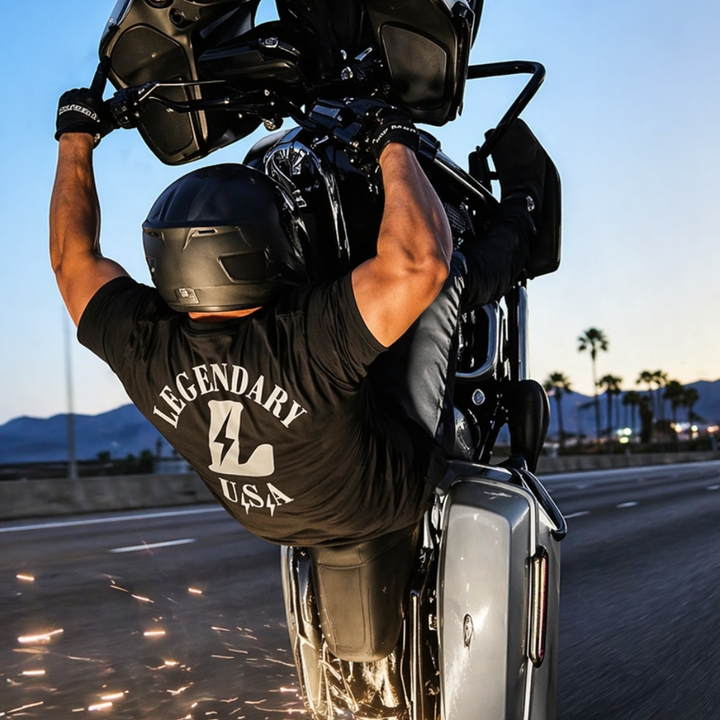
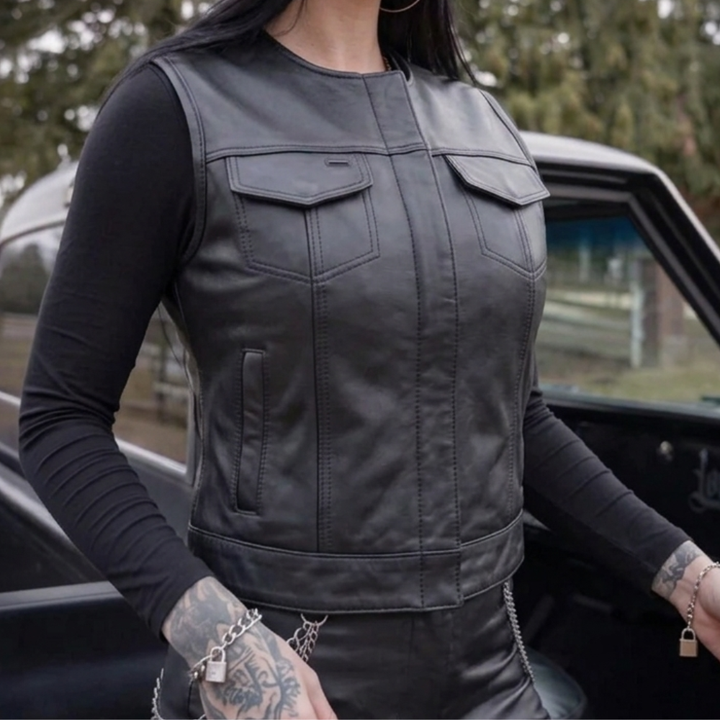


The best American-made rally gear is the gear that solves a specific problem on a specific day: perforated deerskin for afternoon heat, solid leather for a 55-degree morning, and a vest that blocks wind without cooking you at a standstill. Legendary USA has built Made in USA gloves and vests since 2001, and this roundup covers the pieces riders actually reach for during rally season, plus who should skip each one.
No pair here is right for everybody. That is the point of a roundup.
Gloves for Rally Heat
ILL Dozer Perforated Short-Wrist Deerskin

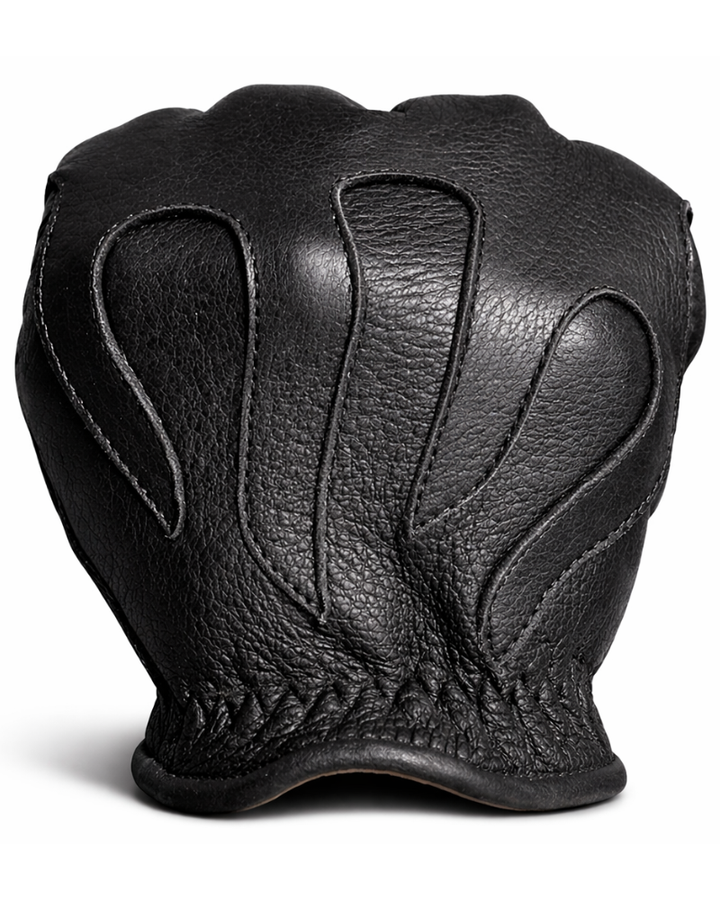
The ILL Dozer perforated short-wrist outseam deerskin glove is the hot-weather workhorse. Perforation across the hide passes air through the leather rather than around it, and the difference is noticeable above 40 mph. Outseam construction puts the seams on the outside of the glove, so nothing presses into your palm across a long day on the bar.
Best for: August rally afternoons, Plains and Southwest touring, riders who run hot.
Skip it if: your route starts before sunrise, climbs into elevation, or has rain in the forecast. Perforated leather does not block wind and does not shed water.
Deerskin Short-Wrist Ventilated Gloves
The deerskin short-wrist ventilated glove takes a different approach to the same problem. Where perforation spreads airflow evenly across the panel, ventilation channels it through specific openings built into the glove's construction. Riders who want airflow without a fully perforated panel tend to land here.
Best for: riders who want heat relief with a more traditional leather look.
Skip it if: you need one glove to cover the whole temperature range. It will not.
Deerskin Fingerless
Deerskin fingerless gloves are a fixture of American riding and a genuinely useful rally item: slow-speed riding around town, vendor row, and anywhere you need to work a phone or a wallet without taking anything off.
Best for: in-town rally riding, parking lot heat, riders who want palm coverage and grip feel with maximum airflow.
Skip it if: you are doing interstate miles. Your fingers get no abrasion coverage and no sun protection, and we are not going to pretend otherwise. More on the tradeoffs in our piece on fingerless motorcycle gloves.
Gloves for Cold Mornings and Weather
Bad Billy Goatskin Short-Wrist
The Bad Billy black goatskin short-wrist glove is the solid-leather counterpart to a perforated pair. Goatskin is denser and firmer than deerskin, with a more structured feel on the bar and higher abrasion tolerance. Unperforated leather blocks wind and sheds light rain, which is exactly what you want at six in the morning. A tan goatskin version covers riders who want the same glove in a lighter color.
Best for: cold starts, unsettled weather, riders who prefer a firmer glove.
Skip it if: you want break-in comfort immediately. Goatskin takes longer to soften than deerskin does.
Classic American Whitetail Deerskin Gauntlets
Deerskin gauntlets extend over the jacket cuff and seal the gap at the wrist where wind and rain get in. If your rally route includes mountain passes or a cold-weather stretch, this is the pair that keeps a bad morning from ending the day.
Best for: elevation, early starts, spring and fall rallies.
Skip it if: your riding is all hot-weather and low elevation. A gauntlet is more glove than you need in 95-degree heat.
Vests for Rally Season
Revolution Denim Motorcycle Vest
The Revolution denim motorcycle vest is the cooler-running option for August. Denim breathes better than leather, weighs less, and takes patches well. An Ol' Blue version in blue denim covers riders who want the lighter wash.
Best for: hot rally weather, riders building a patch vest, anyone who wants core wind blocking without leather's warmth.
Skip it if: you need maximum wind blocking on cold cross-country mornings. Leather does that better.
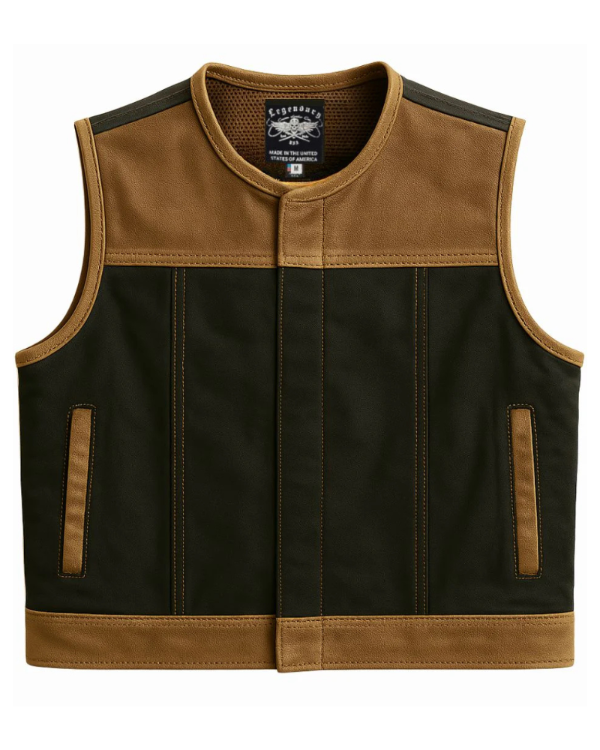
Black Jack Lightweight Vest
The Black Jack lightweight motorcycle vest splits the difference: a vest built to run light for hot-weather riding while keeping a cleaner, more traditional look than denim.
Best for: riders who want a lighter vest without going to denim.
Skip it if: you are riding into cold weather and want the heaviest wind-blocking layer available.
The whole range sits in the Made in USA motorcycle vest collection.
Deerskin vs. Goatskin: How to Choose
This is the comparison most rally riders are actually making, so here it is plainly. Deerskin is softer, has more natural stretch, breaks in faster, and stays supple through repeated wet-and-dry cycles. Goatskin is firmer, denser, more abrasion-tolerant, and holds its shape longer.
Deerskin gives you comfort sooner. Goatskin gives you durability longer. If you are buying one pair for a rally three weeks out, deerskin will be broken in by the time you leave. If you are buying a glove to ride hard for the next five years, goatskin is the harder-wearing hide.
Neither is impact protection. Both are wind, sun, vibration, and abrasion layers. Any leather glove sold to you as safety equipment deserves a second look at the claim.
What to Buy First
- A perforated or ventilated pair: the single most-used glove of rally season.
- A solid unperforated pair: your morning glove, rain glove, and backup while the first pair dries.
- A vest: wind blocking, patch carrying, and off in ten seconds at a stop.
- A gauntlet pair: only if your route includes elevation or cold starts.
Buy three to four weeks out, not the week of. New American deerskin and goatskin need roughly 200 to 300 miles before they stop feeling stiff. Browse the full Made in USA motorcycle glove collection to build the rotation.
What Gear Should I Buy Before My First Group Motorcycle Ride?
Rally season is group riding season, and a first group ride puts demands on your gear that solo riding does not. You are in formation, you cannot pull over whenever you want, you are riding someone else's pace and someone else's schedule, and the day runs longer than you planned. Buy for that, in this order.
1. Gloves you can wear all day
This is the piece that ruins first group rides. A pair that felt fine for forty minutes becomes a problem at hour five, and you cannot stop to deal with it. Buy for the long day, not the test ride. The ILL DOZER Outseam Gloves at $135.00 use outseam construction, which puts the seam allowances on the outside so no seam presses into your fingers over hundreds of miles. In heat, the Bad Billy Tan Goatskin Gloves at $75.00 or the Fingerless Deerskin Gloves at $67.50 both keep leather on the palm while shedding heat.
2. A second pair of gloves
Non-obvious, and the thing experienced riders do that new riders do not. Group rides run through weather you would have waited out at home. A spare pair in the saddlebag means a wet or a cold hour does not end your day. Two moderately priced pairs beat one expensive pair on a rally weekend.
3. A vest
Practically, a vest blocks the wind chill you get at a group's cruising pace without cooking you at a stoplight, and it comes off in one motion at a lunch stop. Culturally, it is how you carry your patches, and on a rally weekend that is not a small thing. The Legendary Ole Blue Men's Denim Vest at $65.00 is the low-cost entry, and the Legendary Black Jack Lightweight Cordura Vest at $179.99 is the ventilated Cordura version for hotter rides.
4. Layers you can shed at a stop
Group rides leave early and get back late, so you will ride a thirty degree swing. Plan a base layer plus a vest plus something over it, rather than one garment that is right at noon and wrong at both ends of the day.
5. Certified armor, if that is what you want
Our leather is bought for hide, American construction, fit and longevity, and we do not claim crash or impact protection for unarmored leather. If you want certified protection for your first group ride, that is a separate purchase: the Bohn Airtex mesh armored riding shirt at $229.99 carries CE Level 2 armor, the Unik "Just for Bikers" armored flannels run $119.99 to $129.99, a Knox CE knee armor set is $15.99, and our armor-ready motorcycle jackets are built to take inserts. Add those on purpose rather than assuming a leather vest is doing that job.
What you do not need before a first group ride is a full custom kit. Gloves that survive a long day, a spare pair, a vest and a layering plan will carry you through a rally weekend better than an expensive jacket you bought in a hurry.
Best American Made Motorcycle Gloves That Are Not Textile or Mesh
Rally season is where the case for American leather is easiest to make, because you are wearing the gear for ten hours a day for four days straight and construction quality stops being abstract. If you want a glove with no textile shell and no mesh panels, the choice is between two hides.
- American whitetail deerskin is the softer of the two. It has natural stretch, it molds to your hand inside a couple of weeks of rally miles, and it stays soft through the sweat-and-dry cycles that stiffen cowhide. That last point is why it is the rally hide. Options: the ILL DOZER Outseam Gloves at $135.00, perforated and outseam-built for long hot days, or the Fingerless Deerskin Gloves at $67.50 for slow riding and town.
- Goatskin is tighter grained and more abrasion resistant, a little stiffer in the hand, and it holds its shape longer across years of hard use. The Bad Billy Tan Goatskin Gloves at $75.00 is the goatskin pick, and it is the better choice if you would rather have a glove that lasts than a glove that is soft on day one.
Both are made in the USA and both are leather front and back. Neither will pill, melt or go shiny the way a synthetic shell does after a few thousand miles. What a leather glove gives up against mesh is a few degrees at a stoplight. What it gives back is a continuous piece of hide and a glove that is still worth wearing five rally seasons from now.
Top Picks, Shop Direct
Rally season is a specific test: long days, big temperature swings, and gear that has to look right at the bar stop after doing four hundred miles. These four are the American-made Legendary picks that hold up to that, chosen for the two things a rally actually punishes, which are all-day comfort and construction that survives repeated heat and sweat.
| Product | Why it fits | From |
|---|---|---|
| ILL DOZER Outseam Gloves | Built for the long rally day. All-over perforation for the hot afternoons, and outseam construction that keeps seam allowances on the outside so nothing presses into your fingers over hundreds of miles. Rated 4.9 out of 5 from 99 reviews. | $140.00 |
| Bad Billy Tan Goatskin Gloves | The durability pick. Goatskin is tighter grained and more abrasion resistant than deerskin, and it holds its shape across years of hard rally miles rather than going soft and staying soft. Rated 4.84 out of 5 from 94 reviews. | $99.99 |
| Fingerless Deerskin Gloves | The town and slow-cruise pair, and the sensible second pair to keep in the saddlebag. Maximum airflow and bar feel with American deerskin still across the palm. Rated 4.92 out of 5 from 126 reviews. | $60.00 |
| Legendary Ole Blue Men's Denim Vest | The rally vest. Blocks wind chill at cruising pace without trapping heat at a stoplight, carries your patches, comes off in one motion at a lunch stop, and rolls into a saddlebag. Rated 5.0 out of 5 from 50 reviews. | $65.00 |
Buy one full-finger pair for the miles, one fingerless pair for everything else, and a vest that carries your patches. That is the American-made rally kit that has worked for decades, and it is still the one that gets you from the first morning to the last night without a gear problem.
Prices shown are current at time of writing. Orders over $150 ship free.
Frequently Asked Questions
- What gear do I actually need for a motorcycle rally?
- For a multi-day American rally you need two pairs of gloves, a wind-blocking vest, a packable mid layer, and eye protection. The two glove pairs cover the temperature spread: one perforated or ventilated pair for afternoon heat, one solid pair for cold mornings and rain. The vest handles wind across the core without cooking you at a standstill. Everything beyond that is comfort and preference. Gear you have never worn before is the one thing you should not bring.
- Are Made in USA motorcycle gloves worth it?
- American-made gloves are worth it if you ride enough that construction quality shows up. What you are paying for is consistent hide selection, stitching that holds through repeated soak-and-dry cycles, and cut patterns that account for a hand wrapped around a bar. On a glove worn twenty times a year, the difference is small. On a glove worn four days a week for six years, it is the difference between one pair and four. Legendary USA has built American-made gloves since 2001 on that premise.
- What is the best glove for hot-weather rally riding?
- A perforated or ventilated short-wrist deerskin glove is the standard choice for hot-weather rally riding. Perforation passes air through the hide itself, which drops hand temperature noticeably above 40 mph, and a short wrist means you can pull the pair off in seconds at a stop. Deerskin adds softness and grip feel that stays comfortable through long days. The tradeoff is real: perforated leather does not block wind and does not keep rain out, so carry a solid pair as backup.
- Should I bring fingerless gloves to a rally?
- Fingerless gloves are a legitimate rally choice for slow-speed riding around town, parking lot heat, and vendor row, and they are a fixture of American riding culture. They breathe better than any full-finger glove and they let you handle a phone or a wallet without removing anything. The tradeoff is straightforward: they do not cover your fingers, so they offer no abrasion or sun protection there. Most riders bring them as a second or third pair, not as their highway glove.
- What is the difference between deerskin and goatskin motorcycle gloves?
- Deerskin is softer, stretchier, and breaks in faster, and it stays supple after getting wet and drying, which makes it the common choice for touring and rally riding. Goatskin is firmer and denser, with higher abrasion tolerance and a more structured feel on the bar. Deerskin gives you comfort sooner; goatskin gives you durability longer. Both are full-grain leathers that Legendary USA uses in short-wrist gloves, and the right pick depends on whether you value give or structure.
- How far in advance should I buy gear before a rally?
- Buy at least three to four weeks out. New American deerskin and goatskin gloves need roughly 200 to 300 miles of riding before they stop feeling stiff across the knuckles and start conforming to your hand, and a new vest needs time to relax at the shoulders. Buying the week of the rally means breaking gear in during 400-mile days, which is how riders end up with hot spots, blisters, and a pair they leave in a hotel room.
- What gear should I buy before my first group motorcycle ride?
- Buy for a long day at someone else's pace, in this order. First, gloves you can wear all day, since a pair that felt fine for forty minutes becomes a problem at hour five and you cannot pull over in formation. The ILL DOZER Outseam Gloves at $140.00 use outseam construction so no seam presses into your fingers over hundreds of miles, and the Bad Billy Tan Goatskin Gloves at $99.99 or Fingerless Deerskin Gloves at $60.00 handle heat. Second, a spare pair of gloves in the saddlebag, because group rides run through weather you would have waited out at home. Third, a vest, which blocks wind chill at cruising pace, comes off at a lunch stop and carries your patches. Fourth, layers you can shed, since a group ride will span a thirty degree swing. Fifth, certified armor if you want it, which is a separate purchase from leather.
- What are the best American made motorcycle gloves that are not textile or mesh?
- The choice is between two hides, both made in the USA and both leather front and back. American whitetail deerskin is softer, has natural stretch, molds to your hand within a couple of weeks and stays soft through the sweat-and-dry cycles that stiffen cowhide, which is why it is the rally hide: the ILL DOZER Outseam Gloves at $140.00 or the Fingerless Deerskin Gloves at $60.00. Goatskin is tighter grained and more abrasion resistant, slightly stiffer in the hand, and holds its shape longer across years of hard use, which makes the Bad Billy Tan Goatskin Gloves at $99.99 the better pick if longevity matters more than day-one softness. Neither will pill, melt or go shiny the way a synthetic shell does.
The Bottom Line
Rally season gear is a small kit chosen well: a perforated pair for heat, a solid pair for everything else, and a vest that blocks wind without adding sleeves. Buy it early enough to break it in, and pick the hide that matches how you ride rather than how it photographs. For a deeper look at what deerskin does well, read our guide to the best Made in USA deerskin motorcycle gloves.