



The best motorcycle gifts for touring riders solve the problems that show up after hour three in the saddle: hand fatigue, wind at the wrist, and cold mornings that turn warm by noon. Gloves come first, because a touring rider wears through gloves faster than any other piece of gear and usually packs more than one pair for a long trip. A vest comes second, and only if you know the rider's chest size.
Every pick below is made in the USA by Legendary USA or our BECK Northeaster house line. Prices were checked on our store on November 18, 2026, and can change, so confirm on the product page before you order.
What Touring Riders Need From Their Gear

A touring rider's hands sit on the grips for six to ten hours a day, absorbing road vibration and working the clutch and brake hundreds of times. Small problems that never show up on a 30 minute ride, like a seam pressing into a fingertip or a cuff that lets wind up the sleeve, become the whole story by the end of a 400 mile day. That is why the right touring gift is specific, not expensive.
Temperature is the second problem. A multi-day route can start at 40 degrees in the mountains and finish at 75 in the valley. Touring riders solve that with a rotation, usually one warm-weather glove, one cold-weather glove and a vest that layers over or under a jacket. A gift that fills a hole in that rotation gets used on every trip.
The third problem is weight and space. Everything a touring rider brings has to fit in saddlebags, so gear that does two jobs earns its place. Deerskin gloves pack flat and stay soft after a rain soaking, which is why deerskin is the backbone of the Legendary USA glove line.
Gloves for Long Highway Days
Each of these gloves answers one touring problem. Match the glove to the complaint you hear most from the rider.
For hand fatigue: ILL DOZER Outseam Gloves, $135
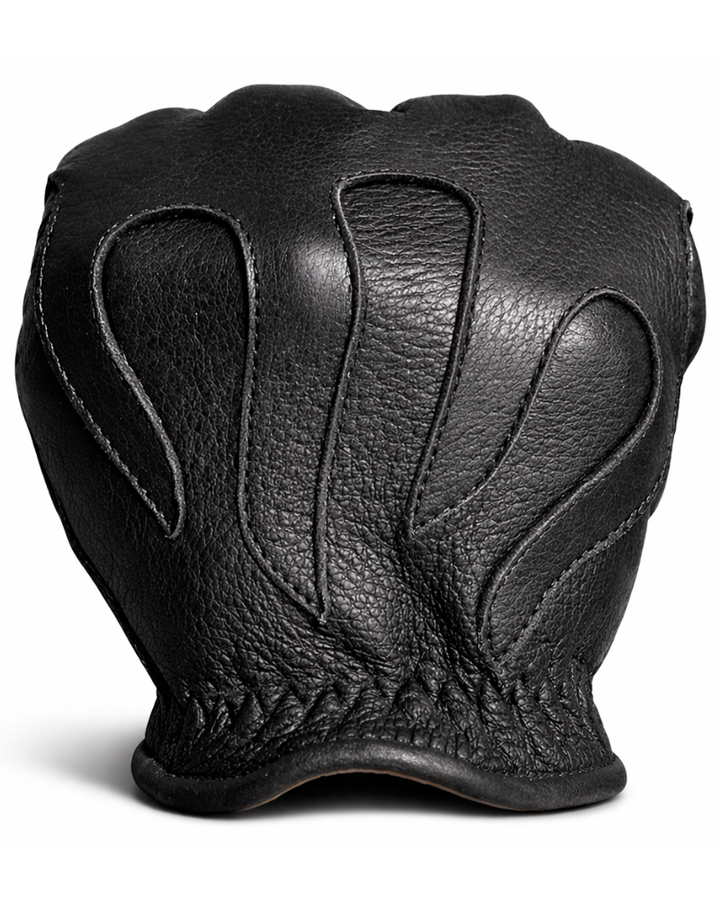
The ILL DOZER Outseam Gloves move every seam to the outside of the glove, so the palm and finger interior are smooth against the skin. On a long day, that removes the seam pressure that causes most hand fatigue. They are cut from American Whitetail deerskin and stitched with American and Efird industrial thread. The tradeoff: the ILL DOZER is unlined and perforated, so it is a warm-weather glove, not a cold-morning glove.
For wind at the wrist: Classic Deerskin Gauntlets, $140
The Classic Deerskin Gauntlets extend a deep cuff over the wrist and lower forearm, which closes the sleeve gap that lets cold air in at highway speed. The cuff is cut long enough to wear over or under a jacket sleeve. They are unlined for direct throttle and brake feel, with reinforced stitching at the palm, thumb saddle and fingertips. Unlined means the cuff does the warming, so they suit fall and spring tours rather than near-freezing riding.
For cold mornings: Fleece-Lined Deerskin Gloves, $115
The Fleece-Lined Deerskin Gloves pair an American Whitetail deerskin shell with 3M Thinsulate 40-gram lining, built for roughly the 30 to 50 degree range. They use a keystone thumb and an elasticized wrist. The lining takes up room inside the glove, so check the size chart carefully. Below freezing, a touring rider needs heavier insulation or heated gear.
For GPS and phone use: Aramid Touchscreen Deerskin Gloves, $120
The Aramid Touchscreen Deerskin Gloves put an aramid fiber liner under a domestic Whitetail deerskin shell for cut and abrasion resistance beyond deerskin alone, with touchscreen fingertips for a phone or GPS. The aramid liner is not armor, and the glove has no hard knuckle or CE rating.
Gauntlet vs Short Wrist: Which Glove to Give a Touring Rider
Give a gauntlet to a rider who complains about cold wrists and wind up the sleeve. Give a short-wrist glove to a rider who stops often, takes gloves on and off at every fuel stop, or tours mostly in summer.
- Gauntlet: seals the wrist, blocks wind at the sleeve, works over or under a jacket cuff. Slower to put on, takes more saddlebag space, warmer than you want in July.
- Short wrist: quick on and off, sits under a jacket cuff, cooler in heat. Leaves the wrist exposed if the sleeve rides up at speed.
The same logic applies to construction. Outseam gloves like the ILL DOZER trade visible exterior seams for a smoother interior, which matters most over long distances. Conventional inseam gloves look cleaner from the outside but put stitching against the fingers.
Vests for the Long Haul
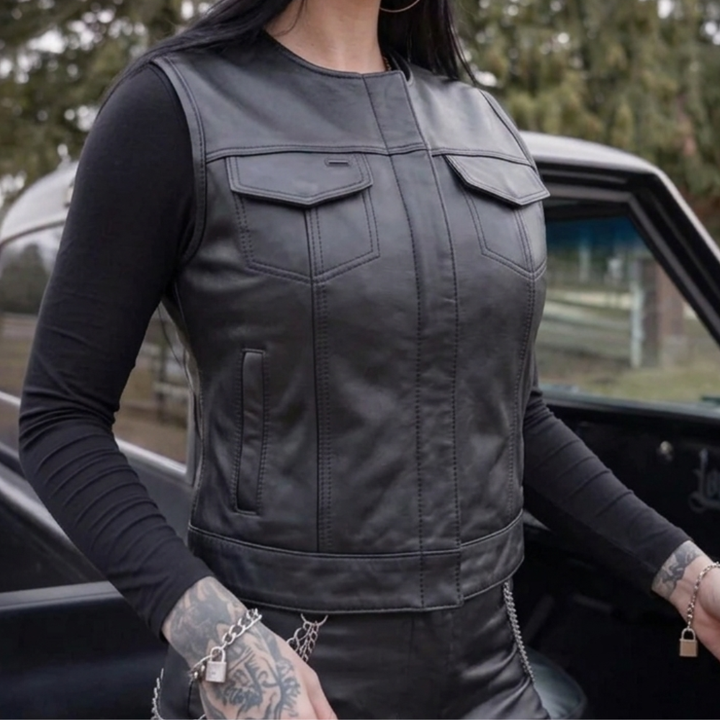
A vest is the most versatile layer on a tour. It goes over a T-shirt on a hot afternoon, over a jacket on a cold morning, and it carries a phone and wallet where they are easy to reach.
BECK 566 Horsehide Motorcycle Vest, $485
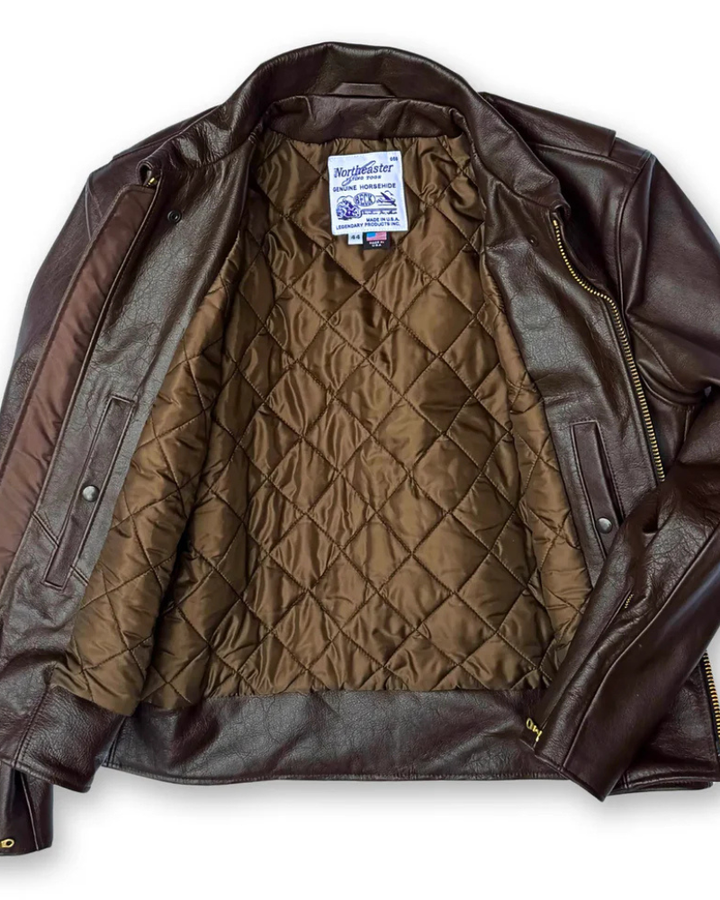
The BECK 566 Horsehide Motorcycle Vest is cut from front quarter horsehide, the densest section of the hide, with a one-piece back panel, a 1 1/4 inch stand-up collar for neck coverage and YKK zippers. It is from our BECK Northeaster line, built in the USA. Horsehide starts stiff and takes a full season or more to break in, so this is a gift for a rider who plans to wear one vest for many years.
Legendary Black Jack Cordura Vest, $120
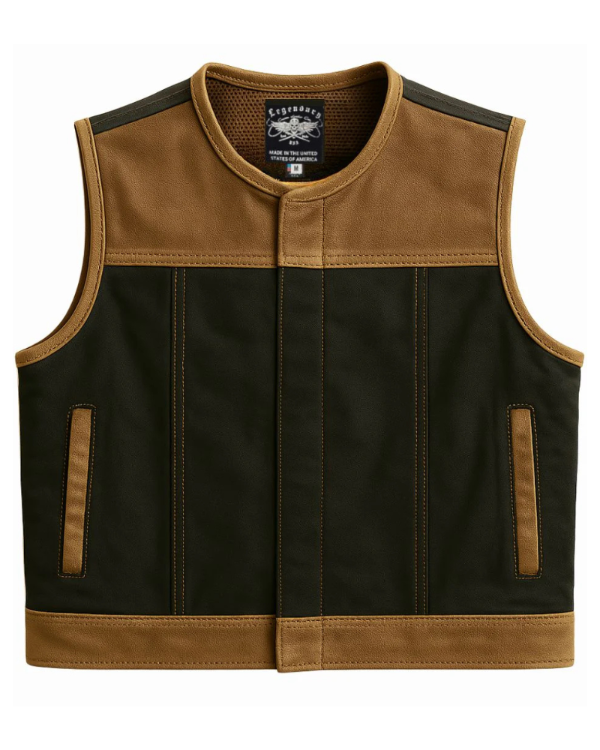
The Legendary Black Jack Cordura Vest pairs a water-resistant Cordura nylon shell with leather binding and pocket flaps, side lacing for adjustable fit and wide armholes that allow layering. It is lighter than any leather vest and wipes clean after a buggy day. Water-resistant is not waterproof, so it sheds a passing shower but is not rain gear.
How to Get the Size Right
Glove sizing is the most common touring gift mistake. Borrow a pair the rider already likes and compare it to the size chart, and remember that a glove that feels fine for an hour can pinch by hour six. Our guide on how to test motorcycle glove fit in the riding position explains what a correct fit feels like on the grips.
For a vest, lay one of the rider's vests or jackets flat, measure across the chest just below the armholes and double it. Then think about layers: a touring vest usually goes over a jacket on cold mornings, so it needs room for one.
Our Recommendation
If you only know that they tour, give the ILL DOZER to a summer rider and the Classic Deerskin Gauntlets to a rider who keeps going into fall. Add the Fleece-Lined Deerskin Gloves if the rider already owns a warm-weather pair. You can compare every cuff and lining side by side in our Made in USA motorcycle gloves collection, and our deerskin motorcycle gloves buying guide and winter gauntlet guide go deeper on each style.
If the gift is going to a rider planning a first long tour, the Motorcycle Safety Foundation publishes rider training and gear guidance worth reading before the trip.
Frequently Asked Questions
- What is a good gift for a motorcycle touring rider?
- A good pair of leather riding gloves is the most useful gift for a touring rider. Touring riders wear through gloves faster than any other gear and usually pack two or three pairs for different temperatures. Choose an outseam glove like the Legendary ILL DOZER for warm-weather touring, a gauntlet for wind at the wrist, or a fleece-lined deerskin glove for cold mornings. A vest is a good second gift once you know the rider's chest size.
- Are gauntlet gloves better for touring than short-wrist gloves?
- Gauntlets are better for touring in cool weather because the long cuff seals the gap between glove and sleeve, which is where wind gets in at highway speed. Short-wrist gloves are better for summer touring and for riders who take gloves off at every stop. Many touring riders carry both: a short-wrist pair for warm afternoons and a gauntlet for early mornings and the ride home after dark.
- What does outseam construction do for long rides?
- Outseam construction moves the glove's stitching to the outside, so no seams press against the palm and fingers. On a short ride the difference is small, but over a full touring day that seam pressure is a main cause of hand fatigue and sore fingertips. The Legendary ILL DOZER Outseam Gloves use this construction in American Whitetail deerskin. The tradeoff is that the exterior seams are visible and take more surface wear.
- Are fleece-lined deerskin gloves warm enough for a fall motorcycle tour?
- For most fall touring, yes. The Legendary Fleece-Lined Deerskin Gloves use 3M Thinsulate 40-gram lining and are built for roughly the 30 to 50 degree range, which covers most early-morning fall riding. Below freezing, a touring rider needs heavier insulated gloves or heated gear. The lining takes up room inside the glove, so check the size chart instead of assuming the rider's usual unlined size.
- Is a leather vest or a Cordura vest better for touring?
- A horsehide leather vest like the BECK 566 blocks more wind, resists abrasion better and lasts many seasons, but it is heavier and takes a long time to break in. A Cordura vest like the Legendary Black Jack is lighter, water-resistant and easier to clean, but it does not feel or wear like leather. Give leather to a rider who wants one vest for years and Cordura to a hot-weather or high-mileage rider.