



The ride home from the rally is its own American tradition — older than the interstates and, for many riders, the best part of the trip. Sturgis has pulled riders across the country since 1938, and every August the highways out of the Black Hills fill with loaded bikes heading back the long way. Legendary USA has geared up riders for that round trip for 25 years, and the gear that comes home tells the better story.
The Rally Ends. The Riding Doesn't.
Rally week has a clock on it: arrive, see everyone, do everything. The ride home has none. Riders leave the Black Hills without a schedule, and the trip changes character — shorter days, two-lane roads, the small towns that were a blur on the way out. The rally is the destination, but the ride home is the part that belongs entirely to the rider.
That is not a new observation. It is the oldest one in American riding.
A Tradition Built by Geography

Sturgis sits in western South Dakota, hundreds of miles from almost everywhere. When the rally started in 1938, getting there meant crossing the plains on machines and roads that made no promises, and getting home meant doing it again — tired, broke, and happier. The distance was never an obstacle to the tradition. The distance was the tradition.
The gear culture of American riding grew out of exactly those miles. Riders needed leather that could take a week of sun, wind, hail, and gravel and still be worth wearing home, which is why the era's horsehide jackets and heavy gloves became the template American makers still work from. We traced that lineage in our story on Sturgis and the American motorcycle tradition.
The Gear That Comes Home
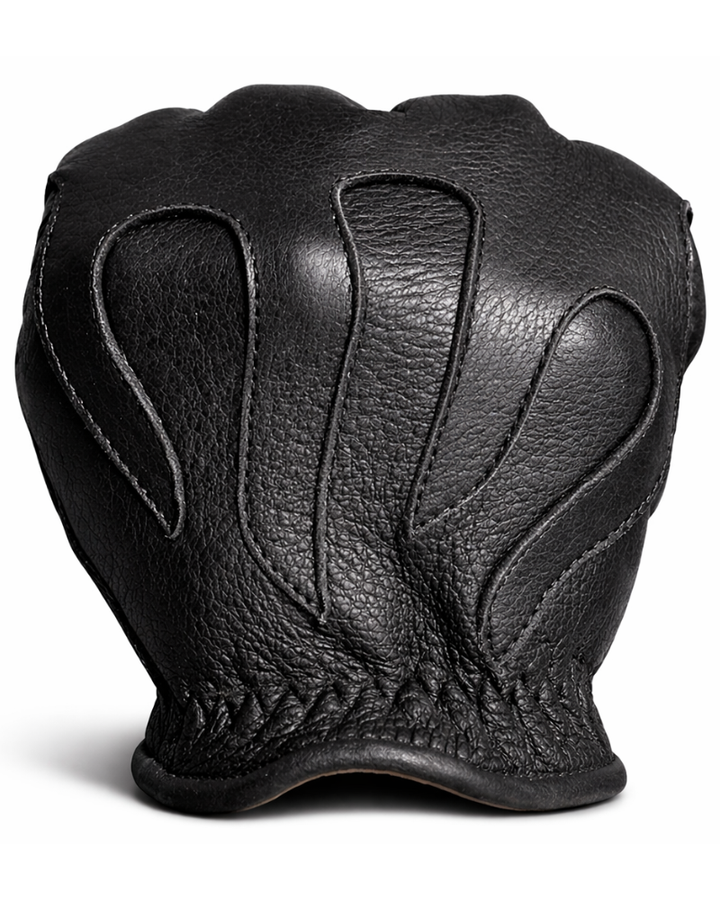
Look at a rider's gloves on the way out and on the way back — the comparison tells you what the miles did. The pair that left home clean comes back shaped to the rider's grip, darkened at the palm, creased where the levers live. A pair like the classic American whitetail deerskin gauntlets leaves as a product and comes home as yours, molded to your hands by two thousand miles of throttle.
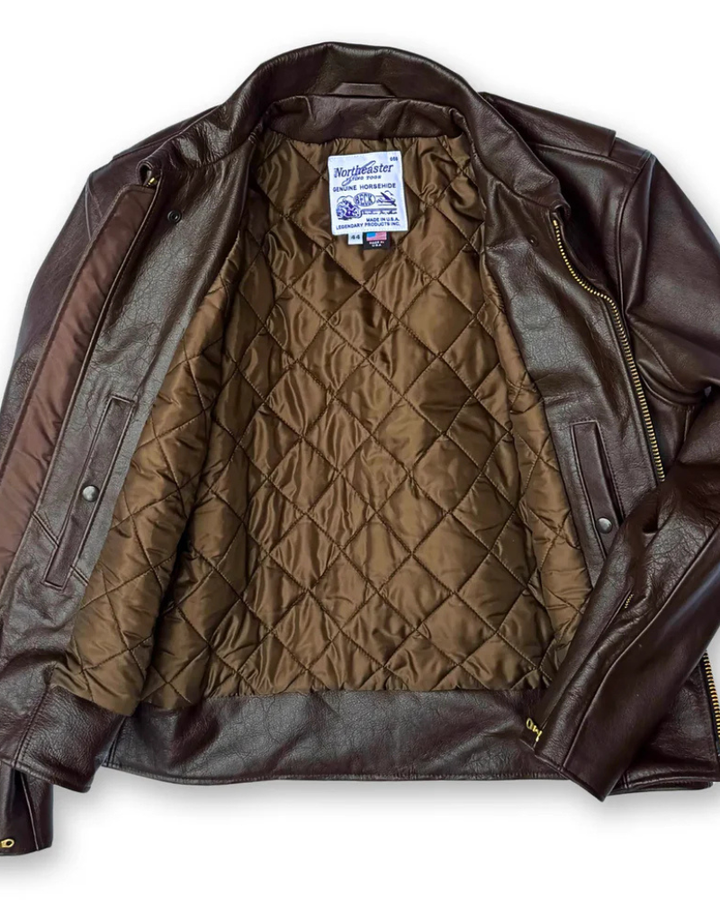
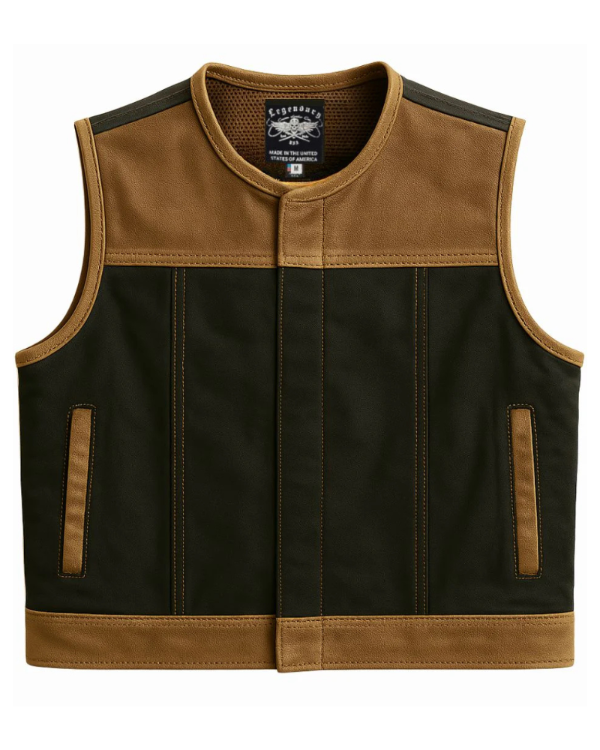
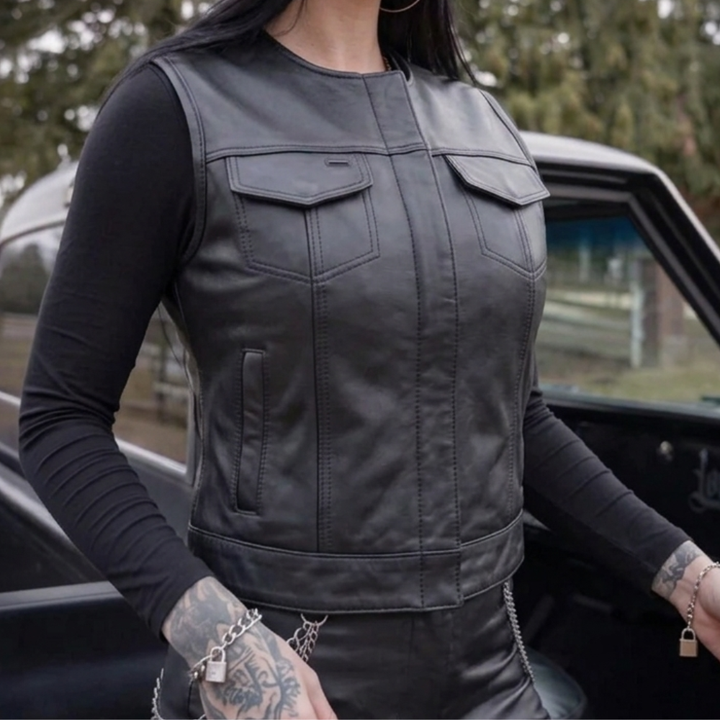
The same goes for a vest full of new patches and a jacket wearing its first real patina. American leather is built for exactly this arc: it does not degrade with a hard trip, it improves. The week of wear a rally delivers is a full season of break-in compressed into days, and it is why gear from our motorcycle gear collection is cut from hides meant to log decades of these round trips.
What the Return Asks of a Rider
The ride home has its own discipline. The bike is heavier, the body is tired, and the weather owes you nothing — August on the plains can hand you a 55-degree dawn and a 100-degree afternoon in the same day. Longtime riders treat the return as its own trip: fresh tire check, honest self-assessment each morning, and gear cleaned of a week's bug strike before it bakes in.
Chris has said the customers he hears from most in late August are the ones just home, gloves finally broken in, already asking what next summer's route looks like. That instinct — the trip that ends by planning the next one — is the tradition working exactly as it has since 1938. It is the same instinct we wrote about in the long-distance rider in American motorcycle culture.
Frequently Asked Questions
- Why is the ride home from Sturgis considered part of the rally?
- Because for most riders, the rally was never just the destination. Sturgis has drawn riders across hundreds or thousands of miles since 1938, and the return trip is where the week settles in — empty highways, no schedule, and a bike loaded with everything you learned. Many longtime riders will tell you the ride home, taken slower and often on different roads, is the part they remember longest.
- How is the ride home different from the ride out?
- The ride out runs on anticipation and usually on a deadline — riders push interstate miles to arrive when the rally starts. The ride home has no clock. Riders trade the slab for two-lane routes, stop in the small towns they blew past a week earlier, and ride shorter days. The gear is different too: broken in, road-marked, and carrying a week of weather instead of a fresh coat of conditioner.
- What should riders do with their gear after a long rally trip?
- Clean it within a few days of getting home. Wipe bug residue and road grime off jackets, vests, and gloves with a damp cloth, let everything dry at room temperature, and follow with a light coat of leather conditioner once the hide is fully dry. Check stitching and snaps while you clean — a rally week is a full season of wear compressed into days, and small repairs caught now stay small.
- When did Sturgis become a long-distance riding tradition?
- The Sturgis rally began in 1938 in Sturgis, South Dakota, and from the early decades riders traveled serious distances to attend. Its location — far from the coasts and the big population centers — meant that getting there was itself an achievement, and the round trip became a proving ground for riders and their equipment. That geography is a large part of why the rally became synonymous with long-distance American riding.
- Why does leather gear look better after a rally trip?
- Because wear is the finish leather was designed for. A week of sun, wind, flexing, and honest miles breaks in the hide, deepens its color, and shapes it to the rider. Deerskin gloves mold to the exact grip of your hands, and a horsehide jacket starts developing the glossy patina it will carry for decades. A rally-worn piece of American leather is not damaged — it is finally getting started.
The rally photos get taken in Sturgis, but the tradition lives on the road home — the unhurried miles where the trip becomes a story and the gear becomes yours. That return leg has been part of American riding for nearly ninety years, and it is the part no crowd can share. Ride it slow, clean the leather when you get home, and start planning the next one.