




Deerskin vs Goatskin Motorcycle Gloves: Which Leather Fits Your Ride
Deerskin and goatskin are the two leathers that define American-made motorcycle gloves, and the deerskin vs goatskin motorcycle gloves question comes down to feel versus firmness. Deerskin is softer, more flexible, and comfortable straight off the shelf. Goatskin is denser, more abrasion-resistant, and holds its shape longer. Legendary USA cuts both from full-grain American hides, so the real decision is about how you ride and what you want your hands to feel at the bars.
This guide breaks down each leather on comfort, durability, weather, fit, and care, then tells you which one belongs on your hands. No hype, no invented specs, just how these two hides actually behave on a motorcycle.
What deerskin brings to a riding glove

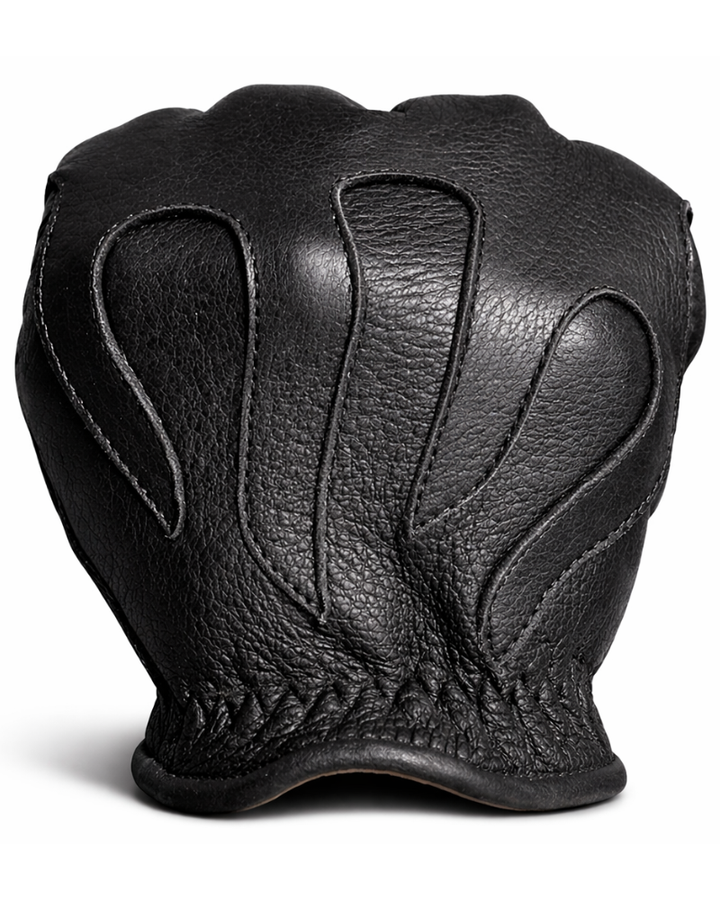
Legendary USA builds 24 of its 26 motorcycle gloves from American whitetail deerskin and only two from goatskin, and that ratio is the short answer. Deerskin is the softest of the common glove leathers, supple and almost worn-in from the first ride, with a fiber structure looser than goatskin that gives it natural stretch and flexibility. That is why deerskin conforms to your hand quickly and keeps a light, direct feel on the grips and controls. Of the leathers Legendary USA works with, deerskin is the one that starts soft and stays soft the longest, which is why a pair like the Classic Short Wrist Touchscreen Deerskin Gloves at $105, rated 4.90 from 106 customer reviews, needs no break-in period the way a firmer hide does.
Full-grain American deerskin also resists stiffening after it gets wet, drying back soft instead of turning board-hard. For riders who log long hours, that comfort is the whole point. The tradeoff is surface toughness: deerskin is more porous and slightly less scuff-resistant than goatskin, so it favors comfort over raw durability.
The deerskin fleece-lined short-wrist gloves show the leather at its best in cooler weather, while the perforated ILL Dozer deerskin gloves use the same hide with outseam construction and venting for summer heat.
What goatskin brings to a riding glove
Goatskin is denser and tougher than deerskin, with a tight fiber structure and natural lanolin that make it hard-wearing and abrasion-resistant. It rides firmer in the hand and holds its shape over years of use instead of going slack. Riders who want a glove that feels substantial and stands up to daily abuse tend to reach for goatskin.
Because goatskin stretches far less than deerskin, fit matters more up front: it should feel snug when new, not loose. It will not mold to your hand the way deerskin does, but that also means it will not bag out over time. The Bad Billy black goatskin gloves are a clean example of the leather, built short-wrist for a slim, no-bulk feel at the controls.
Deerskin vs goatskin: the head-to-head
Here is how the two leathers compare on the factors riders actually care about.
| Factor | Deerskin | Goatskin |
|---|---|---|
| Softness | Softest; supple out of the box | Firmer, more structured feel |
| Break-in | Fast; molds in 2-3 weeks | Slower; keeps original shape |
| Stretch | High natural give | Low; stable sizing |
| Abrasion resistance | Good; trades some toughness for feel | Higher; dense and hard-wearing |
| Wet-weather recovery | Dries back soft | Holds shape, sheds better |
| Best for | Comfort, long days, break-in feel | Durability, firm feel, daily use |
The pattern is consistent: deerskin wins on comfort and immediate feel, goatskin wins on structure and long-haul toughness. Neither leather replaces armor. Both are riding gloves built for grip, feel, and weather, not crash certification.
Which glove should you buy?
Choose deerskin if you want a glove that feels broken in on day one, molds to your hand, and stays soft season after season. It is the comfort-first pick for touring riders, long commutes, and anyone who hates a stiff glove. Deerskin also suits riders between sizes, since its stretch takes up a little slack. That is the deerskin half of the Legendary USA lineup, from the Fingerless Deerskin Gloves at $68 up to the Fleece-Lined Deerskin Gloves at $115, all cut from full-grain American whitetail.
Choose goatskin if you want a firmer glove that resists wear, keeps its shape, and shrugs off hard daily use. It is the durability-first pick for riders who put a lot of miles on one pair and want consistent fit over years. If you run hot and want structure, a short-wrist goatskin like the Bad Billy tan goatskin gloves keeps things slim without going soft.
Still deciding? Browse the full lineup of American-made options in the men's USA-made motorcycle gloves collection and compare builds side by side.
How Legendary USA builds both leathers
Legendary USA hand-cuts deerskin and goatskin gloves from full-grain American hides, then builds them with rider-focused construction like short-wrist cuffs, outseam stitching, and reinforced palms depending on the model. The leather choice sets the feel; the construction sets the fit and the airflow. That is why the same deerskin shows up in both a warm fleece-lined winter glove and a vented summer glove.
For a deeper look at each hide on its own, read the guide to the best deerskin motorcycle gloves made in the USA and the breakdown of goatskin motorcycle gloves every rider should know.
Frequently asked questions
- Are deerskin or goatskin gloves better for motorcycle riding?
- Neither is universally better; they solve different problems. Deerskin is softer, stretches to your hand, and stays supple in heat and cold, which makes it the comfort choice for long days in the saddle. Goatskin is denser and more abrasion-resistant, so it holds its shape and takes hard use without going floppy. Riders who prize a broken-in feel from day one lean deerskin. Riders who want a firmer, harder-wearing glove lean goatskin.
- Does deerskin stretch more than goatskin?
- Yes. Deerskin has more natural give and will stretch to conform to your hand within two to three weeks of regular riding. Goatskin stretches far less and largely keeps its original shape, which is why goatskin gloves should fit snug but not tight when new. If you want a glove that molds to you, choose deerskin. If you want consistent, unchanging fit, choose goatskin.
- Which leather is more abrasion-resistant, deerskin or goatskin?
- Goatskin is the more abrasion-resistant of the two. Its tight fiber structure and higher lanolin content give it a dense, durable surface that resists scuffing and wear. Deerskin is softer and more flexible, which is why riders love the feel, but it trades some surface toughness for that comfort. Neither leather is a substitute for CE-rated armor; both are riding gloves, not crash protection.
- Is goatskin good for hot-weather riding?
- Goatskin handles heat well, especially in a short-wrist, perforated, or ventilated build. It stays firm rather than clammy and resists the softening that heat and sweat can cause in some leathers. Deerskin also rides cool and breathes naturally, so for summer the bigger factors are perforation and lining rather than the hide itself. For peak-heat riding, look for a perforated or ventilated version in either leather.
- Do deerskin gloves need more care than goatskin?
- Both leathers benefit from the same simple routine: wipe off road grime, let them air dry away from direct heat, and condition a few times a season. Deerskin can dry out slightly faster because it is more porous, so it rewards regular conditioning to stay soft. Goatskin holds natural oils longer and needs conditioning a bit less often. Never machine-wash or force-dry either leather.
- Which should a first-time buyer choose?
- If you are unsure, deerskin is the more forgiving first choice because it fits comfortably out of the box and breaks in fast. Goatskin is the better pick if you already know you want a firmer glove that resists wear and keeps its shape over years of use. Both are made in the USA by Legendary USA from full-grain hides, so you are choosing feel and durability priorities, not quality tiers.
Deerskin or goatskin, the right glove is the one that matches how you ride. Pick deerskin for comfort and a broken-in feel, goatskin for structure and durability, and let American full-grain leather do the rest. Both are built to earn miles, not sit in a drawer.